
Film
Being There
Peter Sellers plays Chance, a gardener who has spent his whole life inside one house, learning about existence entirely through television. Turned loose in Washington after his employer's death, he's mistaken by the powerful for a serene, oracular genius simply because he says nothing much and says it calmly. It's a deadpan satire about media, politics, and how eagerly we fill emptiness with meaning — funny, strange, and quietly unsettling long after the credits.
If you liked this
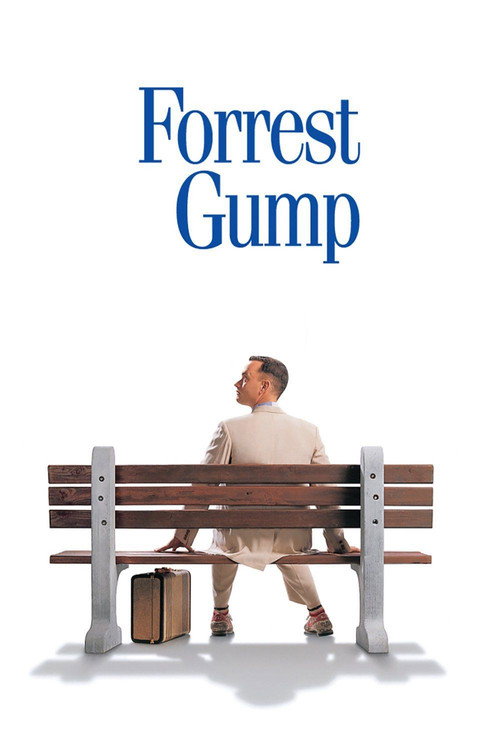
Forrest Gump1994
Both films use a guileless man as a mirror for a nation's anxieties, sliding him through big events while he stays serenely unbothered by any of it. If you loved Chance's blank calm, this is its warmer, more sentimental cousin.
But It trades Being There's cool satirical edge for outright sentimentality, and its politics can feel conveniently non-committal.
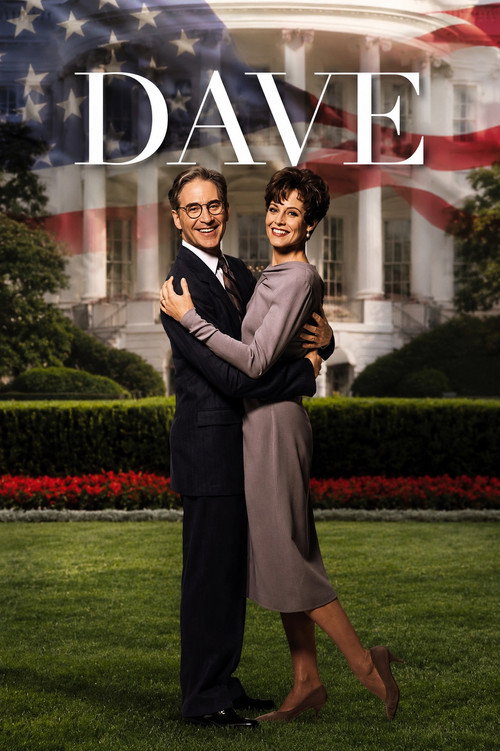
Dave1993
A decent lookalike accidentally becomes President and turns out better at the job than the real thing — the same fantasy of goodness mistaken for genius, played as breezy mainstream comedy rather than dry satire.
But It's gentler and more optimistic than Being There, with none of the queasy ambiguity about whether the joke's on us.
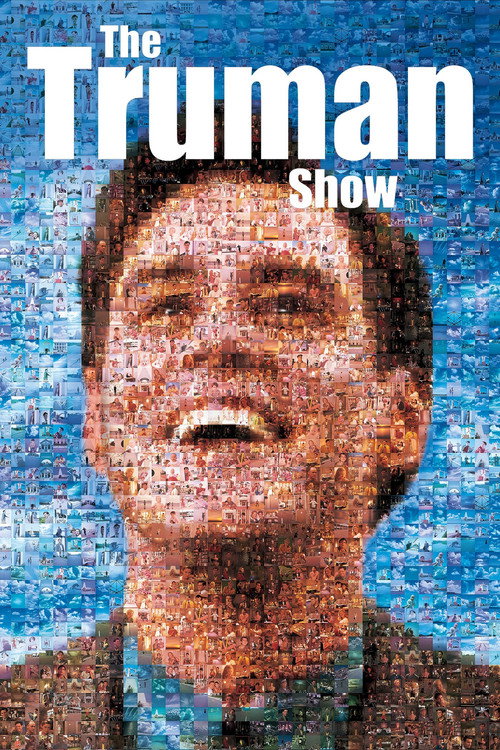
The Truman Show1998
Flips the premise inside out: here it's the hero, not the powerful men around him, who's unwittingly manufactured by television. A natural next stop for anyone hooked on the idea that TV can build a whole false reality.
But More earnest hero's-journey than deadpan satire, building toward catharsis rather than shrugging, unresolved irony.
The wildcard
Something you would not have found on your own.
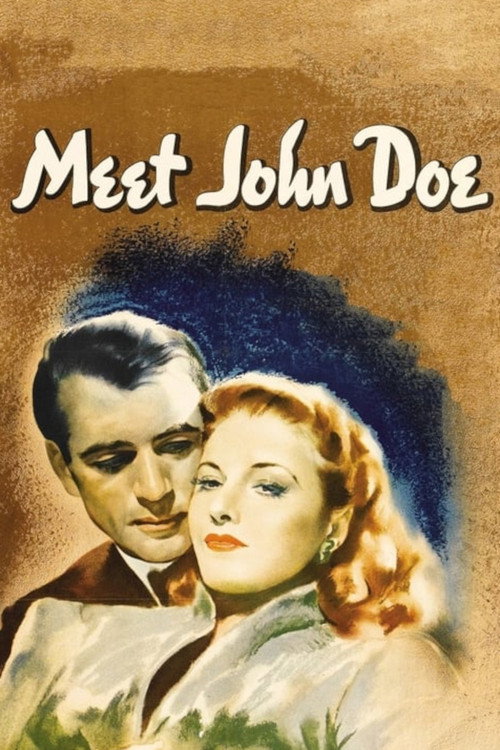
Meet John Doe1941
Both put an ordinary, essentially empty man at the centre of a myth invented by people who need him to mean something — Capra's newspapermen decades before Kosinski's kingmakers.
Long before Chance became a media sensation, Capra told the same story in dead earnest: a nobody turned into a symbol by desperate men who need someone to believe in.
But Black-and-white 1941 melodrama played entirely straight — no deadpan comedy, just sincerity, and a very different ending.
More like this (8)
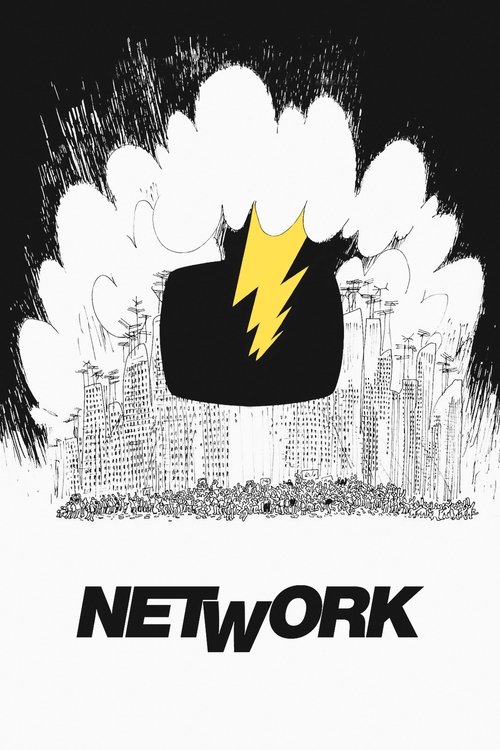
Network1976
Same era, same disgust at television's power to manufacture meaning out of nothing, but turned up to a howl instead of Being There's polite murmur. Essential viewing for anyone hooked on the TV-as-prophet idea.
But It's angrier and more cynical, with none of Chance's gentle comic stillness — a shouting match rather than a deadpan.
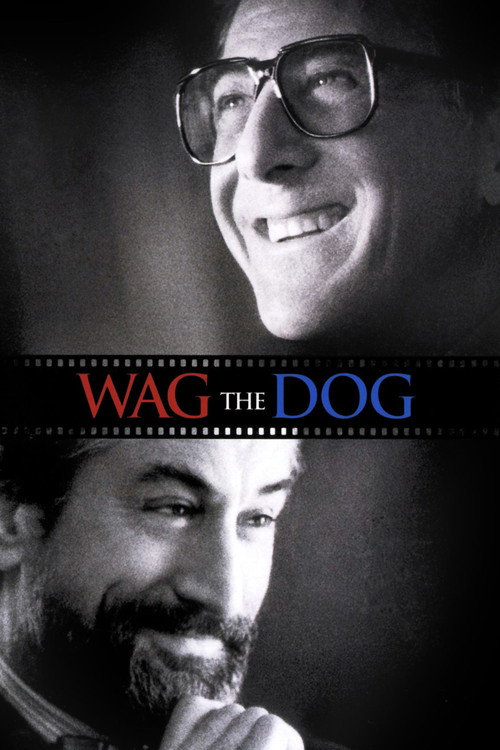
Wag the Dog1997
A scrappier, faster satire on how easily politics and media invent a reality everyone agrees to believe — Chance's accidental rise recast here as deliberate, cynical spin.
But Broader and more farcical, trading Being There's careful ambiguity for punchier one-liners and a faster pace.
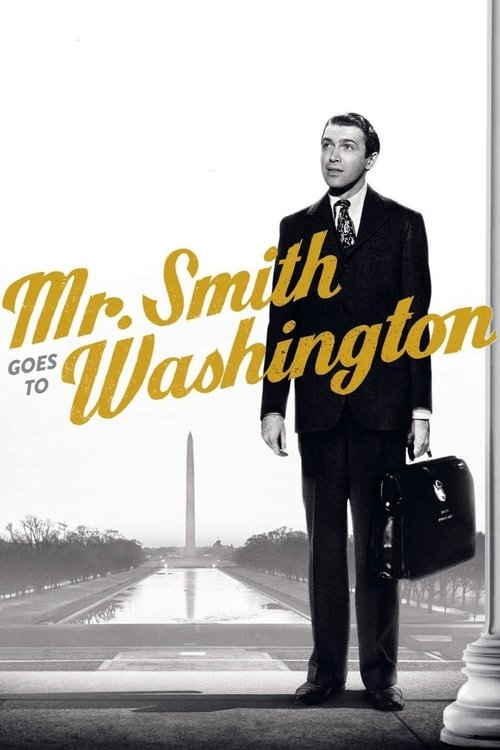
Mr. Smith Goes to Washington1939
The original naive-man-in-Washington story, decades before Chance wandered into the same corridors — earnest where Being There is deadpan, but built on the same faith in innocence as accidental virtue.
But Capra's sincerity is a world away from Kosinski's irony; if you wanted the joke, this plays it entirely straight.
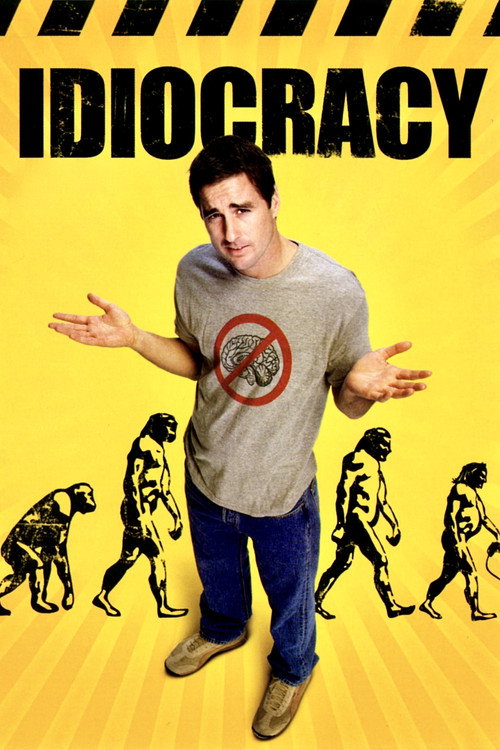
Idiocracy2006
A dumber, louder descendant of the same anxious idea — that media has hollowed out public life until simplicity starts looking like wisdom — pushed into broad, gleeful stupidity.
But Crude where Being There is elegant; the satire lands with a sledgehammer rather than the original's scalpel.
The Death of Stalin2017
Political power revealed as farce and performance, just like Chance's improbable rise, but with real historical teeth and a much darker body count sitting under the laughs.
But A frantic ensemble comedy rather than one still, mysterious man at the centre — a very different rhythm.
Rain Man1988
Another study of a man whose flat affect is constantly misread by everyone around him, though here the misreading is tenderness rather than misplaced political genius.
But It's a road movie about family, not a satire about power — the connection is mood more than subject.
Zelig1983
Woody Allen's mockumentary is about a man with no fixed self who becomes whoever the people around him need him to be — the same emptiness as Chance, filtered through pure formal invention.
A dazzling fake-documentary about a human chameleon who reflects back whatever any room wants of him — funnier, faster, and stranger in form than anything Being There attempts.
But It's as much a formal trick as a story, and its rapid vintage-newsreel style is a world away from Being There's stillness.

The Manchurian Candidate1962
Same premise stripped of comedy — a man used as a hollow vessel by people scheming for power — except here the emptiness is engineered and sinister rather than accidental and absurd.
If Being There's satire made you uneasy about how easily powerful men fill a blank man with their own ambitions, this paranoid thriller takes that unease and makes it lethal.
But Tense and menacing where Being There is wry and cool — nothing here is meant to make you smile.
People
Cast
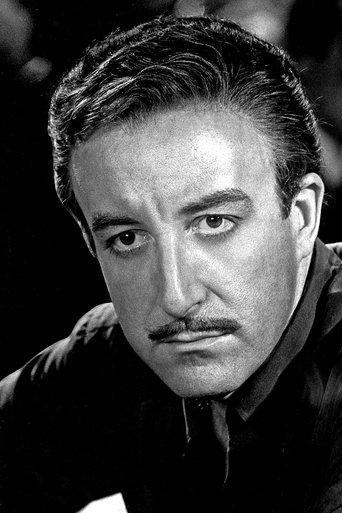 Peter SellersChance
 Shirley MacLaineEve Rand
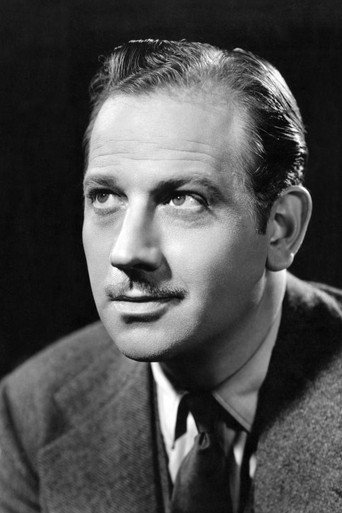 Melvyn DouglasBenjamin Rand
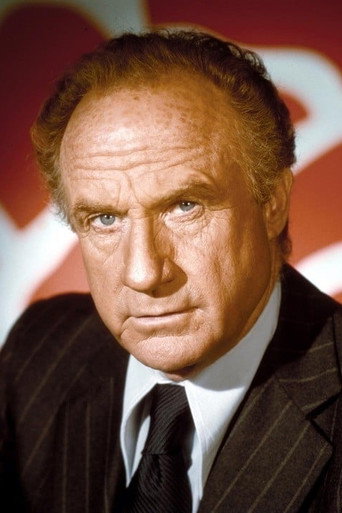 Jack WardenPresident 'Bobby'
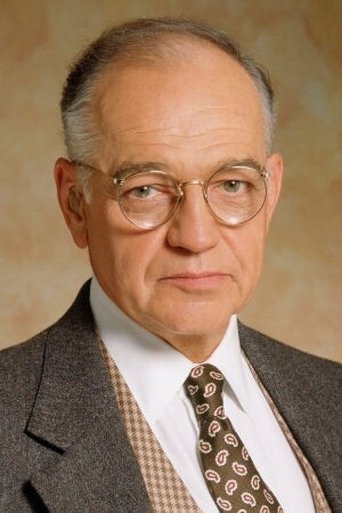 Richard DysartDr. Robert Allenby
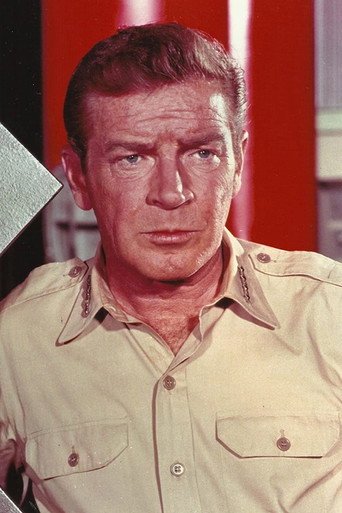 Richard BasehartVladimir Skrapinov
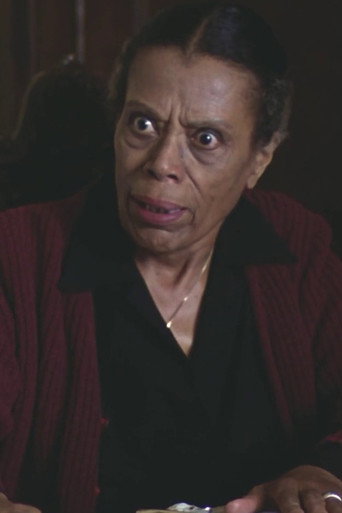 Ruth AttawayLouise
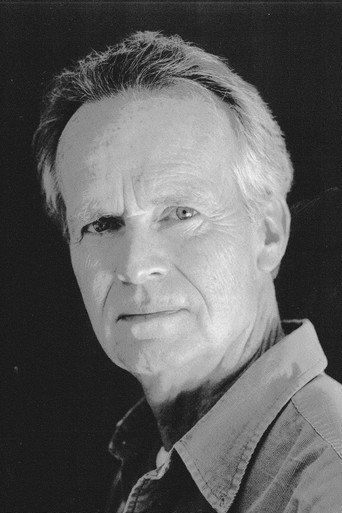 David ClennonThomas Franklin
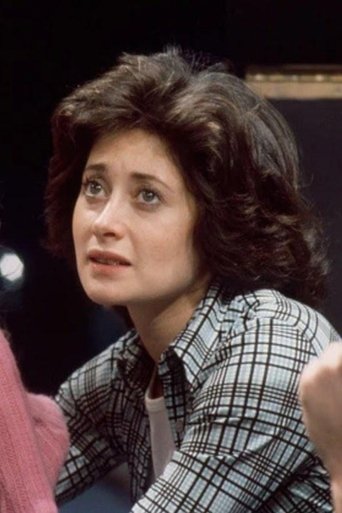 Fran BrillSally Hayes
- Denise DuBarryJohanna Franklin
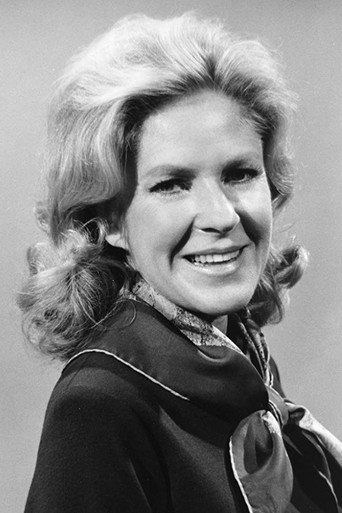 Alice HirsonFirst Lady
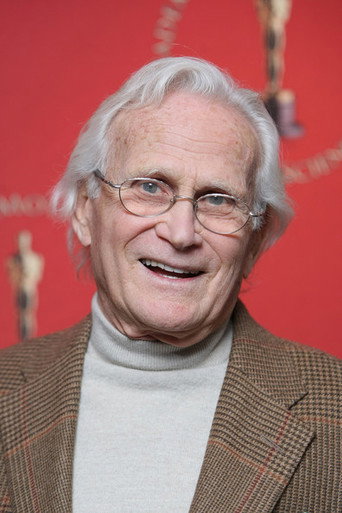 Jerome HellmanGary Burns
Directing
- Hal AshbyDirector
- David HamburgerFirst Assistant Director
- Toby LovalloSecond Assistant Director
Writing
- Jerzy KosińskiNovel
- Jerzy KosińskiScreenplay
Production
- Charles MulvehillAssociate Producer
- Lynn StalmasterCasting
- Jack SchwartzmanExecutive Producer
- Andrew BraunsbergProducer
- Charles MulvehillProducer
Recommended by
Forrest Gump, Harvey, Network, The Man Who Fell to Earth, Zelig, 3rd Rock from the Sun, The Hospital, Big, Sling Blade, The Loved One