
Film
Mr. Smith Goes to Washington
Frank Capra's fable about a boy scout leader turned senator who discovers Washington runs on favors, not principles. Jimmy Stewart's earnestness anchors a film that swings from screwball charm to real anger, ending in one of cinema's great feats of stamina — a filibuster fought on nothing but conviction. It's corny, it's manipulative, and it still works.
If you liked this
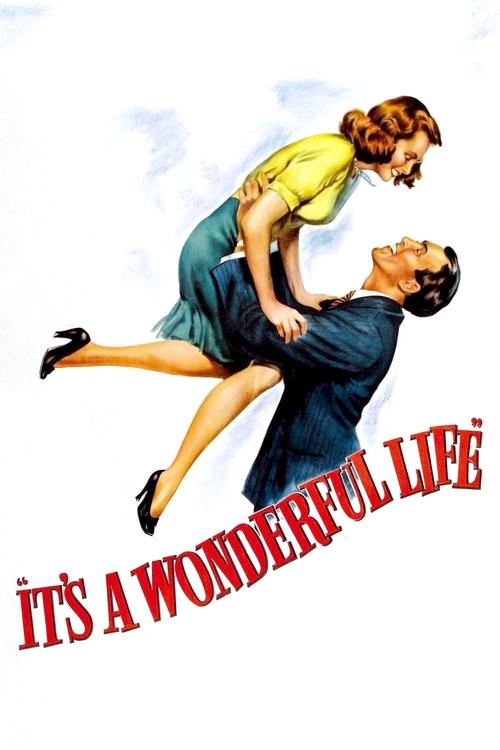
It's a Wonderful Life1946
Same director, same star, same conviction that one decent person can matter — but here despair gets equal screen time before hope wins out. Stewart's range across both films is the whole argument for casting him.
But It's been absorbed into Christmas wallpaper; the sentimentality can feel prepackaged if you've seen it announced as "beloved classic" one too many times.
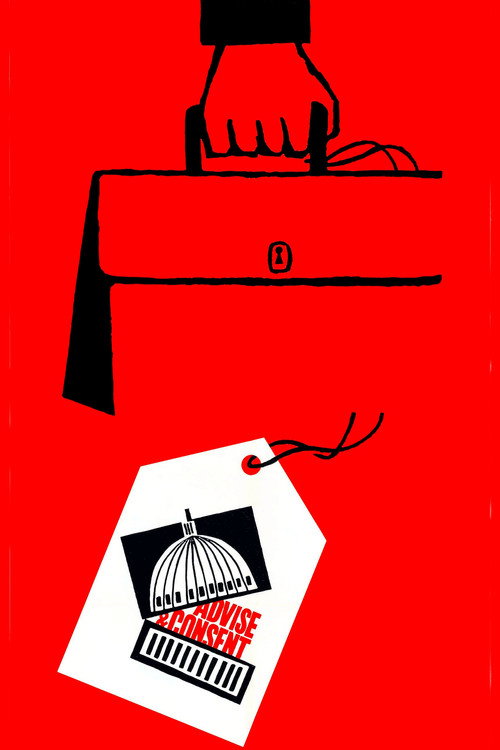
Advise & Consent1962
Drops the fairy tale and shows the Senate as an actual institution — deals, blackmail, real procedural weight. It's the grown-up sibling: same building, none of the innocence.
But Talky and dense, more interested in mechanics than heroics; nobody here gets a triumphant speech.
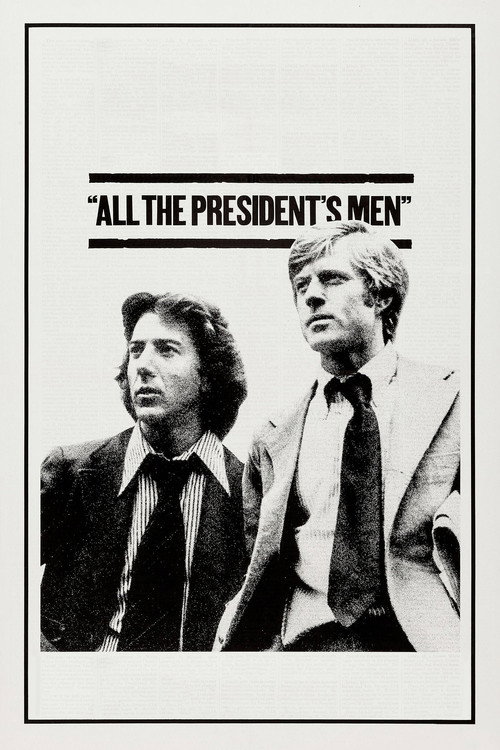
All the President's Men1976
Corruption exposed not by a lone crusader shouting on the floor but by two reporters making phone calls for two hours. Same faith that the system can still be shamed into working.
But Deliberately unglamorous — typewriters and payphones, not oratory. If you want catharsis, this withholds it.
The wildcard
Something you would not have found on your own.
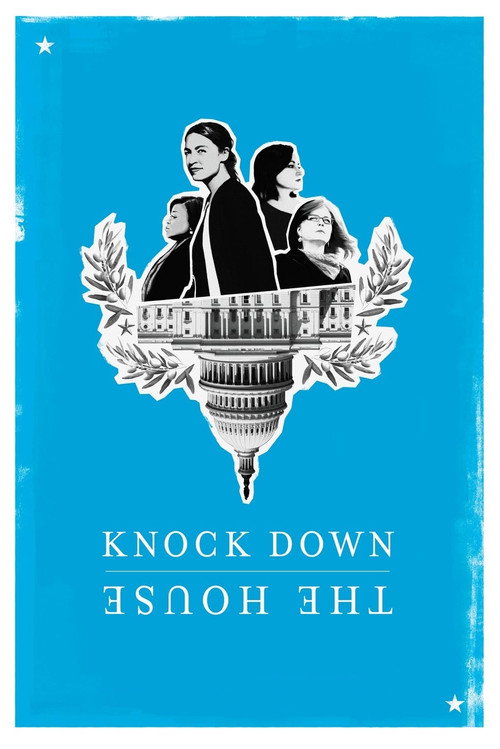
Knock Down the House2019
It's the Jefferson Smith myth playing out as actual, unscripted campaign footage — an ordinary outsider with no money running against a machine, decades after Capra invented the type.
Real people, real losses, real long-shot win — the film follows several first-time candidates, including a young bartender named Alexandria Ocasio-Cortez, taking on entrenched incumbents with nothing but conviction and volunteers.
But No script means no filibuster-sized catharsis; some of the campaigns lose, and the film has to sit with that instead of resolving it.
More like this (8)
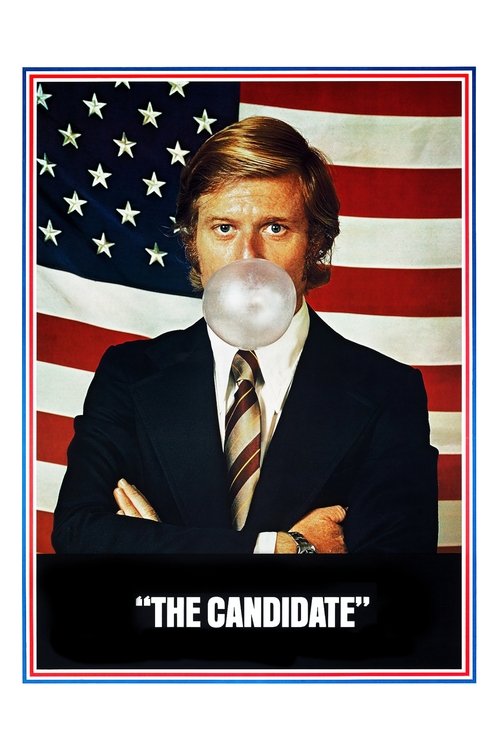
The Candidate1972
Robert Redford as the idealist who wins by becoming exactly what he ran against. It's the cynical answer to the question Smith never has to face: what happens after you win?
But Bleaker and quieter, ends on a note of dread rather than triumph — no filibuster, no vindication.
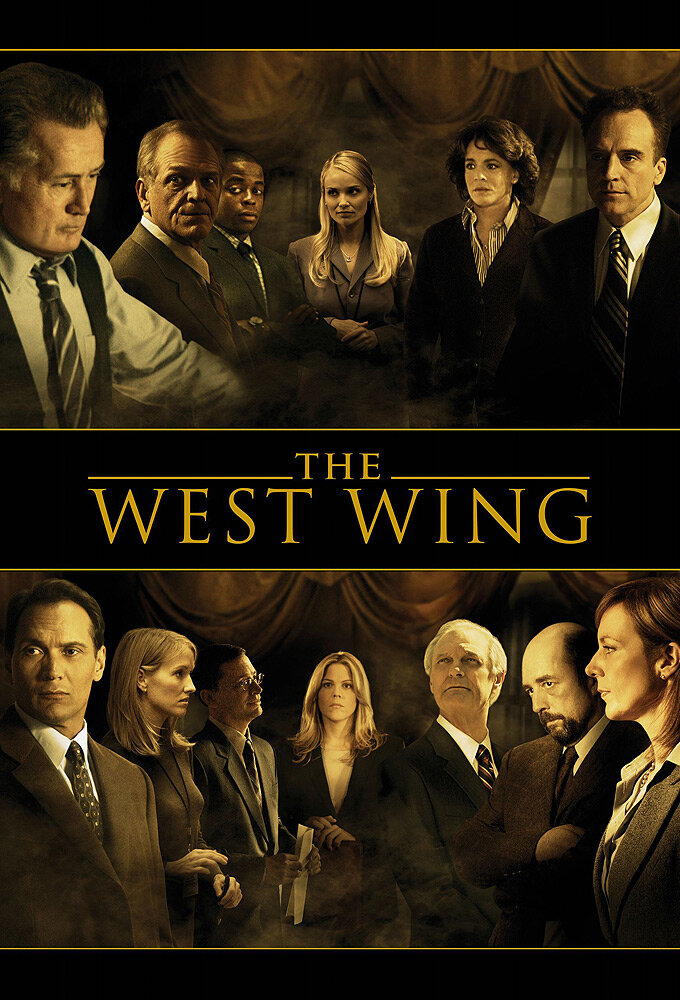
The West Wing1999
Takes Smith's faith in decent people doing government well and stretches it across seven seasons of walk-and-talks and big speeches. If you wanted more idealism, there's a lot more here.
But Sincerity turned up to maximum for years; the earnestness that charms in two hours can wear thin over seasons.
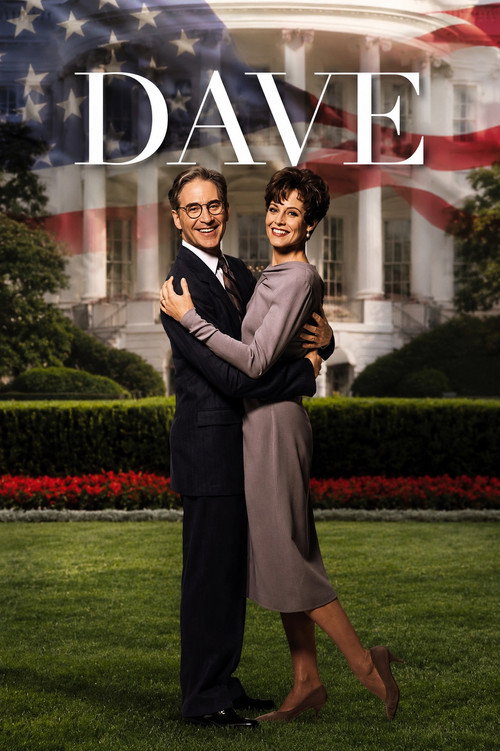
Dave1993
An ordinary decent man accidentally ends up running the country and tries to do right by it. Same warm comic engine as Smith, played entirely for laughs until it isn't.
But Slighter and safer, a comfort watch rather than anything that risks real anger at the system.
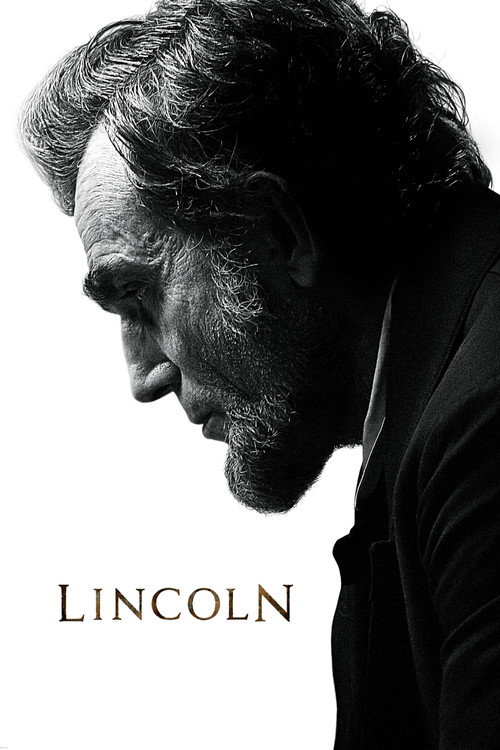
Lincoln2012
A principled man working the corrupt machinery of politics from the inside rather than shouting at it from the floor — vote by vote, deal by deal, for a cause worth the compromise.
But Heavier and more procedural, built from committee-room negotiation rather than any single galvanizing stand.
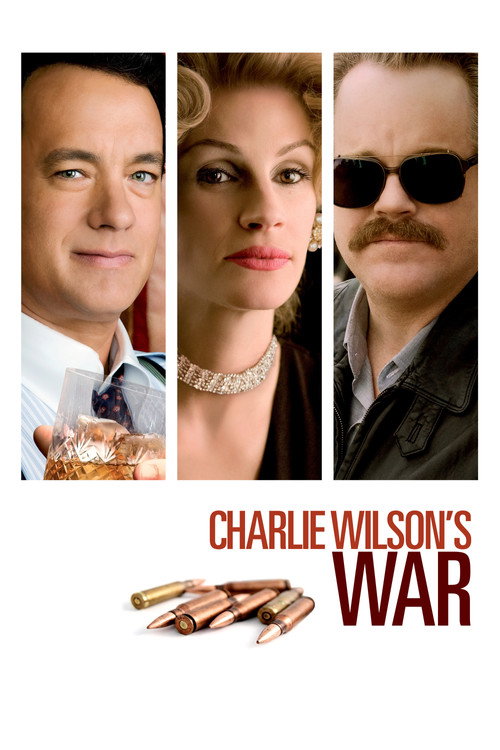
Charlie Wilson's War2007
Politics as charm offensive rather than moral crusade — a congressman gets things done through favors and seduction, not speeches. The gleeful opposite approach to getting anything passed.
But Much more cynical and self-satisfied about how power actually works; the "principled outsider" is barely in the room.
The Great McGinty1940no page yet
Preston Sturges' own take on machine politics from the same era Smith stood on the Senate floor, following a corrupt man instead of a clean one. Same rot, opposite hero.
But Drier and more sardonic, with none of Capra's sentimentality or catharsis — a punchline instead of a stand.
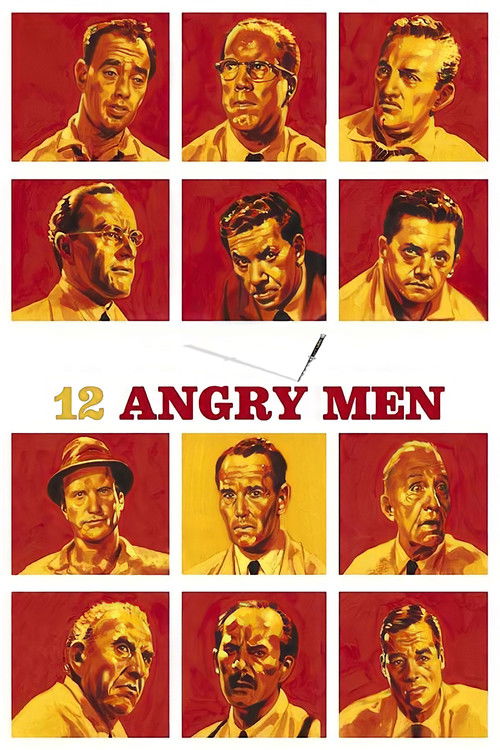
12 Angry Men1957
Same structural engine as the filibuster — one person, alone in a room, using nothing but stubborn conviction to turn everyone else's mind. Different building, same act of endurance.
A single juror holds out against eleven others convinced of a guilty verdict, and the whole film is the slow, sweaty process of talking them down one by one.
But No politics, no romance, no scenery — just one room, one table, and eighty-five minutes of argument. Some viewers find it airless.
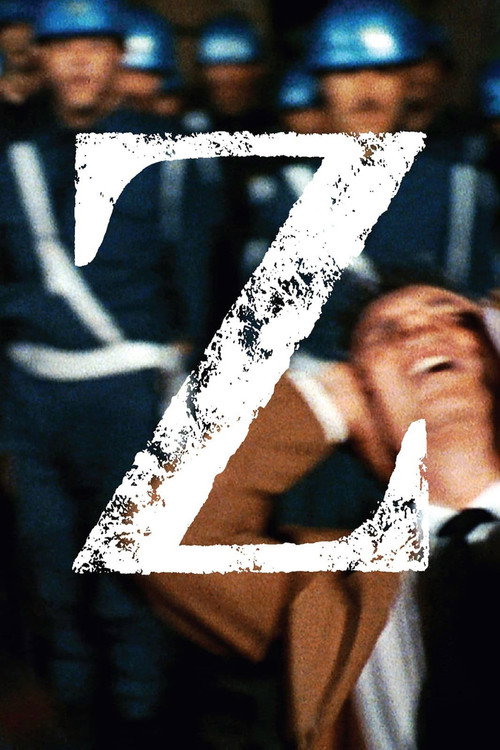
Z1969
Take Smith's corrupt machine and remove the possibility that decency wins — Costa-Gavras' fictionalized Greek political murder shows the same institutional rot without any of Capra's mercy.
A political assassination gets investigated by a magistrate who keeps finding the conspiracy running higher than anyone wants, shot with real anger and propulsive, thriller-like urgency.
But Genuinely bleak and rooted in real state violence — there's no folksy warmth here, and the ending offers no comfort.
People
Cast
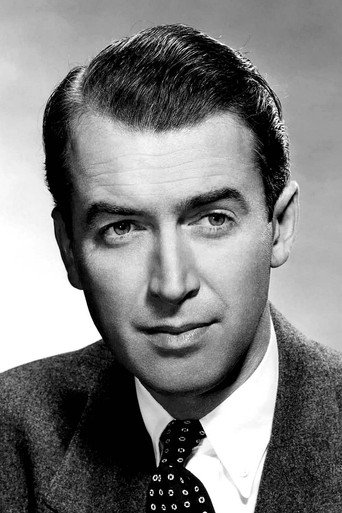 James StewartJefferson Smith
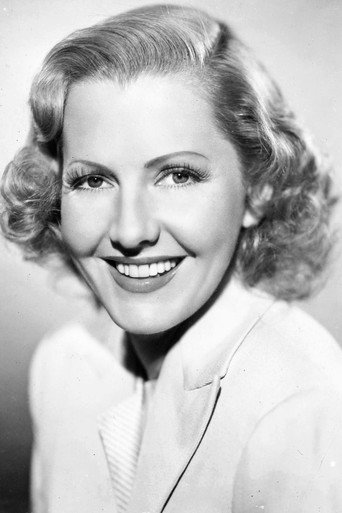 Jean ArthurClarissa Saunders
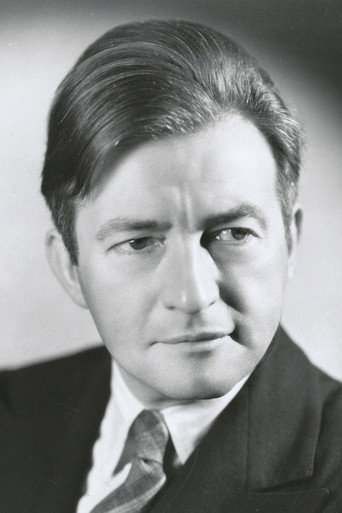 Claude RainsJoseph Paine
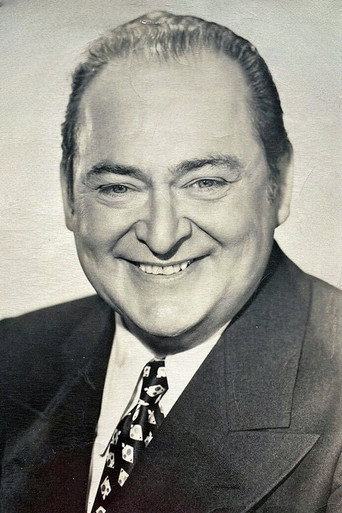 Edward ArnoldJim Taylor
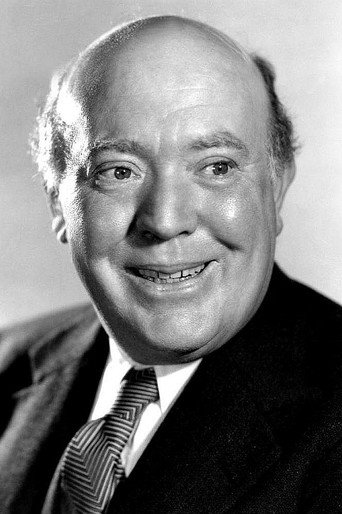 Guy KibbeeGovernor Hopper
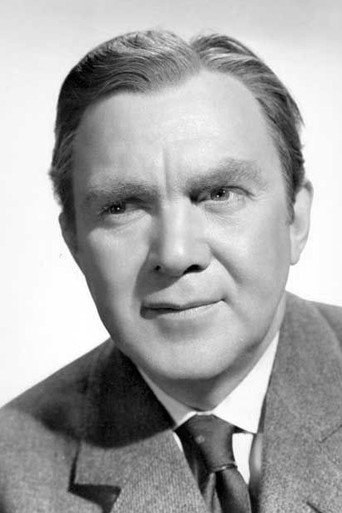 Thomas MitchellDiz Moore
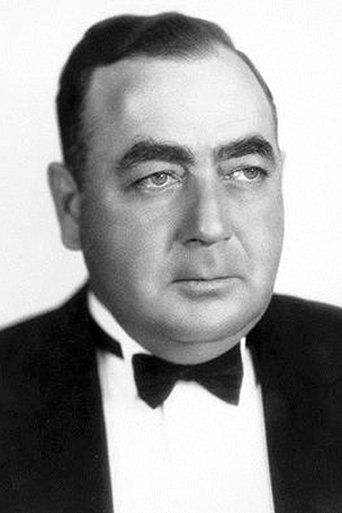 Eugene PalletteChick McGann
 Beulah BondiMa Smith
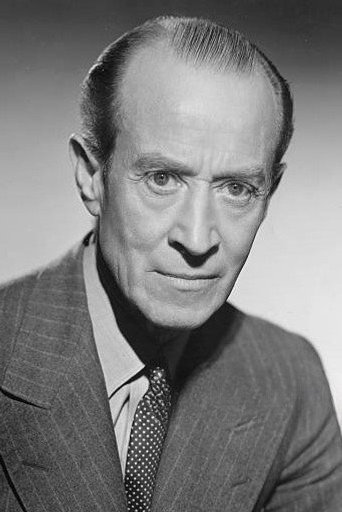 H.B. WarnerSenate Majority Leader
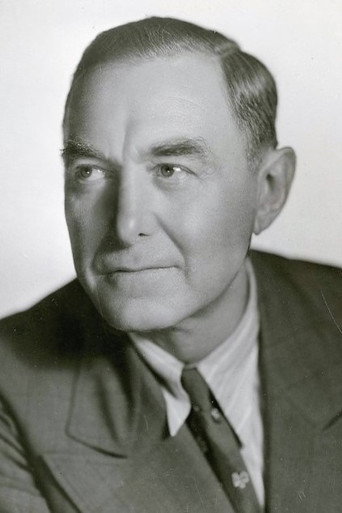 Harry CareyPresident of the Senate
 Astrid AllwynSusan Paine
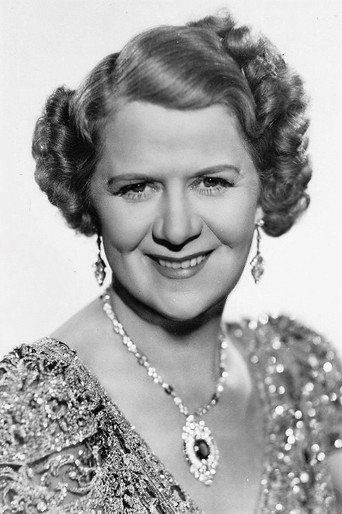 Ruth DonnellyEmma Hopper
Directing
- Arthur S. Black Jr.Assistant Director
- Frank CapraDirector
Writing
- Sidney BuchmanScreenplay
- Lewis R. FosterStory
Recommended by
It's a Wonderful Life, The West Wing, Advise & Consent, Dave, You Can't Take It with You, Meet John Doe, Being There