
Film
Young Mr. Lincoln
John Ford's 1939 portrait of young Lincoln before the presidency, tracing his path from rural poverty through his first legal victories in Illinois. It's intimate rather than sweeping—focused on character, moral choice, and the small cases that forge a conscience. Ford's direction is unhurried and deeply felt. For anyone drawn to how ordinary people become consequential ones.
If you liked this
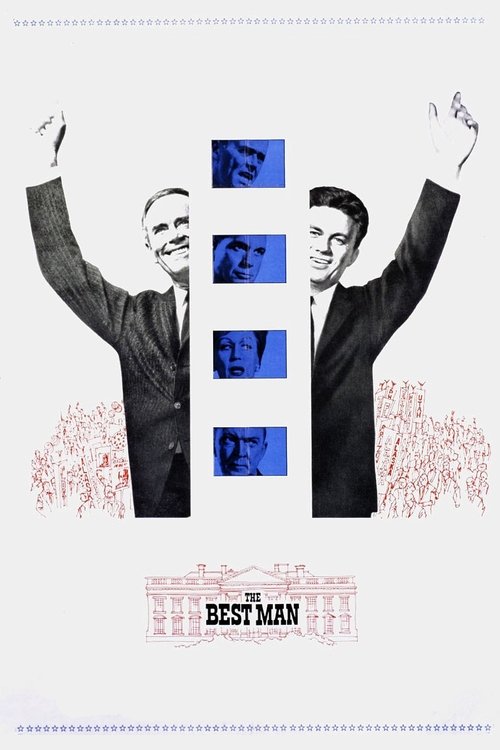
The Best Man1964
Gore Vidal's razor-sharp political drama about ambition, idealism, and the gap between public image and private character. Henry Fonda's Lincoln shows similar preoccupations with integrity tested by circumstance.
But It's a talk-heavy procedural set almost entirely in hotel rooms and convention halls. If you need action or spectacle, you'll find neither.
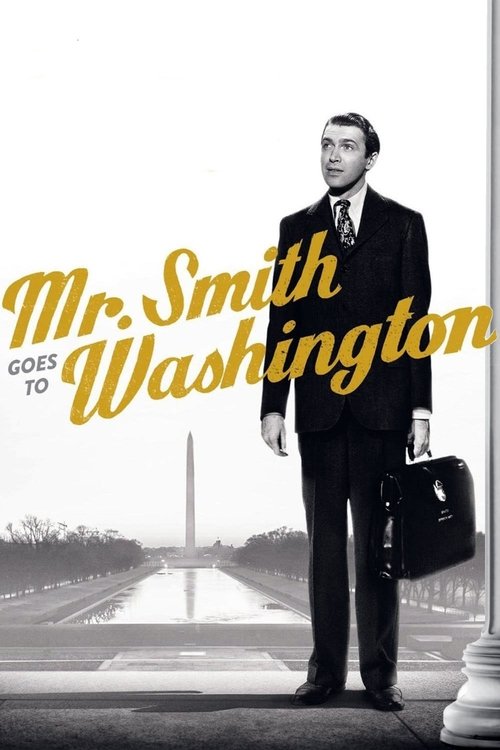
Mr. Smith Goes to Washington1939
Capra and Stewart's portrait of an ordinary man entering an institution designed to crush him, armed only with principle and stubbornness. Exactly the same moral trajectory as Young Mr. Lincoln, same year, same faith in character.
But The sentimentality is thick and unapologetic. It can feel naive to modern eyes, though that's partly the point.
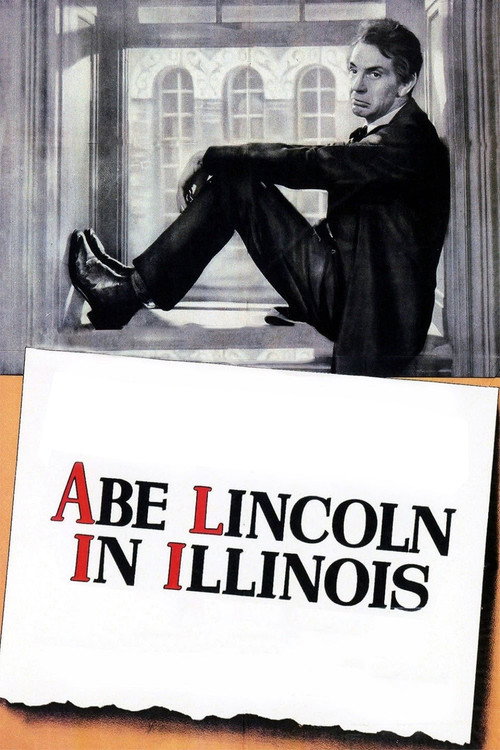
Abe Lincoln in Illinois1940
Raymond Massey's Lincoln is more introspective, more tortured. This covers similar territory—his rise, his loves, his wrestling with destiny—but with darker undertones. A natural companion piece.
But It's longer and slower, less dramatically shaped. Ford's film has clearer narrative momentum; this one meanders by design.
Not sure tonight? Get a pick in a minute, starting from Young Mr. Lincoln
The wildcard
Something you would not have found on your own.
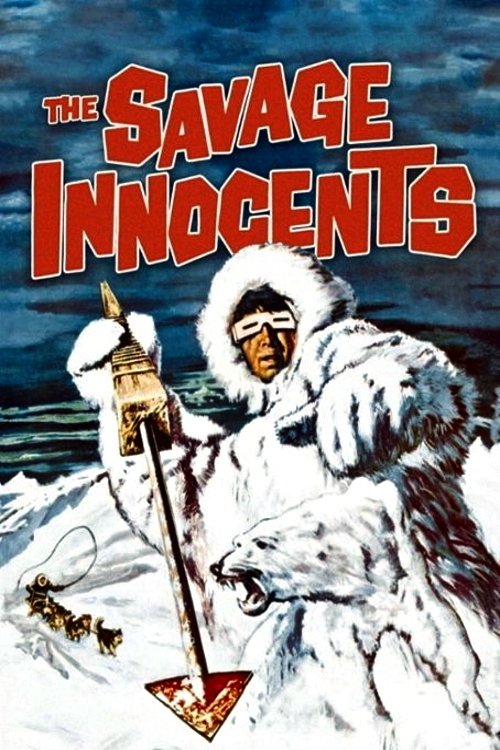
The Savage Innocents1960
Both films use isolated communities and a single protagonist's encounter with law and justice to ask what civilization means, and whether it always improves things.
Anthony Quinn as an Inuit in the Arctic, navigating the collision between two moral systems—his own and the white man's law. It's a frontier story like Lincoln's Illinois, but inverted: the outsider trying to understand civilization's rules.
But It's a European production trying to represent Inuit life, and it shows—the perspective is compromised, the Inuit are often simplified. The pacing is glacial, sometimes literally.
More like this (8)
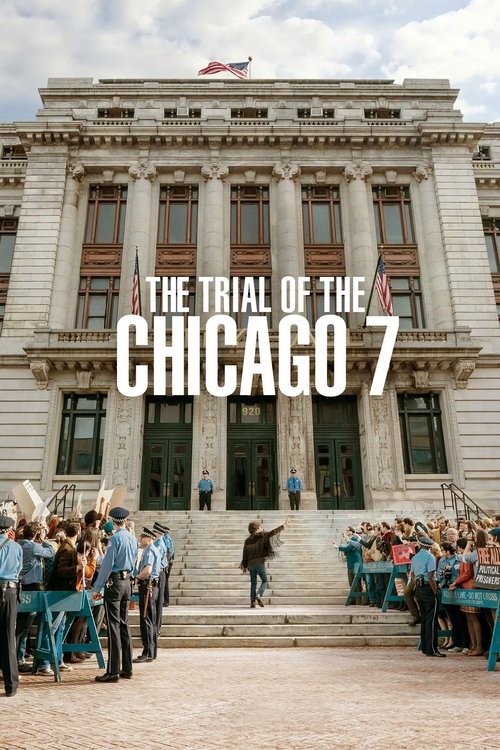
The Trial of the Chicago 72020
Aaron Sorkin's courtroom drama about principle, justice, and the men who will not bend. The trial sequences in Young Mr. Lincoln find their spiritual heir here—compressed, urgent, morally unambiguous.
But The writing is so clever it can feel like watching someone show off. The politics are obvious. Some will find it slick rather than sincere.
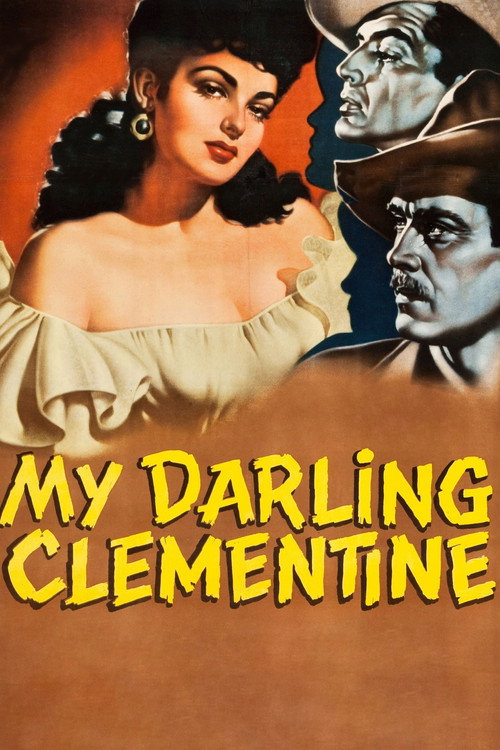
My Darling Clementine1946
Ford again, on law and civilization at the frontier. Fonda returns, and the director explores similar themes: how decent men impose order, how character matters more than rules.
But It's a Western, which means slower pacing and longer stretches of mood over plot. The romance is barely sketched in.
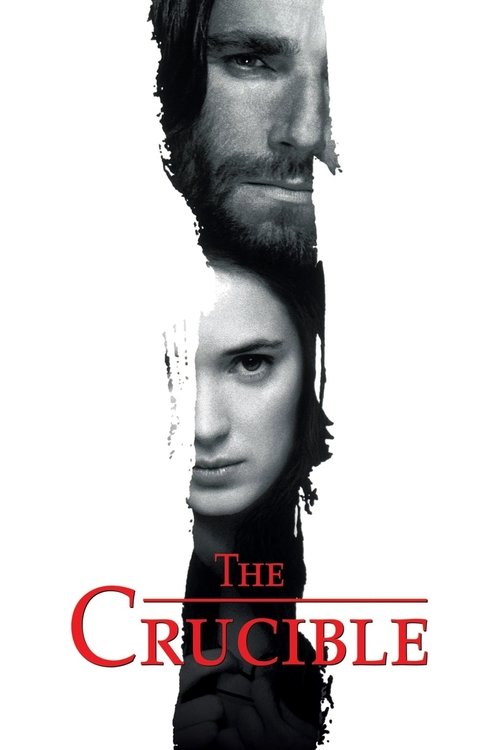
The Crucible1996
Arthur Miller's play about the Salem witch trials, adapted for film. Like Young Mr. Lincoln, it's really about conscience under pressure—the cost of speaking truth when silence would be safer.
But It's allegory, which can feel heavy-handed. The historical setting is a thin disguise for McCarthyism, and some viewers find that distracting rather than deepening.
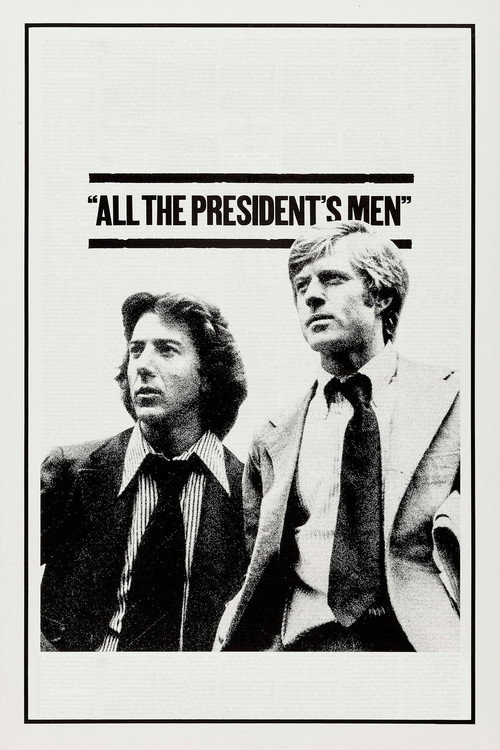
All the President's Men1976
Pakula's procedural about two reporters uncovering truth against institutional resistance. The DNA is different but the conviction is the same: ordinary people, in their field, changing history through dogged integrity.
But It's pre-smartphone journalism—lots of phone calls and document review. If you need dramatic tension, it's largely internal.
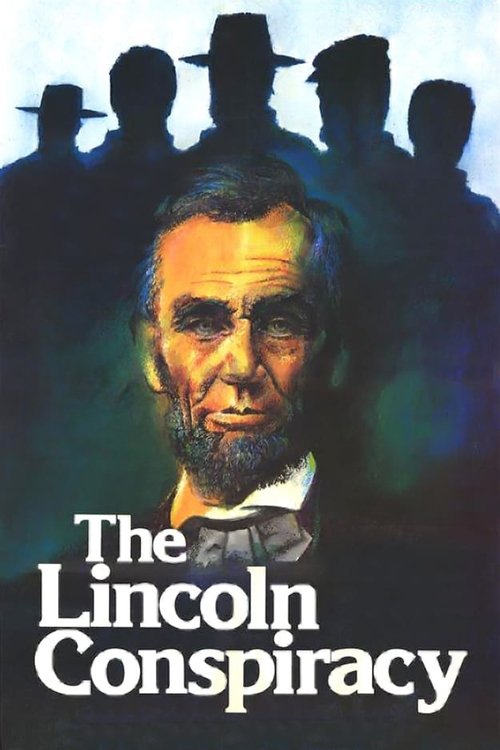
The Lincoln Conspiracy1977
A counter-history that reconsiders Lincoln's assassination through the lens of conspiracy. It's a completely different Lincoln than Ford's, but it uses similar period detail and asks similar questions about power and principle.
But The historical claims are dubious at best. Most scholars dismiss its premises. Watching it requires suspension of not just disbelief but basic skepticism.
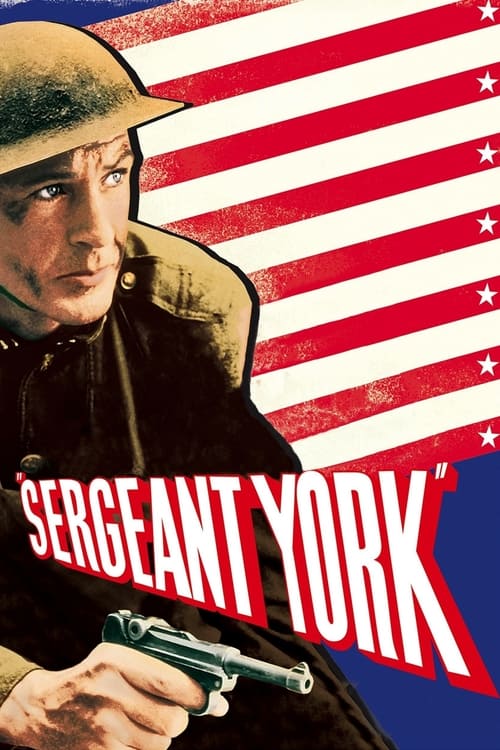
Sergeant York1941
Gary Cooper in another Ford-adjacent character study: an ordinary man thrust into extraordinary circumstance, learning his own capacity for leadership. Same DNA as Young Mr. Lincoln, wartime context, less political bite.
But It's a war film masquerading as a character study. If you came for introspection, the combat sequences will derail you.
Contempt1963
Both films are preoccupied with men trying to act according to conscience within systems designed to punish them for it. Ford shoots it as humanism; Godard shoots it as tragedy.
Godard's film-within-a-film about artistic integrity and moral compromise. Brigitte Bardot, Michel Piccoli, and the director's brilliant formal restlessness. It's about principles tested—not in a courtroom, but in the machinery of art.
But It's deliberately artificial and fractured, sometimes beautiful and sometimes impenetrable. The narrative is fractured. If you want coherence, look elsewhere.

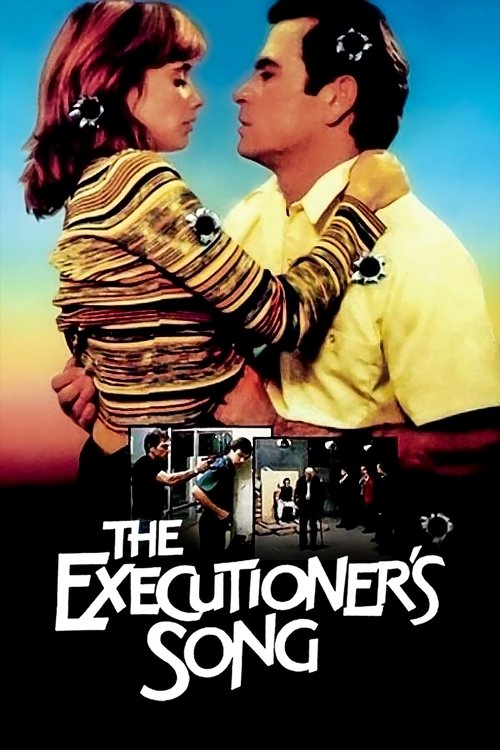
The Executioner's Song1982
Both are American stories about the law and how ordinary men are shaped by it, but where Lincoln believes in the law's capacity for good, Gilmore suggests the law can only kill. It's Young Mr. Lincoln from the other side of history.
Norman Mailer's adaptation of his own book about Gary Gilmore, the man who demanded his own execution. It's a frontier story too—America, justice, and a man's right to choose his own ending. Tommy Lee Jones is extraordinary.
But It's bleak and austere, almost deliberately graceless. There's no Lincoln here—just a void. Some will find it nihilistic, others necessary.
People
Cast
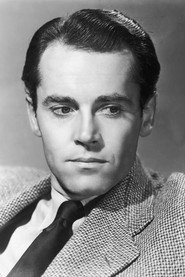 Henry FondaAbraham Lincoln
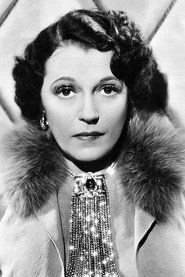 Alice BradyAbigail Clay
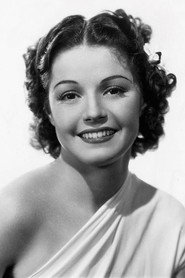 Marjorie WeaverMary Todd
 Arleen WhelanSarah Clay
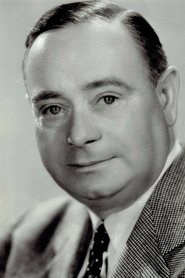 Eddie CollinsEfe Turner
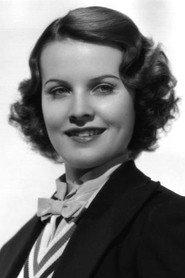 Pauline MooreAnn Rutledge
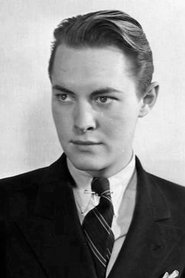 Richard CromwellMatt Clay
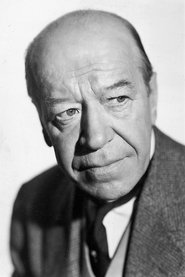 Donald MeekProsecutor John Felder
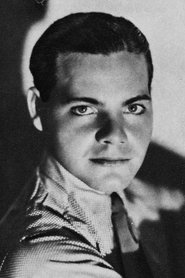 Eddie QuillanAdam Clay
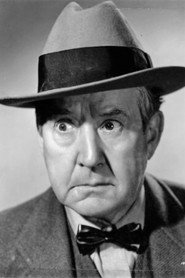 Spencer ChartersJudge Herbert A. Bell
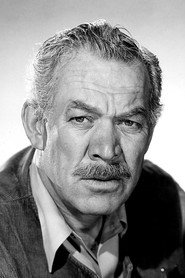 Ward BondJohn Palmer Cass
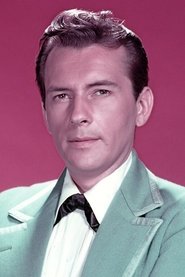 Jack KellyMatt Clay as a Boy (uncredited)
Directing
- John FordDirector
Writing
- Lamar TrottiStory
- Lamar TrottiWriter
Production
- Kenneth MacgowanAssociate Producer
- Darryl F. ZanuckProducer
- Kenneth MacgowanProducer