
Film
The Lincoln Conspiracy
A 1977 speculative thriller imagining John Wilkes Booth's escape to Canada rather than his historical capture and death. It's a paranoid political thriller dressed as alternate history, built on real names and documents but committed entirely to its what-if premise. Absorbing if you're drawn to conspiracy narratives and the murky space where history meets fiction.
If you liked this
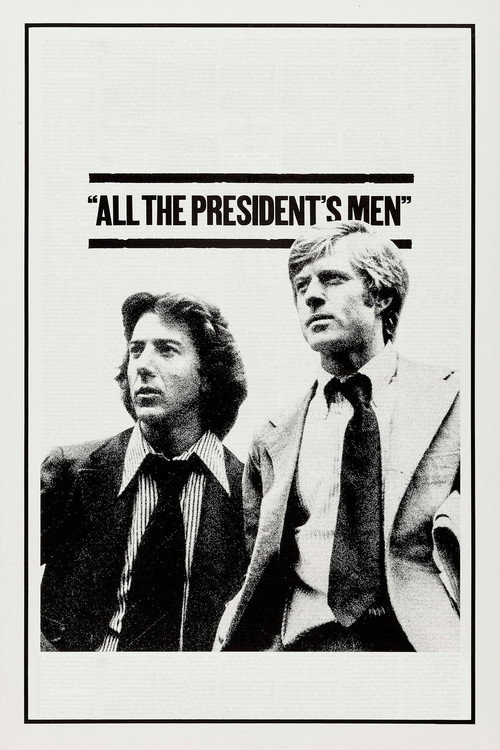
All the President's Men1976
Two journalists uncover institutional corruption from the ground up in real time. Methodical, tense, and genuinely suspenseful despite the outcome being known. A masterclass in building dread from bureaucracy.
But The pacing is deliberate and conversational rather than propulsive. If you need car chases and shouting matches, this moves too quietly.
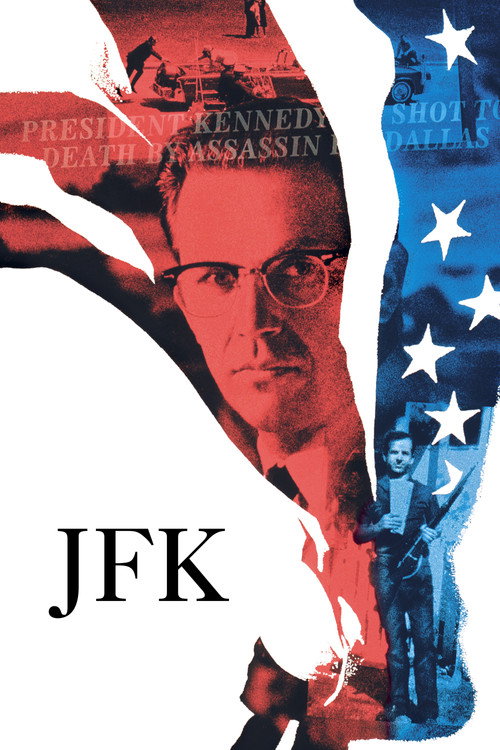
JFK1991
Stone takes the Kennedy assassination as raw material for a three-hour fever dream of competing theories and shadowy institutions. It's visually audacious, structurally wild, and absolutely convinced of its own importance.
But The conspiracy ultimately doesn't add up to anything provable, and the film knows it. If you need certainty or a tidy resolution, this revels in ambiguity and speculation.
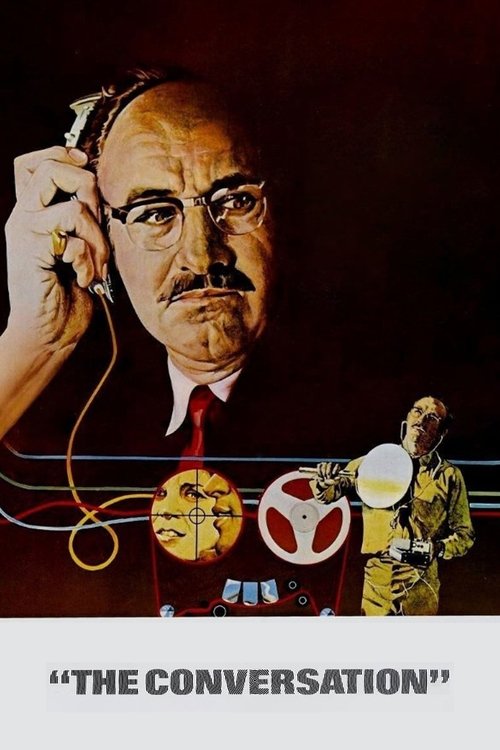
The Conversation1974
Coppola's paranoid masterpiece about a surveillance expert drowning in his own work. Claustrophobic, meticulously crafted, and genuinely uneasy. It captures the paranoia of the 1970s better than almost anything else.
But It's cerebral and slow, with long stretches of technical talk and silent observation. The payoff is devastating but not conventionally dramatic.
Not sure tonight? Get a pick in a minute, starting from The Lincoln Conspiracy
The wildcard
Something you would not have found on your own.
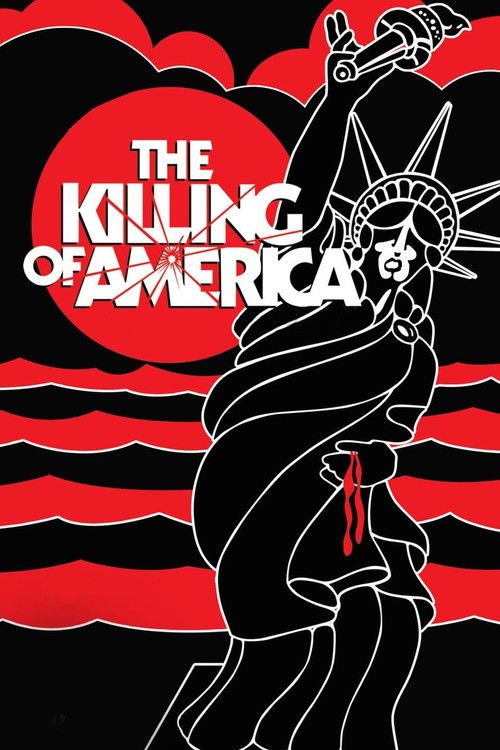
The Killing of America1981
Both deal with American assassination through the lens of available evidence and interpretation. The Conspiracy imagines what *might* have happened; this documents what *did*. Both ask how we know what we know about historical violence.
A documentary compiled from newsreel footage, crime scenes, and archival material about American violence and assassination. It's raw, shocking, and makes no argument—just shows what actually happened. The texture is completely different from a dramatized conspiracy.
But It's graphic footage of real murder scenes and real suffering. The film has no narrative arc and no mercy; it exists to confront you with images you probably don't want to see.
More like this (8)
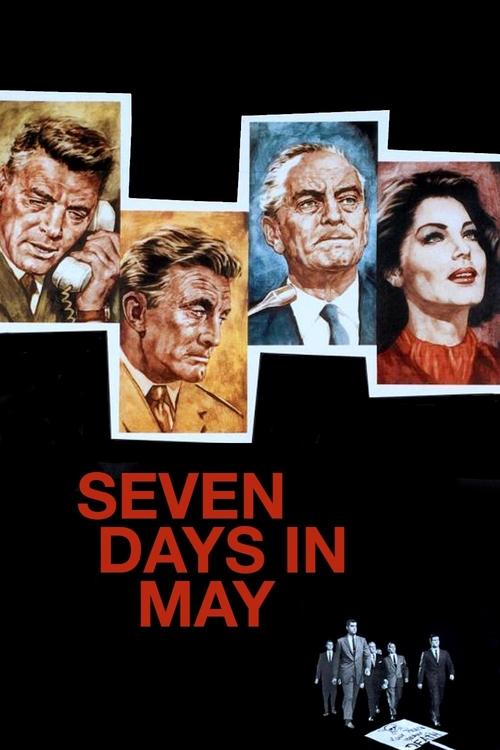
Seven Days in May1964
A military coup plot unfolds in Washington with Sturges directing and a cast of stone-faced icons. It's taut Cold War paranoia that treats institutional betrayal as an intellectual puzzle.
But The film is very much a product of its moment, with dated dialogue and a stiffness that reads as quaint now. It moves deliberately, sometimes to the point of tedium.
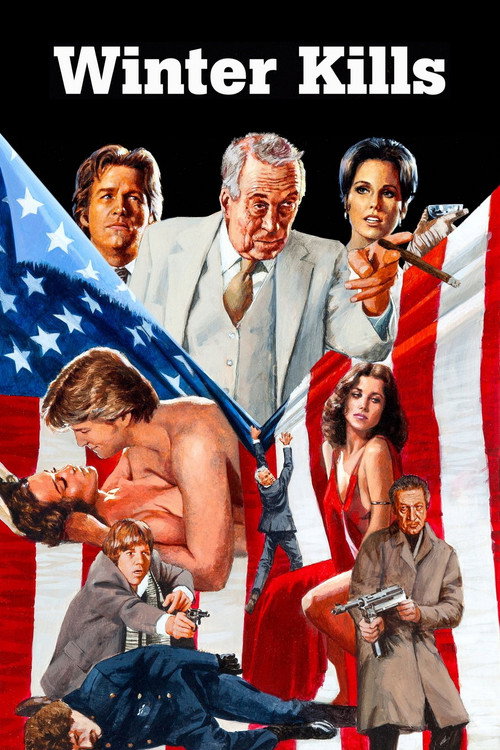
Winter Kills1979
A rock-bottom budget thriller about a man investigating his brother's assassination gets increasingly baroque and absurd. It's trashy and weird and somehow more interested in style than sense.
But The narrative falls apart by design. If you're looking for a coherent plot or a satisfying answer, you're watching the wrong film.
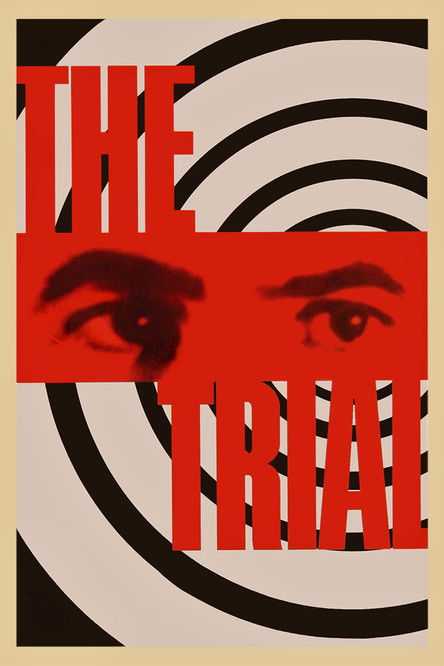
The Trial1962
Welles adapts Kafka in black and white, building a nightmarish bureaucracy out of shadows and angles. It captures paranoia and institutional powerlessness as a visual and emotional reality, not just a plot.
But It's deliberately obscure and fragmented, more interested in mood than clarity. The story (such as it is) won't satisfy anyone looking for conventional narrative logic.
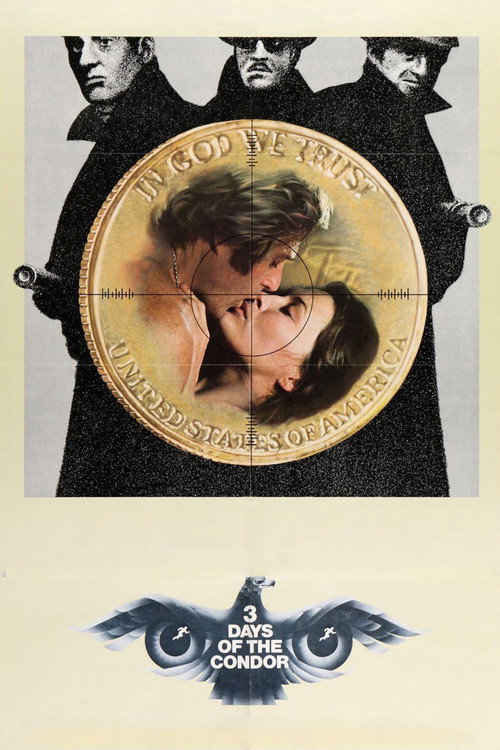
Three Days of the Condor1975
Pollack delivers a thinking person's thriller about a CIA analyst on the run from his own agency. It's paranoid without being melodramatic, and Robert Redford's everyman panic sells the whole thing.
But The seventies intelligence world it depicts feels distant now, and the resolution is ambiguous in ways that can feel unsatisfying rather than sophisticated.
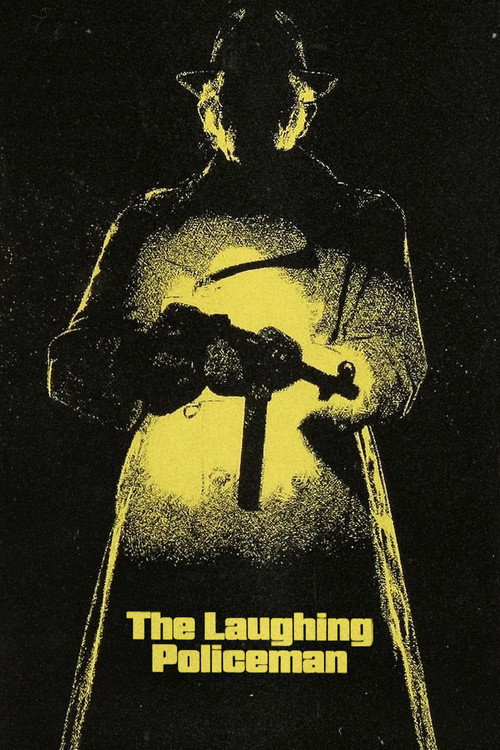
The Laughing Policeman1973
A serial killer investigation set against San Francisco in decay. It's grimy and procedural, with Walter Matthau doing unglamorous detective work and the city feeling genuinely seedy.
But The plot meanders, and the killer's motivations are never satisfyingly explored. By the end you may feel like you've watched a very competent police procedural with no particular point.
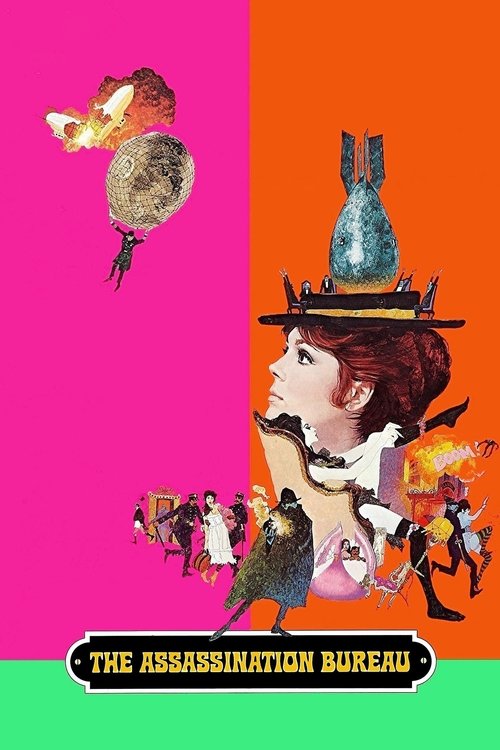
The Assassination Bureau1969
A pulp premise played relatively straight: a secret society of assassins exists, and someone must stop them. It's got period detail, a game cast, and a genuine sense of fun about its sinister subject matter.
But The tone is uncertain—it can't decide if it's serious thriller or comic romp—and the execution is uneven. It's very much a curiosity piece.
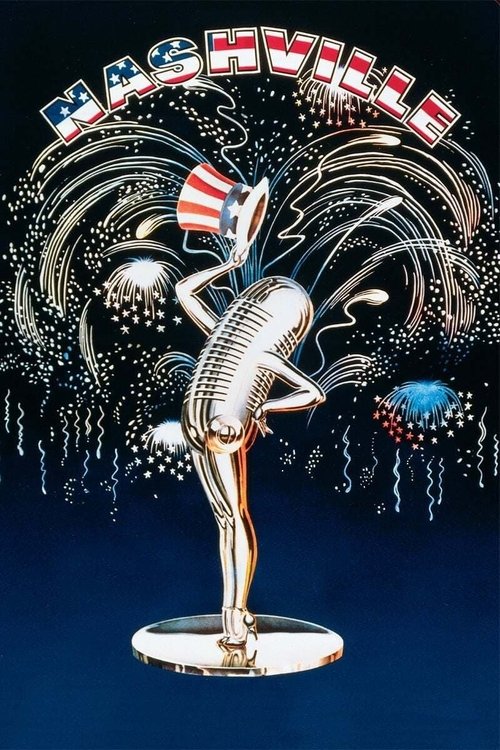
Nashville1975
Both are 1970s films obsessed with American institutions and what hides beneath them. Nashville suggests that violence is woven into American culture itself, while The Conspiracy focuses on how historical truth gets buried. Both are paranoid in different registers.
Altman's three-hour tapestry of country music, American myths, and random violence in Tennessee. It's formally radical—overlapping dialogue, dozens of characters, no conventional plot—but it's also warm and funny and genuinely interested in how Americans construct their identities.
But The structure is deliberately chaotic. If you need a clear narrative spine and characters who develop across a linear arc, this will feel like noise for the first hour.
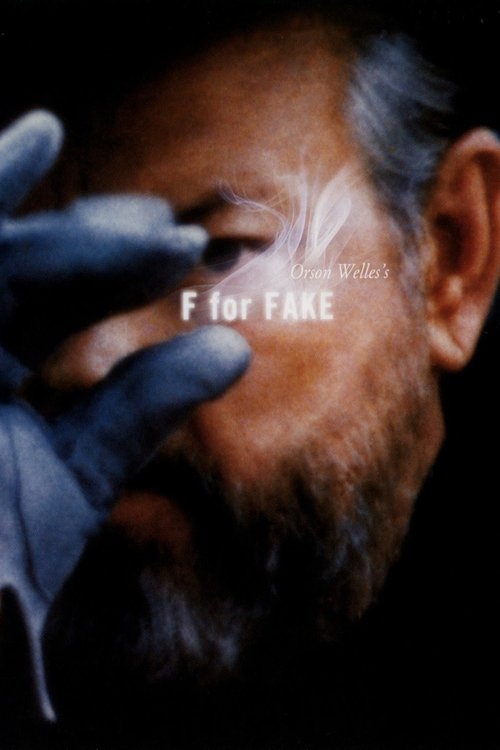
F for Fake1973
Both are about how history gets made and who gets to decide what's true. F for Fake playfully suggests that the line between forgery and authenticity is thinner than we think; The Conspiracy takes that seriously, asking whether evidence and narrative can ever be untangled. One's a magic trick; the other's a conspiracy thriller that mimics the real thing.
Welles' essay on forgery, authentication, and the nature of truth itself. He intercuts a documentary about an art forger with his own filmmaking, making you aware that you're watching a constructed reality. It's playful, brilliant, and absolutely slippery.
But It has no plot in any conventional sense. Welles is more interested in making you question everything than in answering questions. Some viewers find it pretentious rather than profound.
People
Cast
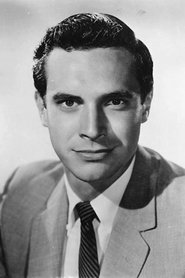 Bradford DillmanJohn Wilkes Booth
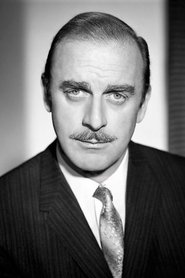 John DehnerCol. Lafayette C. Baker
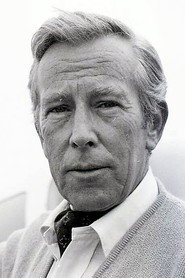 Whit BissellSen. John Conness
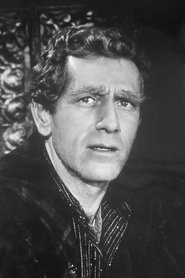 John AndersonAbraham Lincoln
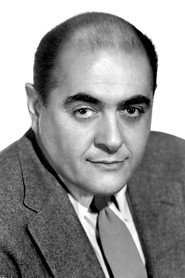 Robert MiddletonEdwin M. Stanton
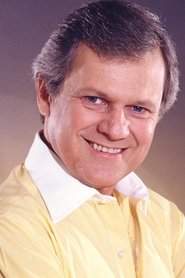 Ken KerchevalJohn Surratt
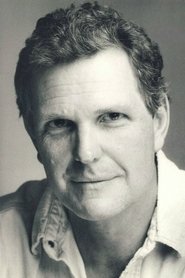 Christopher AllportMichael O'Laughlin
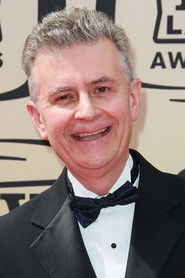 Fred GrandyDavid Herold
- James GreenCapt. James William Boyd
- Brad CrandallNarrator
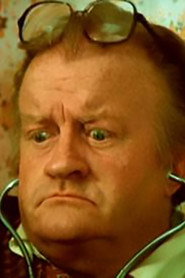 Larry QuackenbushHarry Ford
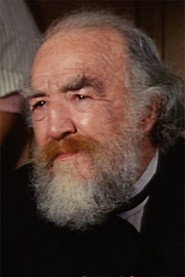 E.J. AndréRep. Thaddeus Stevens
Directing
- James L. ConwayDirector
Writing
- Charles E. Sellier Jr.Book
- David BalsigerBook
- Jonathan CobblerWriter
Production
- Samantha MansourCasting
- Raylan D. JensenExecutive Producer
- Charles E. Sellier Jr.Producer