
Film
The Killing of America
- Crime
- Very dark
A 1981 documentary assembling archival footage and interviews to argue that America is experiencing epidemic violence. It moves across mass murders, serial killers, and urban decay with clinical detachment, letting the evidence speak. Disturbing and stylistically unusual, it's for viewers who want to understand how violence was perceived and presented at a specific cultural moment.
If you liked this
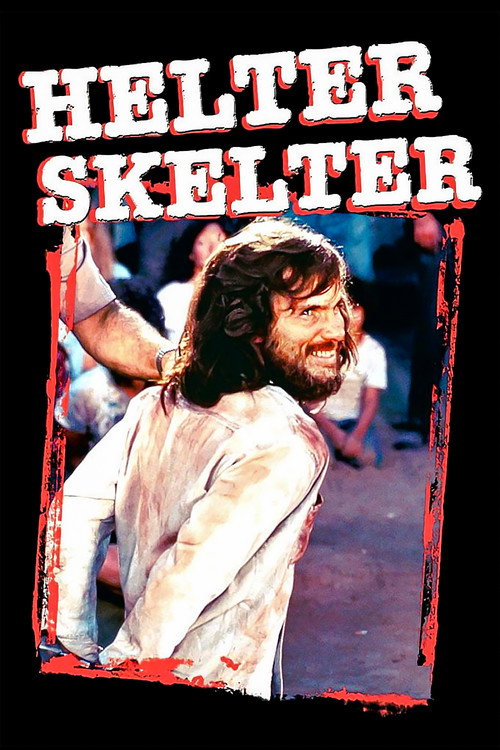
Helter Skelter1976
This adaptation of Vincent Bugliosi's true-crime book about the Manson murders combines meticulous investigation with a chilling portrait of charismatic evil. It shares The Killing of America's interest in how killer psychology intersects with cultural chaos.
But Feels like a 1970s TV movie—the pacing is stately and the production values modest by today's standards. It demands patience before the full picture emerges.
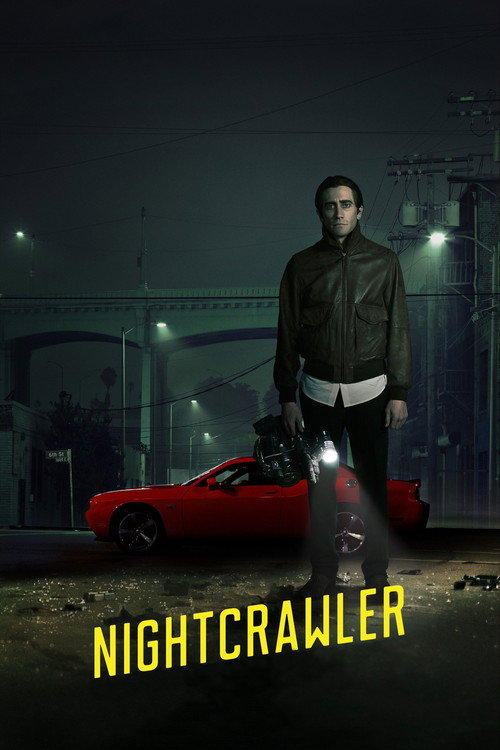
Nightcrawler2014
A thriller about a freelance videographer who films crimes and disasters for news outlets, exploring how media profits from violence and tragedy. It captures the same unsettling relationship between documentation and spectacle that Killing of America examines.
But Jake Gyllenhaal's character is deliberately repugnant and the film offers no comfort or redemption. The cynicism can feel relentless and exhausting.
The Act of Killing2012
A documentary where Indonesian death-squad leaders reenact their own atrocities. It's a radical examination of how perpetrators construct their own narratives and justify violence—a philosophical complement to Killing of America's evidence-based approach.
But The ethical implications of letting killers perform their crimes are genuinely troubling. Some find it manipulative, and the runtime (nearly three hours) tests patience.

Not sure tonight? Get a pick in a minute, starting from The Killing of America
The wildcard
Something you would not have found on your own.
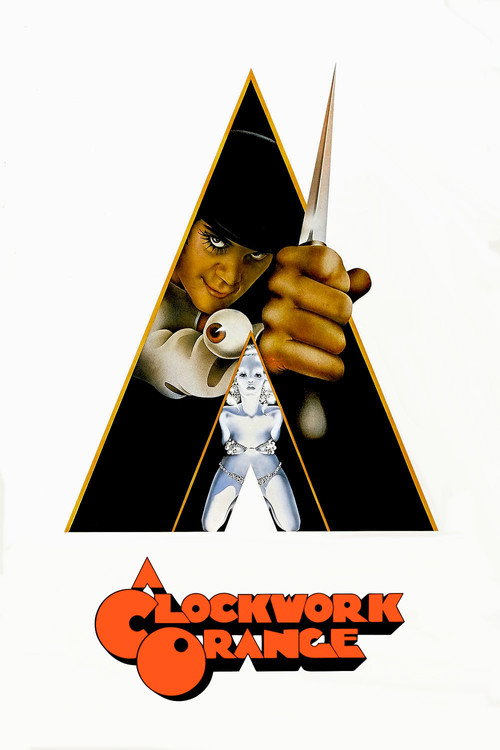
A Clockwork Orange1971
Both use the raw imagery of violence as the primary text, and both ask whether showing horror unflinchingly is documentary honesty or pornography. They're separated by register—Kubrick's is baroque and theatrical, Killing of America's is clinical—but they're twins.
Kubrick's sci-fi provocation uses violence as aesthetic spectacle and moral problem in equal measure, asking whether showing brutality endorses it or critiques it. Killing of America asks the same question but as earnest sociology; this is Killing of America's art-film shadow.
But It's explicitly designed to disturb and alienate; the stylization and Beethoven score can feel like irresponsible aestheticizing. Some viewers will see it as fascism dressed in high-fashion cynicism.
More like this (6)
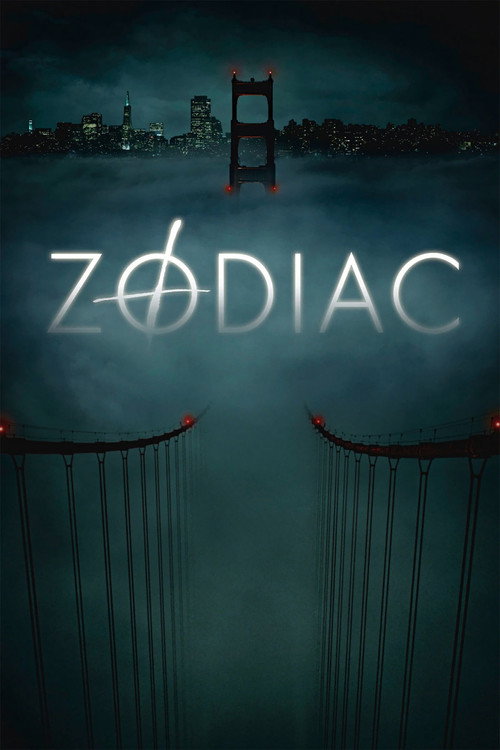
Zodiac2007
Fincher's obsessive thriller about the hunt for the Zodiac killer layers newspaper clippings, interviews, and conjecture into a meditation on how America became fascinated by serial murder. It's Killing of America's narrative flipside.
But It's a two-hour-plus investigation that never quite solves its central mystery. If you need narrative closure, the ambiguity will frustrate you.
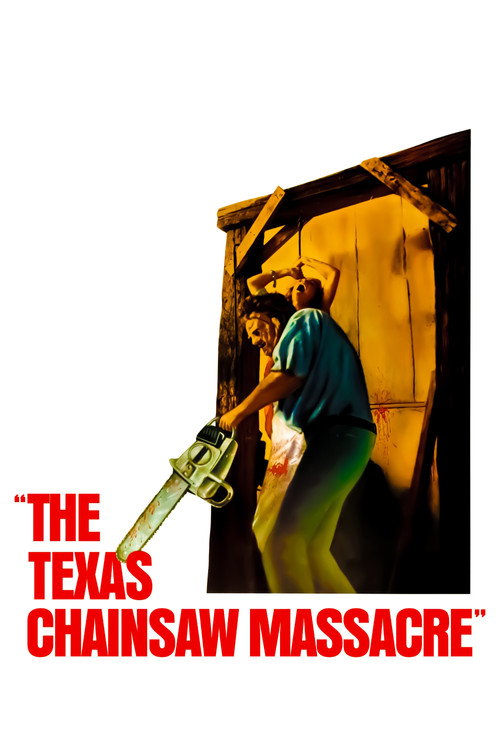
The Texas Chain Saw Massacre1974
Tobe Hooper's brutal horror film was shot like a documentary nightmare, blending cinéma vérité style with exploitation. It captures the same visceral, unfiltered register that Killing of America uses, but through fiction.
But The violence is graphic and relentless, and the film's gritty aesthetic makes horror feel documentary-real. It's genuinely hard to sit through.
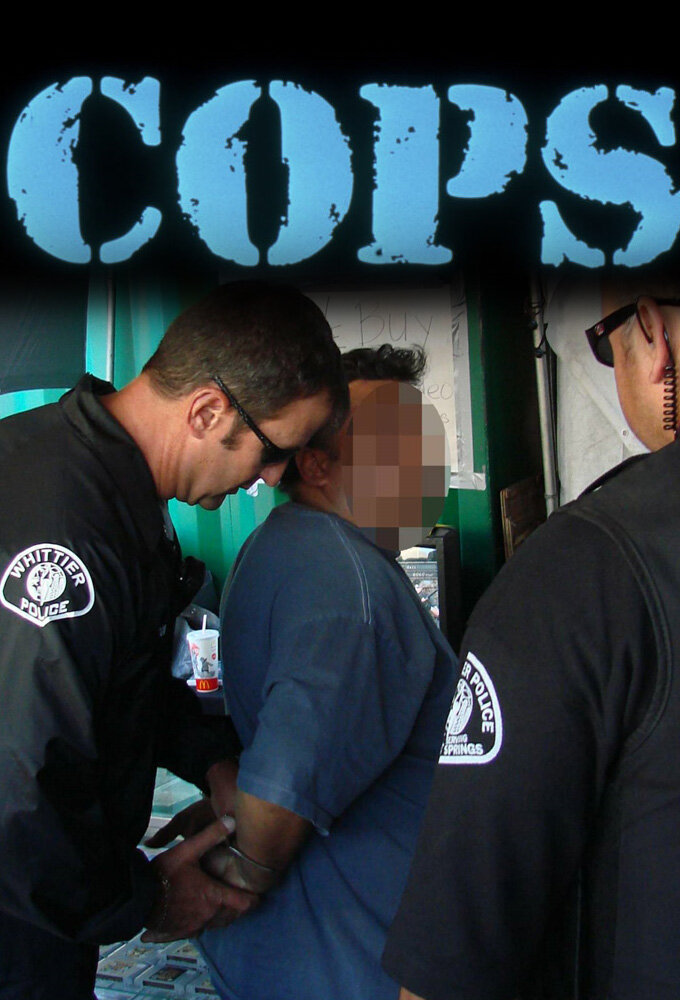
Cops1989
This reality-TV series documents actual police stops and arrests without editorial judgment, letting footage speak. It shares Killing of America's commitment to raw documentation over interpretation, though with live footage rather than archival montage.
But The format is repetitive and often feels exploitative toward the people on camera. Decades of perspective have made its racial and class politics harder to defend.
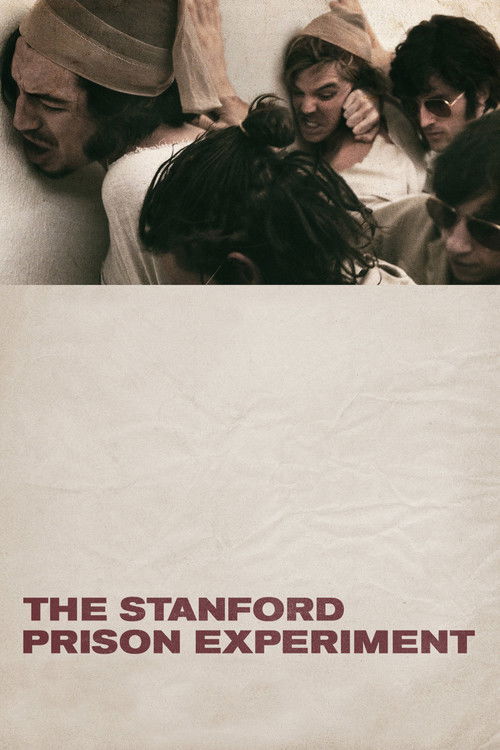
The Stanford Prison Experiment2015
This dramatization of the infamous 1971 psychology study explores how ordinary people rationalize brutality when given authority. It mirrors Killing of America's interest in the conditions that produce violence and conformity.
But The film itself has been criticized for oversimplifying and dramatizing the actual study. If you know the contemporary critique of the experiment, the film can feel dishonest.
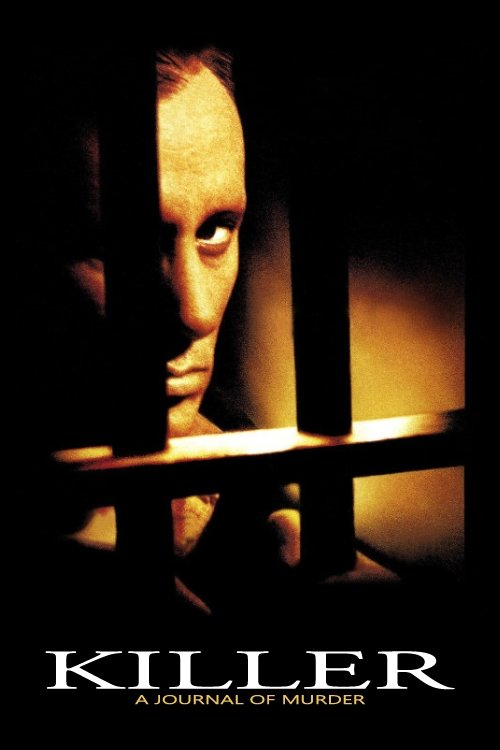
Killer: A Journal of Murder1996
Where Killing of America assembles external evidence—footage, interviews, statistics—this film asks what violence feels like from within the perpetrator's consciousness. Same material, inverted perspective.
An understated, nearly forgotten film where James Woods plays Henry, a serial killer, shown teaching art and reflecting on his crimes in prison. It's Killing of America from the inside: a quieter, more introspective meditation on the psychology of violence.
But The pacing is glacial and meditative in a way that can feel indulgent. It refuses the sensationalism that makes true crime compelling, which some will find slow to the point of tedium.
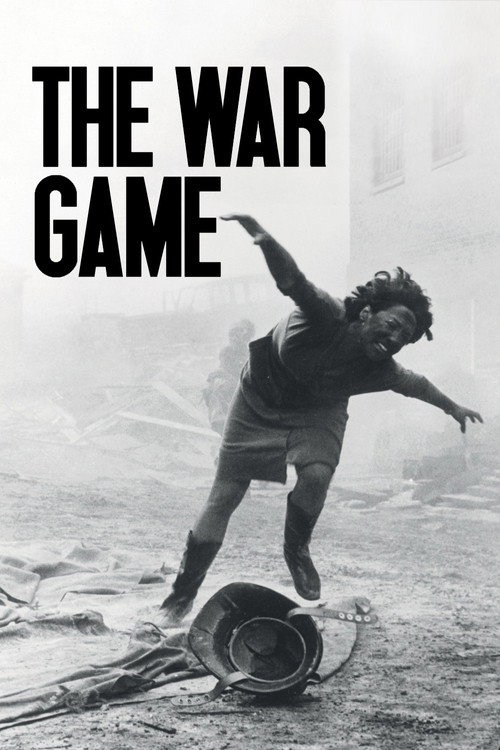
The War Game1966
Both use documentary form to amplify horror rather than explain it away. Killing of America shows violence that happened; The War Game shows violence that could. Both are activist documents dressed as neutral reporting.
Peter Watkins's banned BBC mockumentary simulates nuclear war in Britain using documentary technique and chilling verisimilitude. It's Killing of America's formal ancestor—how do you document catastrophe that hasn't happened? Both blur documentary realism into prophetic warning.
But It was so disturbing that the BBC didn't broadcast it for twenty years. The black-and-white aesthetic and dated Cold War anxieties can feel remote, but the bleakness is absolute.
People
Cast
- Chuck RileySelf - Narrator (voice)
- Ed DorrisSelf
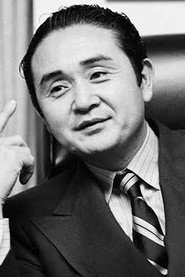 Thomas NoguchiSelf
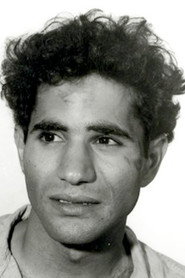 Sirhan SirhanSelf
 Wayne HenleySelf
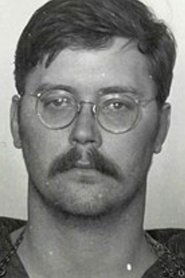 Ed KemperSelf
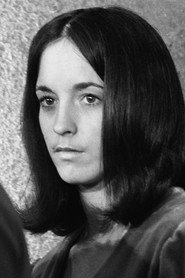 Susan AtkinsSelf (archive footage)
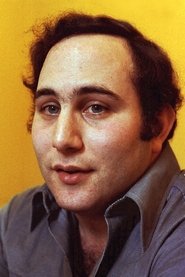 David BerkowitzSelf (archive footage)
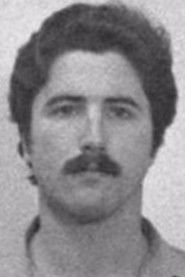 Kenneth BianchiSelf (archive footage)
- Lawrence BittakerSelf (archive footage)
- James BradySelf (archive footage)
- Arthur BremerSelf (archive footage)
Directing
- Sheldon RenanDirector
Writing
- Chieko SchraderWriter
- Leonard SchraderWriter
Production
- Betsy PollockAssociate Producer
- Sheldon RenanLine Producer
- Leonard SchraderProducer
- Mataichirô YamamotoProducer
Recommended by
Suburbia, The Good Guys and the Bad Guys, The Lincoln Conspiracy