
Film
The Texas Chain Saw Massacre
- Slasher
- Serial killer
- Very dark
Tobe Hooper's 1974 masterpiece strips horror down to its essence: five ordinary people trapped in a rural nightmare with a family of killers. Shot on a shoestring in sweltering Texas heat, it's visceral, claustrophobic, and genuinely terrifying. Not for the squeamish, but essential viewing for anyone who wants to understand why horror matters.
Should you watch it?
Watch it if you crave grimy, sun-baked dread built from sound, heat and gathering unease, and you'd rather be unsettled by atmosphere than by gore you can count.
Skip it if you need a quick scare, because this is slow to warm up, drenched in heat and grime, and its brutality lingers in ways that are hard to shrug off.
What it asks of you: Patience first: long stretches of driving, talking and silence before anything happens, and a camera that lingers on discomfort rather than cutting away to comfort you.
Not sure? Find tonight's pick in a minute.
If you liked this
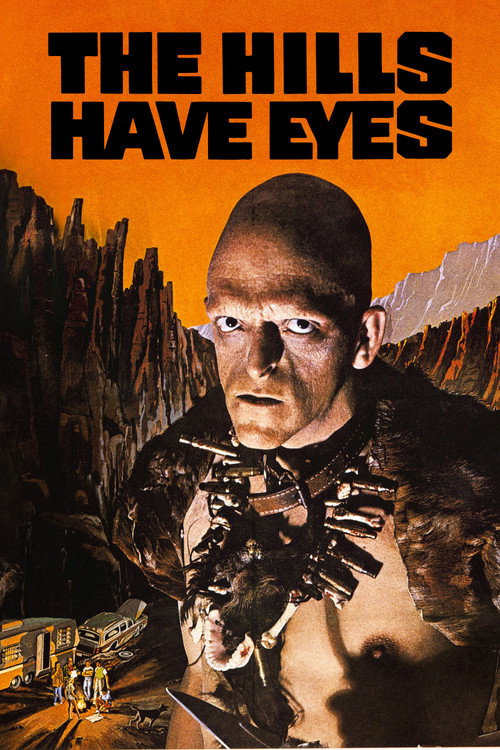
The Hills Have Eyes1977
Wes Craven's brutal desert answer to Texas, with a similarly relentless structure and a family of antagonists that feel disturbingly real. More explicit than Hooper, but equally committed to dread.
But The rape scene exists in service to the narrative, but it's still difficult to sit through. Some find the film's brutality exhausting rather than cathartic.
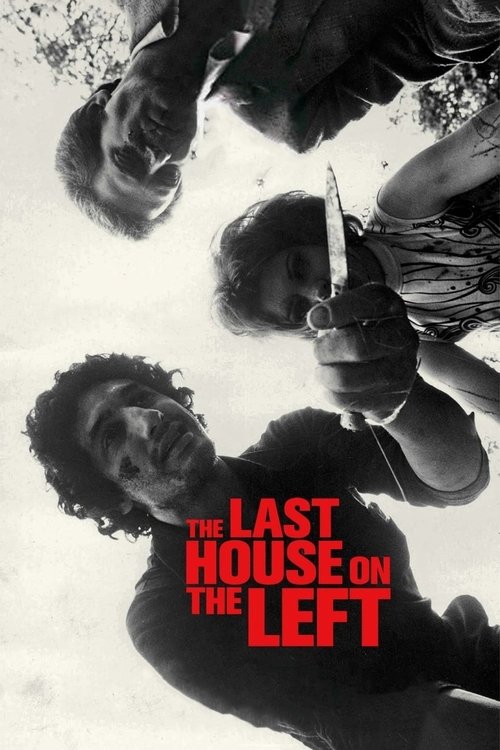
The Last House on the Left1972
Craven's debut, made just before Hills, shares Texas's raw energy and moral ambiguity. A home invasion that becomes something far darker, with a grim logic that respects neither audience comfort nor easy answers.
But Shot on shoestring budget with untrained actors, and deliberately ugly. The pacing is patient to the point of suffocation, which is precisely the point but not everyone's idea of entertainment.
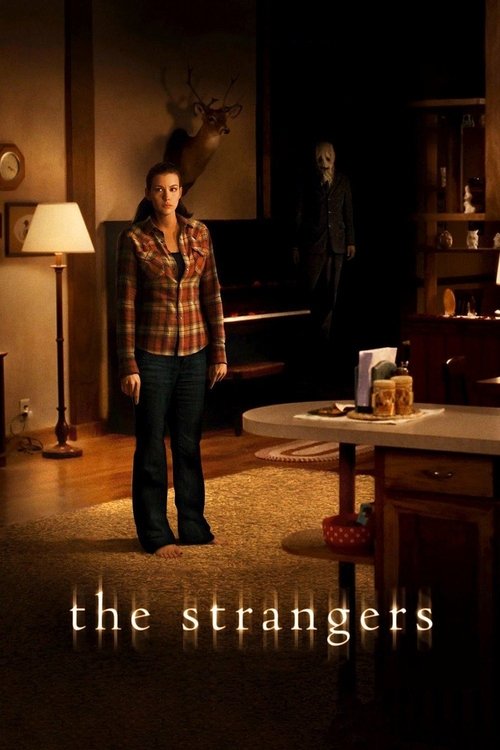
The Strangers2008
Bryan Bertino distills Texas down to its core: ordinary people in an ordinary house, terrorised by faceless intruders for no reason. The randomness is what haunts. Minimalist, effective, deeply unsettling.
But Deliberately slow-burn. Long stretches of waiting and listening. If you need plot momentum or conventional scares, this will feel like a patience test rather than a film.
Not sure tonight? Get a pick in a minute, starting from The Texas Chain Saw Massacre
The wildcard
Something you would not have found on your own.
Raw2017
Both treat the body as the site of horror, and both refuse to judge their characters even as they commit atrocities. The violence is visceral because it's intimate.
Julia Ducournau's French film about a vegetarian girl discovering cannibalism at veterinary school channels the same transgressive energy as Texas: the horror is internal and bodily, not external. Stylish, sensual, and deeply disturbing.
But Heavy on body horror and sexual content. The film luxuriates in the grotesque in ways that feel alien to American genre convention. Not squeamish-friendly.

More like this (7)
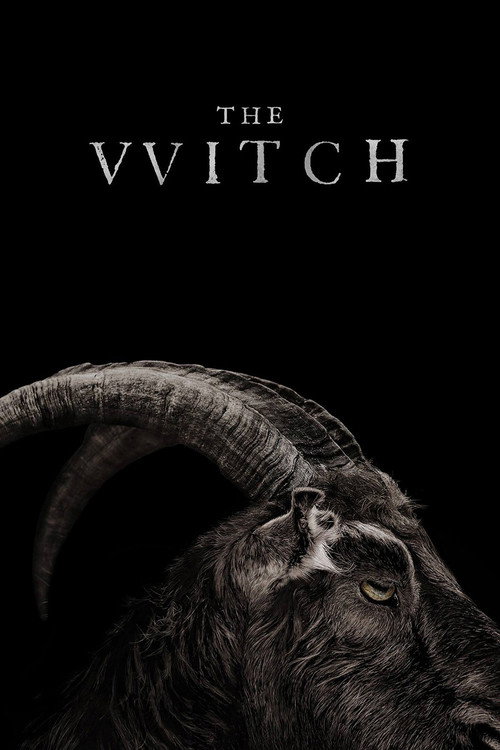
The Witch2016
Robert Eggers shares Hooper's commitment to period authenticity and dread. A family isolated in the wilderness, their own paranoia as much a threat as anything lurking outside. Witchcraft reconfigured as genuine horror.
But Dialogue is sparse and Puritan-accented. The pacing is deliberate, almost operatic. Not a plot that races to resolution; it's about atmosphere and inevitable doom.
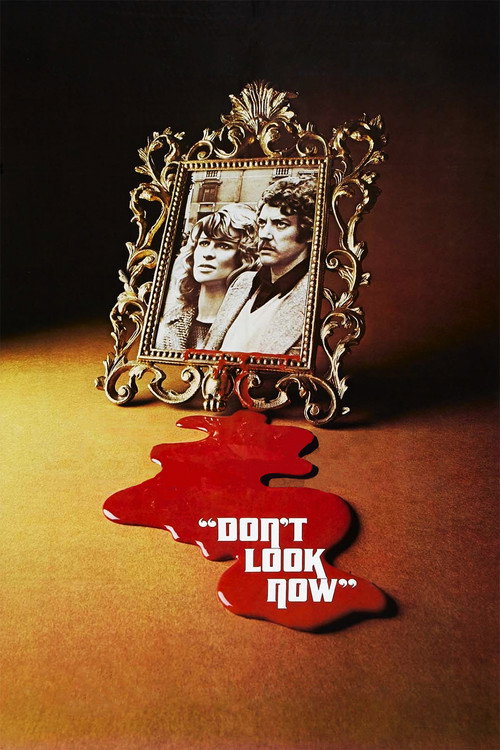
Don't Look Now1973
Roeg's masterpiece of paranoia and grief, released just before Texas. A couple in Venice pursued by something they cannot quite understand. Pure cinema: every image matters, every cut destabilises.
But Deliberately cryptic. The film withholds clarity and trades in suggestion. If you need a neat explanation, you'll leave frustrated and confused.
The Wailing2016
Na Hong-jin's three-hour Korean epic shares Texas's refusal to provide moral clarity. A village gripped by something unknowable; investigation spirals into paranoia. Genre-transcendent and deeply unsettling.
But At three hours, it demands patience. The third act pivots in ways that alienate viewers seeking straight answers. Subtitles and ambiguity: not everyone's evening.

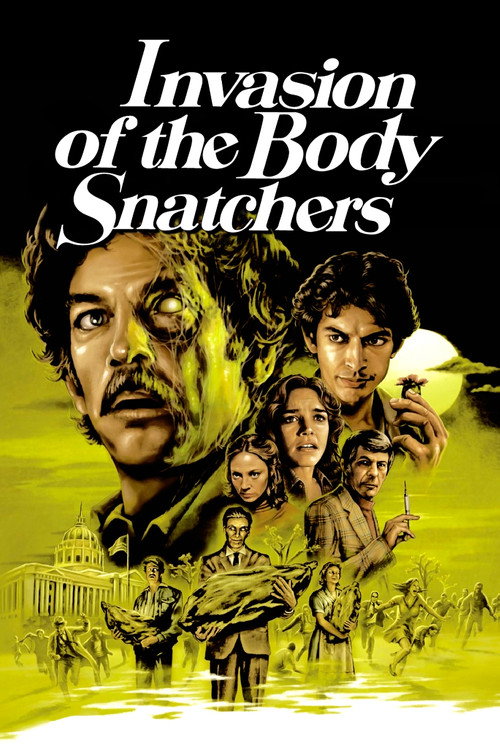
Invasion of the Body Snatchers1978
Cronenberg's remake taps the same paranoia as Texas: ordinary people in ordinary spaces, with the threat indistinguishable from the familiar. San Francisco becomes as isolated and hostile as rural Texas.
But Science-fiction elements and a more stylised visual approach feel very '70s. Some find the political allegory heavier-handed than the original's unstated dread.
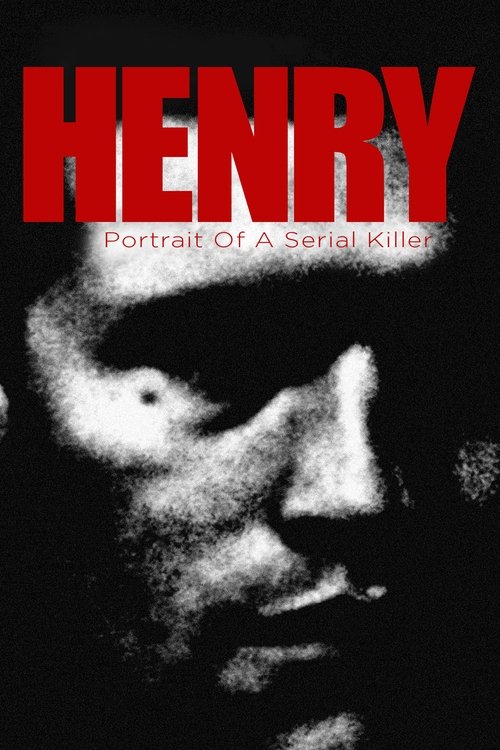
Henry: Portrait of a Serial Killer1986
John McNaughton's unflinching study of an ordinary killer. No theatrical flourish, no explanation. Just a man and his methodical horror. Shares Texas's refusal to moralise or provide catharsis.
But Genuinely disturbing in its flatness. The video tape sequence is difficult to endure. Not entertaining in any conventional sense; it exists to make you uncomfortable.
Come and See1985
Elem Klimov's Belarusian war film channels Texas's philosophy into a different register: ordinary people ground down by forces beyond comprehension. A boy's innocence erased in real time. Apocalyptic and pitiless.
But Not a horror film, but far more horrific than most that claim the title. Relentlessly bleak, with graphic violence and child suffering. One of cinema's most punishing experiences.

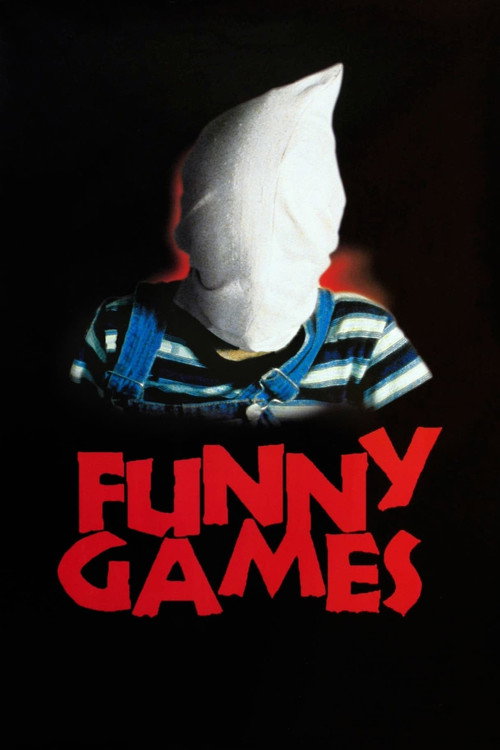
Funny Games1997
Both are metacritiques of horror cinema. Texas showed what violence could do; Funny Games asks what it does to us for watching. Haneke learned from Hooper.
Michael Haneke's Austrian home invasion film does to the audience what Texas does to its characters: it traps you, and then makes you complicit in your own suffering. A direct confrontation with why we watch violence.
But Deliberately antagonistic toward viewers. Haneke breaks the fourth wall to mock your expectations. Some find it essayistic and tedious rather than frightening.
People
Cast
 Marilyn BurnsSally
 Allen DanzigerJerry
 Paul A. PartainFranklin
 William VailKirk
 Teri McMinnPam
 Edwin NealHitchhiker
 Jim SiedowOld Man
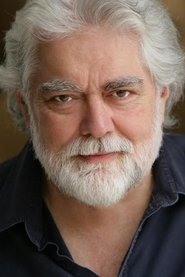 Gunnar HansenLeatherface
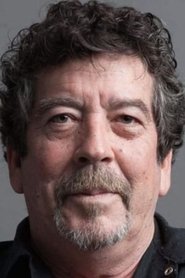 John DuganGrandfather
- Robert CourtinWindow Washer
- William CreamerBearded Man
- John Henry FaulkStoryteller
Directing
- Sallye RichardsonAssistant Director
- Tobe HooperDirector
Writing
- Kim HenkelScreenplay
- Tobe HooperScreenplay
- Kim HenkelStory
Production
- Kim HenkelAssociate Producer
- Richard SaenzAssociate Producer
- Jay ParsleyExecutive Producer
- Tobe HooperProducer
- Charlie LovingProduction Assistant
- David SpawProduction Assistant
- George BaetzProduction Assistant
- Jerry BellnoskiProduction Assistant
- Jim CrowProduction Assistant
- N.C. ParsleyProduction Assistant
- Paula EatonProduction Assistant
- Paulette GochnourProduction Assistant
- Ray SpawProduction Assistant
- Robert PustejowskiProduction Assistant
- Sally Nicholaou HamiltonProduction Assistant
- Tom FooteProduction Assistant
- Ron BozmanProduction Manager
Recommended by
Halloween, House of Wax, Liquid Sky, Friday the 13th, The Town That Dreaded Sundown, Special Bulletin, Motel Hell, Wrong Turn, Rest Stop, Race with the Devil, The Last House on the Left, Terrifier 2, Spider Baby, Cabin Fever, A Bay of Blood, The Toolbox Murders, The Devil's Rejects, #Love, The Hills Have Eyes, He Knows You're Alone, The Slumber Party Massacre, Eaten Alive, The Final Terror, Friday the 13th Part 2, Just Before Dawn, Don't Go in the Woods, Anthropophagous, Blood Sucking Freaks, I Drink Your Blood, House of 1000 Corpses, Rituals, The Unseen, The Mutilator, Pieces, Don't Go in the House, Cannibal Ferox, Man of Flowers, Friday the 13th Part III, Don't Answer the Phone!, Mother's Day, His Name Was Jason: 30 Years of Friday the 13th, 1,000,000 A.D. Promo Reel, Hatchet, X, Cannibal Apocalypse, The Driller Killer, Cemetery Man, Death Line, Friday the 13th Part VII - The New Blood, The Sky Is Pink, The Funhouse, Hell Night, Friday the 13th: The Final Chapter, Darkroom, Hellbent, Friday the 13th: A New Beginning, Freddy vs. Jason, The Farm, The Flesh and Blood Show, Silent Night, Deadly Night, The Grandmother, The Wizard of Gore, Three on a Meathook, The Killing of America, Madness, Headless, Simmba, The Forest, Deranged, Leatherface: The Texas Chainsaw Massacre III, The Burning Moon, The Fun House, Faces of Death