
Film
Three on a Meathook
A 1972 slasher that arrives at the family-horror idea before it became fashionable: a murderous son and his complicit father, locked in a twisted codependency on an isolated farm. Lean, grimy, and genuinely unsettling rather than gory, it trades jump scares for slow-burn dread and the creeping wrongness of domestic evil. For viewers who want their horror grounded and their killers human.
Should you watch it?
Watch it if you like slow-burning rural horror that trades jump scares for a bleak, unsettling family dynamic and a grim sense of dread that builds quietly.
Skip it if you need a tight plot or modern polish, since the pacing drifts through long stretches of rural routine and the low budget shows in nearly every frame.
What it asks of you: It is brief, around seventy-seven minutes, and it spends much of that time on ordinary farm life before the mood tightens, so it rewards patience.
Not sure? Find tonight's pick in a minute.
If you liked this
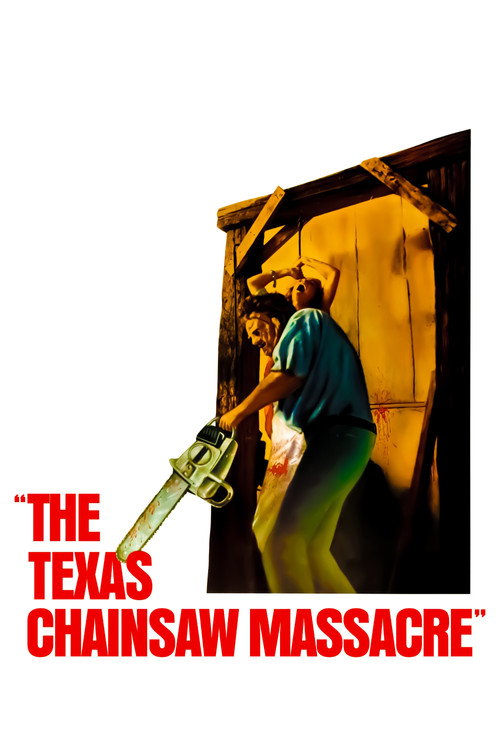
The Texas Chain Saw Massacre1974
The spiritual sibling: rural dread, family as the real monster, and a sense that something is fundamentally wrong with the world rather than just with one person. Both films make you feel dirty watching them.
But More famous, more imitated, and at this point almost mythologized into something safer than it is. The first time hits hardest.
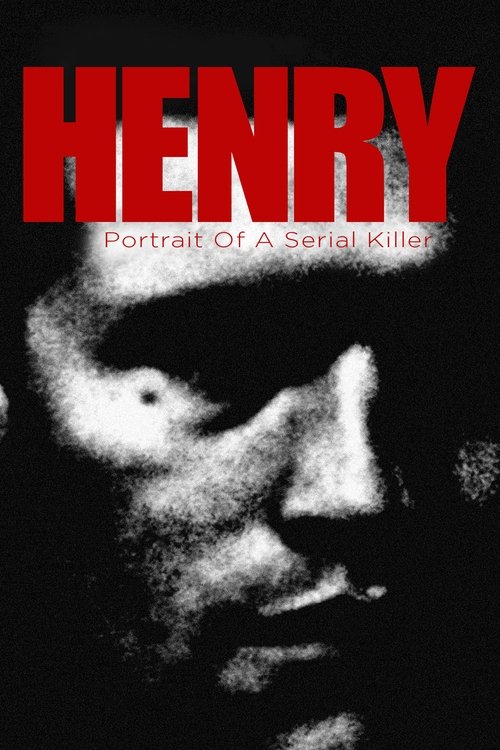
Henry: Portrait of a Serial Killer1986
Same DNA—a killer and his enabler, banal evil in ordinary spaces, no explanations or psychology offered. Both films refuse to make their monsters sympathetic or understandable. They simply are.
But Bleaker and more confrontational. If Three on a Meathook unsettles you, this one will sit on your chest.
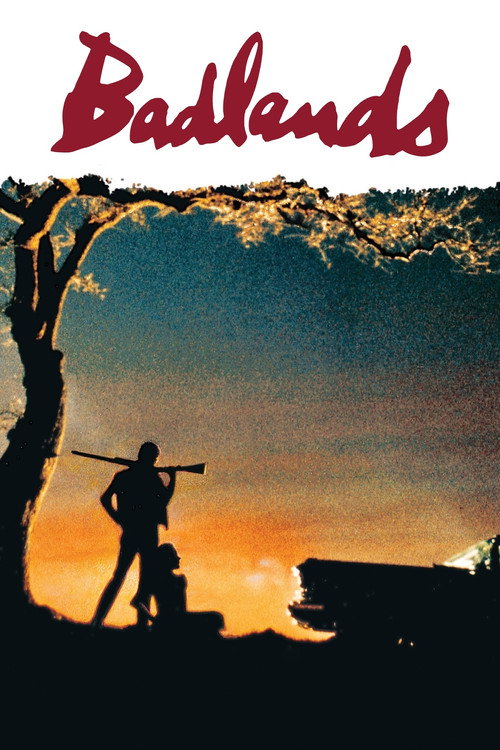
Badlands1973
A boy corrupted by family and circumstance, except here he's a romantic outlaw instead of a killer. Same root, wildly different register. Terrence Malick's lyrical answer to the same question.
But Slower, more poetic. The mood is elegiac rather than horrifying, which some find less gripping.
Not sure tonight? Get a pick in a minute, starting from Three on a Meathook
The wildcard
Something you would not have found on your own.
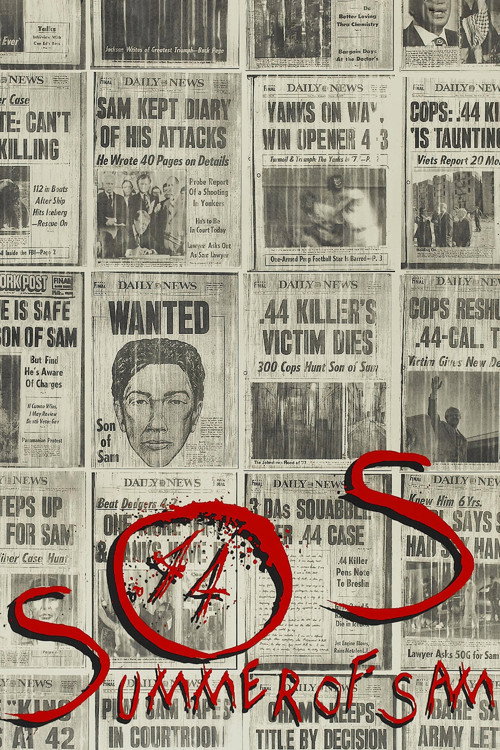
Summer of Sam1999
Both examine how evil operates quietly within families and communities, and how the mundane normalcy of the perpetrators is more horrifying than any mythology.
Spike Lee's fever dream about a serial killer (David Berkowitz) terrorizing New York in 1977—but the real subject is how communities project monstrosity onto outsiders and each other. It shares Meathook's interest in how evil doesn't announce itself, and how ordinary people become monstrous.
But Chaotic, overcrowded, and formally wild. Lee throws everything at the screen; it's exhilarating or exhausting depending on your tolerance for controlled mayhem.
More like this (8)
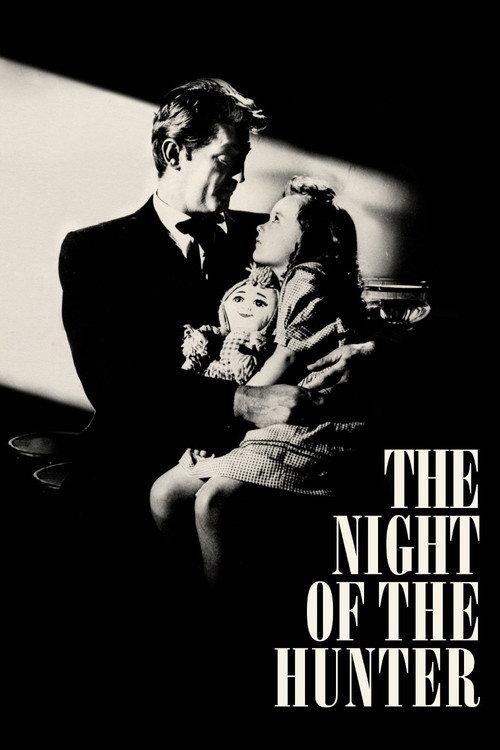
The Night of the Hunter1955
An evil man on a farm (sort of), family corruption, and genuine menace in Americana. Stylized where Meathook is raw, but the core idea—evil hiding in plain sight—is identical.
But A masterpiece that overshadows everything around it. You might spend the whole film comparing rather than watching.
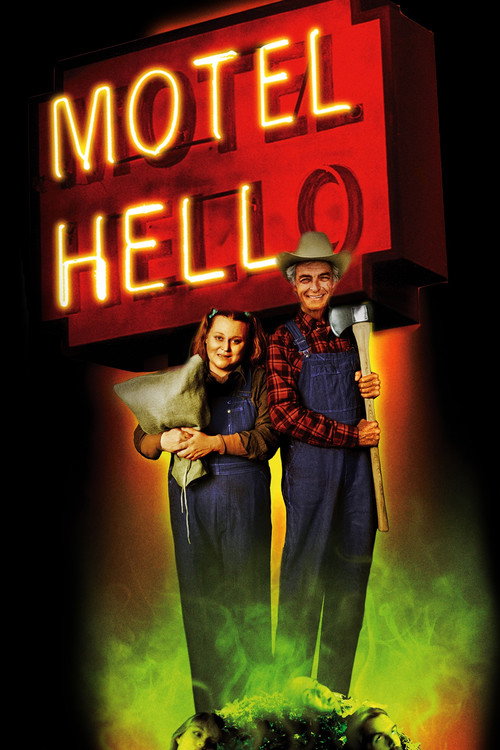
Motel Hell1980
Family business, rural cannibalism, and a father-son dynamic built on shared monstrosity. It's blacker comedy than Meathook, but the bones are the same.
But The tonal shifts between horror and camp don't always land. Some scenes aim for funny and miss.
Raw2017
A young woman discovering her taste for human flesh, family complicity, and the ways we normalize the abnormal. Gaspar Noé's intensity applied to body horror and desire. Unsettling in new ways.
But French, slow-burn, and genuinely disgusting when it needs to be. Not for viewers who want plot momentum or easy answers.

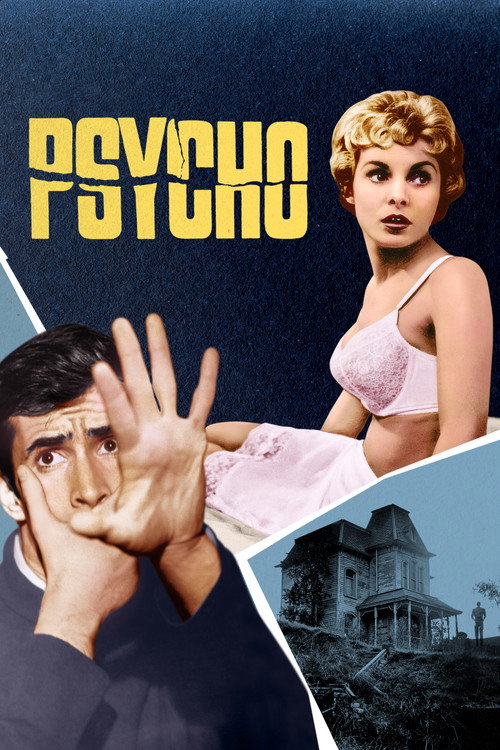
Psycho1960
The template: a killer, a mother figure who enables him, a twisted symbiosis. Hitchcock's version is tighter and more playful, but the architecture is there.
But Iconic to the point of cliché. You might feel you've already absorbed it through cultural osmosis.
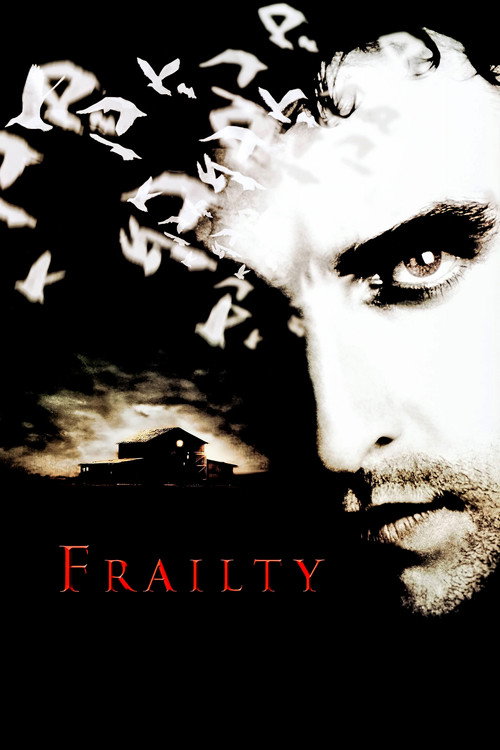
Frailty2002
A father convinces his son that they're instruments of God's will, committing murders together. The most direct thematic echo: how family bonds enable atrocity, how love and evil can coexist.
But Leans toward religious thriller territory rather than pure horror. The twist feels important in a way some find overdone.
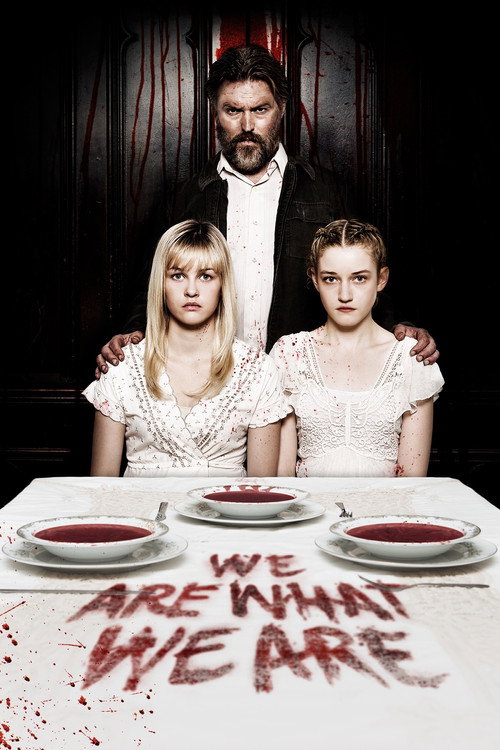
We Are What We Are2013
A family's dark secret (cannibalism) threatened by the outside world, with parents' control over their children at the center. Slow, controlled dread rather than shock.
But More arthouse than exploitation. If you want explicit horror beats, this trades them for atmosphere.
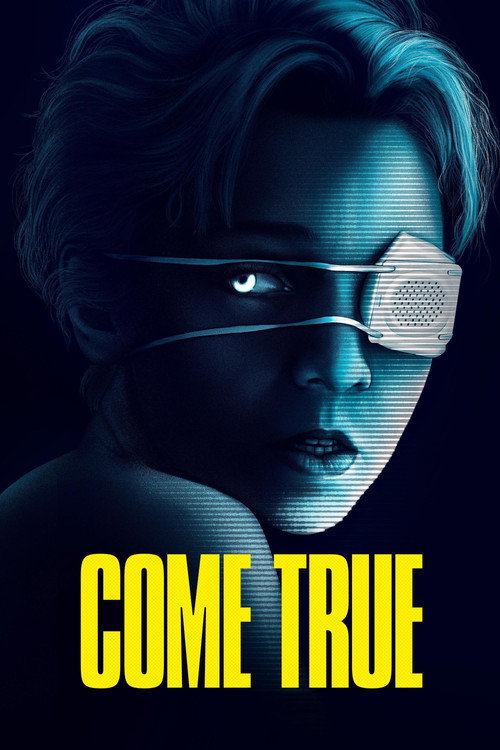
Come True2020
Like Meathook, it finds horror in the betrayal of parental authority and the vulnerability of youth to adult complicity. Same psychological wound, different genre.
A teenager enters a sleep study that gradually becomes a nightmare—body horror, parental involvement in his trauma, and creeping realization that the adults can't be trusted. Sci-fi wrapped around the same core dread.
But Surreal and deliberately vague. Some see it as a brilliant meditation on adolescent powerlessness; others find it frustratingly abstract.
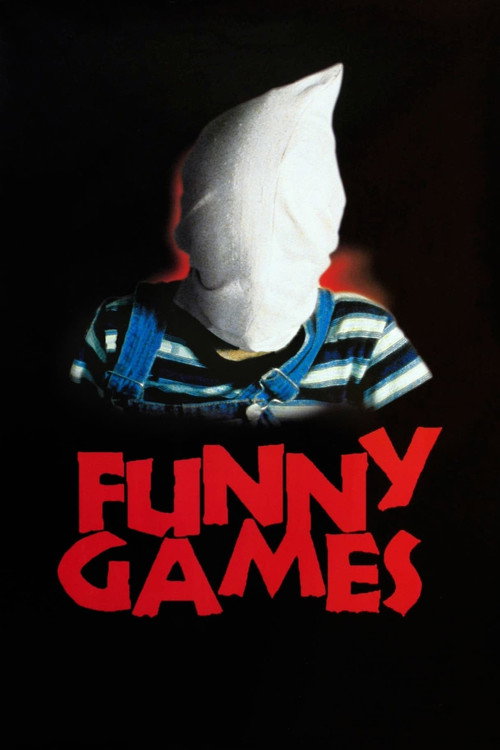
Funny Games1997
Both implicate the viewer in complicity with evil, refusing the safety of distance. They make you uncomfortable not just by what happens, but by why you're watching.
Two young men terrorize a family in their home—but Haneke's point is about our appetite for watching violence, not the violence itself. It's a mirror held up to the viewer's own gaze, which connects directly to why Meathook still feels transgressive.
But Meta, confrontational, and deliberately antagonistic to the audience. It refuses catharsis or the comfort of conventional horror beats. Many find it punishing.
People
Cast
 Charles KissingerPa Townsend
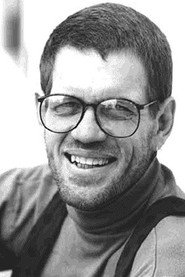 James Carroll Pickett Billy Townsend (as James Pickett)
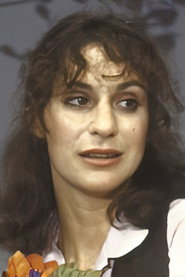 Sherry SteinerSherry
- Madelyn BuzzardBecky
 Linda ThompsonDebbie
- Smith HaynieYoung Billy
Directing
- Charles KissingerAssistant Director
- William GirdlerDirector
Writing
- William GirdlerWriter
Production
- John AsmanProducer