
Film
Henry: Portrait of a Serial Killer
- Serial killer
- Psychological horror
- Very dark
A methodical descent into the quotidian evil of a serial killer and his apprentice. Shot with deliberate flatness, Henry refuses sensationalism or psychology—it simply observes, which makes it far more unsettling than any thriller. For viewers unafraid of prolonged discomfort and curious what separates exploitation from unflinching realism.
Should you watch it?
Watch it if you want a bleak, unflinching character study that treats violence as flat, banal routine rather than thrill, and you can stand a film that refuses to look away or offer comfort.
Skip it if you need a story with momentum, a clear moral frame or some release from the grime, since this one is cold, plodding and deliberately uncomfortable from its first scene to its last.
What it asks of you: Eighty-odd minutes of patient, low-lit observation, with long stretches of silence and little explanation, and it expects you to sit with its nastiness rather than be carried past it.
Not sure? Find tonight's pick in a minute.
If you liked this
Memories of Murder2003
A detective procedural that treats serial killing with the same documentary precision as Henry, but centers the investigators' obsession and frustration instead. Hypnotic and deeply humane.
But Nearly three and a half hours, subtitled, and the case remains deliberately unresolved. Patience required; catharsis not guaranteed.

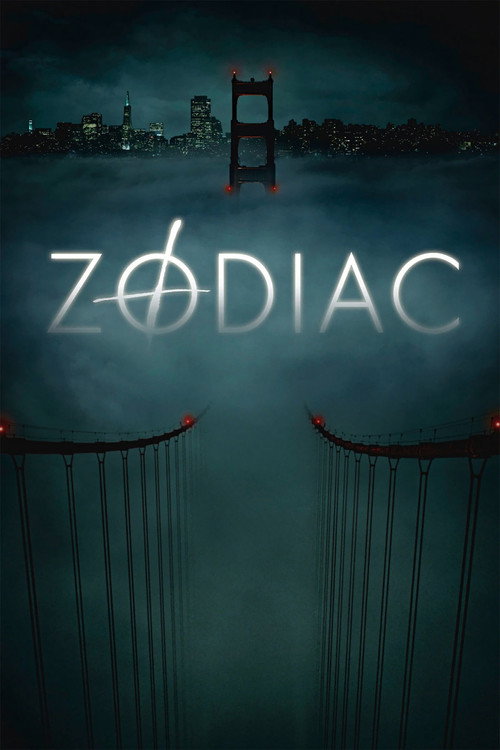
Zodiac2007
Another Fincher meditation on obsession and the killer's shadow over the hunter. Meticulous, cold, and structured like a bureaucratic nightmare—the opposite of sensational even as it documents terrible crimes.
But Extremely long, deliberately unglamorous, and the emotional payoff is specifically the absence of one. Works only if you love process over plot.
In Cold Blood1967
The prototype: Capote's non-fiction novel adapted as a austere, blackly matter-of-fact film about actual killers. Every scene earns its bleakness; nothing is wasted on style.
But Glacial pacing by modern standards. The black-and-white cinematography and 1967 sensibility feel distant, even remote.
Not sure tonight? Get a pick in a minute, starting from Henry: Portrait of a Serial Killer
The wildcard
Something you would not have found on your own.
Come and See1985
Both are exercises in dehumanisation through cinema. Neither offers psychology or explanation—just the steady accumulation of horror as a corrective to storytelling. Both assume you can sit with meaninglessness.
A Soviet war film that uses cinema itself as a weapon—not to depict atrocity but to destroy the viewer's capacity to bear witness. Like Henry, it refuses catharsis or meaning, just accumulated trauma.
But One of cinema's most punishing experiences. Not a crime film; a war film. Some sequences are difficult to watch without breaking.

More like this (6)
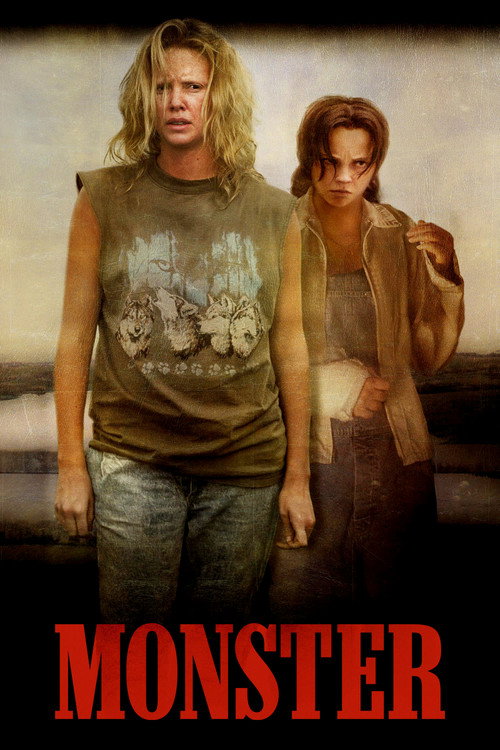
Monster2003
Charlize Theron in a role of crushing empathy—a serial killer's biography that refuses to excuse but does contextualise. Jenkins' direction finds tragedy without softening monstrosity.
But Sexual violence and abuse shown directly. The film demands you see where cruelty came from, which is harder than seeing only cruelty.
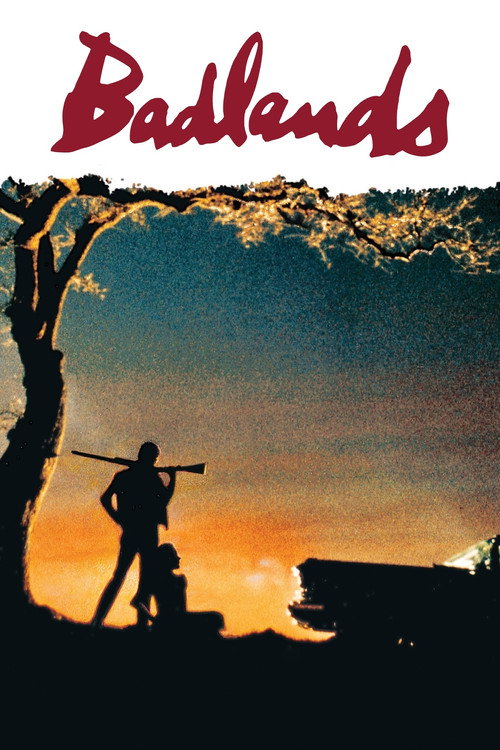
Badlands1973
Two young killers on the run, filmed as a dreamy ballad. A companion piece to Henry's realism: what happens when you romanticise the same violence Henry strips of meaning?
But The poetic treatment of violence can feel glib. Some viewers will resent the beauty applied to murder.
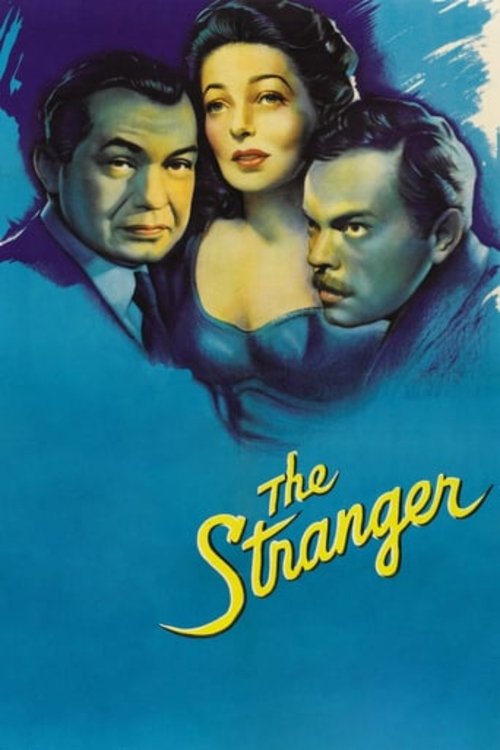
The Stranger1946
Orson Welles as a hidden Nazi war criminal in small-town America. Taut, claustrophobic thriller about evil hiding in plain sight—the same theme as Henry, but in shadow and paranoia rather than sunlight.
But 1940s pacing and some dated Cold War rhetoric. The political subtext now feels more historical than urgent.
Rififi1955
A heist film structured like a confession: methodical, unglamorous, interested in procedure over psychology. The influence on Henry is direct—watch how little music or emotion the film allows itself.
But A French crime film from 1955. Black-and-white, subtitled, and the heist is almost perfunctory—it's about the emotional texture, not the thrills.

The Killing1956
Kubrick's debut: another procedural about criminals, told in fragments, refusing neat explanations. Influences everything that came after, including Henry's refusal to psychologise.
But Experimental structure that can feel scattered. The plotting is deliberately obscured, which some find tedious rather than sophisticated.

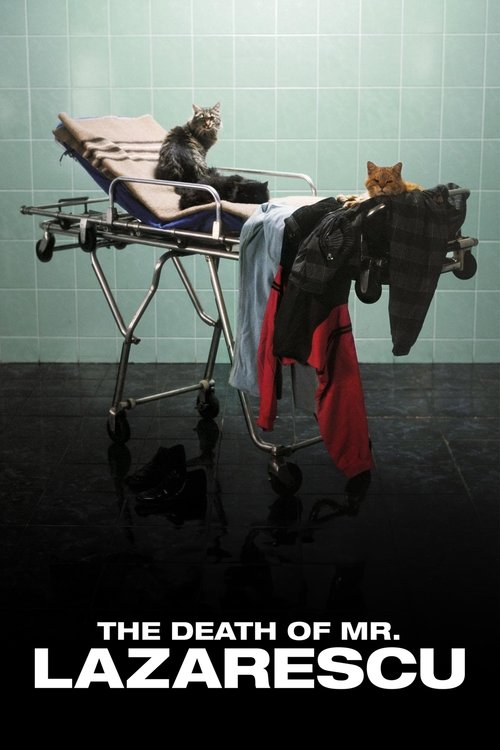
The Death of Mr. Lazarescu2005
Both use cinema's neutrality as a tool—refusing music, psychology, or editorial comment. Both find horror in the ordinary and the overlooked. Both demand that viewers sit with discomfort without explanation.
A Romanian film: an old man's decline through the healthcare system over a single night. Shot with Henry's flat refusal to sentimentalise, but about mortality and systems rather than violence. Devastatingly real.
But Two and a half hours in hospital corridors watching bureaucracy grind. No plot momentum, minimal dialogue. A test of patience that asks something different of the viewer than plot-driven cinema.
People
Cast
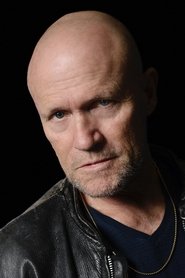 Michael RookerHenry
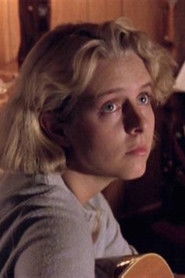 Tracy ArnoldBecky
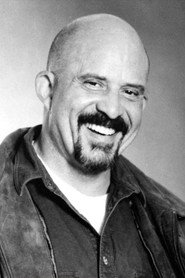 Tom TowlesOtis
- Mary DemasDead Woman / Dead Prostitute / Hooker #1
- Anne BartolettiWaitress
- Elizabeth KadenDead Couple - Wife
- Ted KadenDead Couple - Husband
- Denise SullivanFloating Woman
- Anita OresMall Shopper #1
- Megan OresMall Shopper #2
- Cheri JonesMall Shopper #3
- Monica Anne O'MalleyMall Victim
Directing
- John McNaughtonDirector
- Paul ChenFirst Assistant Director
- Melanie HechtScript Supervisor
- Andrew BradburnSecond Assistant Director
Writing
- John McNaughtonWriter
- Richard FireWriter
Production
- Jeffery Lyle SegalCasting
- Malik B. AliExecutive Producer
- Waleed B. AliExecutive Producer
- John McNaughtonProducer
- Lisa DedmondProducer
- Steven A. JonesProducer
- Bradley MagonProduction Assistant
- Lisa DedmondProduction Manager
Recommended by
Peeping Tom, Man Bites Dog, Kalifornia, The Zodiac Killer, The Killing Floor, Ransom, The Texas Chain Saw Massacre, The Town That Dreaded Sundown, Loving Highsmith, The Poughkeepsie Tapes, The Good Son, Martin, Truth or Dare? - A Critical Madness, The Last House on the Left, Basket Case, Vampire's Kiss, The Midnight Meat Train, Woman of the Hour, Occult, Eaten Alive, Crime and Punishment, Trauma, Maniac, Twin Peaks: Fire Walk with Me, Alone in the Dark, Alone With Her, Angst, Chained, Maniac, Fear City, Julien Donkey-Boy, The Unseen, Don't Go in the House, The Last Broadcast, Don't Answer the Phone!, The New York Ripper, Schramm, The Killing Kind, The Janitor, ChromeSkull: Laid to Rest 2, Psycho II, The Driller Killer, Murder by Numbers, Psycho III, The House That Jack Built, Monkey Shines, Karla, Friday the 13th: The Final Chapter, The Witch Who Came from the Sea, Silent Night, Deadly Night, Three on a Meathook, Headless, Christmas Evil, Three Bloody Photographs, Tattoo, Deranged, Leatherface: The Texas Chainsaw Massacre III, The Burning Moon, The Guardian