
Film
Maniac
Other titles called Maniac: the 1934 film, the 2012 film, the 2018 series (Netflix).
- Slasher
- Serial killer
- Very dark
Maniac is a brutal 1980 New York horror film that strips away supernatural dressing to show pure psychological damage. Joe Spinell's Frank is a scalp-collecting killer whose violence erupts from recognizable trauma. It's unflinching exploitation cinema—visceral, unpleasant, and genuinely interested in how monstrosity forms. For viewers who can stomach its ugliness without flinching.
Should you watch it?
Watch it if you want a grimy, unflinching study of one damaged man's mind, the kind of gutter-level 1980s horror that stays inside a killer's head and dares you to stay there too.
Skip it if you need a plot, sympathy for anyone on screen, or any relief from the violence, since it is relentless, sleazy and very hard to watch, with the camera rarely looking away.
What it asks of you: Its shape is short and sour, under ninety minutes, with lingering stretches of queasy close-ups and almost no breathing room between the attacks.
Not sure? Find tonight's pick in a minute.
If you liked this
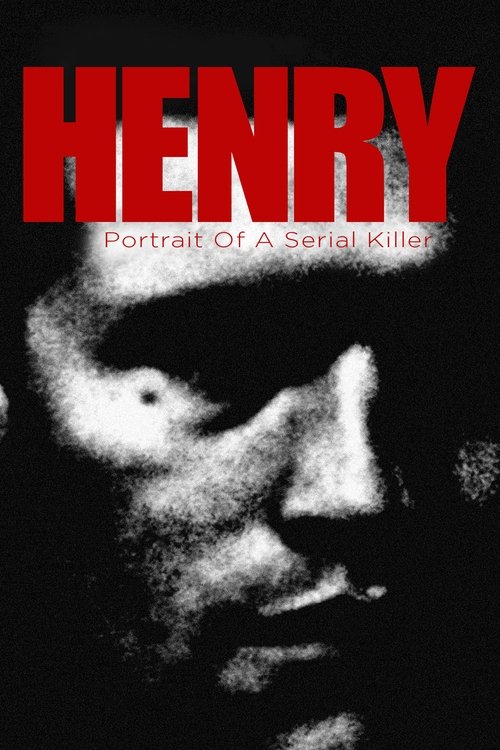
Henry: Portrait of a Serial Killer1986
Another unflinching portrait of a killer's mundane cruelty, built on stillness rather than shock. Michael Rooker's Henry is terrifyingly ordinary. It finds horror in the everydayness of violence.
But It's bleak to the point of suffocation, and the realism works against catharsis. You don't feel better after watching it.
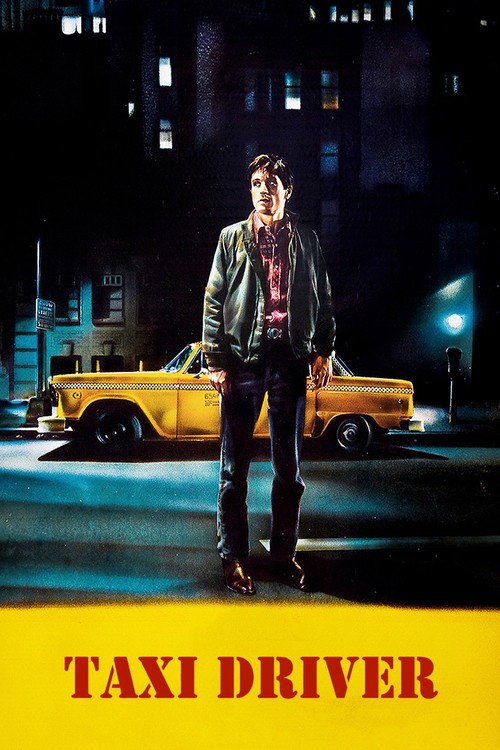
Taxi Driver1976
Travis Bickle is Frank's spiritual ancestor—a damaged loner spiraling toward violence through the streets of NYC. Scorsese builds dread from isolation and moral sickness, not jump scares.
But Slower than Maniac, more meditative. If you want visceral attack rather than psychological depth, this will feel restrained.
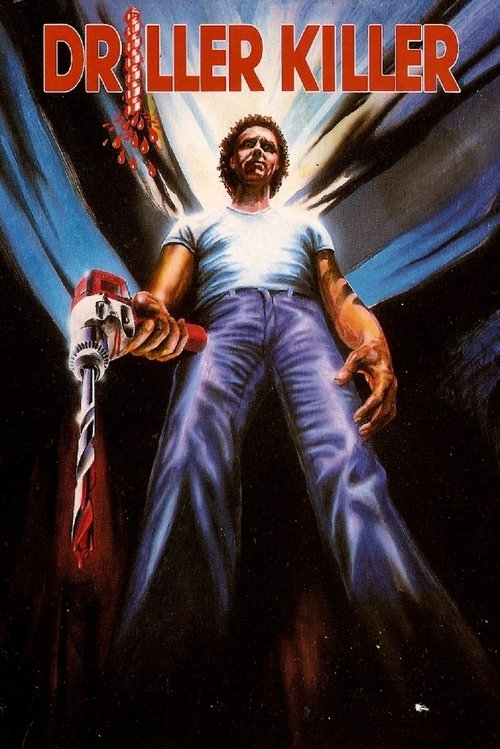
The Driller Killer1979
Abel Ferrara's film about an artist descending into madness has the same low-budget grimy texture and unblinking focus on a killer's psychology. Made practically in parallel with Maniac.
But The exploitation elements feel cheap, not transgressive. Some will see it as pointless cruelty dressed up as art cinema.
Not sure tonight? Get a pick in a minute, starting from Maniac
The wildcard
Something you would not have found on your own.
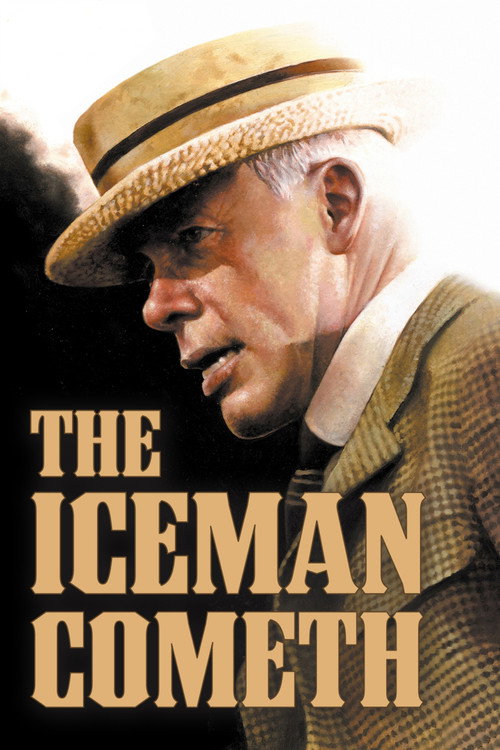
The Iceman Cometh1973
Both are portraits of killers built from damaged childhoods. Maniac shows the violence; Iceman lets you sit in the mind that commits it. One is exploitation, one is therapy—same wound, opposite answers.
Not a thriller—an intimate, bruising character study of a real contract killer (Richard Basehart) spent entirely in conversation. No violence onscreen, but the psychology is more claustrophobic than any knife scene.
But Three hours of men talking in a room. No action, no momentum, minimal plot. Patience is not optional.
More like this (8)
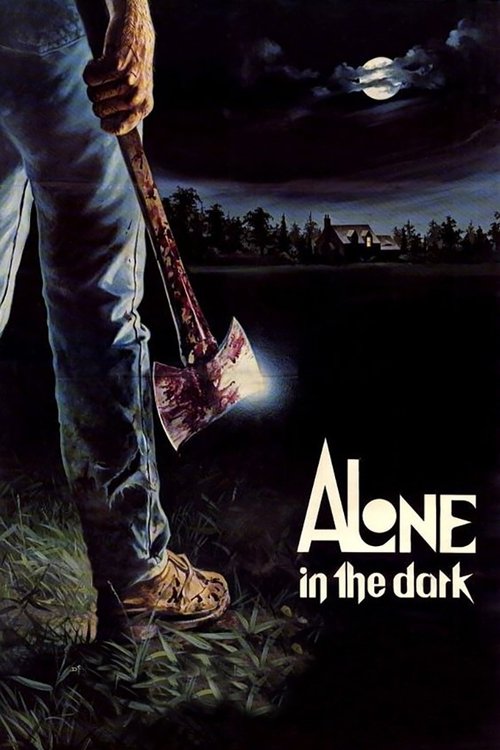
Alone in the Dark1982
Jack Sholder's film traps characters with escaped psychiatric patients. It has Maniac's interest in damaged psyches but structures it around pure siege tension.
But The slasher elements occasionally tip into camp. Tonal shifts undercut the dread.
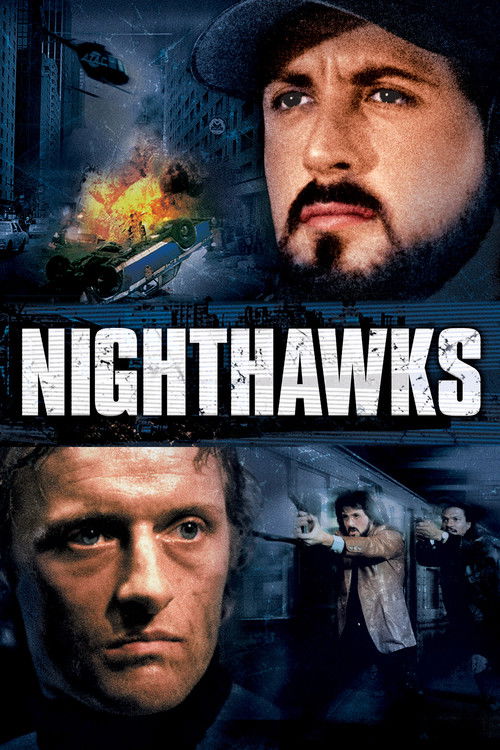
Nighthawks1981
Stallone hunts an urban terrorist killer through NYC. It's the procedural inverse—the hunter instead of the hunted—but shares that raw, sweaty New York paranoia.
But It's a solid thriller, not art. If you're watching for formal ambition, you'll find competence instead.
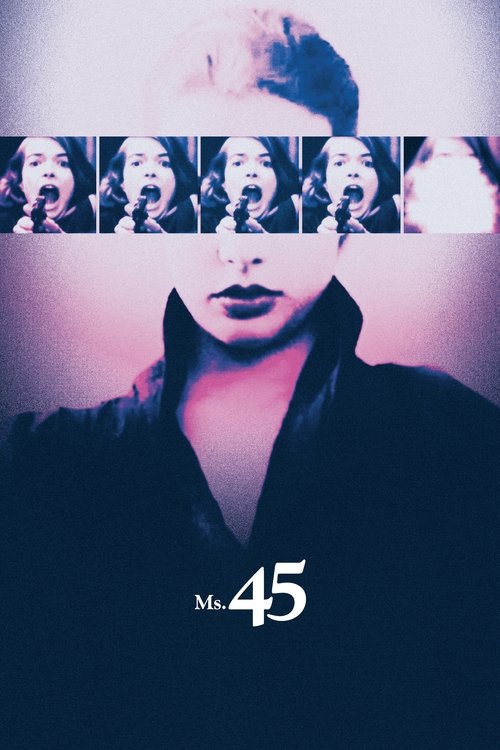
Ms .451981
Ferrara again, this time following a mute woman's methodical revenge through New York. Like Maniac, it's about violence born from violation, but inverts the power dynamic entirely.
But It's transgressive feminist cinema that won't satisfy anyone looking for a traditional revenge fantasy. Ambiguous and uncomfortable about its own violence.
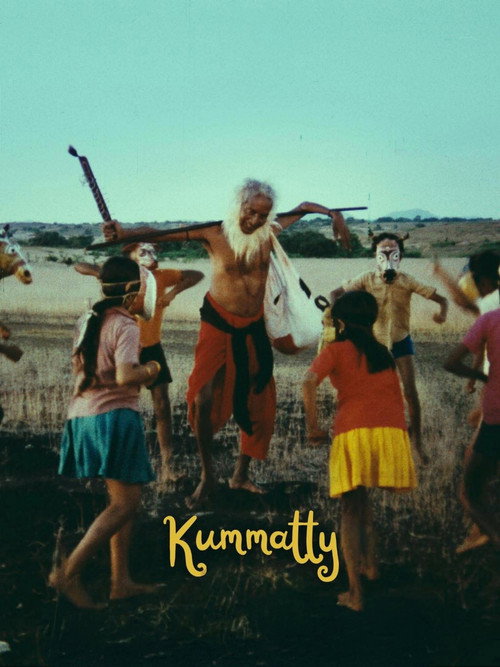
Kummatty1979
Ulli Lommel's film about childhood trauma manifesting as supernatural stalking. Cheaper and weirder than Maniac, but operating from the same wound—what we inherit from our abusers.
But The effects are genuinely cheap and the narrative gets tangled. It feels amateurish in ways that don't always serve the material.
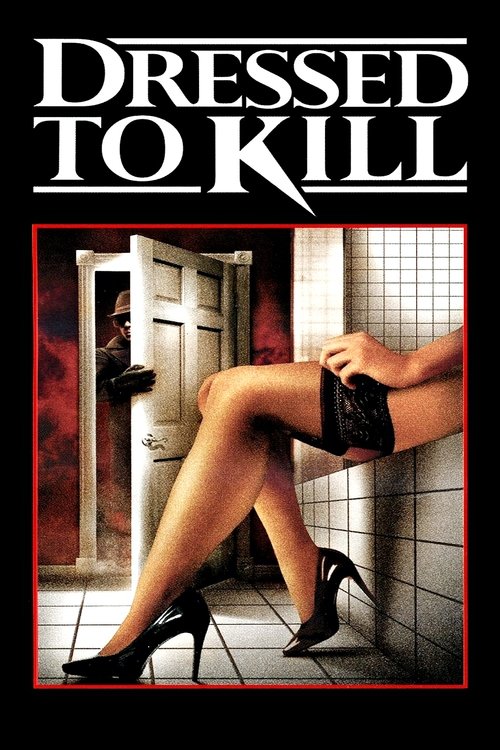
Dressed to Kill1980
De Palma's glossy thriller about a killer shaped by psychological fracture. Stylish where Maniac is raw, but both are obsessed with explaining rather than excusing monstrosity.
But The psychoanalytic framework feels dated and the sexualized violence is harder to stomach than Maniac's bluntness. Some find it exploitative without earning it.
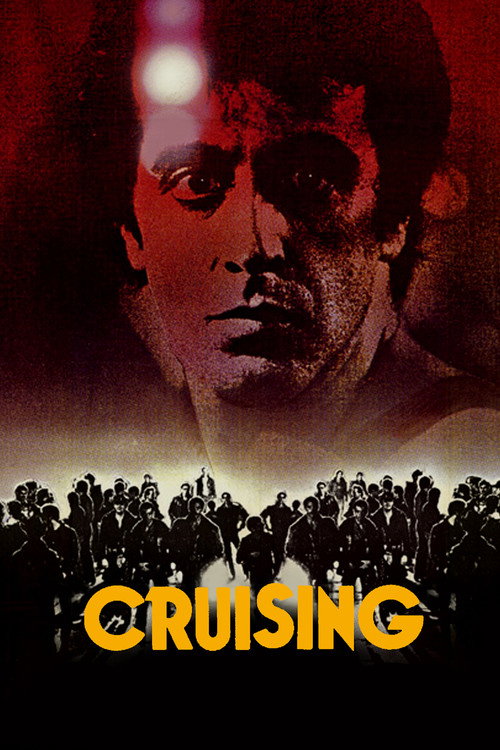
Cruising1980
Friedkin's film about a cop hunting a killer in the NYC gay underworld. Paranoid and grimy, it shares Maniac's distrust of surfaces and obsession with damaged men.
But It's controversial and the thriller mechanics sometimes overshadow the character work. Many find it more interested in titillation than insight.
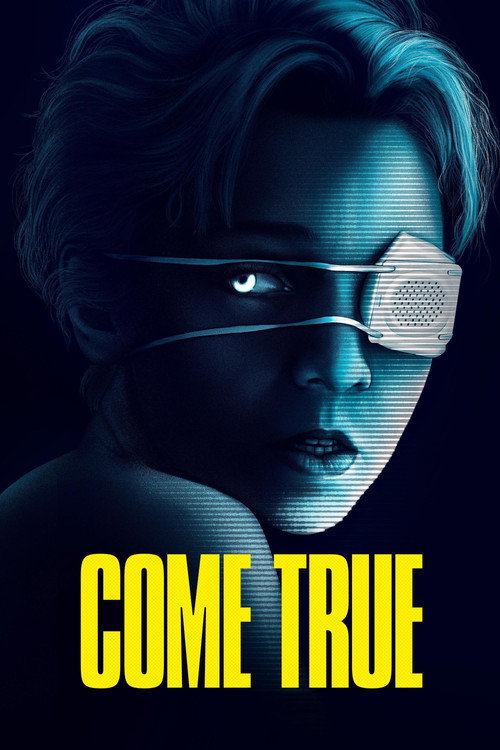
Come True2020
Both track the dissolving boundary between reality and a damaged psyche's distortion of it. Maniac uses blood; Come True uses dreams. Same collapse, different language.
A young woman joins a sleep study and descends into uncanny horror. It's a contemporary film that captures Maniac's interest in psychological fracture but through science-fiction and nightmare logic instead of slasher violence.
But It's slow and more interested in atmosphere than plot. The ending frustrates some viewers. It's more art film than genre piece.
Possession1981
Both excavate monstrosity from psychological damage, but Possession externalizes it as creature rather than action. Maniac is realism; Possession is German Expressionism filtered through a nightmare. Both argue that something unseen and unnameable is driving the horror—one calls it a killer, the other calls it a creature, but they're asking the same question about what breaks inside us.
Andrzej Żuławski's marriage-breakdown film about a woman whose trauma splits into a grotesque double. One of the strangest horror films ever made—more like a fever dream than a narrative.
But Difficult, visually grotesque, structurally chaotic. It demands active interpretation and rewards almost no one with comfort. Isabelle Adjani is extraordinary but the film is genuinely alienating.

People
Cast
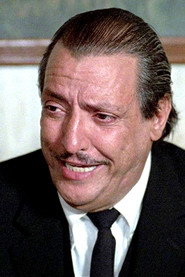 Joe SpinellFrank Zito
 Caroline MunroAnna D'Antoni
 Abigail ClaytonRita
- Denise SpagnuoloDenise
- Billy SpagnuoloBilly
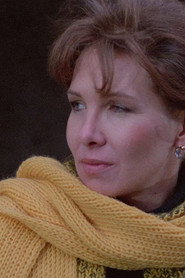 Kelly PiperNurse
 Sharon MitchellSecond Nurse
 Rita MontoneHooker
- Hyla MarrowDisco Girl
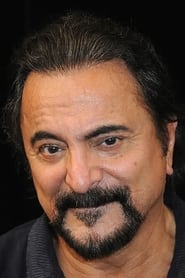 Tom SaviniDisco Boy
- Nelia BacmeisterCarmen Zito
- Linda Lee WalterBeach Girl
Directing
- William LustigDirector
- Stephen AndrewFirst Assistant Director
- Deborah LedendeckerScript Supervisor
- Janine StoverScript Supervisor
- Nelia BacmeisterSecond Assistant Director
- William Adams IIISecond Assistant Director
Writing
- C.A. RosenbergScreenplay
- Joe SpinellScreenplay
- Joe SpinellStory
Production
- John PackardAssociate Producer
- Andrew IntraterExecutive Producer
- Jason LustigExecutive Producer
- Joe SpinellExecutive Producer
- Judd HamiltonExecutive Producer
- Andrew W. GarroniProducer
- William LustigProducer
- Arthur BlumProduction Assistant
- Janie HeathProduction Assistant
- Jason LustigProduction Assistant
- Jerry SykesProduction Assistant
- Jim HarteProduction Assistant
- Cecilia VerardiProduction Office Coordinator
- Debi ZimmermanProduction Office Coordinator
- Laura LittleProduction Office Coordinator
- Andrew W. GarroniUnit Production Manager
Recommended by
Truth or Dare? - A Critical Madness, Terrifier 2, Vampire's Kiss, My Bloody Valentine, Terror Train, Don't Go in the Woods, Fear City, The Mutilator, Don't Go in the House, Don't Answer the Phone!, The New York Ripper, Friday the 13th: The Final Chapter, Comin' at Ya!, Death House, Headless, Night School, Christmas Evil