
Film
Maniac
Other titles called Maniac: the 1934 film, the 1980 film, the 2018 series (Netflix).
- Psychological horror
- Very dark
A brutally intimate remake of the 1980 slasher that trades gore spectacle for psychological claustrophobia. Elijah Wood's mannequin-shop owner is trapped in his own fractured mind, his violence inseparable from his delusion and desperate need for connection. It's a film that makes you complicit in depravity while feeling queasy about it.
Should you watch it?
Watch it if you want a horror film built almost entirely around one unsettling point of view, where the camera becomes the killer's eyes and the dread lives in claustrophobic framing and a pulsing synth score.
Skip it if you need your horror to have some breathing room, since this is relentlessly grim, bloody and claustrophobic, with little relief between its brutal set pieces.
What it asks of you: At under ninety minutes, it keeps you pinned close to one man's face-level view, so there is little rest from the lurking and little space to look away.
Not sure? Find tonight's pick in a minute.
If you liked this
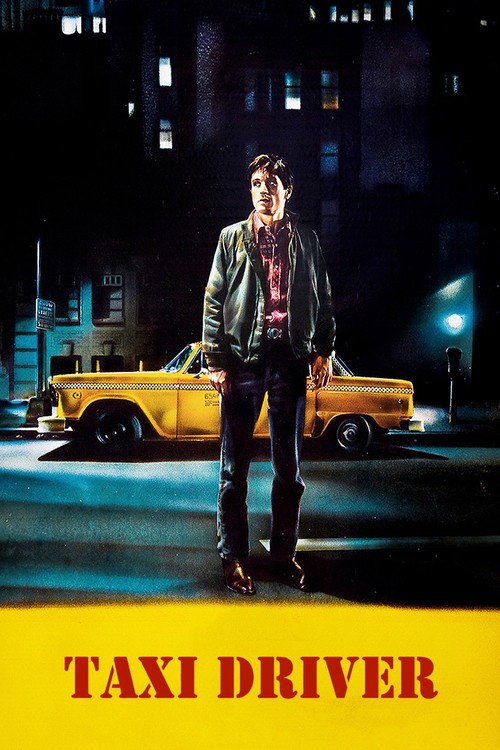
Taxi Driver1976
Travis Bickle is another urban loner whose interior monologue justifies escalating violence. Both films use their protagonist's distorted point of view to make us uncomfortable witnesses to their unraveling.
But The pacing is deliberate and the violence sparse. If you want constant action, this will feel slow and punishing.
Requiem for a Dream2000
Darren Aronofsky's descent into addiction and obsession uses disorienting visual and sound design to put you inside a fractured mind. Like Maniac, it's less interested in plot than in the experience of psychological collapse.
But Relentlessly bleak and stylistically punishing. The editing and sound design can feel assaultive rather than artistic, depending on your tolerance.

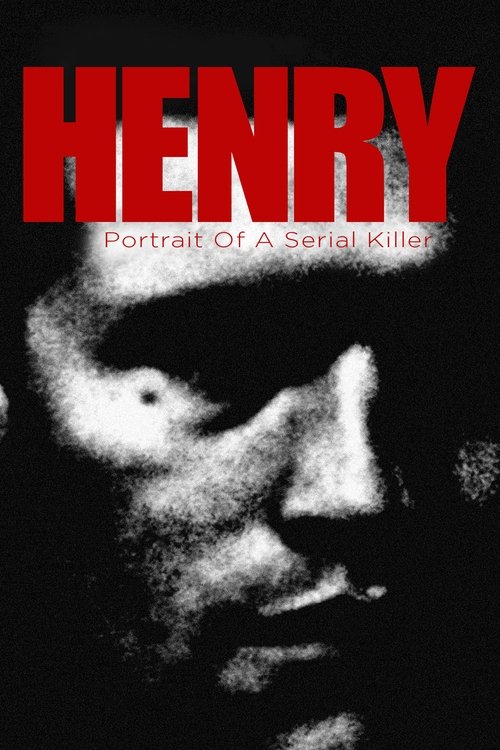
Henry: Portrait of a Serial Killer1986
An unflinching, almost documentary-like study of a killer's mundane existence and casual atrocity. It shares Maniac's refusal to sensationalise or psychologically explain away brutality.
But Grainy, cheap-looking, and genuinely difficult to watch. There's no catharsis or narrative satisfaction, just unease.
Not sure tonight? Get a pick in a minute, starting from Maniac
The wildcard
Something you would not have found on your own.
Come and See1985
Both films believe that showing you the inside of a disturbed mind requires you to feel contaminated by proximity to it. Both reject moral distance.
Elem Klimov's Soviet film about a boy caught in the horrors of WWII uses visceral, nightmarish imagery to destroy the viewer's sense of safety. Like Maniac, it doesn't explain evil—it immerses you in it without mercy.
But One of the most brutal and traumatising films ever made. It's not entertainment; it's an endurance test that some find exploitative rather than enlightening.

More like this (8)
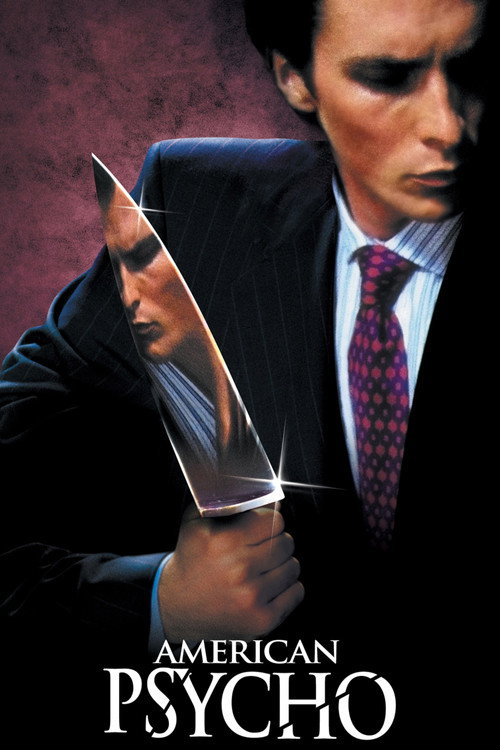
American Psycho2000
Another protagonist whose violence and narcissism are bound up in delusion and the need to be seen. Both films blur the line between what's real and what's in the killer's head.
But Relies heavily on satire of 1980s excess. If you don't find the corporate world absurd, the film's dark comedy won't land.
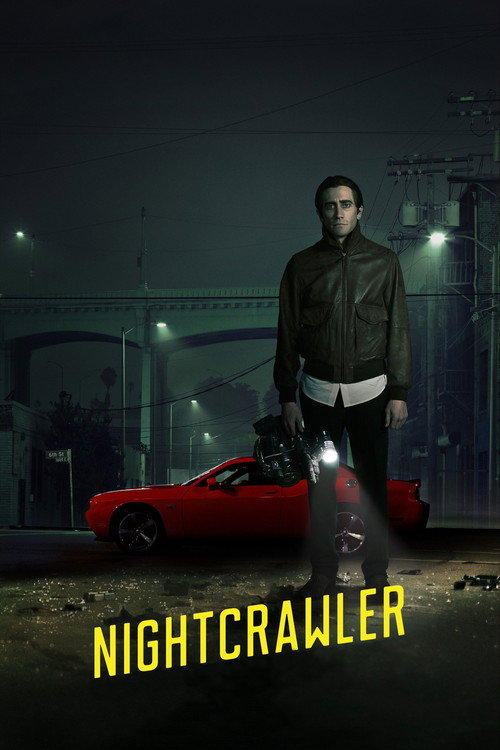
Nightcrawler2014
Jake Gyllenhaal's Lou Bloom is another charismatic misfit with a warped sense of morality, using charm to manipulate those around him. Both explore how monsters can hide in plain sight.
But Takes a while to establish its dread. The real horror is slow-burn psychological rather than shocking.
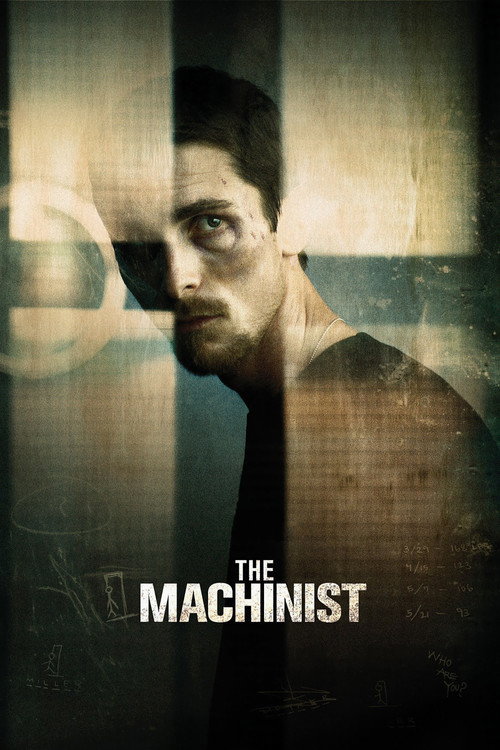
The Machinist2004
Christian Bale's insomniac factory worker is consumed by guilt and paranoia, his mind corroding in real time. Like Maniac, it's a portrait of someone whose reality is collapsing from within.
But Extremely bleak with no relief. The twist ending divides viewers on whether it justifies the preceding bleakness.
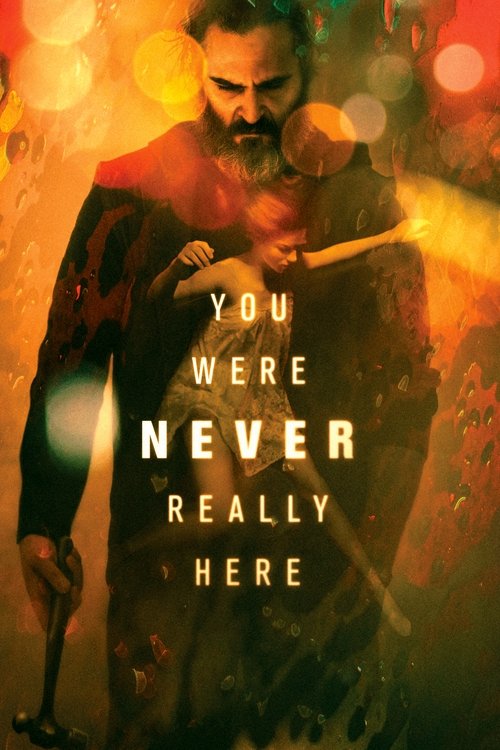
You Were Never Really Here2017
Lynne Ramsay's portrait of a trauma-damaged fixer uses disorienting edits and sound design to convey PTSD and dissociation. It's another film that doesn't explain its protagonist so much as inhabit his broken mind.
But Structurally fragmented and visually abstract. If you prefer clear narratives, this will feel obscure and frustrating.
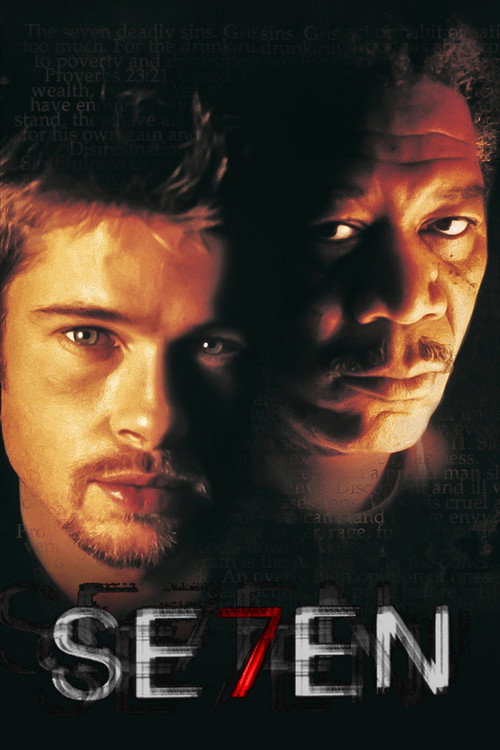
Se7en1995
A serial killer thriller that's genuinely interested in the psychology of obsession—both the killer's and the detective pursuing him. Both films understand that violence isn't entertainment but contamination.
But Extremely dark and hopeless. The ending offers no resolution or justice, just despair.
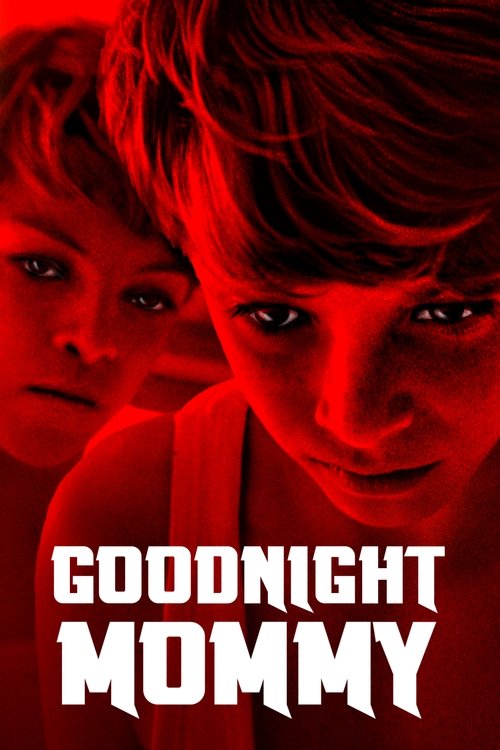
Goodnight Mommy2015
An Austrian horror film about a boy whose perception of reality fractures after his mother's facial surgery. Like Maniac, it's more interested in subjective terror than objective violence.
But The twist is the whole film. Once you know it, there's little reason to revisit, and the pacing before revelation is deliberately frustrating.
Possession1981
Both are obsessed with the gap between what someone seems like and what they're actually capable of. Both use visual abstraction to convey interior collapse rather than explain it.
Andrzej Żuławski's film about a marriage dissolving into madness is visually chaotic and emotionally raw in ways that echo Maniac's fractured perspective. Isabelle Adjani's performance is unhinged in the best way.
But The plot is secondary to the atmosphere of psychological dissolution. It's more about the feeling of losing your mind than a coherent narrative.

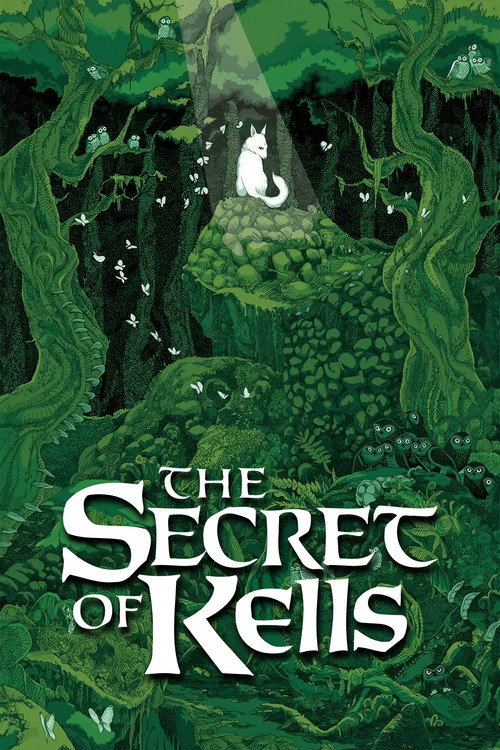
The Secret of Kells2009
Both films understand that how you see the world determines who you become. Kells is the inverse—a portrait of learning to see beauty and complexity instead of threat. Same obsession, opposite direction.
An Irish animated film about beauty and darkness in mythology. Radically different in tone and genre, but it's another story about someone's inner world made visible through visuals, and about learning to live with darkness rather than destroy it.
But Animated films aren't everyone's entry point for serious cinema. The mythological framing might feel overly whimsical if you're coming from Maniac expecting realism.
People
Cast
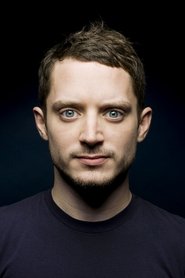 Elijah WoodFrank Zito
 Nora ArnezederAnna
 America OlivoFrank's Mother
 Zoe AggelikiJenna
 Jan Broberg FeltRita
 Joshua De La GarzaMartin
 Dan HunterNick / Clubber Boy
 Genevieve AlexandraJessica
 Liane BalabanJudy
 Megan DuffyLucie
 Luis Fernandez-GilWaiter
 Aaron ColomAlley Man
Directing
- Franck KhalfounDirector
- Matt HendersonFirst Assistant Director
- Erin ConnarnScript Supervisor
- Marie-Hélène RiverainSecond Assistant Director
- J.D. DenisonSecond Second Assistant Director
- John David DenisonSecond Unit Director
Writing
- C.A. RosenbergOriginal Film Writer
- Joe SpinellOriginal Film Writer
- Alexandre AjaScreenplay
- Grégory LevasseurScreenplay
Production
- Barbara HarrisADR Voice Casting
- J.B. PopplewellAssociate Producer
- Justine RaczkiewiczAssociate Producer
- John BarbaCasting
- Lisa FieldsCasting
- Shannon CollisCasting Assistant
- Alix TaylorExecutive Producer
- Andrew W. GarroniExecutive Producer
- Antoine de CazotteExecutive Producer
- Daniel DelumeExecutive Producer
- Pavlina HatoupisExecutive Producer
- Shaunessy James QuinnExtras Casting
- Sara CorreaKey Set Production Assistant
- Eric StangelandLocation Assistant
- Michael SmithLocation Manager
- Alexandre AjaProducer
- Thomas LangmannProducer
- William LustigProducer
- Allison AndradeProduction Accountant
- Élodie MazoyerProduction Accountant
- Saleah AyadiProduction Accountant
- Anh PhanProduction Assistant
- Ben ParksProduction Assistant
- Christina LeeProduction Assistant
- Cindy HongProduction Assistant
- Clemence D'AllensProduction Assistant
- Dan BrowneProduction Assistant
- Dan EasonProduction Assistant
- Eric JohnsonProduction Assistant
- Sam FickmanProduction Assistant
- Stephanie WolfProduction Assistant
- Ryan MininghamProduction Coordinator
- Thibaut RemyProduction Coordinator
- Allen KelleyProduction Secretary
- David McNayrProduction Secretary
- Daniela RothProduction Supervisor
- Antoine de CazotteUnit Production Manager
Recommended by
The Cell, The Midnight Meat Train, In a Violent Nature, ChromeSkull: Laid to Rest 2, The Driller Killer, The Funhouse Massacre, A Horrible Way to Die, Silent Night, Deadly Night, See No Evil 2