
Film
Maniac
Other titles called Maniac: the 1980 film, the 2012 film, the 2018 series (Netflix).
A fever-dream of a film from the depths of early sound horror. Bill Woods plays an unravelling ex-vaudeville performer who descends into mania while assisting a mad surgeon. Shot in hyperventilating close-ups and lurching angles, it moves with the logic of nightmare—barely coherent, genuinely unsettling, and utterly unlike anything else from 1934.
Should you watch it?
Watch it if you enjoy stumbling onto strange, threadbare old horror where the crude staging and odd performances become the pleasure, and you don't need polish to be unsettled.
Skip it if you want slick modern scares or a tight plot, since this is creaky, talky and so rough-edged that its shocks rarely land the way current horror does.
What it asks of you: Under an hour, and it moves at a stage-play pace, so you'll need to settle into its stiff rhythms and let the dated acting wash over you.
Not sure? Find tonight's pick in a minute.
If you liked this
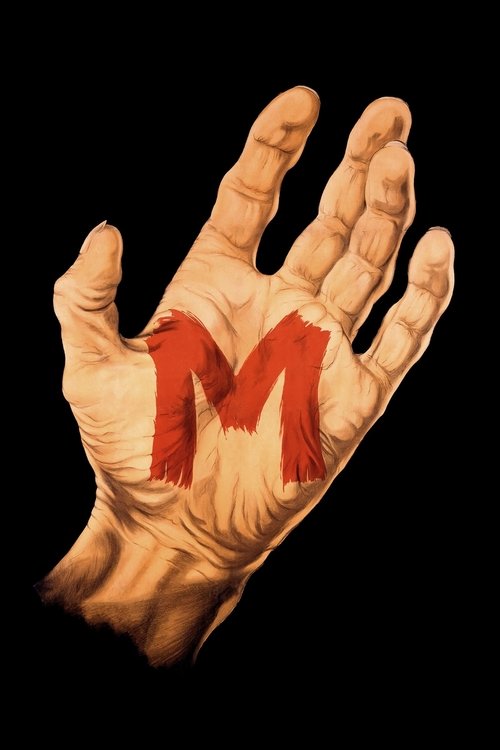
M1931
Fritz Lang's study of a serial killer loose in Berlin. It has the same atmosphere of psychological fracture, the same willingness to let the camera linger on human monstrosity, and the same sick fascination with what breaks a mind.
But It's long, dialogue-heavy, and shot in the crisp documentary style of Weimar cinema—nothing like the baroque desperation of Maniac.
The Cabinet of Dr. Caligari1920
The DNA of Maniac runs straight back to this. Twisted sets, an authority figure concealing his true nature, a protagonist whose grip on reality is slipping. Both films let the visuals scream what the plot can barely articulate.
But It's older and move formally experimental. The acting style is silent-era theatrical, which can feel very far away.

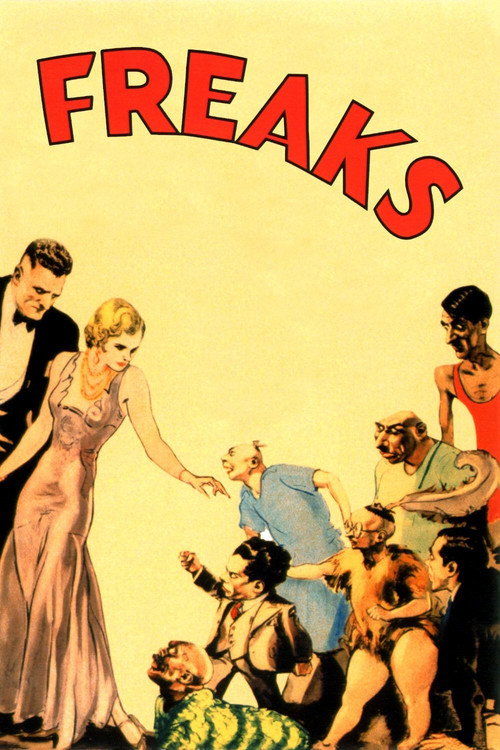
Freaks1932
Another pre-code horror that treats human degradation with genuine transgressive power. Like Maniac, it does not soft-pedal its subject matter, and it trusts the viewer to sit with profound discomfort.
But It's genuinely difficult to watch, and the subject matter—exploitation of people with disabilities—remains morally fraught no matter how sympathetically it's framed.
Not sure tonight? Get a pick in a minute, starting from Maniac
The wildcard
Something you would not have found on your own.
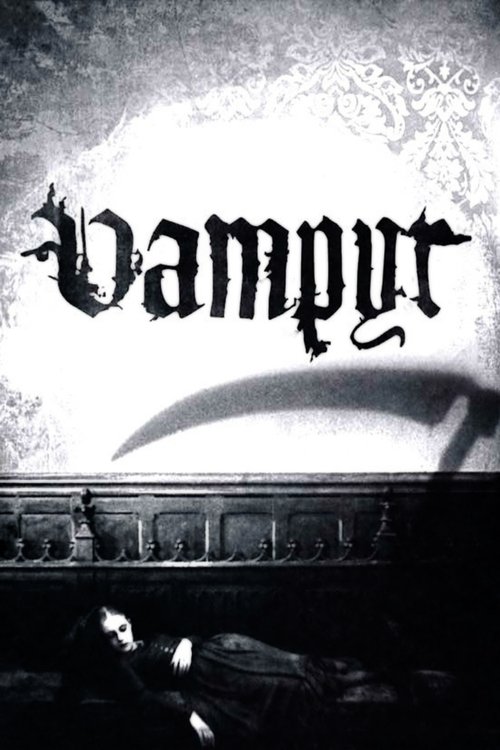
Vampyr1932
Both use formal disorientation—strange framings, non-naturalistic editing, sudden tonal shifts—to put the viewer inside a deteriorating consciousness.
Carl Theodor Dreyer's masterpiece of pure dread, where a young man slides into complicity in his village's supernatural nightmare. Like Maniac, it uses disorienting camera angles and dreamlogic editing to dissolve the boundary between observer and participant. Neither film explains itself; both trust you to feel the wrongness.
But It's slow, it's cryptic, and it will not hold your hand. Long sequences have no dialogue and the plot emerges in fragments. If you need clarity you will be frustrated.
More like this (7)
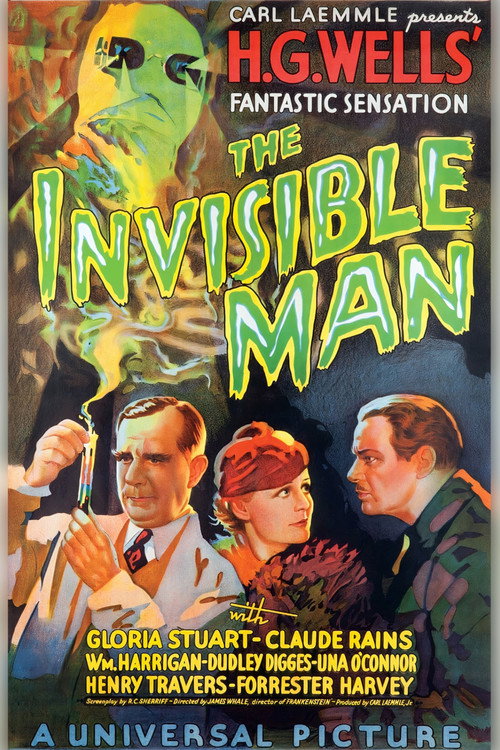
The Invisible Man1933
Universal horror with a male lead whose sanity collapses as his circumstances spiral. James Whale's direction has the same dark energy and visual invention that keeps Maniac from feeling stage-bound.
But It's a bigger, slicker production with more of a plot to follow. Less raw, more entertainment.
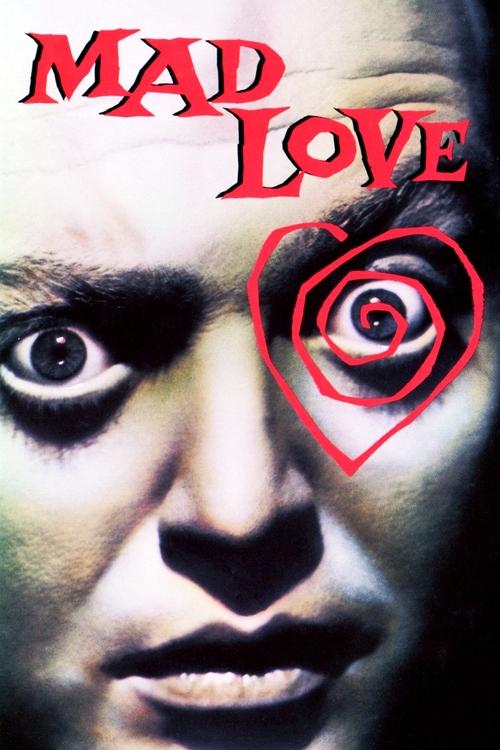
Mad Love1935
Peter Lorre in the same territory: a surgeon's obsession metastasizing into violent delusion. It shares Maniac's fascination with the thin line between medical expertise and murderous compulsion.
But It's more polished and conventional, with more of a love-story spine. Less committed to pure psychological horror.
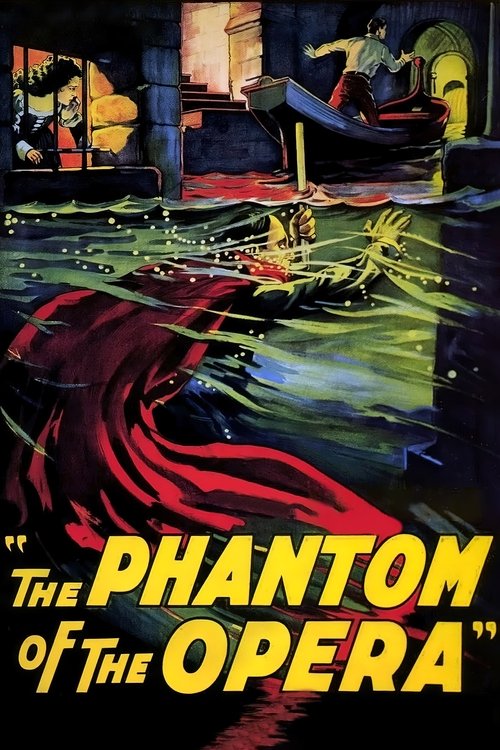
The Phantom of the Opera1925
Lon Chaney in the original, with Expressionist design and the same preoccupation with disfigurement, genius, and the murder lurking beneath civility. A direct ancestor of what Maniac is trying to do.
But Silent film acting and pacing will feel glacially slow if you're not already attuned to it.
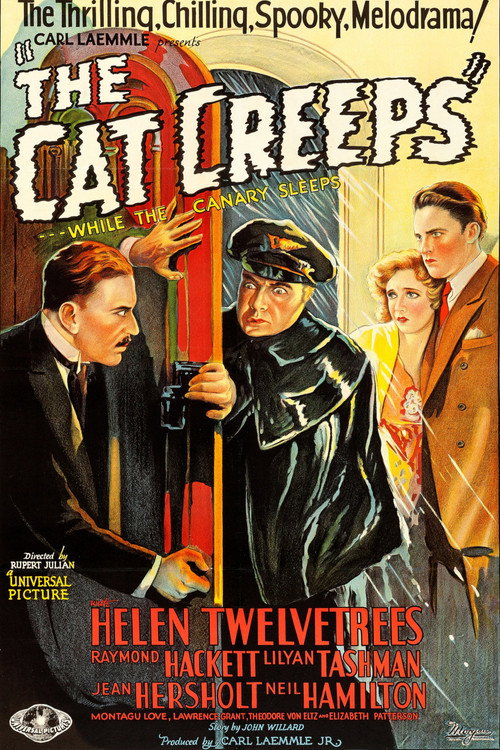
The Cat Creeps1930
Early Universal sound horror with the same atmosphere of creeping paranoia and domestic menace. A locked-house mystery that descends into psychological spiralling.
But It's obscure for a reason—the mystery plot is overcooked and the resolution drags. Worth seeing once, but doesn't hold.
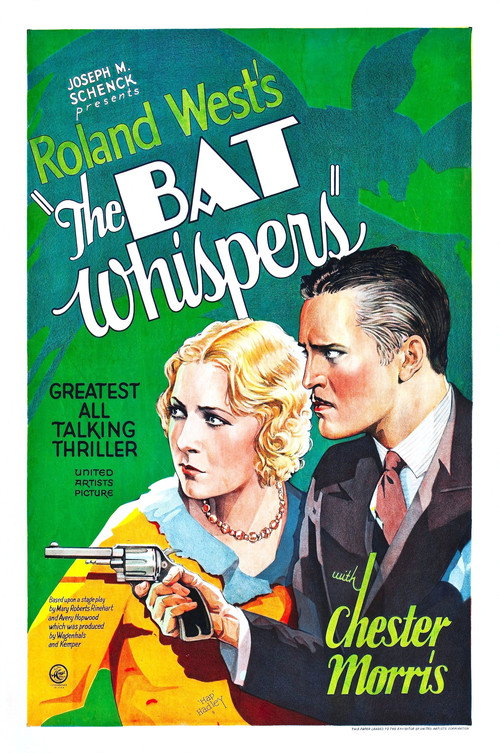
The Bat Whispers1930
A proto-thriller with exceptional camera work and a palpable sense of unease moving through a house. The visual language—odd angles, shadow-play, unseen threats—is in Maniac's lineage.
But The plot is a tangled murder mystery that's genuinely hard to follow, and the masquerade ending can feel like a cheat.
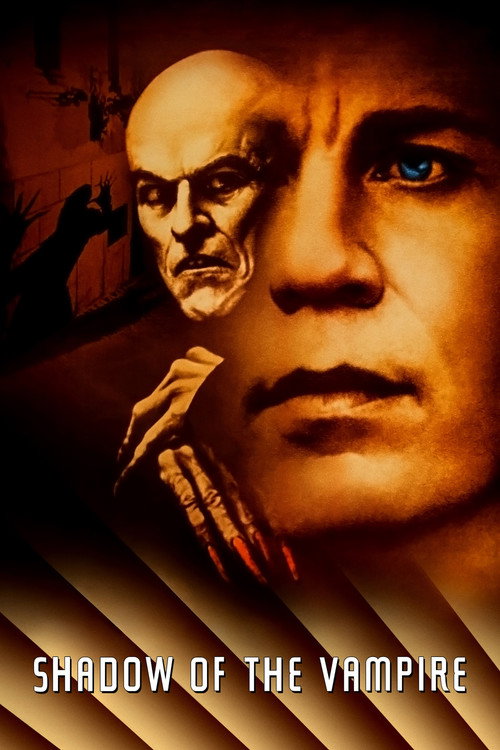
Shadow of the Vampire2000
A modern film about obsession, method, and the blurring of performance and reality on a film set. It echoes Maniac's interest in people playing roles until they lose themselves entirely.
But It's very explicitly about cinema in a way that can feel self-conscious, and the vampire-as-method-actor conceit takes a while to fully land.
Possession1981
Both films make the viewer's discomfort part of the experience. They are not interested in horror as entertainment, but as a way of showing what it looks like when a person breaks apart.
Andrzej Żuławski's film about a crumbling marriage that becomes grotesque and nightmarish. Isabelle Adjani delivers a performance of raw mania that echoes Woods' own fracturing. It's visual horror rooted in psychological rupture: loud, irrational, physically overwhelming.
But It's deliberately ugly and obscene. Adjani's performance is exhausting to watch. The film luxuriates in conflict and does not resolve in any satisfying way.

People
Cast
- Bill WoodsDon Maxwell
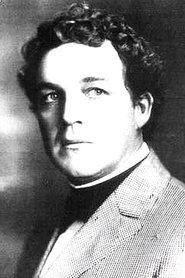 Horace B. CarpenterDr. Meirschultz
- Ted EdwardsBuckley
- Phyllis DillerMrs. Buckley
- Theo RamseyAlice Maxwell
- Jenny DarkMaizie
- Marvelle AndreMarvel
- John P. WadeEmbalmer
 Marian Constance BlacktonNeighbor
Directing
- J. Stuart Blackton Jr.Assistant Director
- Dwain EsperDirector
Writing
- Hildegarde StadieWriter
Production
- Dwain EsperProducer
- Hildegarde StadieProducer
- Louis SonneyProducer