
Film
The Cat Creeps
A 1930 haunted-house mystery where potential heirs gather to learn who inherits a fortune, only to discover a murderer is loose in the building. Creaky, theatrical, and genuinely atmospheric in the way silent-era horror could be—all shadows and insinuation. For anyone curious about how mystery-horror worked before sound clarified everything away.
Should you watch it?
Watch it if you enjoy creaky early-talkie horror where the fun is in the atmosphere, the stock characters and the slow-building sense that everyone in the house is hiding something, closer in spirit to The Cat and the Canary than to anything modern.
Skip it if you need your scares to land quickly or your pacing brisk, since its 1930 stagey staging, static camera and talky scenes can feel creaky even by the standards of its era.
What it asks of you: It runs a brisk 75 minutes, so it asks for patience with old-fashioned dialogue and theatrical performances, and a willingness to let its mystery unspool at its own unhurried pace.
Not sure? Find tonight's pick in a minute.
If you liked this
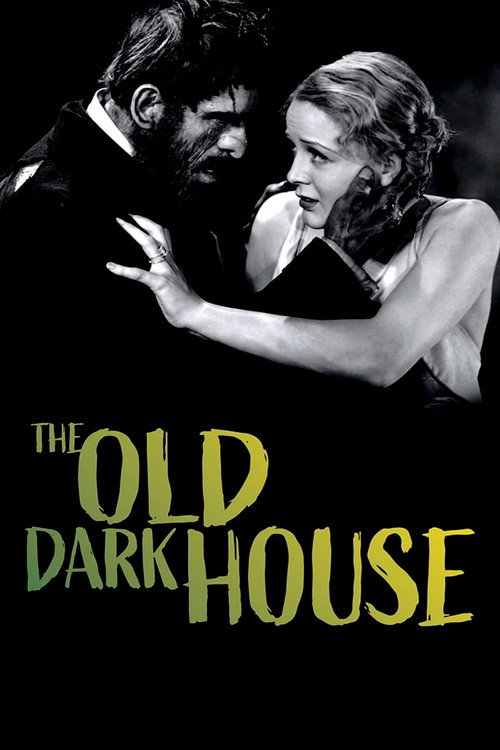
The Old Dark House1932
James Whale's masterpiece: a group trapped in a Gothic mansion during a storm, with mounting dread and genuine scares. Proof that pre-Code horror was often smarter and nastier than people assume.
But Slow by modern standards, with theatrical performances that can feel arch. The family of eccentrics hosting them borders on melodrama.
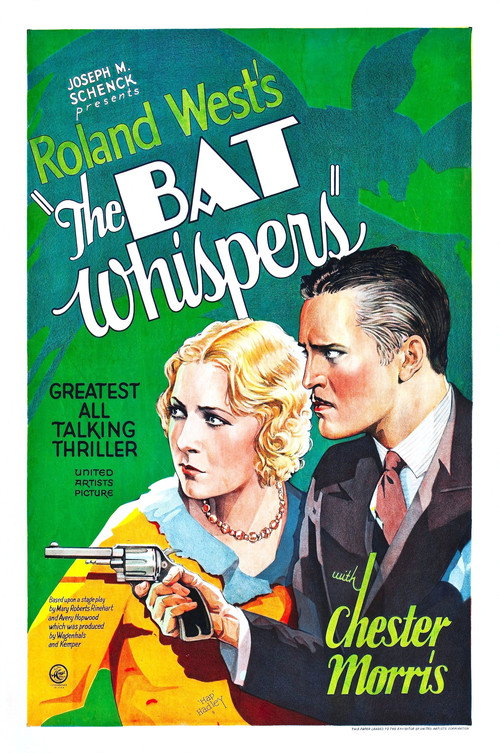
The Bat Whispers1930
A master criminal terrorizes an estate while the residents scramble to solve a theft. Incredibly inventive camera work and editing for the era—it moves with real propulsive energy.
But The mystery plot is genuinely convoluted and some reveals feel arbitrary. Watching it requires active attention or you'll lose the thread entirely.
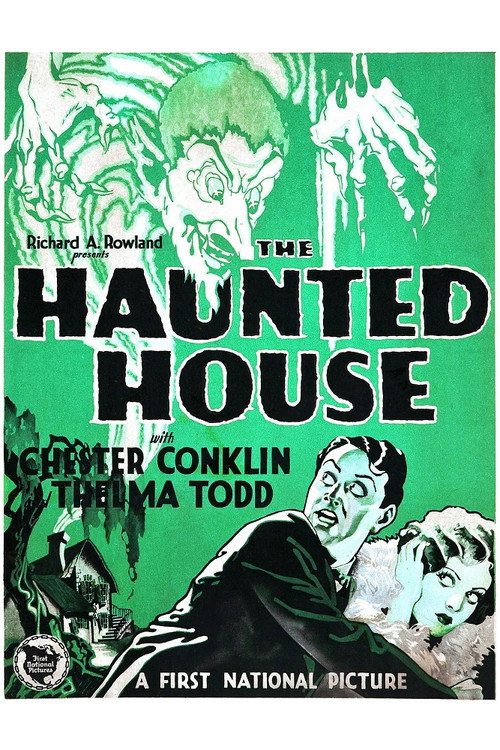
The Haunted House1928
A proto-slasher with a killer stalking residents through a mansion, shot with remarkable atmospheric control. Short, punchy, and surprisingly brutal for 1928.
But Prints are often damaged; the version you'll find may be scratchy and incomplete. The pacing is almost mannered by later standards.
Not sure tonight? Get a pick in a minute, starting from The Cat Creeps
The wildcard
Something you would not have found on your own.
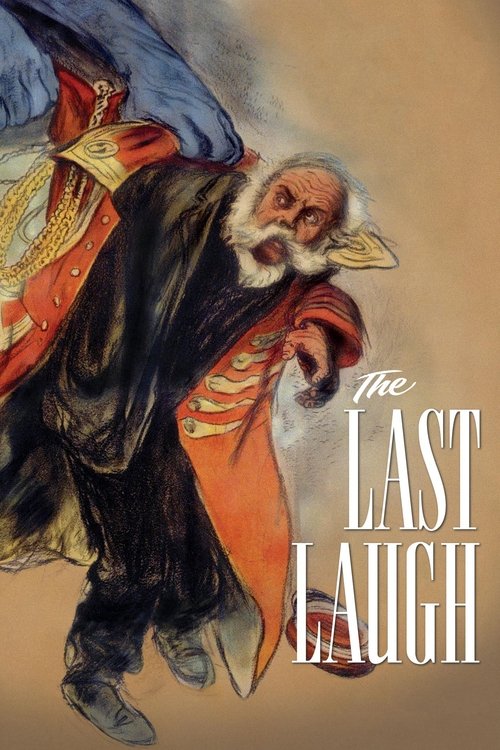
The Last Laugh1924
Both understand that a confined space and social hierarchy create the real horror, not monsters or jump scares.
Murnau's masterpiece: a hotel doorman's entire life collapses after he loses his uniform. No title cards, just pure visual storytelling. It shares The Cat Creeps' sense that genteel spaces hide desperate, dangerous lives beneath.
But It's a psychological tragedy with no mystery elements—if you're coming for plot twists, you'll be disappointed. The humiliation it depicts is genuinely uncomfortable to watch.
More like this (7)
The Phantom Carriage1921
Swedish ghost story about a dying man haunted by a supernatural coach. Visually stunning, with genuine existential weight beneath the horror trappings.
But It's a meditation on death and regret, not a thriller. If you want scares over atmosphere, you'll find it slow and melancholic.

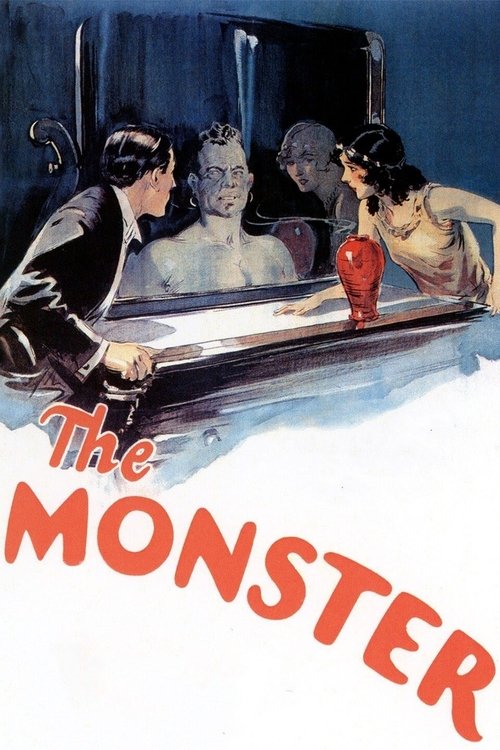
The Monster1925
A mad scientist and his creation terrorize a country house. Wonderfully weird, with a proto-Frankenstein energy and real visual imagination.
But The plot is threadbare and some scenes don't quite land. It's driven more by atmosphere and set design than by story coherence.
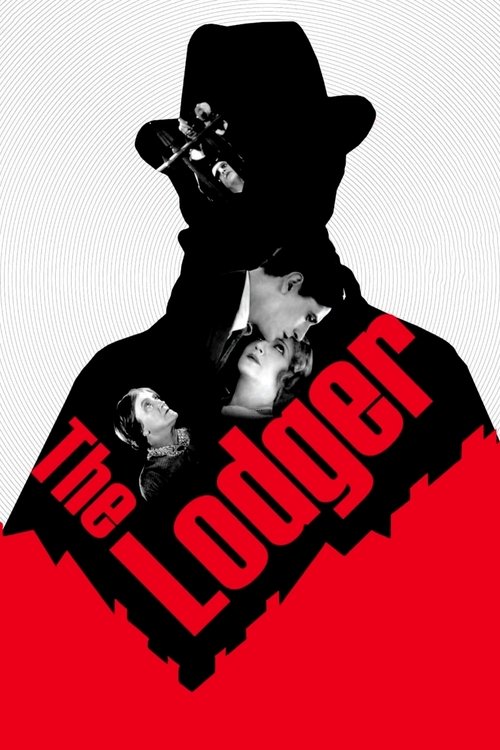
The Lodger: A Story of the London Fog1927
Hitchcock's first thriller: a mysterious tenant moves into a boarding house as a serial killer stalks the neighbourhood. Paranoia, suspicion, and visual storytelling at the highest level.
But The supernatural subplot feels tacked on and the ending hedges. It's more concerned with mood than plot resolution.
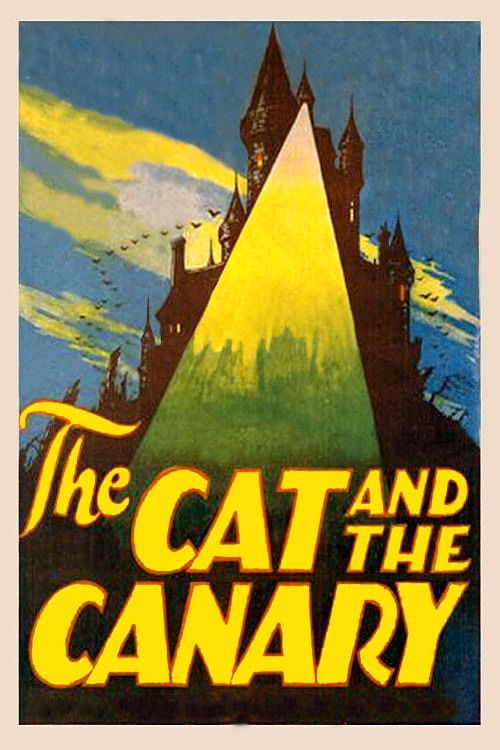
The Cat and the Canary1927
A will reading in a spooky mansion becomes a comedy-mystery as heirs try to kill each other. Darkly funny, with excellent comic timing and genuine jolts.
But The humour is very much of its era and may feel broad. Some jokes land better on repeat viewing than the first time through.
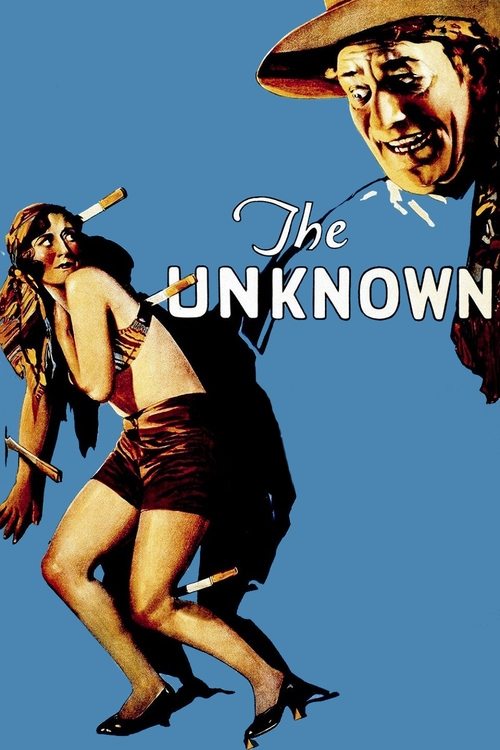
The Unknown1927
Lon Chaney as a disfigured criminal who infiltrates a circus to be near the woman he loves. A strange, melancholic love story wrapped in horror visuals.
But The plot hinges on a betrayal so complete it's almost nihilistic. The ending is bleak in a way that might feel punitive.
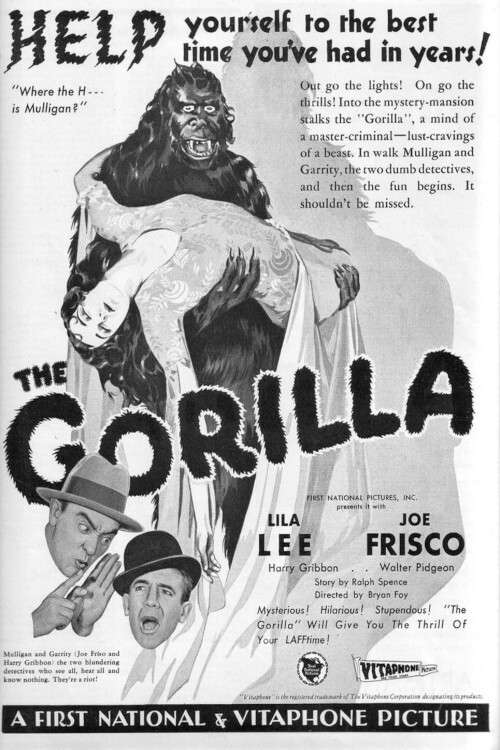
The Gorilla1930
A gorilla escapes during a murder mystery in a mansion. Lurid, trashy fun with real production values and a knowing sense of its own absurdity.
But The tone veers wildly between mystery and comedy, and the gorilla is obviously a person in a suit. It's impossible to take seriously, even if you try.
Nosferatu1922
Both use a house—or in this case a ship and town—as a character that traps and threatens everyone inside it. Both understand that real dread comes from enclosure.
The original vampire film, illegal for decades because it directly plagiarized Bram Stoker. Hypnotic and genuinely eerie—visual storytelling so precise it barely needs the plot.
But It moves by mood rather than narrative momentum; long stretches have almost no dialogue or action. The pacing will feel glacial if you're used to modern horror.

People
Cast
 Helen TwelvetreesAnnabelle West
 Raymond HackettPaul
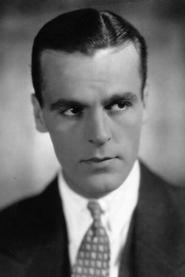 Neil HamiltonCharles Wilder
 Lilyan TashmanCicily
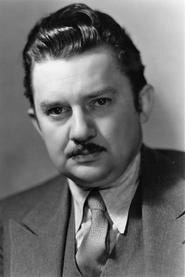 Jean HersholtDr. Patterson
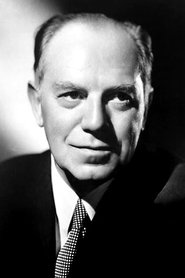 Montagu LoveHendricks
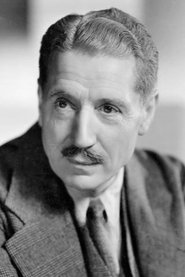 Lawrence GrantCrosby
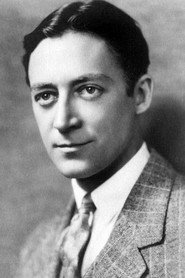 Theodore von EltzHarry Blythe
 Blanche FridericiMam' Pleasant
 Elizabeth PattersonSusan
Directing
- John WillardDirector
- Rupert JulianDirector
Writing
- John WillardTheatre Play
- Gladys LehmanWriter
- William HurlbutWriter