
Film
The Leopard Man
A leopard's escape during a nightclub publicity stunt unleashes a wave of murders through Santa Fe. This 1943 RKO production blends film noir with horror, creating something stranger and more psychologically unsettling than either genre alone. It's visually gorgeous, atmospherically thick, and genuinely eerie—though it demands patience and rewards attention. For fans of pre-war horror that respects the audience's intelligence.
Should you watch it?
Watch it if you love lean, atmospheric B-movies where shadows, rain-slick streets and suggestion do more work than gore, and a sense of dread matters more than a tidy explanation.
Skip it if you want modern scares with bloody set pieces or a fast, plot-driven pace; this one moves slowly, builds mood patiently, and keeps its horror mostly off-screen.
What it asks of you: Sixty-six minutes, unhurried, with long quiet stretches that reward patience and a willingness to let atmosphere carry the tension rather than spectacle.
Not sure? Find tonight's pick in a minute.
If you liked this
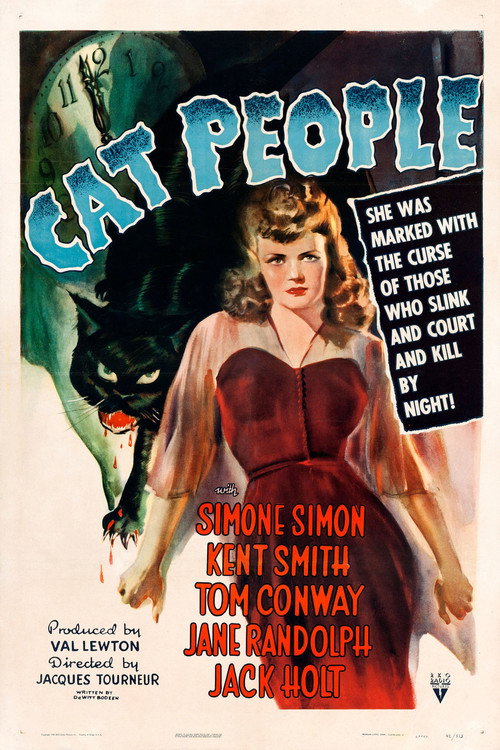
Cat People1942
Directed by the same team (Jacques Tourneur), this cat-woman thriller shares The Leopard Man's brilliance with ambiguity—is the danger real or psychological? It's elegant, erotic, and architecturally perfect. A masterpiece.
But The pacing is deliberate and the sexual tension might feel coded or remote by today's standards. Not a movie that rushes.
The Killers1946
A lean, brutal film noir with Burt Lancaster's fatalism and Ava Gardner's poison. It uses violence as punctuation rather than spectacle, leaving you unsettled in exactly the way The Leopard Man does.
But The narrative fractures across time and it can feel emotionally cold. Some find it too sparse to invest in.

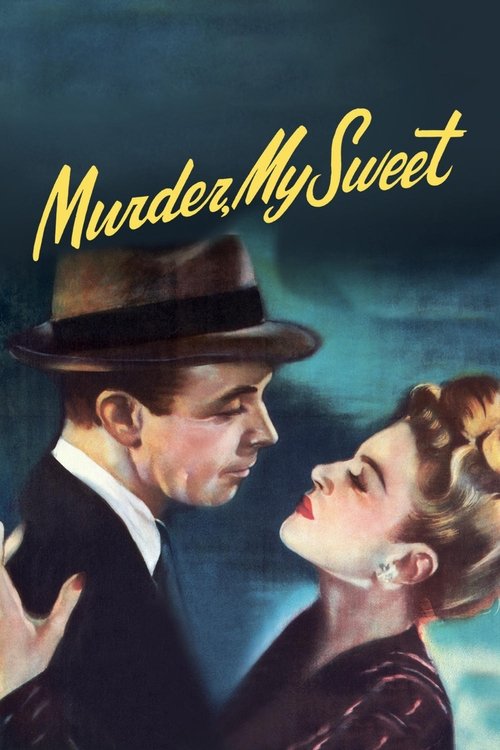
Murder, My Sweet1944
Dick Powell goes against type in this twisty noir about a man drawn into a world of lies and danger. It shares The Leopard Man's atmosphere: beautiful, paranoid, nothing quite what it seems. Gorgeously shot.
But The plot becomes genuinely convoluted in the third act and requires active following. Not forgiving if you're half-watching.
Not sure tonight? Get a pick in a minute, starting from The Leopard Man
The wildcard
Something you would not have found on your own.
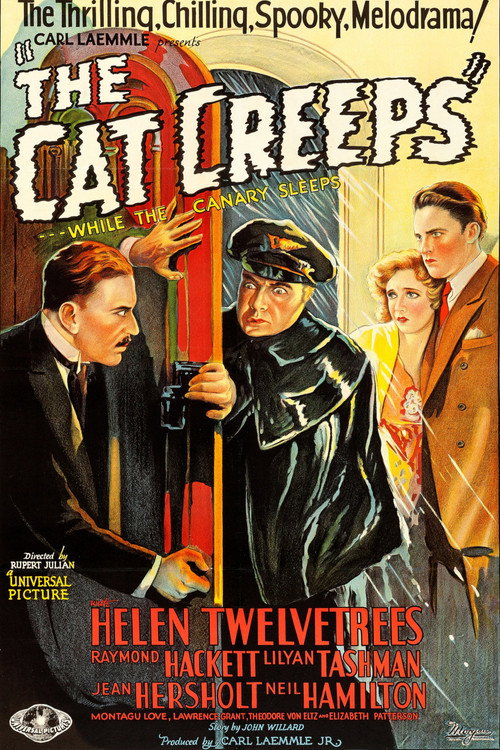
The Cat Creeps1930
Both films use the animal as a scapegoat and mirror—is the killer the leopard, or human nature itself? Same central conceit, thirty years apart.
An earlier, rawer version of the same story—a murderer blamed on an escaped feline. It's crude where Leopard Man is sophisticated, but shares the core idea: chaos and blame and the masks we wear. A genetic ancestor.
But This is silent-adjacent early sound horror with primitive effects and histrionic acting. It's an artifact, not a polished product. You watch it for what it is, not what it does.
More like this (8)
The Third Man1949
Vienna after the war, moral ambiguity, and a murder mystery that's as much about doubt as detection. The zither score is unforgettable. A complete artistic statement—every frame matters.
But It's deliberately European and unhurried. American audiences sometimes find it fatalistic to the point of coldness.

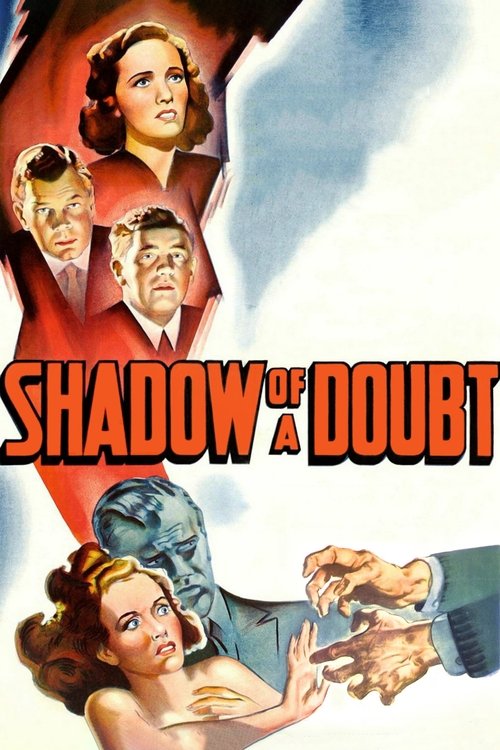
Shadow of a Doubt1943
Hitchcock's favorite among his own films. A small American town harboring a terrible secret, ordinary people in extraordinary danger. The dread builds like steam in a sealed room.
But It's not about shock or action. The horror is psychological and slow. If you want momentum, this will frustrate you.
In a Lonely Place1950
Humphrey Bogart as a violent screenwriter suspected of murder. Noir as psychological case study—about paranoia, male rage, and how suspicion corrodes love. Bleak and brilliant.
But Bogart's character is actively off-putting, even when the audience understands him. The film offers no comfort.

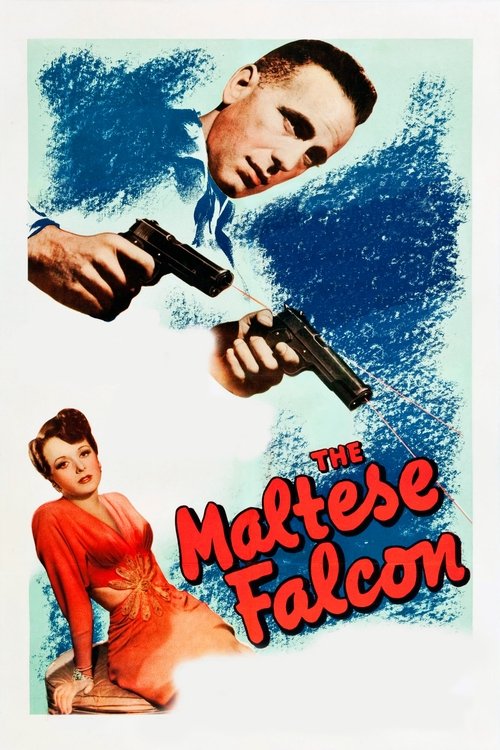
The Maltese Falcon1941
Huston's debut, Bogart's apotheosis. Everyone is lying, the MacGuffin barely matters, and the pleasure is watching smart people move through a beautifully constructed puzzle.
But It's talky and plot-heavy. Modern audiences sometimes find noir dialogue mannered, even if that mannering is exactly the point.
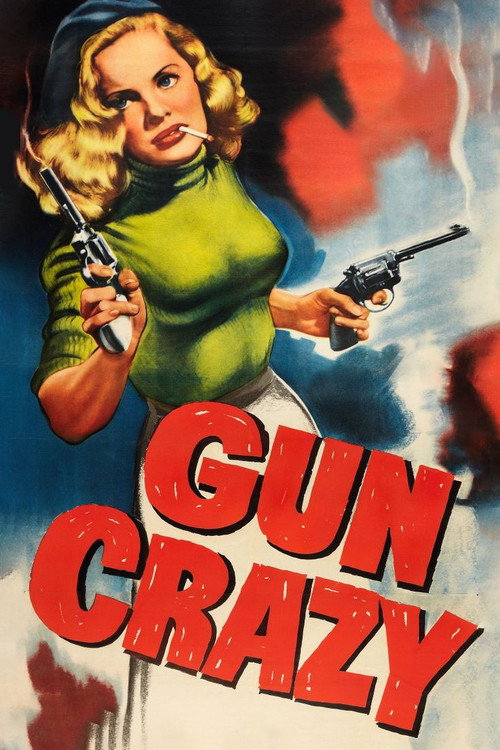
Gun Crazy1950
A lovers-on-the-run film that predates Bonnie and Clyde by nearly two decades. Raw, sexual, genuinely violent—a genuine precursor to modern crime cinema. Astonishing.
But It's grimy and morally repellent in ways 1950 wasn't ready for. Some of that transgression feels dated; some still burns.
D.O.A.1949
A man discovers he's been poisoned and has days to live. Instead of despairing, he pursues his own murderer. It's a high-concept thriller built entirely on that premise, executed with elegant economy.
But The emotional stakes flatten because the protagonist is already dead. Some viewers find that conceptually clever but dramatically inert.

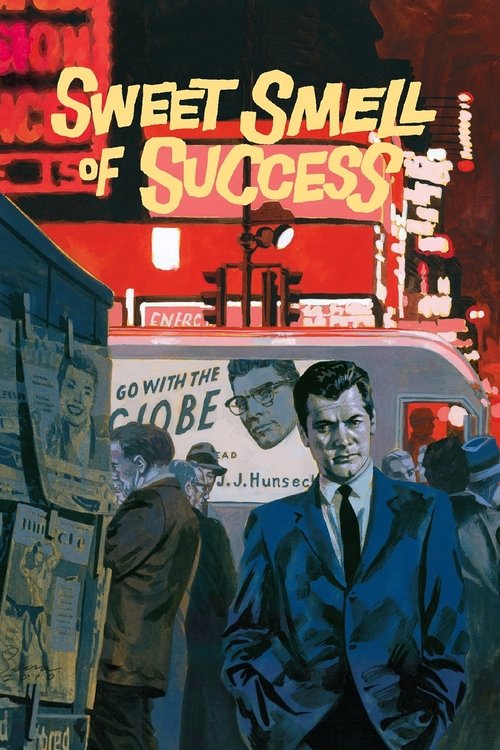
Sweet Smell of Success1957
Both are noir films about violence erupting in a confined world, where the real danger isn't from outside but embedded in the social fabric itself. Both blame the human animal, not the literal one.
A Broadway columnist and a smalltime hustler in a dance of mutual destruction. Every frame writhes with corruption and lust. The dialogue is Shakespearean acid. One of the greatest films ever made.
But It's so densely written, so vicious, so unrelenting that it can exhaust rather than entertain. There's no character to root for and no mercy in the script.
The Phantom Carriage1921
Both are phantom stories—not about the literal threat but about what guilt conjures. Both use atmosphere and shadow to externalize interior dread. Both are about the reckoning that follows evil.
Arne Bergman's Swedish masterpiece about a man forced to ride with Death on Christmas Eve, watching his own ruin unfold. Visually groundbreaking, spiritually devastating. The visual template for decades of horror.
But It's silent, it's glacially paced, and it demands you accept its fairy-tale logic. The sentimentality—genuine and earned—may feel distant to modern eyes.

People
Cast
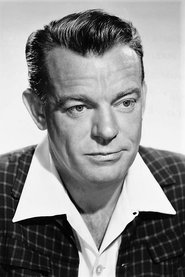 Dennis O'KeefeJerry Manning
 MargoClo-Clo, aka Gabriella
 Jean BrooksKiki Walker
 Isabel JewellMaria the Fortune Teller
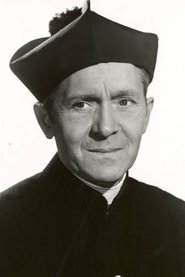 James BellDr. Galbraith
- Margaret LandryTeresa Delgado
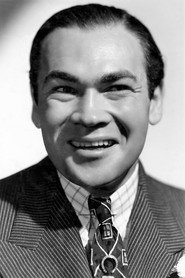 Abner BibermanCharlie How-Come
 Tuulikki PaananenConsuelo Contreras
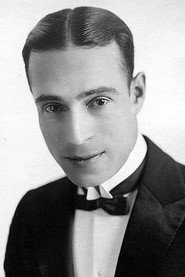 Ben BardPolice Chief Robles
- Ed AgrestiMexican Police Officer (uncredited)
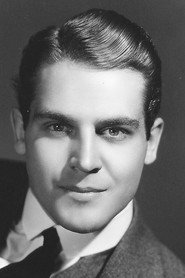 Robert AndersenDwight Brunton (uncredited)
- Lulu Mae BohrmanNightclub Patron (uncredited)
Directing
- William DorfmanAssistant Director
- Jacques TourneurDirector
Writing
- Cornell WoolrichNovel
- Ardel WrayScreenplay
Production
- Val LewtonProducer
- Lou L. OstrowProduction Supervisor
Recommended by
Cat People, The Spiral Staircase, House of Usher, The Fly, Cat People, House of Dracula, Mad Love, Island of Lost Souls, The Black Castle, Black Moon, The Man They Could Not Hang, The Curse of the Mummy's Tomb, Werewolf, The Mummy's Hand, The Dunwich Horror, The Body Snatcher, Hedgehog in the Fog, The Mad Monster, The Mummy's Curse, She, Captive Wild Woman, Voodoo Man, The Alligator People, Tarzan, The Haunted Palace, The Murderer Lives at Number 21