
Film
Captive Wild Woman
A 1943 horror-sci-fi B-picture where a mad scientist attempts to transform a gorilla into a woman through glandular experimentation. Driven by genuine wrongness rather than polish, it's an exploitation film that stumbles onto something genuinely unsettling—the body horror precedes modern cinema by decades. Cult classic material for genre enthusiasts and midnight-movie devotees.
Should you watch it?
Watch it if you enjoy lurid, creaky 1940s horror where the pleasure is in the old-fashioned melodrama, a mad doctor's ambitions and the gleefully unsubtle staging of a mad experiment, the way Universal's monster pictures of that era did.
Skip it if you need modern pacing, convincing effects or restrained performances, since the period acting is broad and the transformation scenes look dated even by the standards of its own time.
What it asks of you: It is brief, barely an hour, and moves briskly through its set pieces, so it asks for a relaxed late-night willingness to accept stagy sincerity rather than sustained attention or emotional investment.
Not sure? Find tonight's pick in a minute.
If you liked this
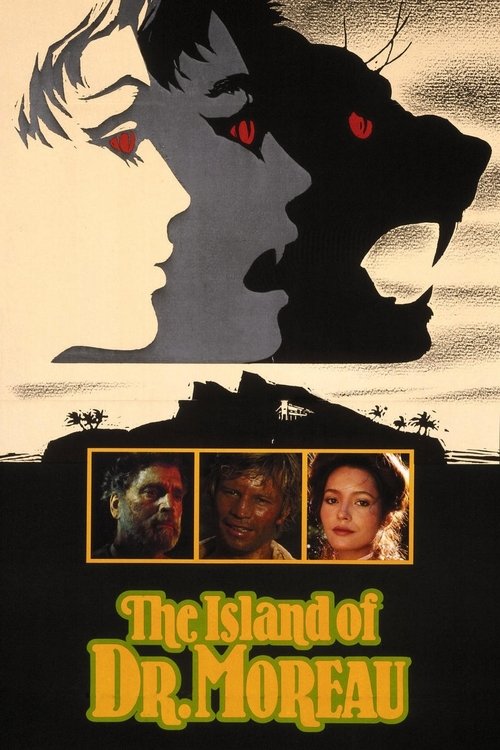
The Island of Dr. Moreau1977
Moreau shares the same obsessive scientist-playing-god premise, but Frankenheimer's version trades pulp atmosphere for genuine dread. Burt Lancaster's controlled menace and the creature effects have aged into something far more disturbing than intended.
But It's glacial and philosophical when you might want exploitation thrills. Some find the pacing suffocating rather than hypnotic.
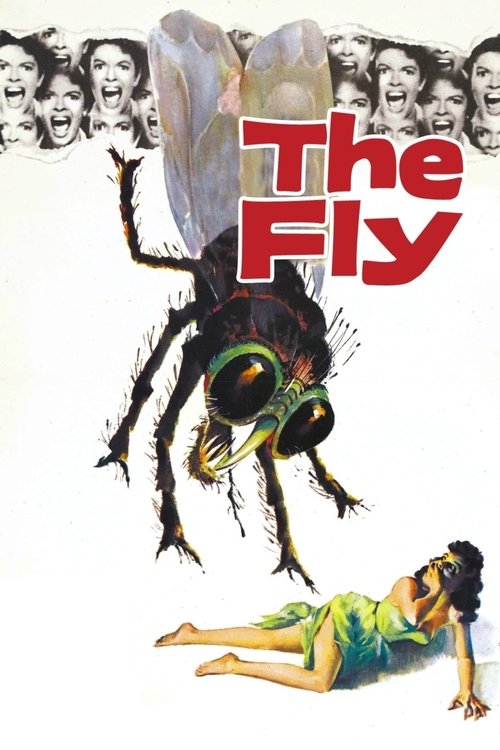
The Fly1958
Cronenberg's spiritual predecessor: body horror as cosmic tragedy. Neumann's scientist is sympathetic in ways that make the transformation genuinely tragic rather than just grotesque. The low budget amplifies the claustrophobia.
But It's earnest in its grief, which some mistake for slowness. The transformation scenes are brief and suggested rather than graphically shown.
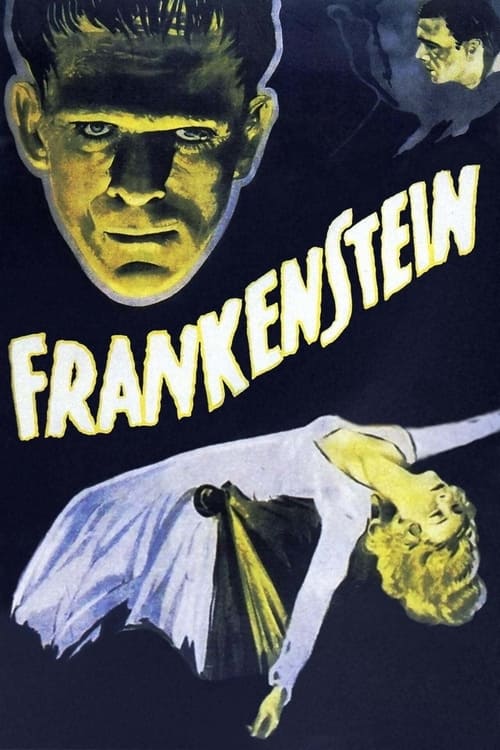
Frankenstein1931
The template for all mad-scientist horror. Whale's direction is baroque and controlled; Karloff's creature is the true heart. If you love Captive Wild Woman's obsession with creation gone wrong, this is where the DNA comes from.
But It's seventy years older and it shows. Some find the pacing theatrical, others find it quaint compared to exploitation you might expect.
Not sure tonight? Get a pick in a minute, starting from Captive Wild Woman
The wildcard
Something you would not have found on your own.
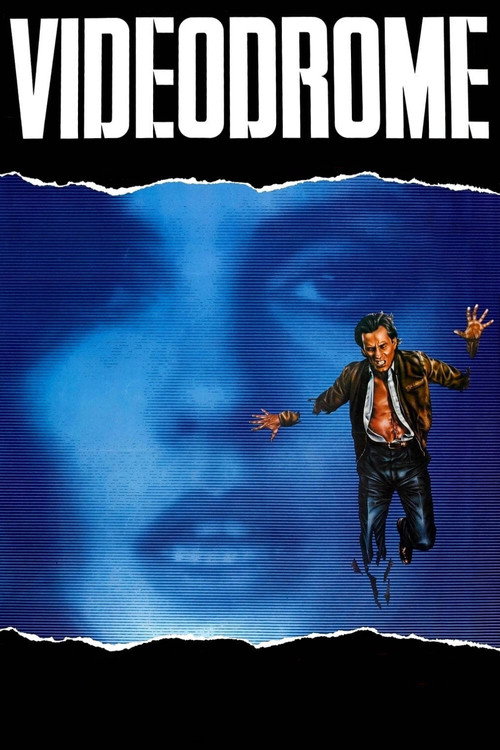
Videodrome1983
Both use bodily transformation as the visual manifestation of scientific obsession; both ask whether the scientist is creating or destroying; both believe the weird imagery is the point, not incidental to it.
Cronenberg's body horror masterwork shares Captive Wild Woman's core idea—transformation through technology and obsession—but updates it to video and media consumption. It's genuinely nauseating in ways that matter thematically. The grotesqueness serves something real.
But It's deliberately difficult and intentionally repulsive. Some will find it self-indulgent rather than profound, and the practical effects are meant to disgust, not entertain.
More like this (8)
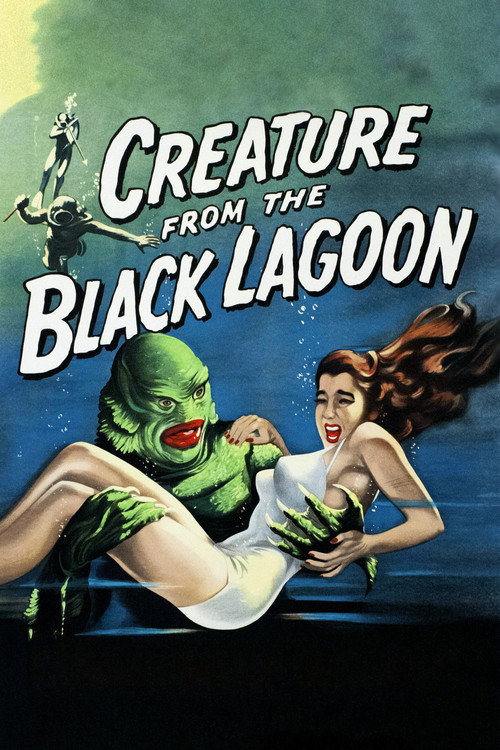
Creature from the Black Lagoon1954
Same era, same budget constraints, same commitment to practical creature effects. Universal horror's last gasp—it's earnest monster-movie craft, shot in 3D and genuinely atmospheric despite its modest resources.
But The monster's barely in it, and what little plot there is involves kidnapping a woman. It's more suspense than body horror, which might disappoint.
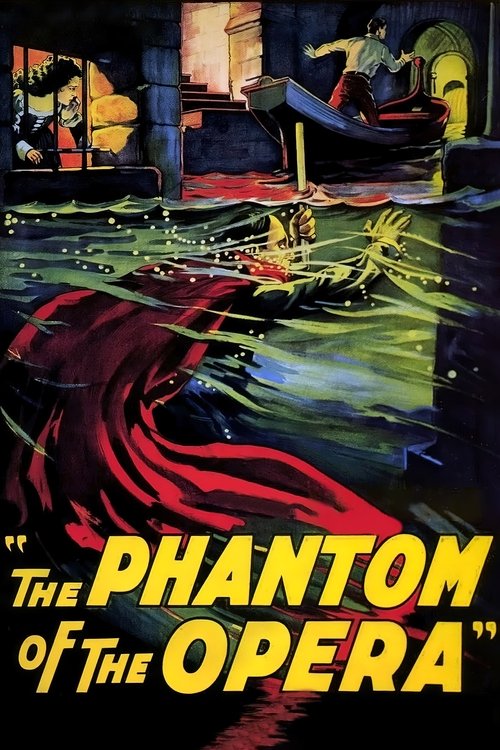
The Phantom of the Opera1925
Lon Chaney Sr. and obsessive love merged with grotesque transformation. It predates the sound era but feels more alive than many talkies. The unmasking scene remains genuinely shocking.
But Silent film requires patience with intertitles and a different performance language. The restoration quality varies depending on which print you find.
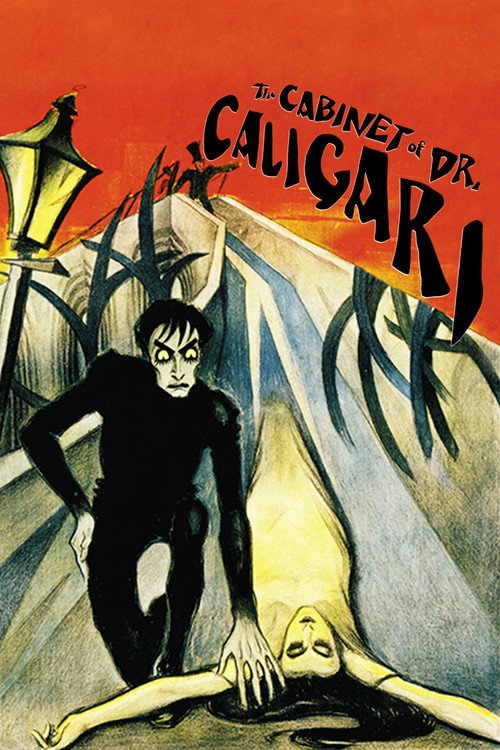
The Cabinet of Dr. Caligari1920
German Expressionism's masterpiece and the blueprint for all mad-scientist atmosphere. Its distorted sets and shadows create dread more effectively than gore ever could. Influences everything that follows, including Captive Wild Woman.
But It's profoundly weird and deliberately artificial. If you want naturalistic narrative, this is a dead end.
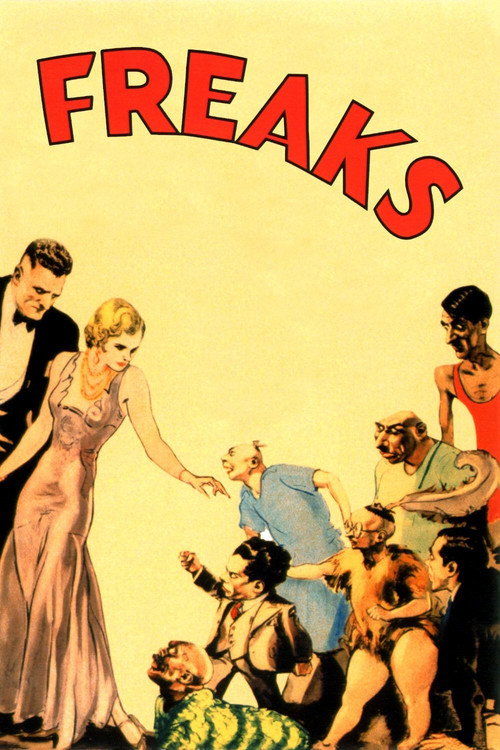
Freaks1932
Browning's exploitation film that transcends its premise through genuine empathy and formal invention. It's grotesque and moving simultaneously—genuine outsiders playing themselves, which gives it an authenticity Captive Wild Woman reaches for.
But The exploitation elements are real and uncomfortable, not metaphorical. Some find its sentimentality as troubling as its spectacle.
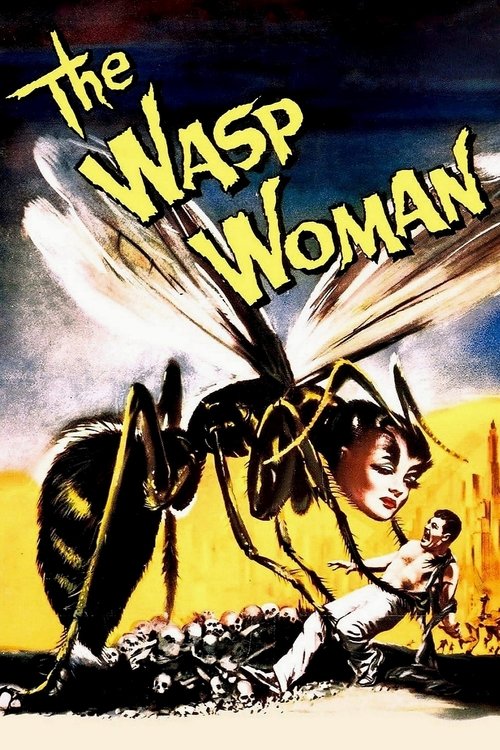
The Wasp Woman1959
Roger Corman's B-picture about a woman transformed by science into an insect. It's campy and sincere at once, with surprisingly good effects work and actual themes about aging, vanity, and power. Pure midnight-movie fun.
But It wears its low budget visibly. The plot is thin and the pacing uneven. You have to want this kind of thing already.
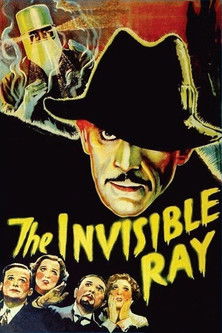
The Invisible Ray1936
Karloff and Lugosi in a science-gone-wrong film with radioactive obsession and body decay. It's less interested in spectacle than in the psychological toll of transformation. Atmospheric Universal Gothic at its most economical.
But The science is incomprehensible gibberish and not in a fun way. It's slow and talky and asks you to care about radiation plot mechanics.
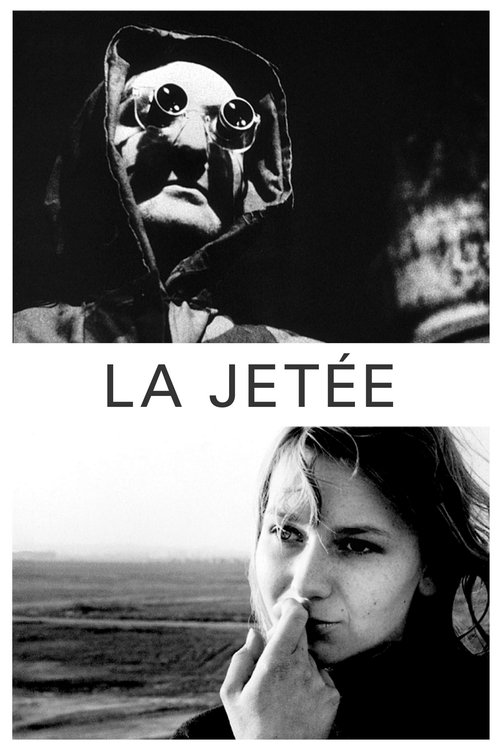
La Jetée1962
Both are low-budget sci-fi films about human beings trapped in scientist's experiments; both find poetry in their constraints rather than despite them; both suggest that the real horror is loss of agency, not the monster itself.
Marker's 28-minute science-fiction poem told entirely through still photographs except one shot. It's about time, memory, and human experimentation in a way that feels more honestly tragic than any effects-driven film. Hypnotic and devastating.
But It's not a narrative film in the conventional sense—more a cinematic essay. The voice-over is essential; without patience for that, you'll find it cold. At 28 minutes it feels both too short and too slow.
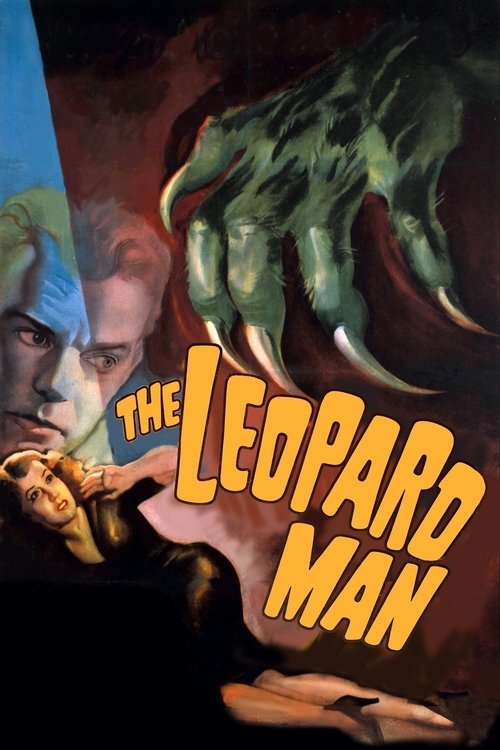
The Leopard Man1943
Same year, same studio system, same budget tier; both prove that creature horror works better through what you don't see; both benefit from practical constraints that force imagination; both are forgotten in favor of Universal's more famous monsters, unfairly.
Tourneur and Lewton's same-year film is also about a beast (escaped leopard) and obsession, but it's a murder mystery, not mad science. Atmospheric in ways Captive Wild Woman aspires to—the dread is in shadows and suggestion, not spectacle. A legitimately great B-picture.
But Nothing visible happens for long stretches. The beast is barely seen. It's more interested in mood than plot, which some find frustrating rather than hypnotic.
People
Cast
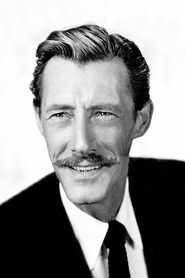 John CarradineDr. Sigmund Walters
 Evelyn AnkersBeth Colman
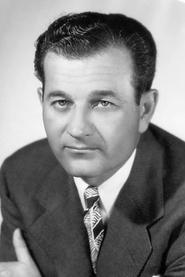 Milburn StoneFred Mason
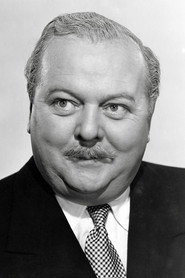 Lloyd CorriganJohn Whipple
 Fay HelmNurse Strand
 Martha VickersDorothy Colman
 AcquanettaPaula Dupree, the Ape Woman
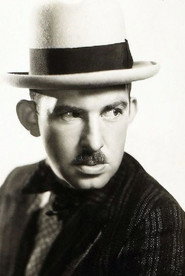 Vince BarnettCurly
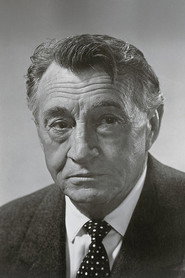 Paul FixGruen
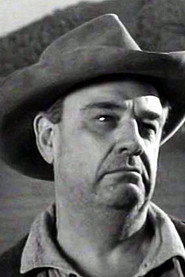 Fred AldrichRoustabout (uncredited)
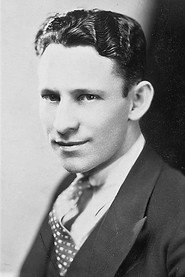 Clyde BeattyFred Mason (in long shots) (archive footage / uncredited)
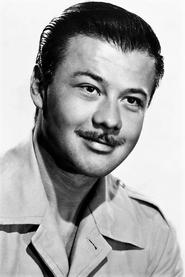 Turhan BeyEnd Narrator (voice)(uncredited)
Directing
- Melville ShyerAssistant Director
- Edward DmytrykDirector
Writing
- Neil P. VarnickOriginal Story
- Ted FithianOriginal Story
- Griffin JayScreenplay
- Henry SucherScreenplay
Production
- Ben PivarAssociate Producer