
Film
The Phantom of the Opera
Other titles called The Phantom of the Opera: the 1962 film, the 1989 film, the 1990 series (NBC), the 2004 film.
Lon Chaney's silent masterpiece transforms the Paris Opera into a gothic labyrinth of obsession and disfigurement. This is visual storytelling at its most inventive—elaborate sets, expressionistic lighting, and Chaney's transformative performance create an atmosphere of genuine dread. Essential viewing for anyone curious about cinema's architectural foundations.
Should you watch it?
Watch it if you love silent cinema's gothic theatricality, where a face and a candlelit corridor carry the drama, and you don't mind melodrama played with full conviction.
Skip it if you need snappy dialogue and fast pacing to stay hooked, since the intertitles and stagey acting can feel slow and overwrought to modern eyes.
What it asks of you: Expect under two hours of silent film, with text cards to read and a pace that lingers on staring faces and shadowy staircases rather than rushing forward.
Not sure? Find tonight's pick in a minute.
If you liked this
Nosferatu1922
German Expressionism's most haunting vampire film predates Phantom and shares its visual language of shadow and architectural menace. Murnau's creature is pure nightmare—a lean, lurching thing that makes evil look inevitable.
But It's genuinely slow by modern standards, and the print quality can vary wildly. Some theatrical presentations drag in the middle act.

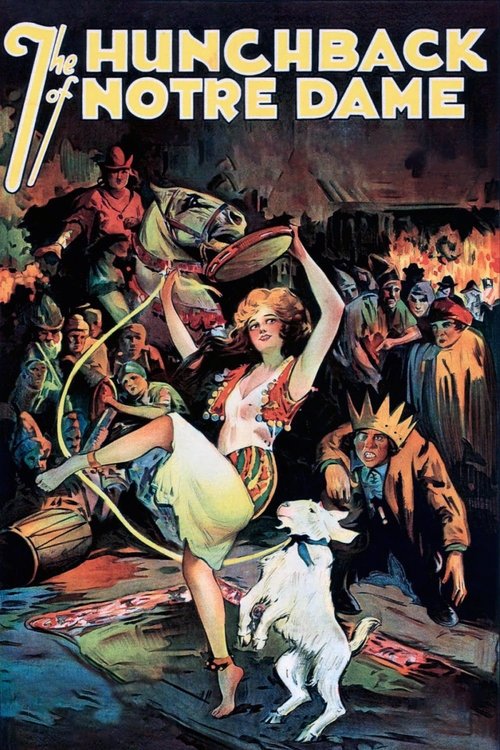
The Hunchback of Notre Dame1923
Also stars Lon Chaney in a career-defining role, with similarly expansive sets and stunts. This one leans harder into pathos and beauty alongside the grotesque—a more complete emotional arc than Phantom.
But The romantic plot is conventional by comparison, and some of the comic relief hasn't aged well. The pacing favours spectacle over suspense.
The Cabinet of Dr. Caligari1920
The template for all German Expressionist horror. Warped sets and harsh shadows create psychological vertigo without showing you anything explicit—it's what your mind does with the image that terrifies you.
But The twist ending can feel like a cheat if you're watching for scares. The acting style is very of its moment—all wide eyes and jerky gestures.

Not sure tonight? Get a pick in a minute, starting from The Phantom of the Opera
The wildcard
Something you would not have found on your own.
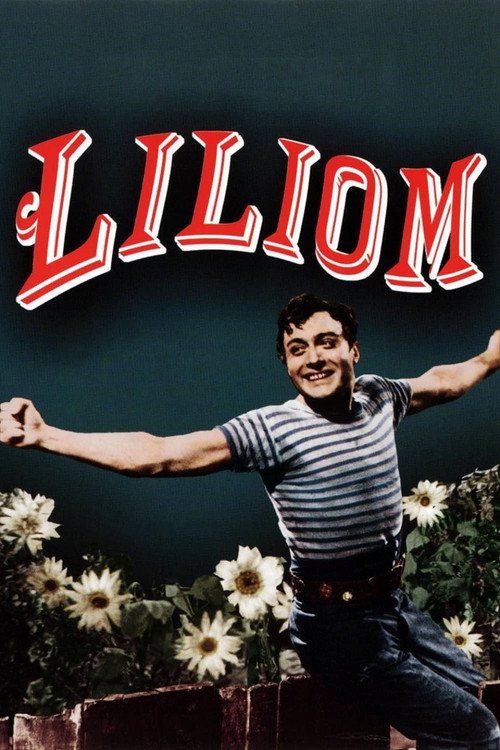
Liliom1934
Both centre an obsessed man's operatic fantasy of a woman, but Liliom deconstructs that fantasy as spiritual illness rather than romantic tragedy. Same emotional engine, opposite engine.
Frank Borzage's Hungarian fantasy follows a man obsessed with a woman, wrapping it in supernatural theatre and expressionist lighting. The visual language echoes Phantom but the story is about redemption through love rather than possession—the inverse moral.
But It's talkie-era, so the pacing is different, and the romantic resolution relies on mawkishness. The gender politics are dated in uncomfortable ways.
More like this (8)
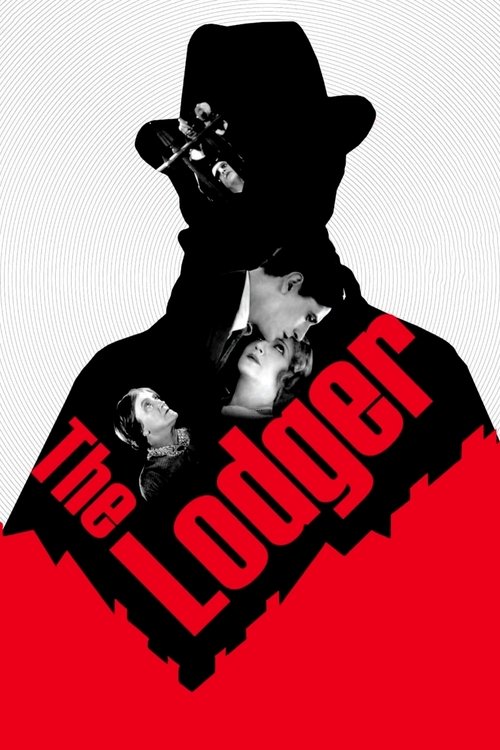
The Lodger: A Story of the London Fog1927
Hitchcock's silent thriller about suspicion and urban paranoia. It shares Phantom's preoccupation with obsession in confined spaces and proved you could build real dread without relying on the supernatural.
But The mystery isn't as richly mounted as Phantom's spectacle. It's a more intimate, claustrophobic film—some find that less rewarding visually.
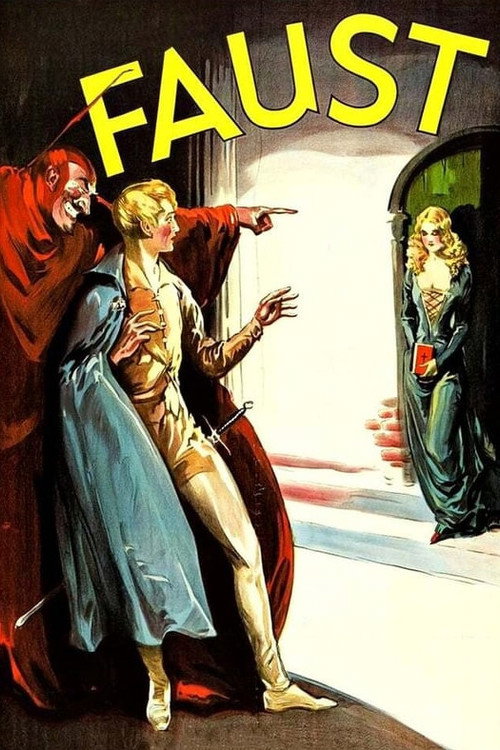
Faust1926
F.W. Murnau's Faustian tragedy is architectural and operatic in scale. The production design rivals anything in Phantom, and the moral complexity runs deeper. A meditation on ambition and damnation.
But It's long, formally composed, and emotionally heavy. The philosophical weight might feel distant if you're after pure gothic thrills.
The Phantom Carriage1921
Swedish film about a spectral visitor and redemption through suffering. The visual ingenuity—overlapping exposures, trick photography—rivals anything contemporary. A film about guilt that feels genuinely spiritual.
But The class politics and religious moralizing can read as heavy-handed. It's more sombre than scary, which some mistake for slow.

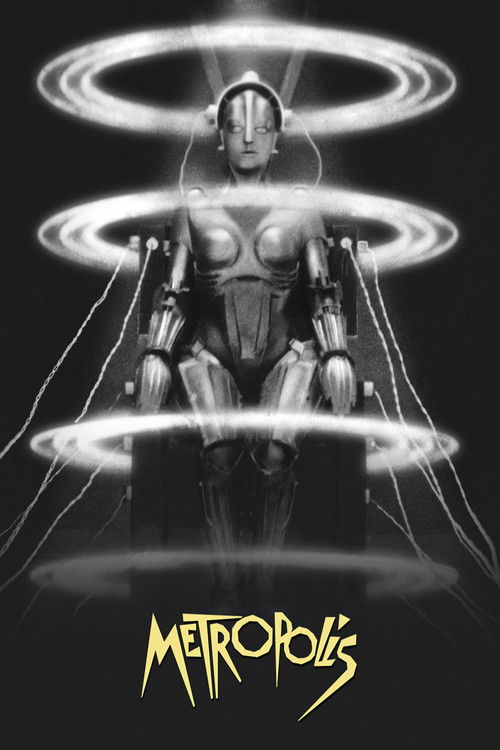
Metropolis1927
Fritz Lang's science-fiction epic has Phantom's scale and architectural obsession applied to a futuristic city. The sheer ambition of the production—real sets, thousands of extras—remains staggering. A cathedral to cinema itself.
But Restoration issues mean you may encounter missing scenes depending on which version you see. The story is simple compared to its visual complexity.
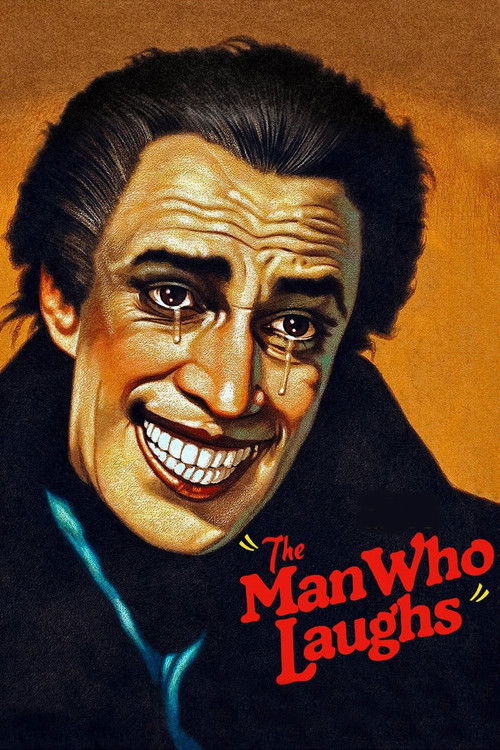
The Man Who Laughs1928
Conrad Veidt's grotesquely smiling face is as unforgettable as Chaney's deformity. It's Phantom's emotional cousin—beauty and monstrosity in tension, with Expressionist sets and genuine pathos.
But The plot meanders more than it should. Some viewers find the grotesque design more distracting than emotionally resonant.
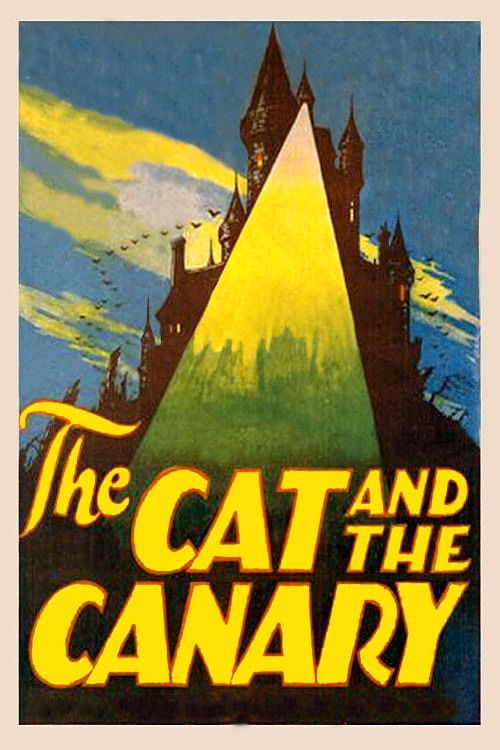
The Cat and the Canary1927
Paul Leni's haunted-house comedy-thriller proves horror and humour share real DNA. It's lighter than Phantom but technically inventive, with moving camera work that was unusual for its era.
But The humour is broad and period-bound. If you want pure gothic atmosphere, the comedy breaks the spell deliberately and often.
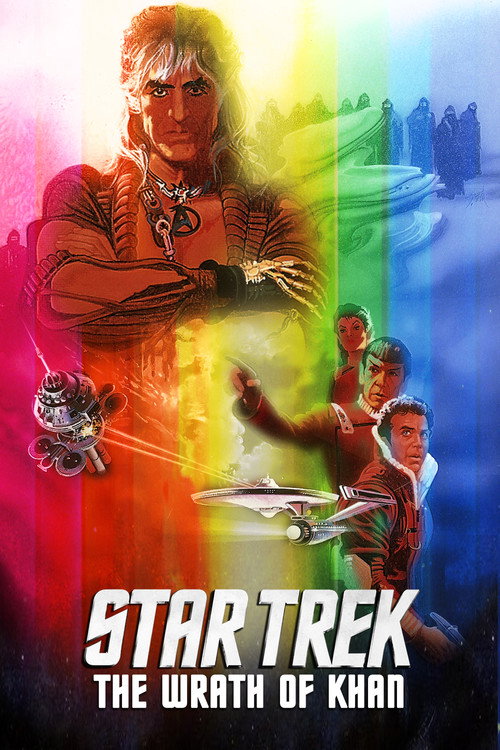
Star Trek II: The Wrath of Khan1982
Both are about a powerful, disfigured figure haunting an enclosed world and orchestrating tragedy to possess someone who cannot return their love. Phantom in tuxedos and photon torpedoes.
Star Trek II transposes Phantom's structure into science fiction: an obsessed antagonist with a scarred face, a vast architectural space (the starship), and vengeance wrapped in twisted love for an unattainable woman. The same Gothic obsession in chrome and starlight.
But It's 1980s blockbuster filmmaking with all its limitations. If you don't care about Star Trek, the emotional core might feel overwrought. The visual language couldn't be further from 1925.
Synecdoche, New York2008
Both films make the theatre itself a labyrinth of desire and psychological distortion. Phantom is Gothic tragedy; Synecdoche is cosmic horror about the impossibility of ever fully possessing another person through art.
Charlie Kaufman's baroque maze about a theatre director building an opera-house-sized replica of his life inside a warehouse. It's Phantom rewritten as a meta-textual nightmare where the performance IS the obsession, where every gesture is rehearsed grief.
But It's deliberately bewildering and emotionally punishing. Some find it self-indulgent, and it requires active decoding rather than passive watching. The narrative logic collapses intentionally.

People
Cast
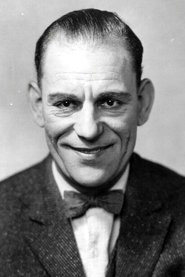 Lon ChaneyErik, The Phantom
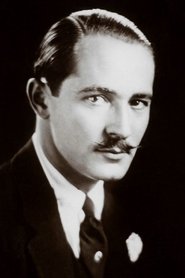 Norman KerryVicomte Raoul de Chagny
 Mary PhilbinChristine Daaé
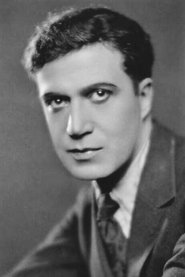 Arthur Edmund CareweLedoux
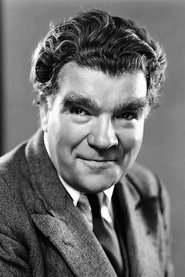 Gibson GowlandSimon Buquet
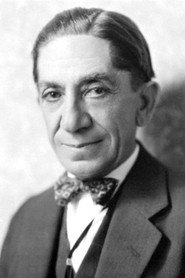 Snitz EdwardsFlorine Papillon
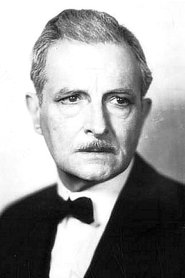 John St. PolisComte Philip de Chagny
 Virginia PearsonCarlotta
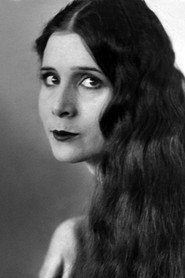 Olive Ann AlcornLa Sorelli (uncredited)
- Betty Van AllenBallerina (uncredited)
- Betty ArthurBallet Dancer (uncredited)
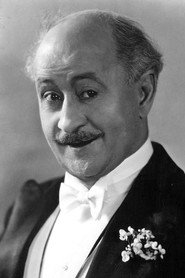 Joseph BelmontStage Manager (uncredited)
Directing
- Joe PasternakAssistant Director
- Rupert JulianDirector
Writing
- Elliott J. ClawsonAdaptation
- Raymond L. SchrockAdaptation
- Winifred ReeveDialogue
- Gaston LerouxNovel
Production
- Carl LaemmleProducer
Recommended by
The Phantom of the Opera, Dark Shadows, The Big Circus, The Hunchback of Notre Dame, Winter's Tale, The Devil-Doll, House of Wax, The Hunchback of Notre Dame, The Imaginarium of Doctor Parnassus, The Tales of Hoffmann, Eraserhead, Festival Express, The Great Gabbo, The Island of Dr. Moreau, The Brain That Wouldn't Die, The Bat Whispers, He Who Gets Slapped, House of Dracula, The Rutles: All You Need Is Cash, Monte Carlo, Listen Up Philip, Pandora and the Flying Dutchman, The Hunchback of Notre Dame, The Man Who Laughs, The Thief of Bagdad, Maniac, Mad Love, The Masque of the Red Death, The Beguiled, Lucha Underground, The Forbidden Room, Just Imagine, The Mask of Fu Manchu, L'Atlantide, Phantom of the Mall: Eric's Revenge, The Raven, The Bat, Velvet Buzzsaw, A Midsummer Night's Dream, Mad Monster Party?, Svengali, Scaramouche, The Last Bolshevik, The Abominable Dr. Phibes, Thriller, The Gorilla, Curse of the Fly, Blackenstein, Riptide, The Waltz Dream, The Hurricane Express, The Saddest Music in the World, The Chocolate Soldier, The Desert Song, Salome, Blackbeard's Ghost, The Merry Widow, Dot and the Kangaroo, Late Night with the Devil, Madhouse, Showboat, The Singing Fool, The Mummy's Ghost, Son of Frankenstein, The Golden Coach, Aida, Passing Strange, Straight, Place and Show, The Ghost in the Invisible Bikini, Circus of Horrors, Rio Rita, Ski Lift to Death, The Rogue Song, Fidelio, The Student Prince in Old Heidelberg, Tarzan the Ape Man, Under the Cherry Moon, The Mummy's Curse, Black Lizard, The Mummy's Tomb, Kismet, Doctor Faustus, La Conga Nights, The Mysterious Dr. Fu Manchu, Tristan and Isolde, Captive Wild Woman, Coming Soon, Lust of the Vampire, As You Like It, Haunted Honeymoon, The Spider, The Magician, Eversmile New Jersey, The Fan, Valentino, Sweet Adeline, The Flaming Disk, The Crimes of Stephen Hawke, FM, A Girl's Folly, Moonwalker, I Married an Angel, The Telltale Heart, Side Show, Deranged, The Horn Blows at Midnight, The Horror of Party Beach, Zorro's Fighting Legion, Caravan, The Vagabond King, The Cuban Love Song, Three Smart Girls