
Film
The Phantom of the Opera
Other titles called The Phantom of the Opera: the 1925 film, the 1962 film, the 1989 film, the 1990 series (NBC).
Joel Schumacher's big-screen take on Andrew Lloyd Webber's mega-musical is pure velvet-curtain excess: chandeliers, smoke machines, a masked composer pining beneath the Paris Opera House, and Emmy Rossum's soprano caught between devotion and danger. It trades subtlety for spectacle at every turn. Perfect for anyone who wants their romance drenched in candlelight, organ music, and full-throated melodrama rather than restraint.
Should you watch it?
Watch it if you love lush, melodramatic romance where every emotion is sung at full volume and the gothic candlelit sets do half the talking.
Skip it if you find sung-through musicals hard going, or the swooning sentiment wears thin, since nearly every scene is delivered as an aria.
What it asks of you: Settle in for a long, unhurried stretch of over two hours of ornate sets and swelling music, with the darkness kept more atmospheric than gruesome.
Not sure? Find tonight's pick in a minute.
If you liked this
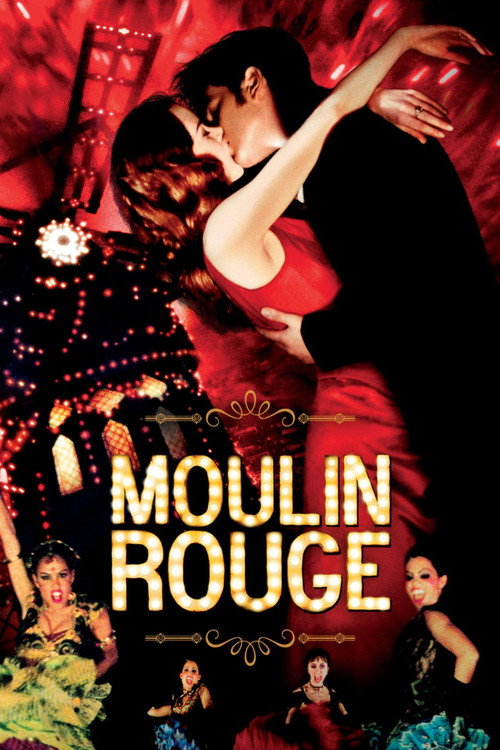
Moulin Rouge!2001
Baz Luhrmann's jukebox tragedy has the same drenched-in-velvet excess and doomed romantic fever — a poet falling for a courtesan under a chandelier of a different kind, sung to bursting.
But The frenetic editing and mashup songs are an acquired taste; if Phantom's grandeur already felt like a lot, this turns it up further.
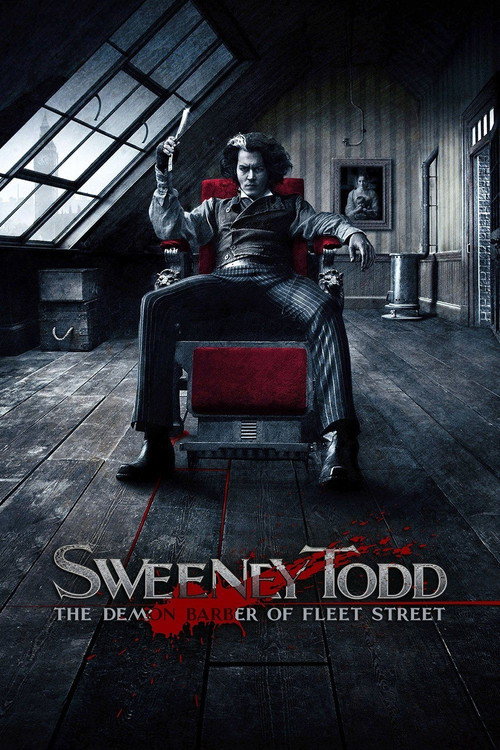
Sweeney Todd: The Demon Barber of Fleet Street2007
Tim Burton and Sondheim trade the Phantom's yearning for straight-up bloodlust, but it's the same masked-man-under-the-city obsession, curdled into revenge instead of romance.
But It's genuinely gruesome — throats open, blood sprays — a much darker, gorier register than anything in Schumacher's film.
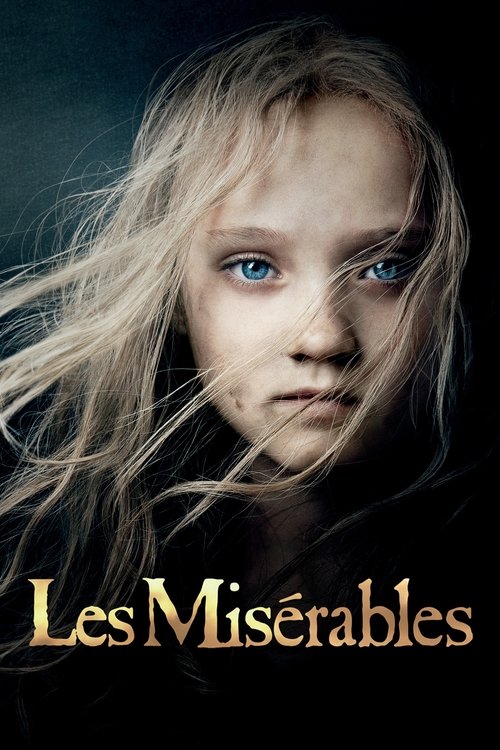
Les Misérables2012
Another sung-through epic of doomed love and grand emotion, built the same way — huge voices, huger sets, tears more or less guaranteed by the second act.
But The camera stays brutally close during every solo; if you found Phantom's melodrama a bit much, this leans in even harder.
Not sure tonight? Get a pick in a minute, starting from The Phantom of the Opera
The wildcard
Something you would not have found on your own.
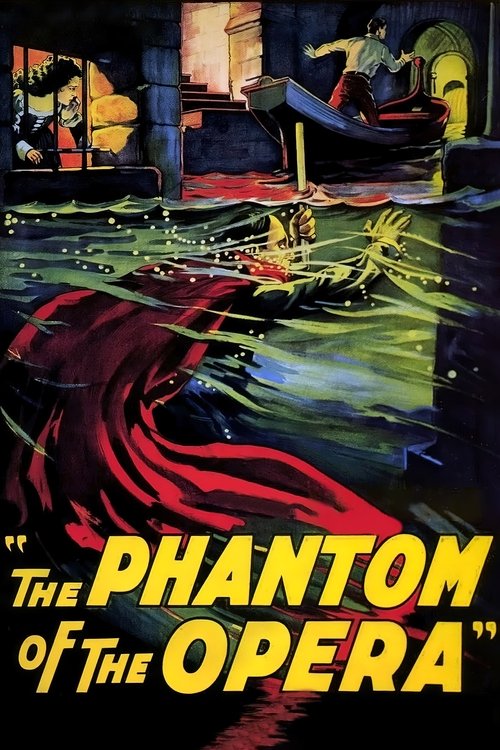
The Phantom of the Opera1925
Same story, same catacombs beneath the same opera house — but stripped of every love song, it reveals the tale's true genre: horror, not romance.
Before Lloyd Webber ever wrote a note, Lon Chaney's unmasking scene defined big-screen horror — no music, no romance gloss, just a face and a scream that made audiences faint in theaters.
But It's silent, black-and-white, and nearly a century old; the pacing and melodrama of early cinema take some adjustment.
More like this (8)
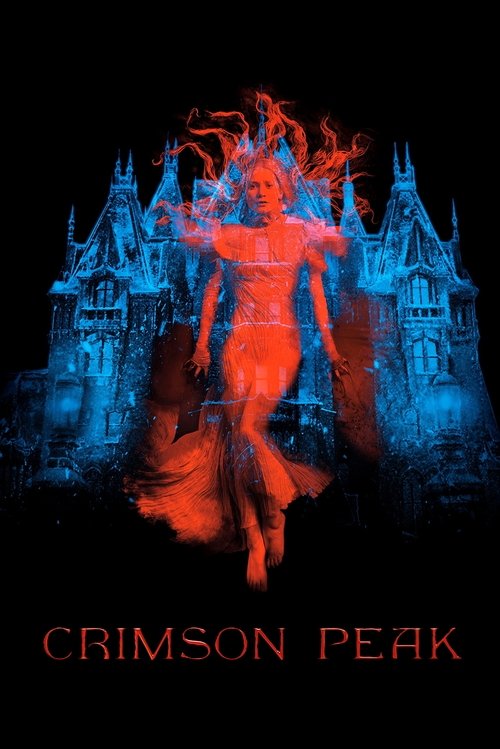
Crimson Peak2015
Guillermo del Toro's gothic romance gives you the crumbling mansion, the secretive brooding man, and a young woman drawn toward a danger she can't quite name.
But It's a horror film first and a romance second — expect ghosts and dread rather than swelling love songs.
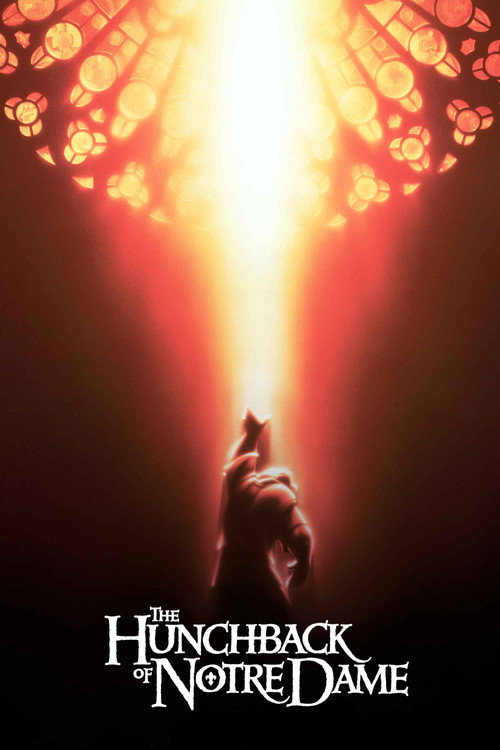
The Hunchback of Notre Dame1996
Disney's version of the same Paris-set myth: a disfigured outcast hiding beneath a grand building, longing for a woman who sees past his face.
But It's animated and aimed partly at children, so the darker undertones of obsession get softened considerably.
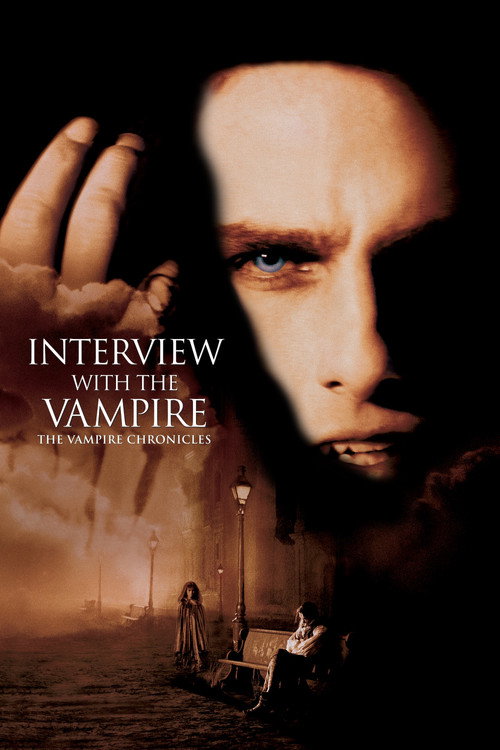
Interview with the Vampire1994
Swap the mask for fangs and you get the same lush, candlelit longing — beautiful monsters, tragic devotion, and a story steeped in guilt and grandeur.
But It's slower and more meditative than Phantom's constant swirl of music; patience is required between its bursts of drama.
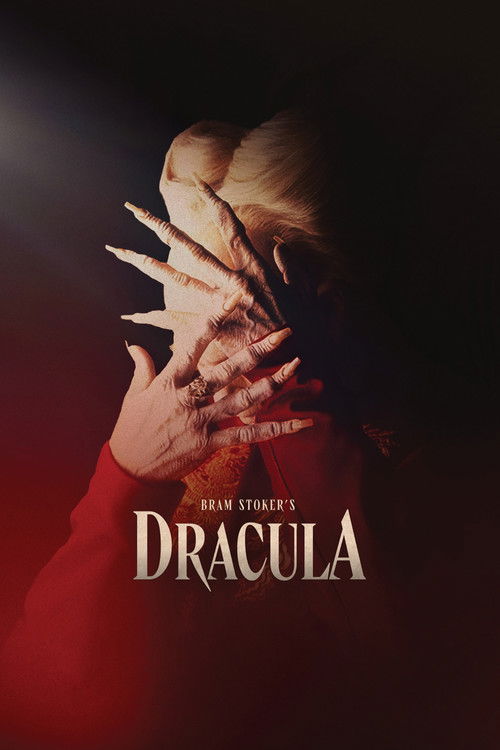
Bram Stoker's Dracula1992
Coppola's Dracula is opera dressed as horror — sumptuous costumes, an obsessive immortal pursuing a lost love across centuries, all shot like a fever dream.
But Gary Oldman's performance and the film's tone are deliberately overripe; some will find it beautiful, others simply too much.
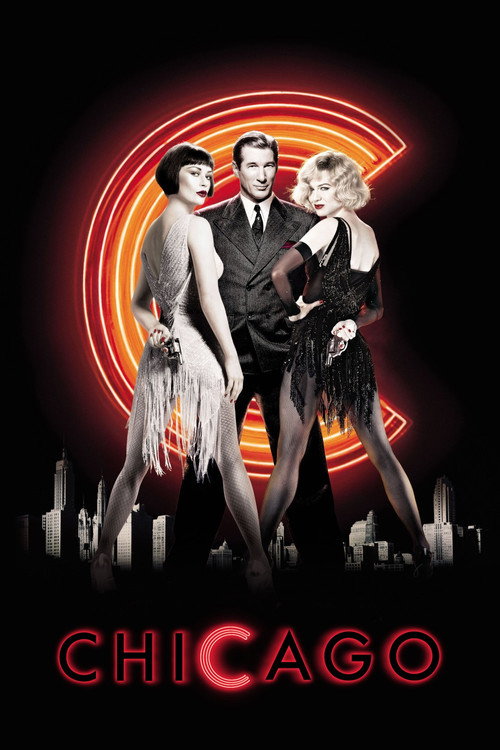
Chicago2002
If it's the mechanics of a hit stage musical reborn on screen that you loved, this Best Picture winner does the same trick with razzle-dazzle instead of gothic gloom.
But It's a satirical, jazzy crime musical with none of Phantom's romantic sincerity — cynical where that film is swooning.
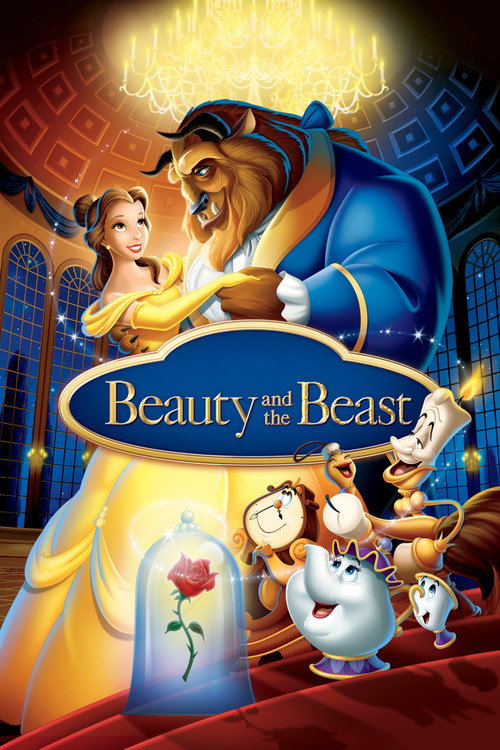
Beauty and the Beast1991
The original fairy-tale engine underneath Phantom — a woman drawn to a hidden, monstrous man whose love might redeem or consume him.
But It's a much gentler, family-friendly telling; the danger and darkness are dialed way down compared to the Phantom's world.
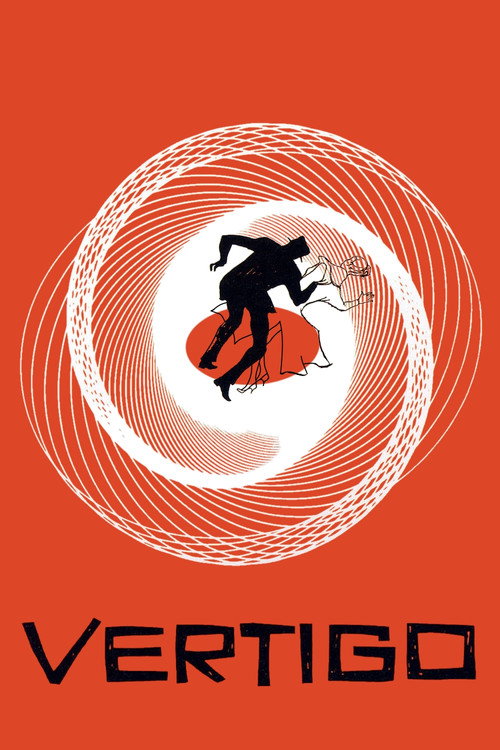
Vertigo1958
Both are studies of a man who loves not a woman but the version of her he's built in his head — one sings about it, the other quietly unravels because of it.
Hitchcock's masterpiece is about a man remaking a woman into his own obsessive ideal — the Phantom's control over Christine, recast as a cool, unsettling psychological thriller.
But There's no music, no spectacle, and it moves at a deliberate, uneasy pace that rewards patience rather than sweep.
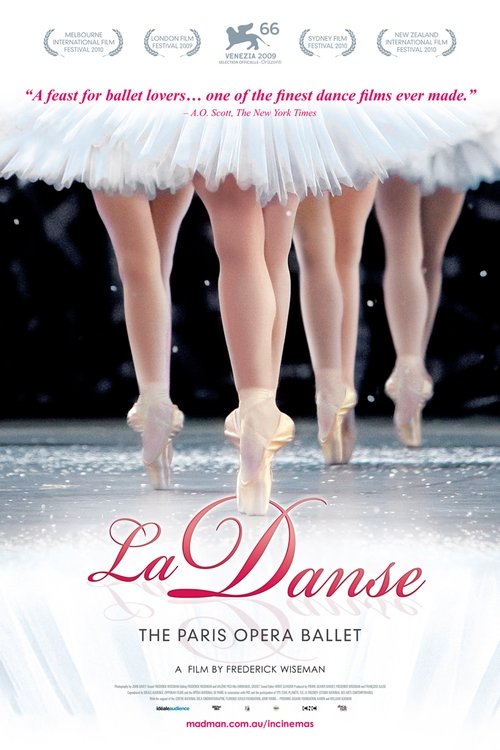
La Danse: The Paris Opera Ballet2009
It shows you the real machinery and architecture behind the myth — the same gilded ceilings and underground corridors, minus the ghost story.
Frederick Wiseman's patient documentary takes you inside the real Palais Garnier — the actual building the Phantom haunts — watching dancers, sets, and bureaucracy unfold with no score at all.
But It's nearly three hours of observational documentary with zero manufactured drama — the opposite of everything Phantom is selling.
People
Cast
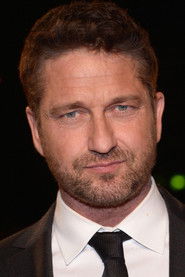 Gerard ButlerThe Phantom
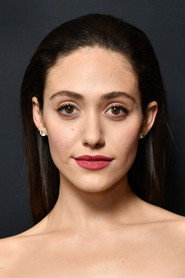 Emmy RossumChristine
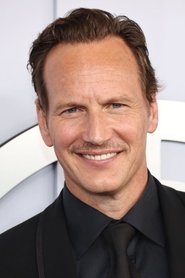 Patrick WilsonRaoul
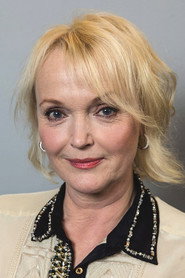 Miranda RichardsonMadame Giry
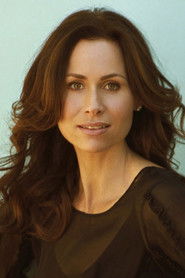 Minnie DriverCarlotta
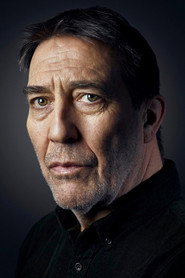 Ciarán HindsFirmin
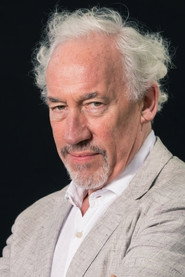 Simon CallowAndre
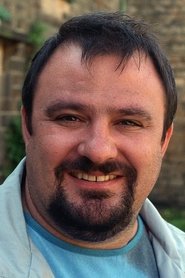 Victor McGuirePiangi
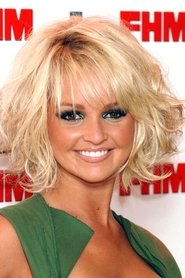 Jennifer EllisonMeg Giry
 Murray MelvinReyer
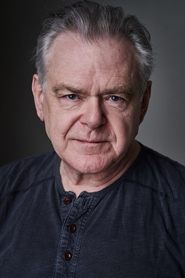 Kevin McNallyBuquet
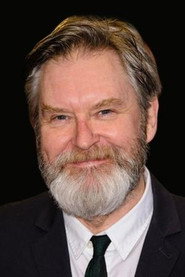 James FleetLefevre
Directing
- Joel SchumacherDirector
- Tommy GormleyFirst Assistant Director
- Sally JonesScript Supervisor
- Mark LaytonSecond Assistant Director
Writing
- Charles HartLyricist
- Richard StilgoeLyricist
- Gaston LerouxNovel
- Andrew Lloyd WebberScreenplay
- Joel SchumacherScreenplay
- Charles HartWriter
- Richard StilgoeWriter
Production
- Brendan DonnisonADR Voice Casting
- David GrindrodCasting
- Eli RichbourgCo-Producer
- Austin ShawExecutive Producer
- Jeff AbberleyExecutive Producer
- Julia BlackmanExecutive Producer
- Keith CousinsExecutive Producer
- Louise GoodsillExecutive Producer
- Paul HitchcockExecutive Producer
- Ralph KampExecutive Producer
- Andrew Lloyd WebberProducer
- Cate ArbeidProducer's Assistant
- Lorraine FennellProduction Manager
- Frazer Fennell-BallUnit Manager
- Dusty SymondsUnit Production Manager
Recommended by
Les Misérables, Beauty and the Beast, Stage Beauty, Cyrano, Tenacious D in The Pick of Destiny, Chico & Rita, The Wiz, Rock of Ages, Great Performances, Cyrano de Bergerac, The Pirates of Penzance, De-Lovely, Begin Again, House of Gucci, Wicked, Grace of My Heart, Repo! The Genetic Opera, Spice World, Sunday in the Park with George, Joseph and the Amazing Technicolor Dreamcoat, Cradle Will Rock, Godspell, U-Carmen eKhayelitsha, Rhythm + Flow, The Phantom of the Opera at the Royal Albert Hall, I Lost My Body, Roald Dahl's The Witches, Beauty Shop, Love's Labour's Lost, As You Like It, The Devil's Carnival, Song of Norway, A Star Is Born, The Phantom of the Opera, Clouds of Sils Maria, After the Ball, Cirque du Freak: The Vampire's Assistant, Love Is a Many-Splendored Thing, Poor Things, Hannah Montana: The Movie, Lucia di Lammermoor, Anaarkali of Aarah, Liz and the Blue Bird, Raise Your Voice, La Traviata, Betty Boop, The Men Who Made the Movies: Vincente Minnelli, Bran Nue Dae, Stardust, Wonka, Teen Beach Movie, Der Rosenkavalier, Lisztomania, The Apollo, Newsies, Il Trovatore - Metropolitan Opera, I Puritani, Vidocq, Graffiti Bridge, Strauss: Der Rosenkavalier, Idlewild, The Bride, Housefull 3