
Film
The Phantom of the Opera
Other titles called The Phantom of the Opera: the 1925 film, the 1962 film, the 1990 series (NBC), the 2004 film.
Robert Englund's Phantom is a 1989 horror-romance that strips away Gothic melodrama for visceral thrills. It's gory, surprisingly darkly funny, and genuinely unsettling—a slasher film wearing an opera cloak. Perfect for fans who want their romance complicated by actual menace, and who appreciate watching a horror icon fully commit to tragic villainy.
Should you watch it?
Watch it if you enjoy gothic melodrama played with a straight face, where operatic excess and a lovesick, grotesque obsession are the point and the horror is closer to swooning than gore.
Skip it if you want a tight, scary thriller, since this leans into romance and sumptuous period costume far more than dread, and its scares are few and rather polite.
What it asks of you: At 93 minutes it moves at a stately, theatrical pace, spending its time on lavish set pieces and swelling emotion, so settle in for melodrama rather than jolts.
Not sure? Find tonight's pick in a minute.
If you liked this
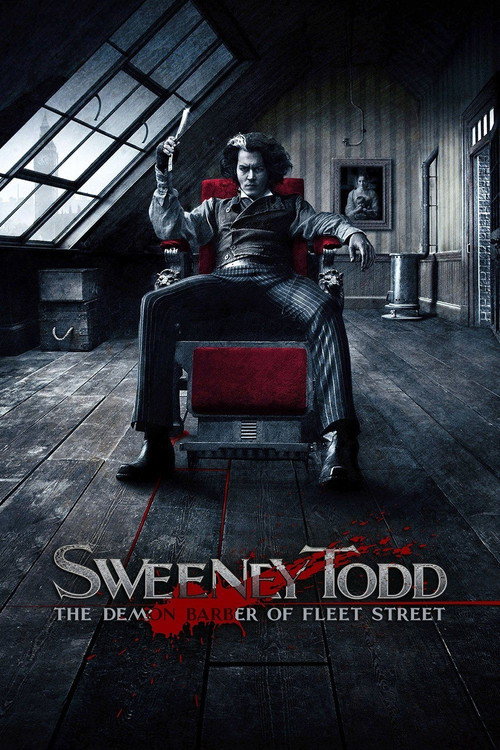
Sweeney Todd: The Demon Barber of Fleet Street2007
Both explore the seduction of a traumatised artist with murder on his mind. Sondheim's score gives you the operatic grandeur Phantom craves, and Johnny Depp's Todd is every bit as doomed and dangerously charming as Englund's maestro.
But Burton's sentimentality can tip into melodrama, and the film struggles to balance musical theatre with genuine menace. The ending may feel too neat.
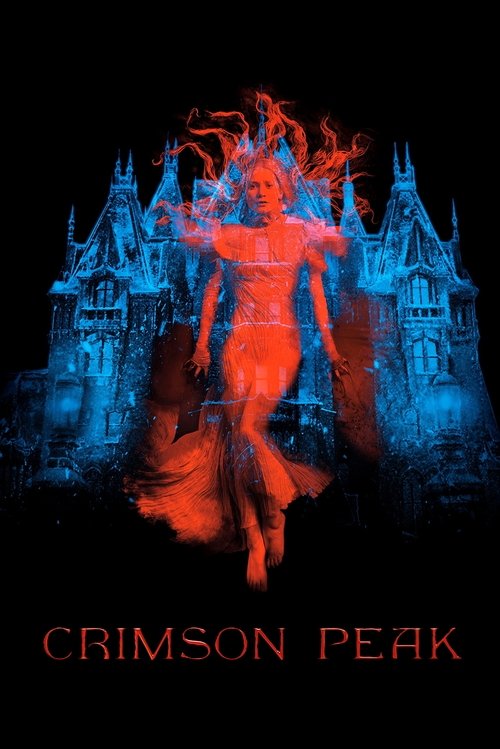
Crimson Peak2015
Guillermo del Toro crafts a Gothic romance where the beauty is inseparable from the horror. A haunted house, a mysterious aristocrat, and a woman learning that seduction and danger are often the same thing. Lush and genuinely unsettling.
But It takes its Gothic earnestness completely straight, which some find overwrought. If you want irony or camp, this isn't it.
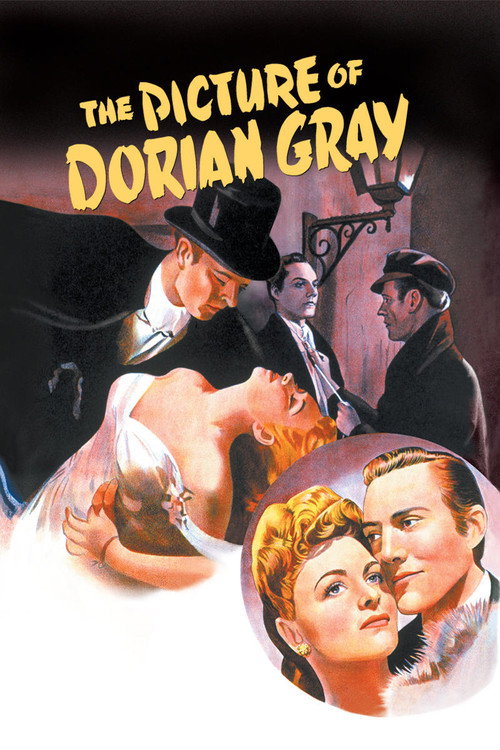
The Picture of Dorian Gray1945
A portrait of artistic obsession, corruption, and the price of beauty. Like Phantom, it's fascinated by how closely genius can sit next to monstrosity, and whether the two can coexist in the same soul.
But It's a 1945 Hollywood production, so the homoeroticism is deeply coded rather than explicit. The pacing is deliberate. Some find it stuffy.
Not sure tonight? Get a pick in a minute, starting from The Phantom of the Opera
The wildcard
Something you would not have found on your own.
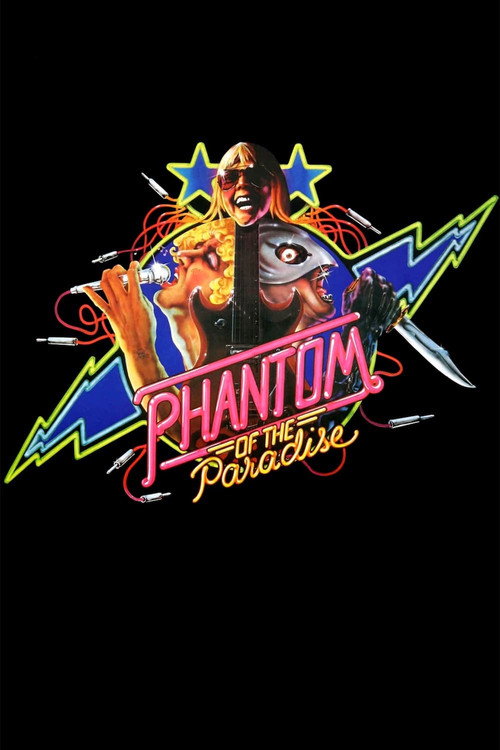
Phantom of the Paradise1974
Both use a Gothic monster-genius as the engine for a story about how artistic brilliance and moral corruption can be inseparable. Both are interested in the seduction of genius over the seduction of beauty.
De Palma's cult classic is a rock opera Phantom with a recording studio instead of an opera house, and a record mogul instead of a nobleman. It's visually inventive, genuinely funny, and understands that the best monster stories are really about artistic obsession and betrayal. Swan is Phantom's twisted American brother.
But It's campy and deliberately artificial in ways that work against emotional investment. The songs are admittedly uneven. Some find the tone tonal whiplash exhausting rather than exhilarating.
More like this (7)
Nosferatu1922
The original vampire as romantic figure and monster simultaneously. Murnau's Orlok is seductive and horrifying in the same frame—he's Phantom's ancestor, the template for the beautiful, damaged, dangerous man.
But It's silent, it's nearly a century old, and the restoration quality varies. If you need dialogue and contemporary filmmaking, it'll feel removed.

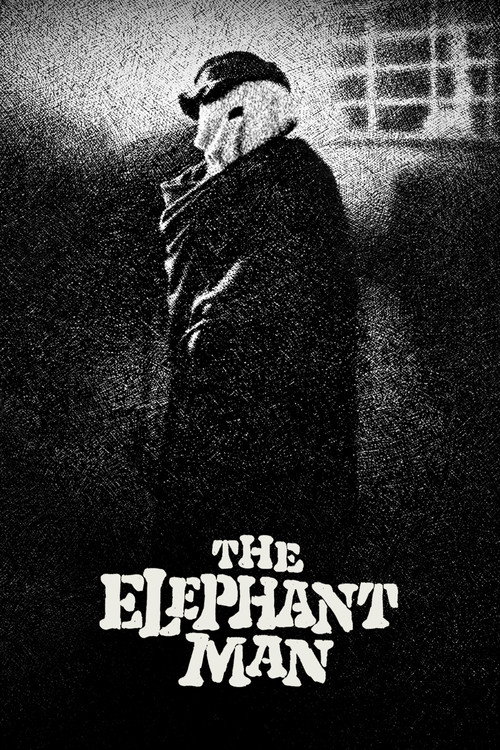
The Elephant Man1980
Lynch's film is obsessed with the same question Phantom asks: can we separate monstrosity from humanity? John Hurt's Merrick is tragic, dignified, and utterly alone—a Phantom without the violence, which somehow makes it sadder.
But It's bleak and deliberately paced, with minimal plot momentum. The beauty is in stillness, not action.
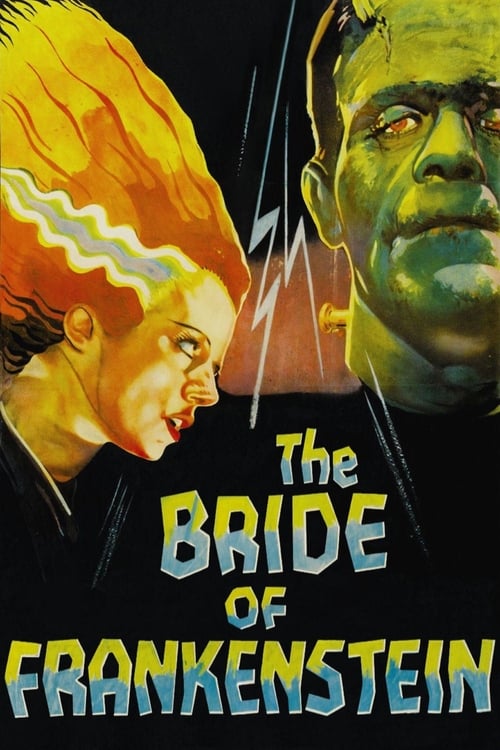
Bride of Frankenstein1935
The template for every mad artist film that followed. James Whale understands that the monster's loneliness is the real horror, and that beauty and deformity are often just lighting and cinematography apart.
But It's campy by modern standards, and the film is unapologetic about its artificiality. If you want naturalism, this isn't the place.
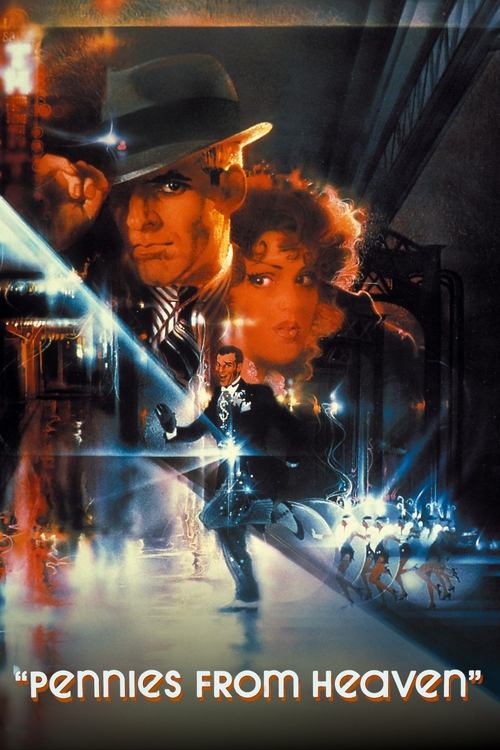
Pennies from Heaven1981
A musical where the fantasy sequences are genuinely disturbing, and sex and romance are complicated by desperation and delusion. Steve Martin as a man who mistakes obsession for love—it's Phantom's American cousin.
But It's bleak, sexually explicit, and refuses to give you the catharsis you want. Many find it depressing rather than moving.
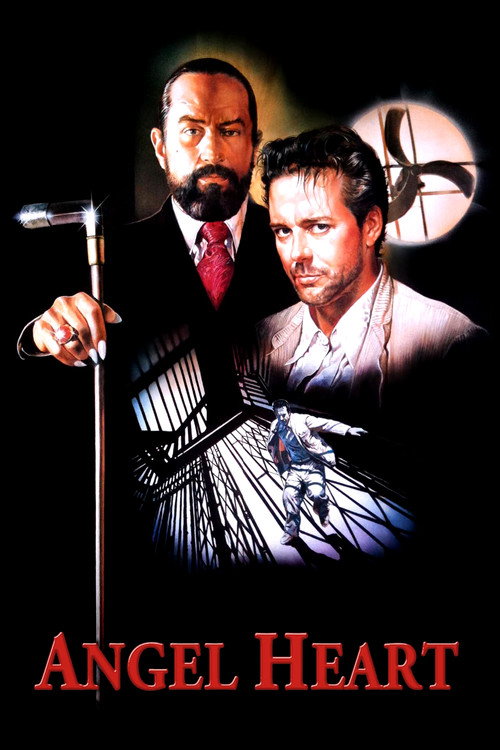
Angel Heart1987
A noir with Gothic rot at its centre. Mickey Rourke's detective uncovers a mystery that's really about desire, corruption, and the price of ambition. It has Phantom's sense that beauty and horror are often the same thing.
But The twist divides audiences sharply. If you guess it early, the pacing feels slack. The sexual content is explicit and sometimes gratuitous.
Suspiria1977
Both films treat their settings as characters—the opera house, the ballet academy—and understand that Gothic spaces are where monsters and beauty are interchangeable. Both prioritise visual storytelling over plot.
Argento's horror masterpiece has nothing to do with romance, but everything to do with Phantom's visual and sonic intensity. It's a fever dream of colour, architecture, and dread—a film that understands atmosphere as character. Pure cinema as assault and beauty simultaneously.
But The plot is deliberately thin and dreamlike rather than logical. If you need narrative coherence and character development, it will frustrate you. The violence is stylised but graphic.

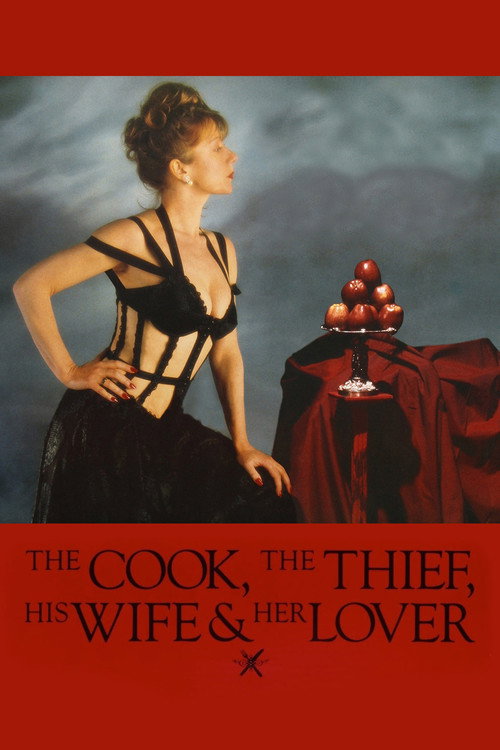
The Cook, the Thief, His Wife & Her Lover1989
Both are 1989 films obsessed with the marriage of visual beauty and moral ugliness. Both insist that their villains are capable of seduction despite—or because of—their monstrosity. Both prioritise style and atmosphere as the actual content.
Released the same year as this Phantom, Greenaway's film is an assault of colour, baroque excess, and transgression. It's about power, seduction, violence, and the spaces where they collide. If you loved Englund's willingness to make the Phantom genuinely monstrous, Greenaway goes further—ugliness as aesthetic principle.
But It's aggressively artificial, sexually explicit, and deliberately hostile to audience comfort. If you want naturalism or narrative clarity, this will feel like an endurance test. Fair warning: it's revolting by design.
People
Cast
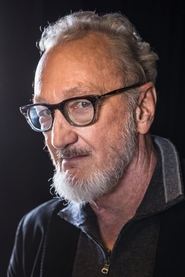 Robert EnglundErik Destler / The Phantom
 Jill SchoelenChristine Day
 Alex Hyde-WhiteRichard Dutton
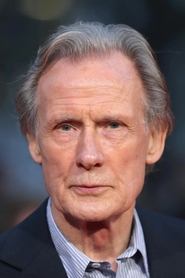 Bill NighyMartin Barton
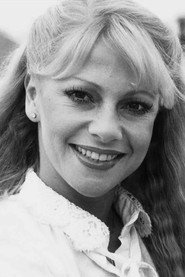 Stephanie LawrenceLa Carlotta
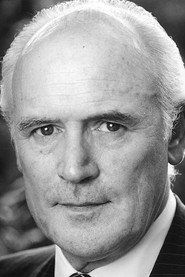 Terence HarveyInsp. Hawkins
- Nathan LewisDavies
- Peter ClaphamHarrison
 Molly ShannonMeg (New York)
- Emma RawsonMeg (London)
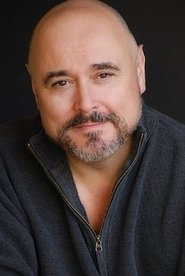 Mark RyanMott
- Jaclyn MendozaMaddie
Directing
- Dwight H. LittleDirector
Writing
- Gaston LerouxNovel
- Duke SandefurScreenplay
Production
- Harry Alan TowersProducer
- Menahem GolanProducer
Recommended by
Cool as Ice, The Mirror Crack'd, Motel Hell, The Doors, Blood and Black Lace, Opera, The Dark Half, The Lair of the White Worm, American Perfekt, La Belle Noiseuse, Darkman, Svengali, Lust in the Dust, Mystery of the Wax Museum, The Animal, Poison, Last Night in Soho, Les Contes d'Hoffmann, Madhouse, Jaws 3-D, What Have You Done to Solange?, Betty Boop's Bamboo Isle, Venom, Friday the 13th Part VIII: Jason Takes Manhattan, Ferry Cross the Mersey, Donizetti: L'elisir d'amore, Live Aid, Briar-Rose or the Sleeping Beauty, Darkman II: The Return of Durant, The Masque of the Red Death, Parsifal