
Film
Briar-Rose or the Sleeping Beauty
A 1990 Japanese animated retelling of Sleeping Beauty that pivots away from the curse entirely. Instead, on her fifteenth birthday, the princess discovers her mother's secret diary and ventures into the forest seeking her mother's lost love. It's a brief, dreamlike film about desire, recognition, and the complicated legacies mothers leave their daughters. Quietly romantic rather than dramatic.
If you liked this
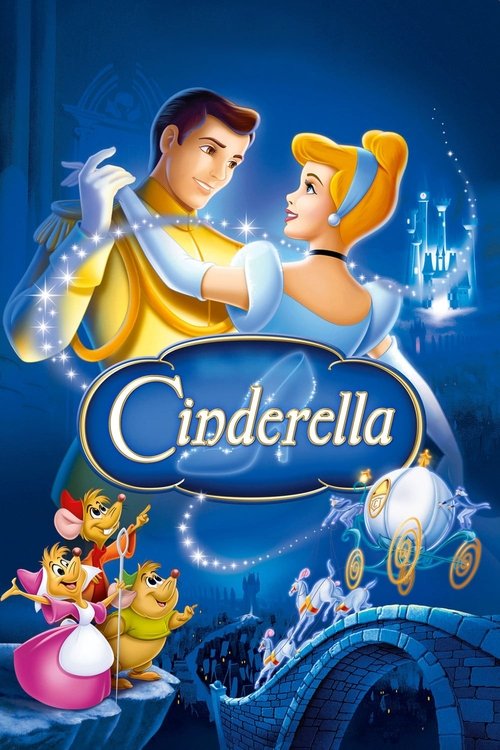
Cinderella1950
Disney's most romantic fairy tale adaptation, equally interested in yearning and transformation. The ball scene captures that same sense of recognition and inevitability—the moment when everything changes because two people look at each other.
But It's a product of its era, and the heroine's passivity might feel dated if you're expecting agency rather than grace.
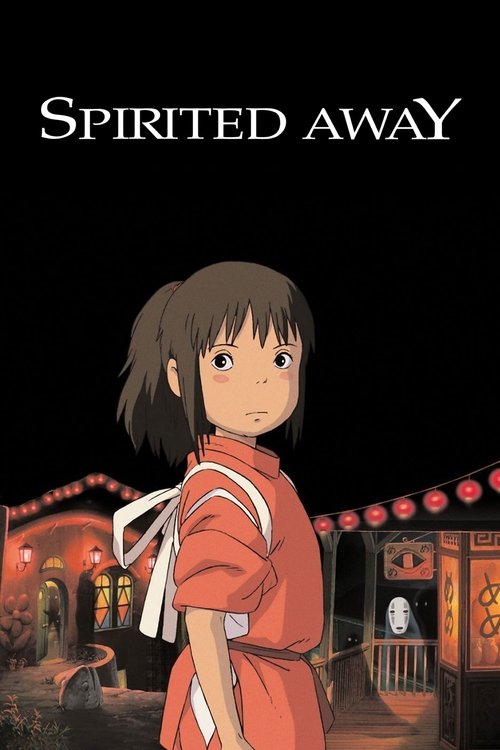
Spirited Away2001
Miyazaki's masterpiece about a girl entering a magical world and discovering her true nature. Like Briar-Rose, it's a meditation on identity and recognition wrapped in fairy-tale logic and sumptuous animation.
But Its scale and narrative complexity are the opposite of Briar-Rose's intimate brevity. Completely different paces.
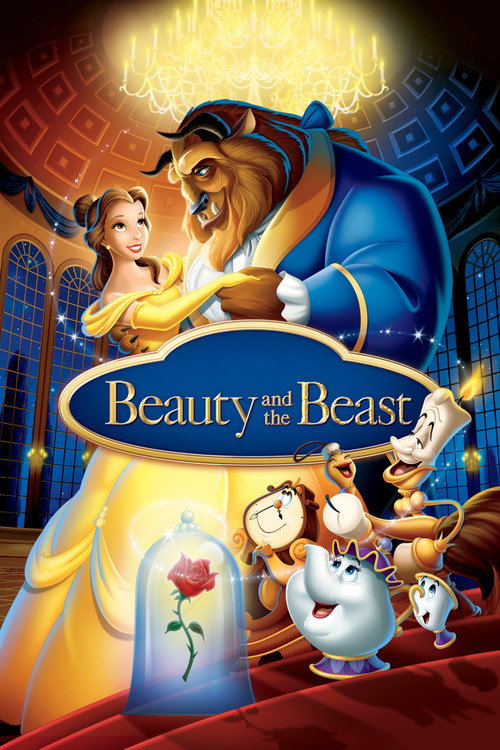
Beauty and the Beast1991
Released the year after Briar-Rose, this Disney film is equally preoccupied with seeing past surfaces to recognize true love. Belle's intelligence and the Beast's transformation mirror the recognition theme here.
But It's considerably more plot-driven and less interested in quiet contemplation. Much longer too.
Not sure tonight? Get a pick in a minute, starting from Briar-Rose or the Sleeping Beauty
The wildcard
Something you would not have found on your own.
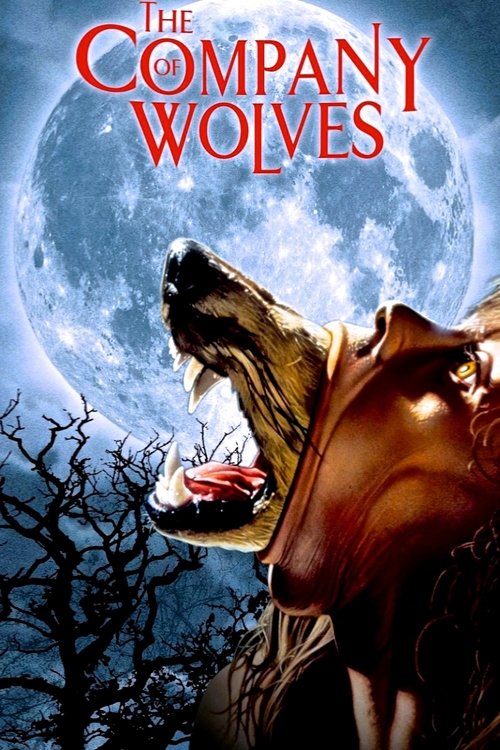
The Company of Wolves1984
Both are retellings that replace the curse or the prince with a meditation on a girl approaching womanhood and understanding desire for the first time—hers and others'.
Neil Jordan's live-action fever dream about a grandmother telling her granddaughter fairy tales on the eve of her womanhood. It reimagines Little Red Riding Hood as a story about female desire and the danger of recognizing it in yourself. Same threshold moment as Briar-Rose, but infinitely darker and stranger.
But It's grotesque and surreal and sometimes genuinely disturbing. If you want your fairy tales safe or straightforward, this will alienate you immediately.
More like this (7)
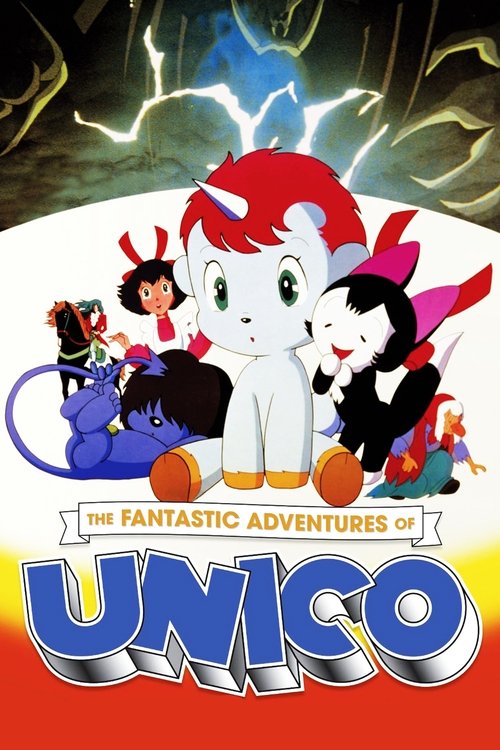
The Fantastic Adventures of Unico1981
A delicate, dreamlike anime about a magical unicorn meeting a girl. Shares Briar-Rose's lyrical animation style, its fairy-tale logic, and its melancholy acceptance of love as bittersweet and fleeting.
But Even more minimalist in plot than Briar-Rose. If you want story momentum, this will test your patience.
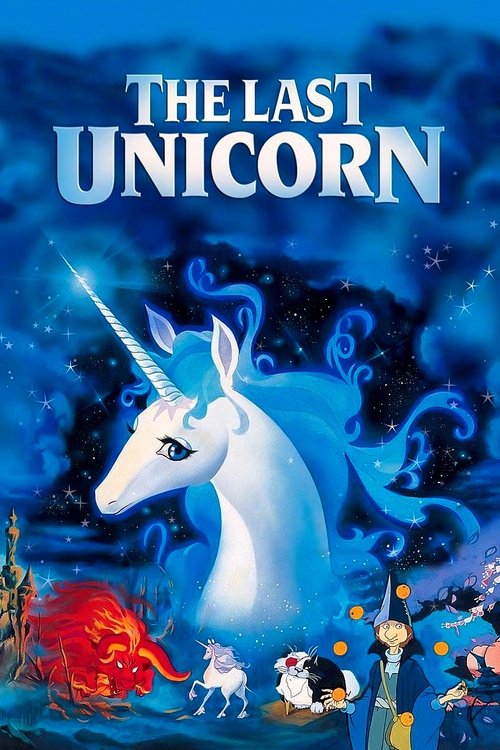
The Last Unicorn1982
An animated fantasy that privileges mood and visual poetry over plot mechanics. Like Briar-Rose, it's a brief, strange take on a classical tale that lingers more than it explains.
But The rotoscoped animation is dated and divisive. Some find it beautiful; others find it unsettling.
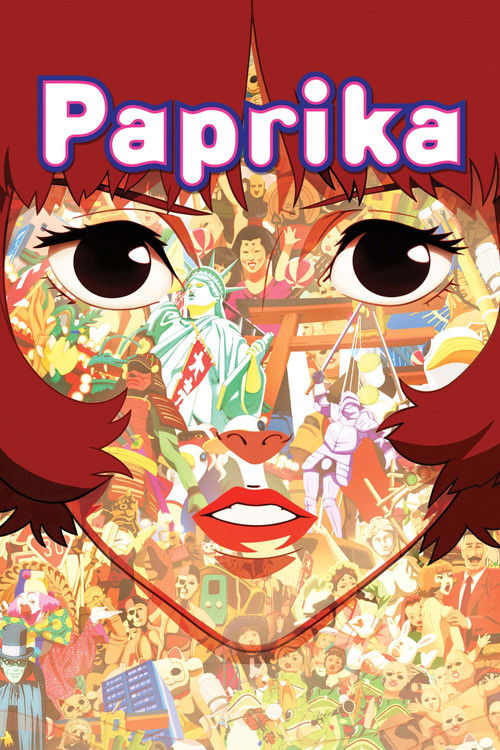
Paprika2006
Satoshi Kon's dazzling anime about dreams bleeding into reality. It shares Briar-Rose's interest in the surreal logic of desire and the confusion between what's real and what we wish were real.
But It's visually chaotic and narratively demanding in ways Briar-Rose is not. Much more kinetic and less meditative.
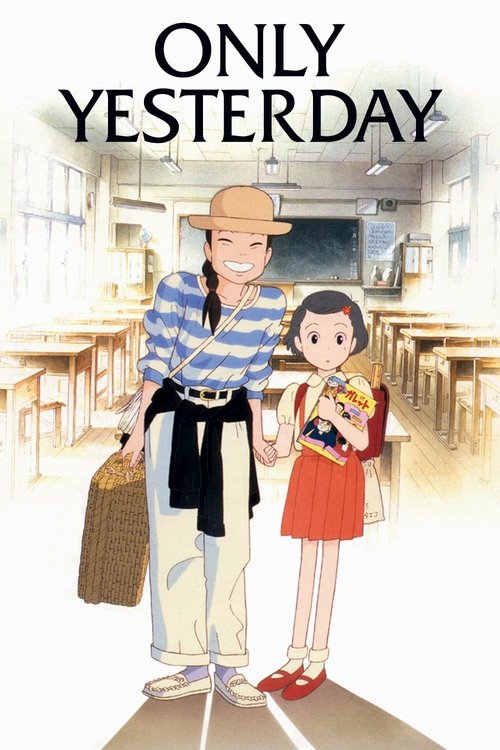
Only Yesterday1991
Isao Takahata's gentle anime about a woman revisiting her childhood and understanding her mother's choices. The same quiet meditation on generational legacy and the mysteries of the people who raised us.
But The pacing is deliberately slow and contemplative. Almost nothing happens by conventional standards.
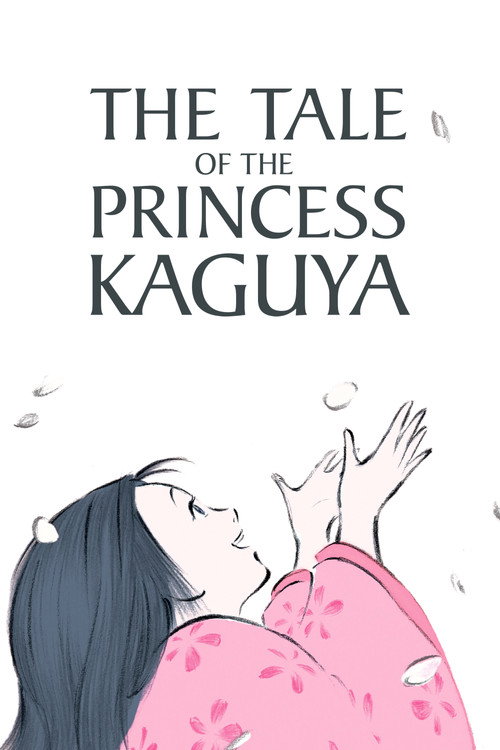
The Tale of The Princess Kaguya2013
Takahata again, with a watercolour retelling of The Tale of the Bamboo Cutter. Asks what Sleeping Beauty might ask: who owns a princess's life, and what does love cost her?
But At nearly two hours, it's a significant commitment. The hand-painted aesthetic won't appeal to everyone, and the ending is heartbreaking rather than satisfying.
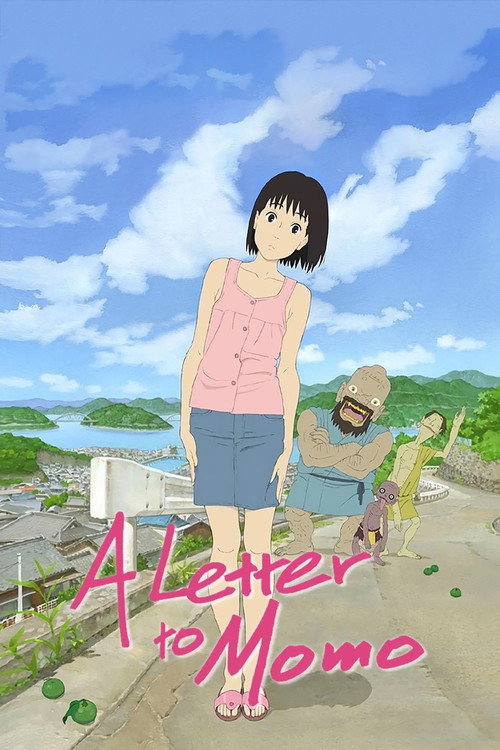
A Letter to Momo2012
Both are short animated films interested in a girl's interior life and her encounter with something magical that forces her to understand herself. Both prioritize mood over plot and recognize that sometimes recognition is all that happens.
Mary and Max director Adam Elliot's Japanese-Australian co-production about a girl who moves to a remote island and encounters the supernatural. A 22-minute animated film about grief and connection, with the same dreamlike precision as Briar-Rose.
But It's obscure and takes a long time to explain itself. The visual style is soft and deliberately unhurried. If you demand clarity and momentum, you'll be frustrated.
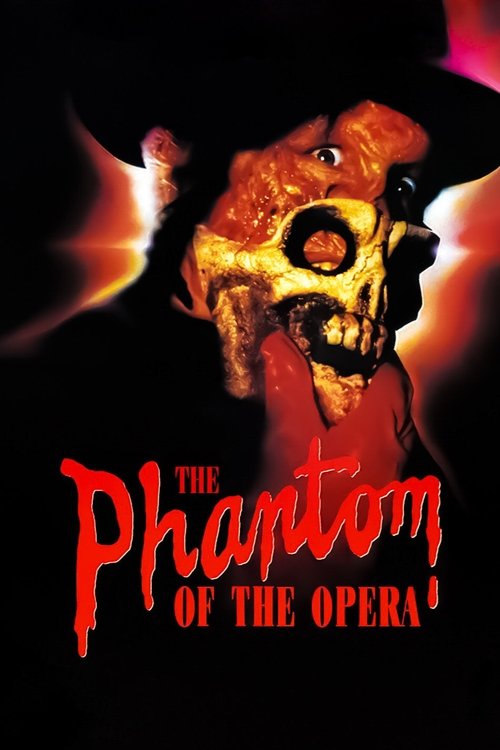
The Phantom of the Opera1989
Both are brief animated retellings of classical tales that center on a single moment of recognition and attraction rather than the full story. Both understand that sometimes the heart of a story isn't the curse or the resolution, but the instant when two people see each other.
A lesser-known anime by Rintaro that transposes Lloyd Webber's opera to a gorgeously animated fantasy world. It's equally interested in forbidden love, the recognition between two people, and the tragedy of wanting something you cannot have. Haunting and genuinely tragic.
But It's operatic in a literal sense—the pacing is governed by music and emotion rather than plot. Very slow, very earnest, and the dubbing can be awkward.
People
Cast
 Kyôko KishidaNarration (voice)
Directing
- Milan SvatošAssistant Director
- Kihachiro KawamotoDirector
Writing
- Jacob GrimmOriginal Story
- Wilhelm GrimmOriginal Story
Production
- Alena DětákováProducer
- Hiroaki SuzukiProduction Assistant
- Pavla BouckovaProduction Assistant
- Jiří KubíčekProduction Manager