
Film
Only Yesterday
Only Yesterday is Studio Ghibli's quietest film: no monsters, no flight, just a 27-year-old office worker's train ride into memories of fifth grade. Isao Takahata renders both timelines with tender, unhurried realism — crushes, report cards, family friction — asking whether she's living the life her ten-year-old self imagined. Patient, wistful, deeply adult animation for anyone who's wondered what happened to the person they meant to become.
If you liked this
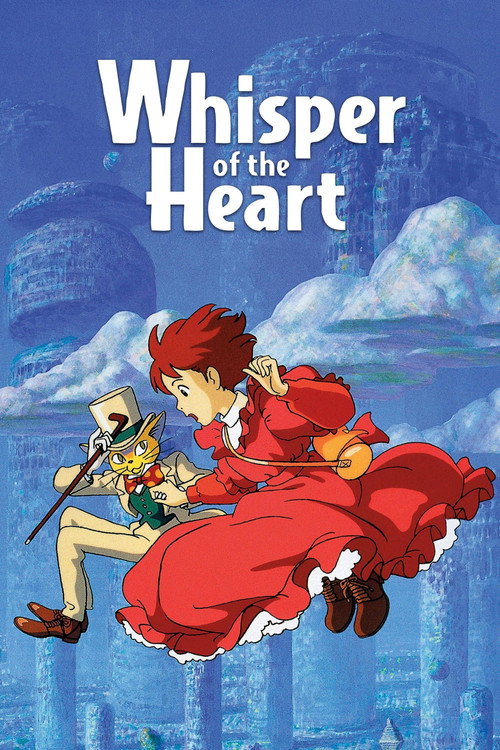
Whisper of the Heart1995
Ghibli's other quiet coming-of-age film, about a bookish teenager chasing a vague creative dream instead of the safe path everyone expects of her. Same tender, unhurried tone, same faith that ordinary adolescence deserves this much care.
But It's sweeter and more hopeful, aimed more at teenagers than adults looking back with regret.
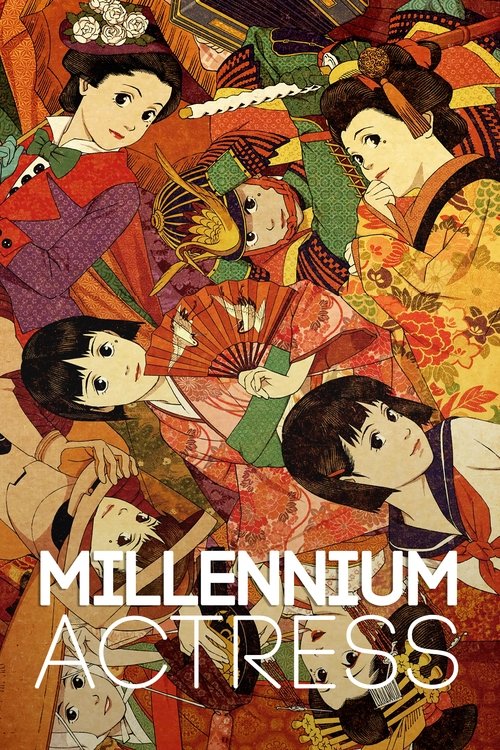
Millennium Actress2002
Satoshi Kon's dazzling structural cousin: an aging actress's memories dissolve into her old film roles, past and present colliding in every frame, turning one woman's whole life into cinema itself.
But Far more visually frantic and puzzle-like than Takahata's stillness; it demands active untangling, not quiet drifting.
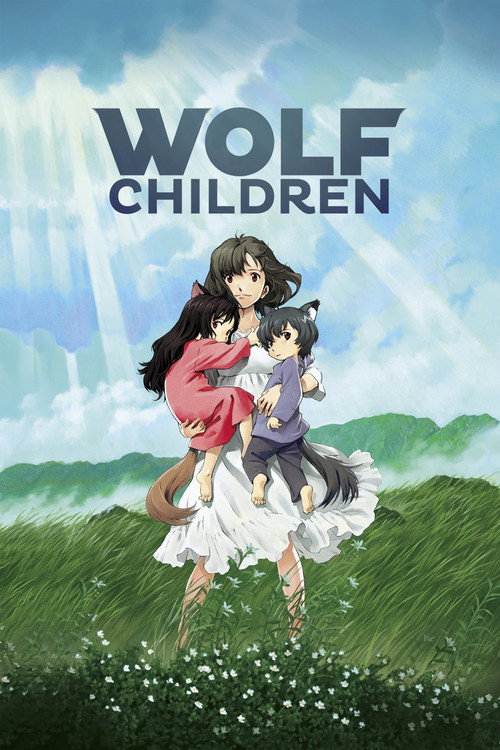
Wolf Children2012
Mamoru Hosoda's fantastical premise, a mother raising half-wolf children, carries the same unglamorous truth Only Yesterday does: growing up means watching your choices narrow, and finding grace in them anyway.
But The supernatural hook is a bigger ask than anything in Takahata's determinedly ordinary world.
The wildcard
Something you would not have found on your own.
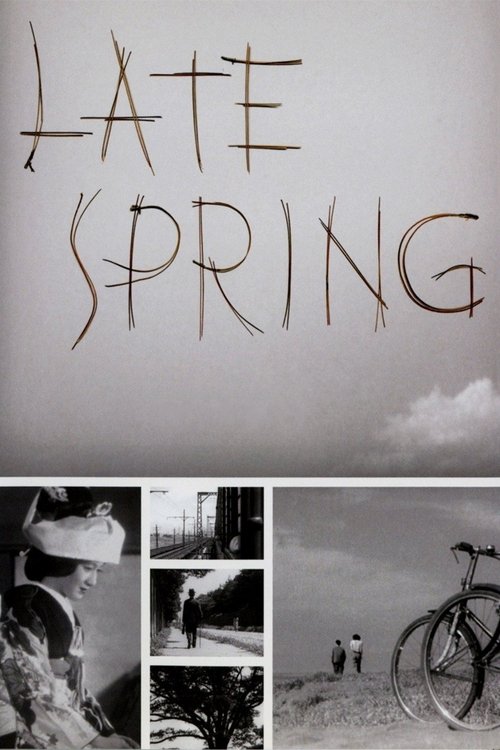
Late Spring1949
Takahata has cited Ozu's family dramas as a direct influence on Only Yesterday's static, low-angle compositions and its central question — what a woman owes her family versus her own unlived life.
Ozu's tatami-level classic about a daughter being gently pressured toward marriage is the film Takahata was visibly thinking about — same patient domestic rhythms, same ache of a woman's life being quietly decided around her.
But Black-and-white, 1949, almost no plot events; if you need pace, this will feel glacial.
More like this (8)
From Up on Poppy Hill2011no page yet
Goro Miyazaki's postwar Yokohama romance shares Only Yesterday's soft nostalgia for a rebuilding Japan, plus teenagers quietly deciding who they want to be against their parents' expectations.
But Its central mystery leans melodramatic in a way Takahata's film never allows itself to.
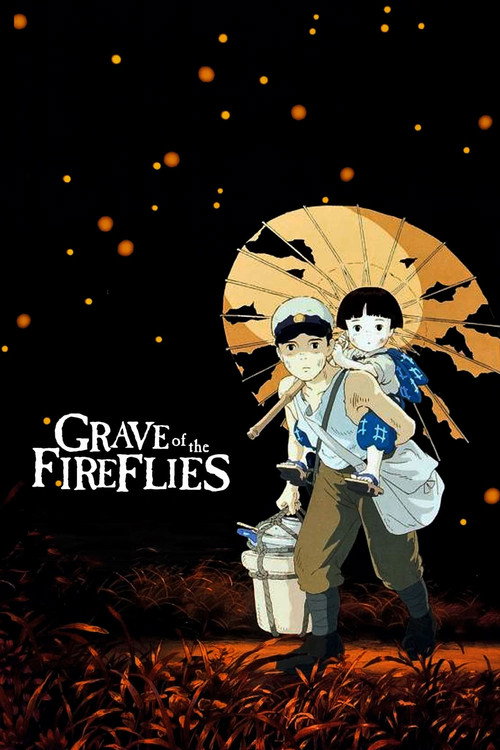
Grave of the Fireflies1988
Takahata's earlier, far harsher masterpiece proves he can do devastation as beautifully as gentleness — essential if you want the full range of his quiet realism.
But It's genuinely one of the saddest films ever made; go in prepared, not for a cosy evening.
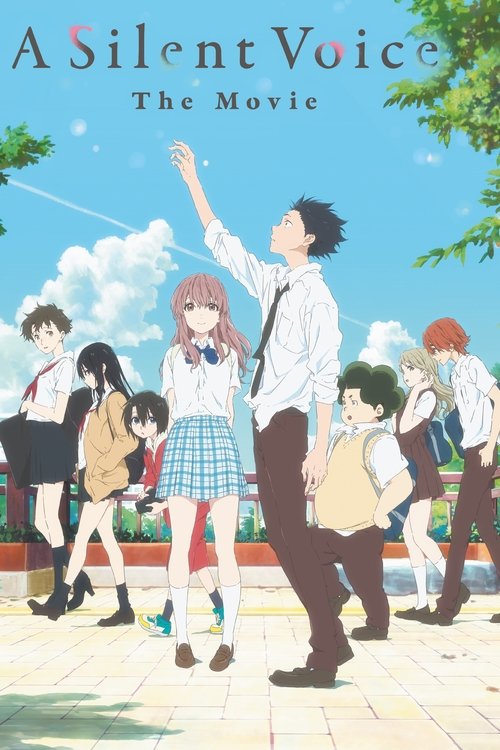
A Silent Voice: The Movie2016
A teenager tries to atone for cruelty he can't undo, revisiting old classmates the way Taeko revisits her ten-year-old self — regret rendered with real tenderness, not melodrama.
But Its inciting incident, bullying, is much darker and more pointed than anything Only Yesterday dwells on.
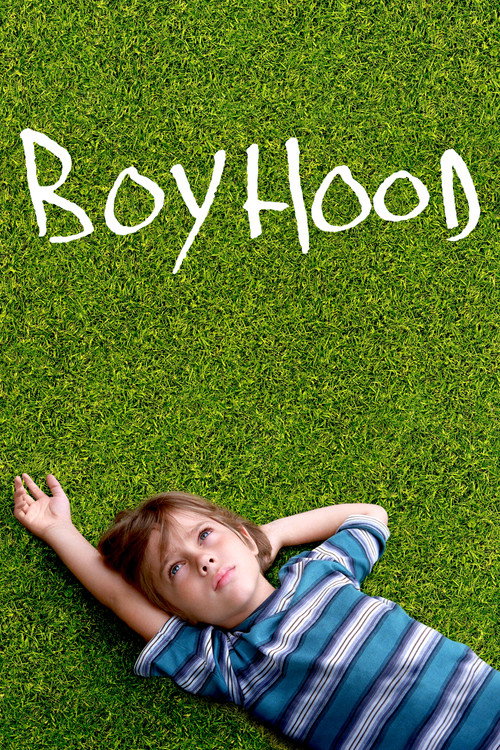
Boyhood2014
Linklater's twelve-years-in-the-making experiment gives you actual accumulated time instead of animated approximation — the same fascination with how a person quietly becomes who they are, scene by unremarkable scene.
But Nearly three hours of deliberately unspectacular American adolescence; some find the plainness a slog rather than a pleasure.
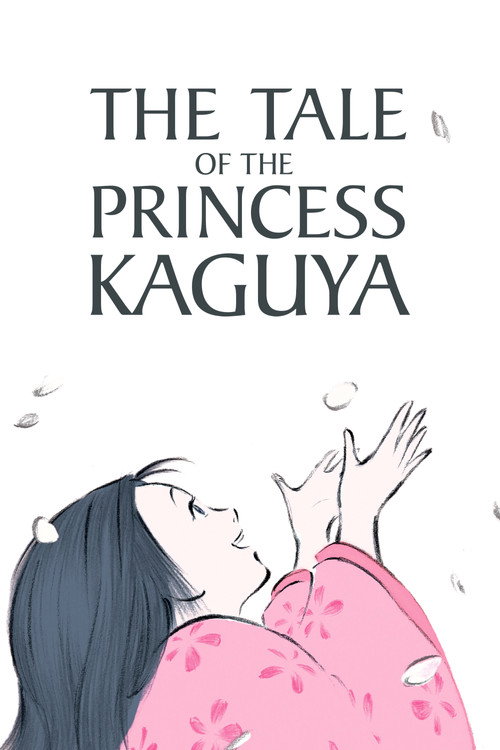
The Tale of The Princess Kaguya2013
Takahata's final film, watercolour-soft and just as concerned with a woman's life being decided for her — a fitting bookend if Only Yesterday leaves you wanting more of his patient style.
But It's a folktale, more overtly fantastical and formally daring than Only Yesterday's grounded realism.
5 Centimeters per Second2007no page yet
Makoto Shinkai's aching triptych about drifting apart from the people who defined your childhood hits the same wistful frequency as Taeko's memories, in gorgeous, melancholic miniature.
But It's bleaker in its conclusions about lost time, with none of Only Yesterday's eventual warmth.
Peggy Sue Got Married1986no page yet
Same engine as Only Yesterday — an adult woman confronting her younger self's choices about love and career — rehoused in Hollywood high concept instead of Ghibli's patience.
An American time-travel comedy where a disillusioned adult literally returns to her tenth reunion and her teenage self, weighing the same question Taeko does — did I become who I meant to be — but played for laughs and 80s gloss.
But The fantasy device and comic tone are the opposite of Takahata's grounded realism; it's a much trashier, broader film.
Anohana: The Flower We Saw That Day2011no page yet
Same premise reformatted for television — present-day people undone by unresolved childhood — proving the memory-drama engine works just as well stretched across hours instead of compressed into one film.
A twelve-episode anime series about estranged childhood friends forced to reckon with who they used to be, stretching Only Yesterday's single train ride of memory into a slower, serialized ache.
But A supernatural framing device and more overt teenage melodrama than Takahata ever allows himself.
People
Cast
 Miki ImaiTaeko Okajima (voice)
 Yoko HonnaTaeko Okajima as a 5-Year-Old (voice)
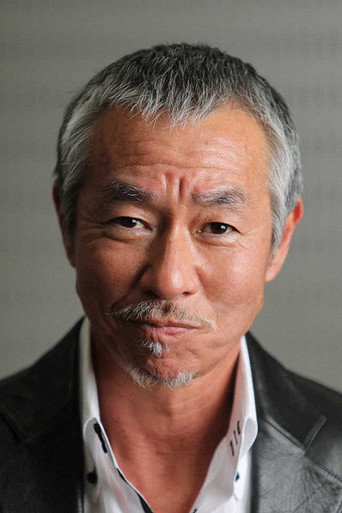 Toshiro YanagibaToshio (voice)
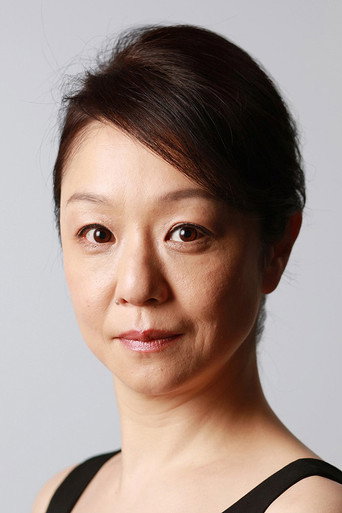 Yorie YamashitaNanako Okajima (voice)
- Yuki MinowaYaeko Okajima (voice)
- Masahiro ItoTaeko's Father (voice)
- Michie TeradaTaeko's Mother (voice)
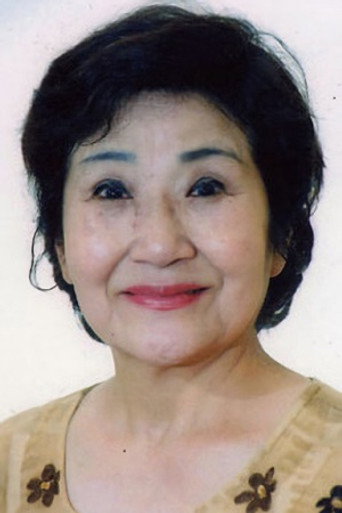 Chie KitagawaTaeko's Grandmother (voice)
 Mayumi IzukaTsuneko Tani (voice)
 Yuuki MasudaHirota (voice)
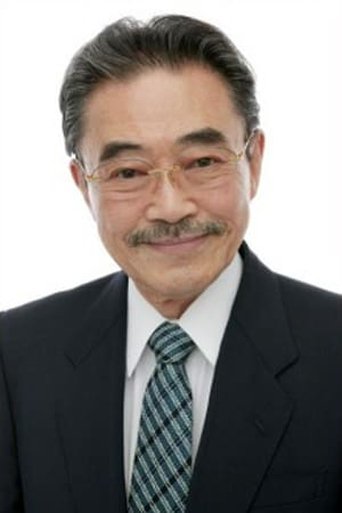 Ichiro NagaiTorahige (voice)
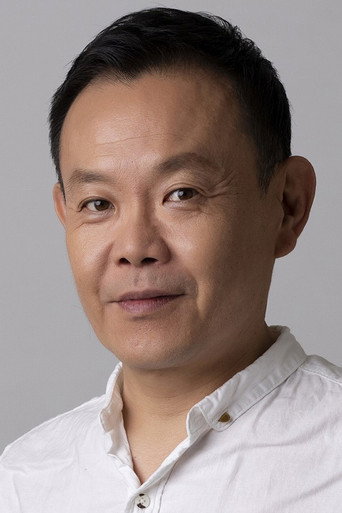 Yoshimasa KondoHomeroom Teacher (voice)
Directing
- Isao TakahataDirector
Writing
- Hotaru OkamotoComic Book
- Yuko ToneComic Book
- Isao TakahataScreenplay
Production
- Hayao MiyazakiExecutive Producer
- Toshio SuzukiProducer
- Yasuyoshi TokumaProducer
- Tomoaki NishigiriProduction Assistant
- Nozomu TakahashiProduction Manager
Recommended by
Little Women, Whisper of the Heart, Late Spring, Roma, 13 Going on 30, Wild Strawberries, The Waltons, When Marnie Was There, Fast Times at Ridgemont High, In This Corner of the World, Fallen Leaves, An Autumn Afternoon