
Film
Wolf Children
Mamoru Hosoda's animated drama follows a young mother raising two half-wolf children alone after their father's death, tracking years of quiet domestic struggle rather than fantasy adventure. It's tender, slow-burning and unexpectedly moving — closer to a memoir of parenthood than a monster story. Beautifully drawn, emotionally patient, and best suited to viewers happy to sit with melancholy alongside wonder.
If you liked this
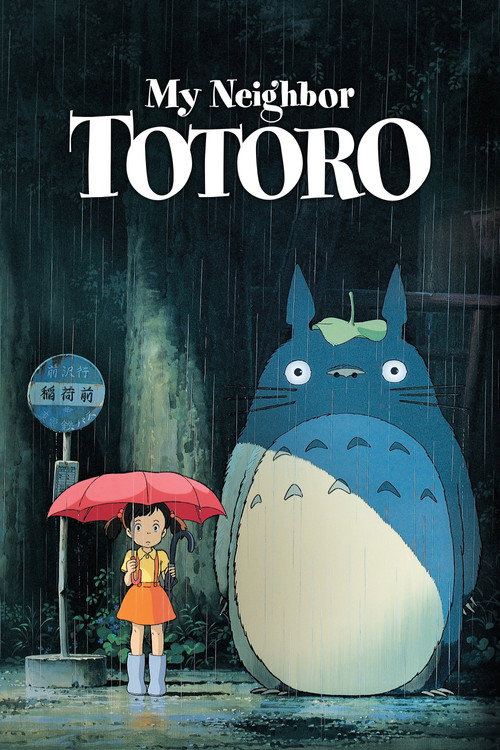
My Neighbor Totoro1988
Ghibli's gentlest film shares Wolf Children's rural wonder and hushed reverence for the natural world; if you loved watching Hana's children roam free in the countryside, this is where that feeling was born.
But Almost plotless and very slow — if you need narrative momentum, this may test your patience.
Mirai2018no page yet
Same director, same interest in family across generations, this time about a jealous older brother learning empathy through time-slipping visions of his own ancestors.
But More fantastical and episodic than Wolf Children, with less of the grounded, real-world hardship that gives the earlier film its weight.
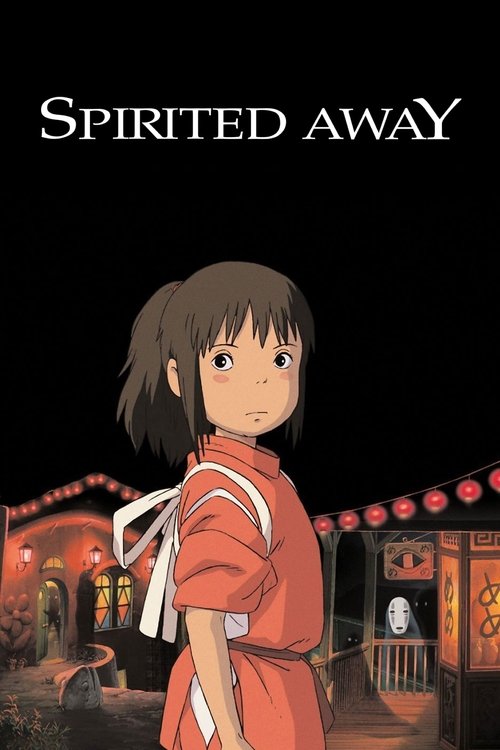
Spirited Away2001
Another coming-of-age fable about a child finding her own resilience in a world stranger than she expected, drawn with the same lush, painterly beauty.
But More whimsical adventure than domestic drama — expect spirits and bathhouses, not single motherhood or rural hardship.
The wildcard
Something you would not have found on your own.
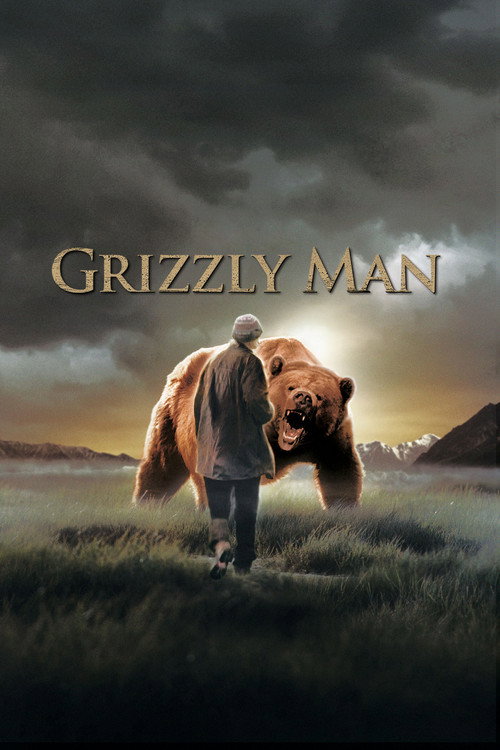
Grizzly Man2005
Both ask whether love and good intentions can bridge the gap between the human world and the wild one — Hosoda's fable through a mother's eyes, Herzog's documentary through a man convinced he could live inside a bear's world.
Werner Herzog's mesmerizing documentary about a man who lived among Alaskan grizzlies for years, filming them himself, is funny, tender and finally shattering — a real-life meditation on the same wildness Wolf Children only dramatizes.
But It's a true story with a genuinely tragic, unsettling ending — not one for anyone hoping for gentle reassurance.
More like this (8)
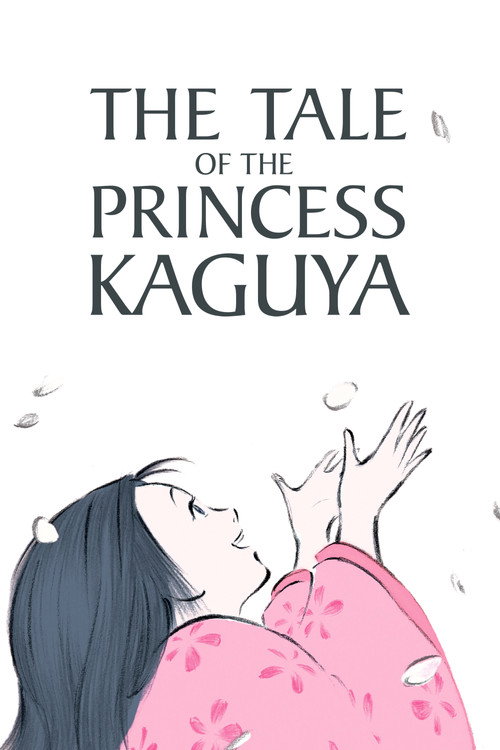
The Tale of The Princess Kaguya2013
A hand-painted Ghibli masterpiece about a child growing away from the parent who loves her, aching with the same bittersweet acceptance of children becoming who they are.
But Its watercolour style and folk-tale pacing are gorgeous but unhurried — some will find it too slow.
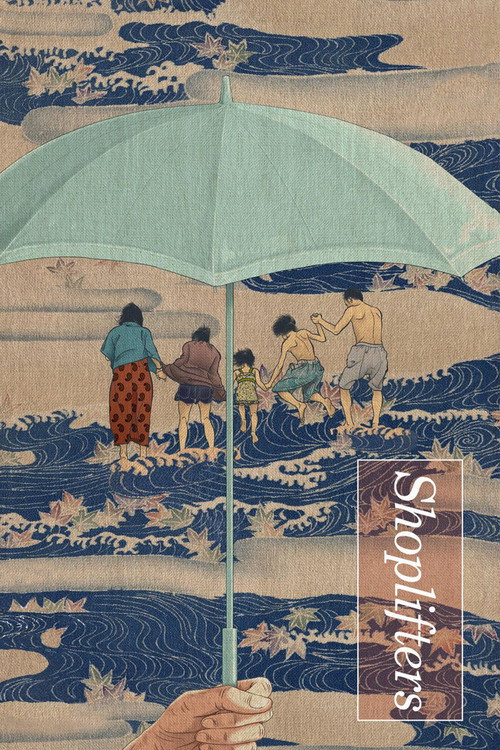
Shoplifters2018
Kore-eda's quietly devastating drama about a makeshift family living outside society's rules asks the same question Wolf Children does: what actually makes someone a parent?
But Live-action and morally thorny, with an ending that offers little comfort or resolution for anyone hoping for warmth.
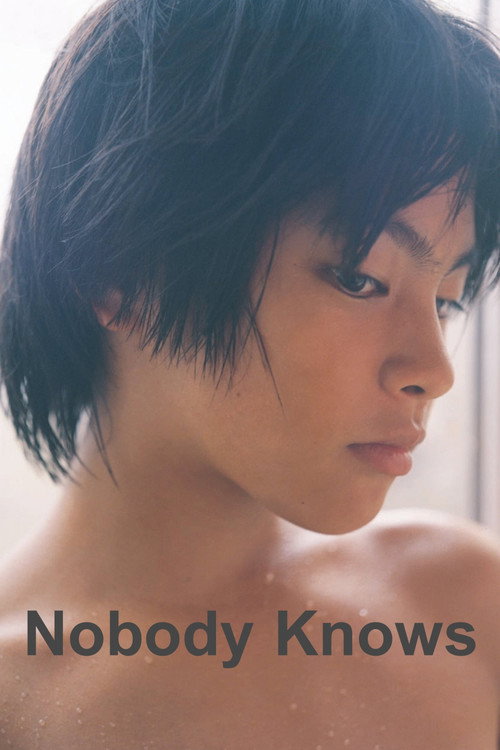
Nobody Knows2004
Based on a true story, this Kore-eda film follows children left to raise themselves after their mother disappears — a harder, sadder cousin to Hana's solitary struggle.
But Unflinching and quietly devastating, with no fantasy or animation here to soften the loneliness these children face.
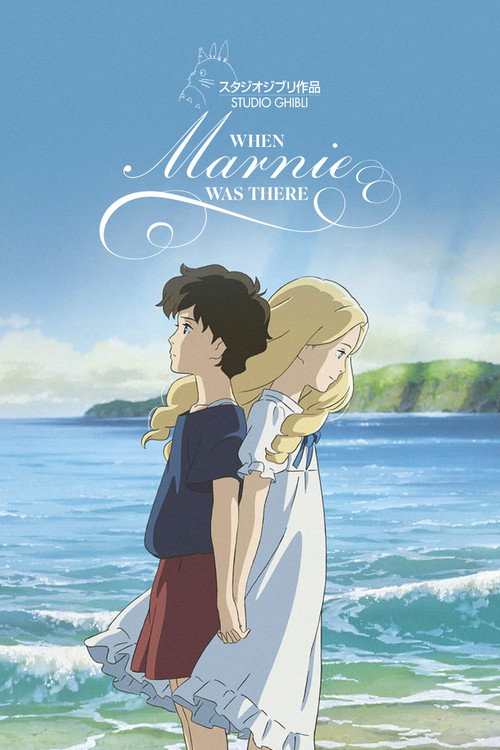
When Marnie Was There2014
A ghostly, melancholy Ghibli film about a lonely girl, absent parents and the secrets families keep, told with the same tender hand as Hosoda's work.
But Its mystery unfolds slowly and its sadness lingers rather than resolving into anything neat or comforting.
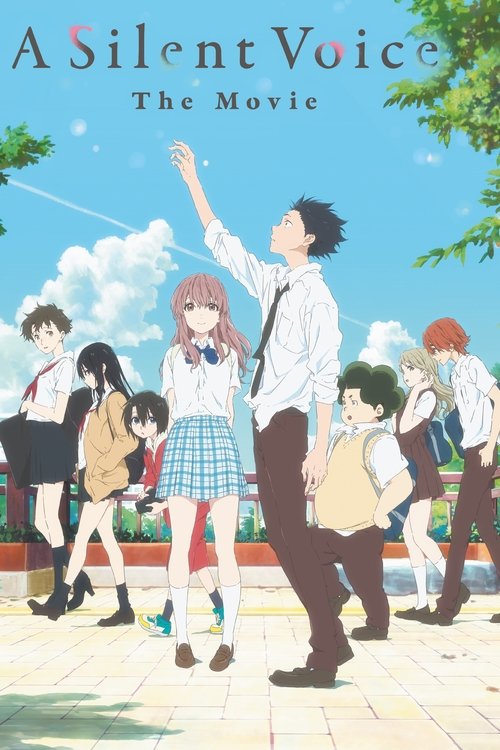
A Silent Voice: The Movie2016
A beautifully animated story of guilt, isolation and the long road back to connection, carrying the same emotional patience and painterly visual craft as Hosoda's film.
But Its subject matter — bullying, self-harm — is heavier and more painful than anything in Wolf Children.
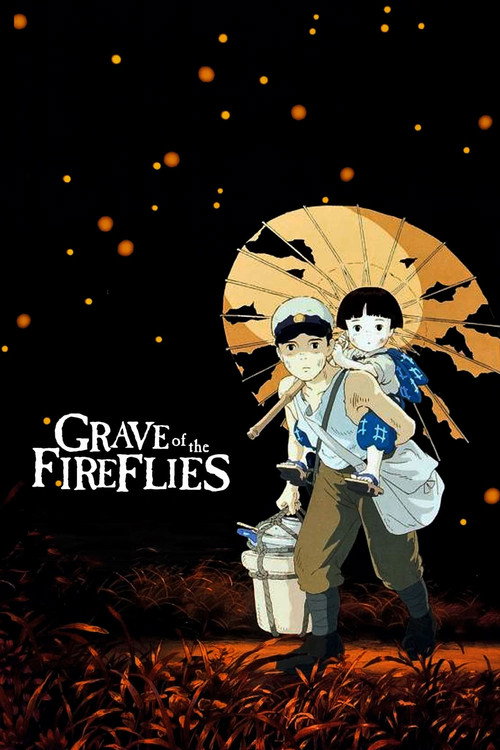
Grave of the Fireflies1988
If you want to see how far animation can go into grief, this Ghibli classic about siblings surviving alone together is essential, devastating viewing.
But It is one of the saddest films ever made — go in prepared, not for a light evening.
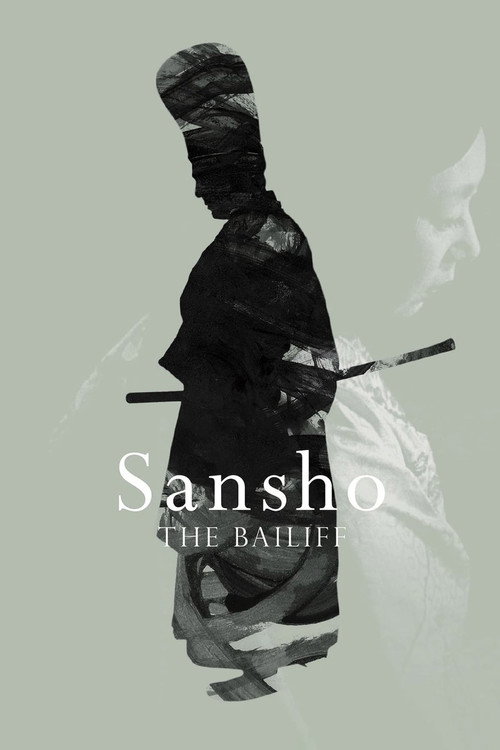
Sansho the Bailiff1954
Both are about a parent's sacrifice and children forced to choose, generations apart, between the life they were born to and the harsher one survival demands — Mizoguchi got there in black and white six decades before Hosoda drew it.
Kenji Mizoguchi's 1954 classic follows a mother separated from her children, who must fight to survive and find their way back to who they are — devastating, humane, and one of the most beautiful films ever made.
But Slow, formal, and unmistakably a film of its era; the sorrow here is total, with none of Wolf Children's warmth to soften it.
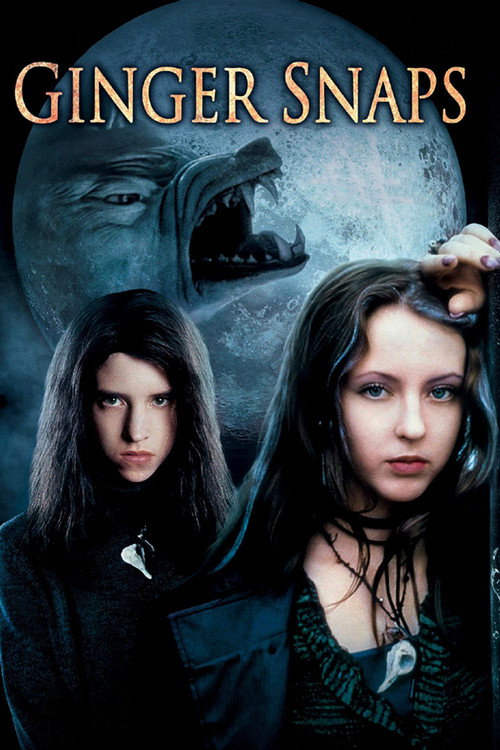
Ginger Snaps2000
Same idea turned inside out — a girl's first werewolf transformation as puberty and the wildness parents can't fully tame, played here as gleeful, gory teen horror instead of tender family drama.
This cult Canadian horror-comedy uses lycanthropy as a blunt, hilarious metaphor for adolescence and female rage, doing loudly and messily what Wolf Children does quietly.
But It's trashy, bloody and deliberately provocative — the tonal opposite of Hosoda's hushed, tender family drama.
People
Cast
 Aoi MiyazakiHana (voice)
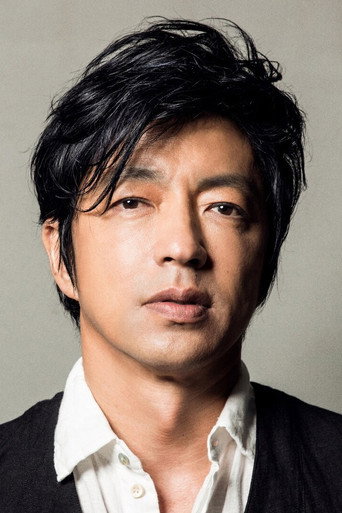 Takao OsawaWolf Man (voice)
 Haru KurokiYuki (voice)
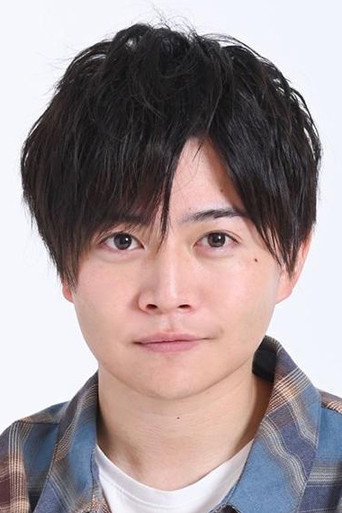 Yukito NishiiAme (voice)
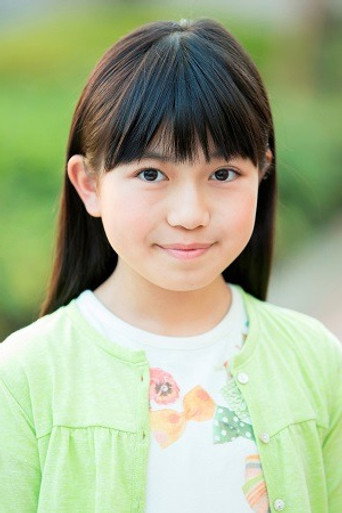 Momoka OhnoYuki as a Child (voice)
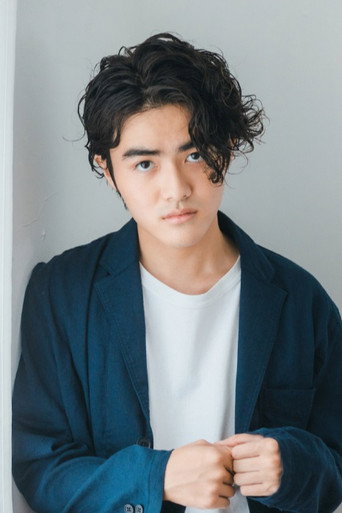 Amon KabeAme as a Child (voice)
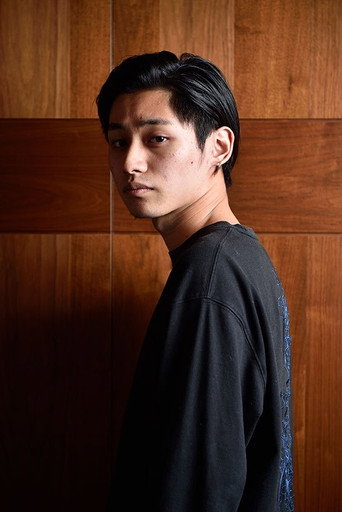 Takuma HiraokaSohei (voice)
 Megumi HayashibaraSohei's Mother (voice)
 Mone KamishiraishiKeno (voice)
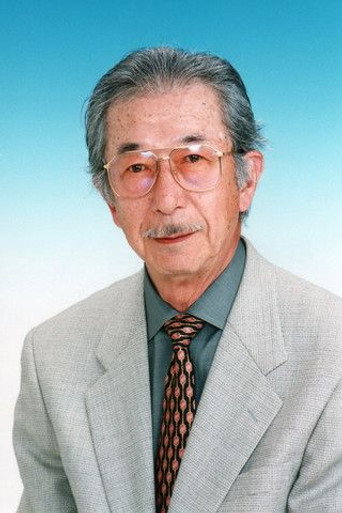 Tadashi NakamuraHosokawa (voice)
 Tamio OhkiYamaoka (voice)
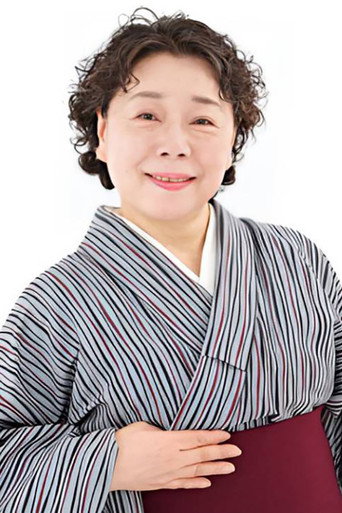 Tomie KataokaMrs. Nirasaki (voice)
Directing
- Kotaro TamuraAssistant Director
- Mamoru HosodaDirector
Writing
- Mamoru HosodaOriginal Story
- Mamoru HosodaScreenplay
- Satoko OkuderaScreenplay
Production
- Genki KawamuraAssociate Producer
- Izumi MurakamiAssociate Producer
- Satoshi MashidaCasting Director
- Nozomu TakahashiCo-Executive Producer
- Fumihiro HiraiExecutive Producer
- Gen FukunagaExecutive Producer
- Hidenori UekiExecutive Producer
- Hiroyasu AsamiExecutive Producer
- Hiroyuki OkadaExecutive Producer
- Ken HironakaExecutive Producer
- Minami IchikawaExecutive Producer
- Seiji OkudaExecutive Producer
- Shinichirou InoueExecutive Producer
- Suzuko FujimotoExecutive Producer
- Yoshio TakadaExecutive Producer
- Yuka SaitoExecutive Producer
- Justin CookProducer
- Takashi WatanabeProducer
- Takuya ItoProducer
- Yuichiro SaitoProducer
- Kiyotaka WakiProduction Manager
- Yasuhiro YamaguchiPublicist
Recommended by
Spirited Away, Princess Mononoke, The Girl Who Leapt Through Time, Mind Game, Kiki's Delivery Service, Your Name., The Tale of The Princess Kaguya, Only Yesterday, Brave, When Marnie Was There, News of the World, Frozen