
Film
Princess Mononoke
Princess Mononoke is Hayao Miyazaki's sprawling, hand-drawn war epic disguised as a fairy tale — forest gods, a cursed prince, a wolf-raised girl, and an iron town that wants the mountain dead. It's gorgeous, genuinely violent, and stubbornly refuses to give anyone a clean villain. Watch it for scale, moral ambiguity, and an ending that earns its ache rather than resolving it neatly.
If you liked this
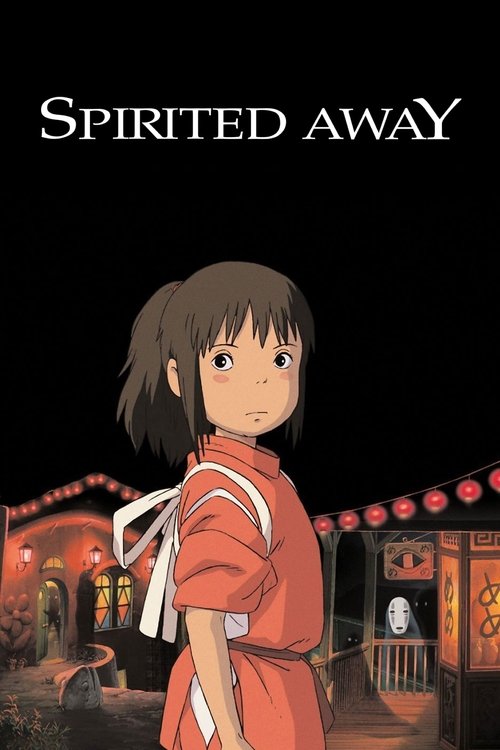
Spirited Away2001
Miyazaki's most beloved film shares the same eye for strange, breathing worlds and a heroine finding her own moral footing among spirits who don't play by human rules.
But It's gentler and more personal — a bathhouse coming-of-age story, not a war between industry and nature.
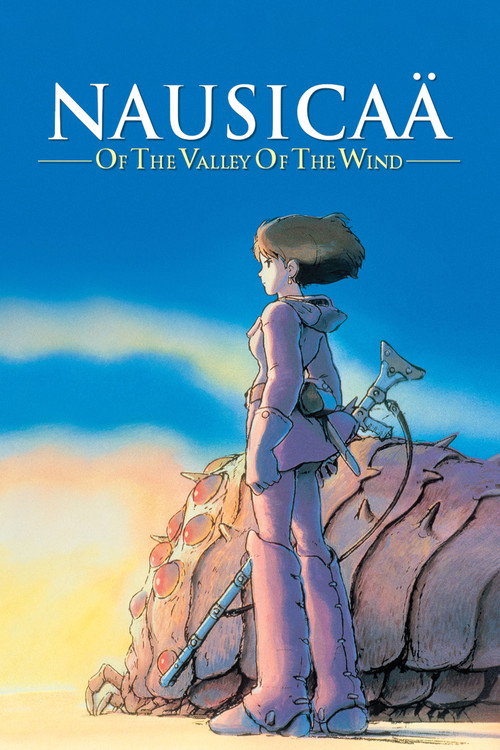
Warriors of the Wind1984
This is Miyazaki's dry run for Mononoke's whole argument — a princess trying to broker peace between a poisoned forest and a warring humanity, a decade before he perfected it.
But Rougher animation and pacing than the later films; it visibly shows its age and its budget.
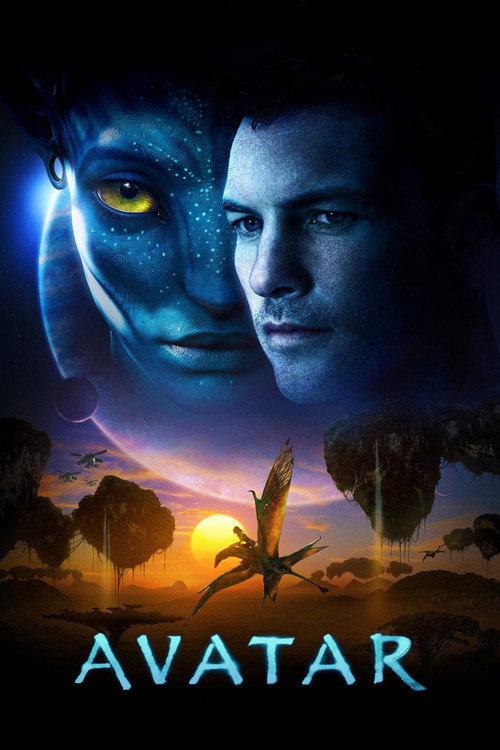
Avatar2009
Cameron essentially remade Mononoke's core conflict — indigenous nature-spirits versus resource extraction — with a nine-figure budget and blue aliens instead of forest gods.
But The politics are broader and blunter, the characters thinner; it trades ambiguity for spectacle.
The wildcard
Something you would not have found on your own.
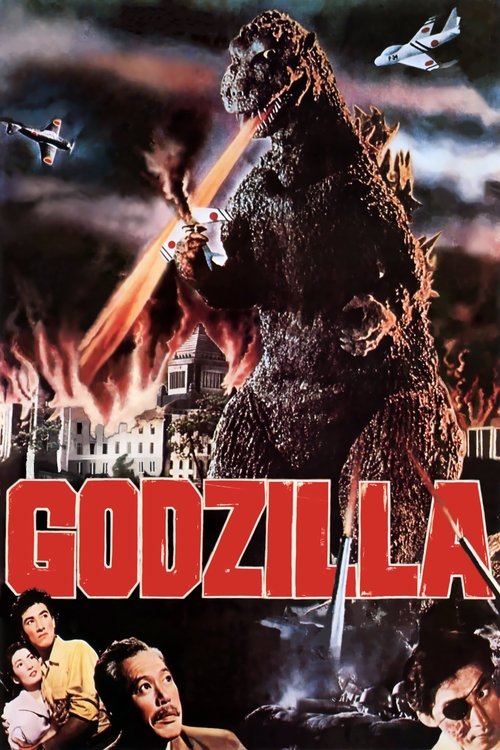
Godzilla1954
Both films use an enraged, near-mythic embodiment of nature — Godzilla, the Nightwalker — as punishment for a species that mined and burned its way past a line it shouldn't have crossed. Same wound, sixty-year head start.
Before Miyazaki's forest spirits, there was this: a wounded natural force, woken by human overreach, that cannot be negotiated with or defeated cleanly — only survived.
But It's a slow, mournful, black-and-white monster movie, closer to a disaster elegy than an action film.
More like this (8)
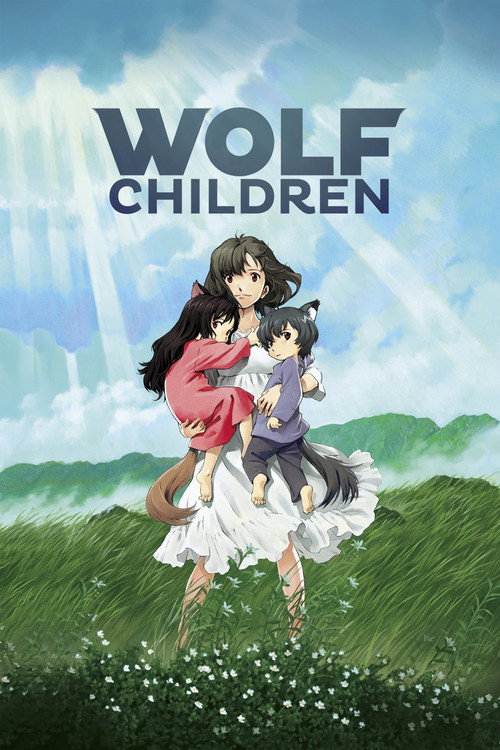
Wolf Children2012
Mamoru Hosoda's quieter fable about a woman raising children who are part-wolf carries the same tenderness toward the blurred line between human and animal that defines San.
But It's a domestic drama, not an adventure — no battles, no gods, just years quietly passing.
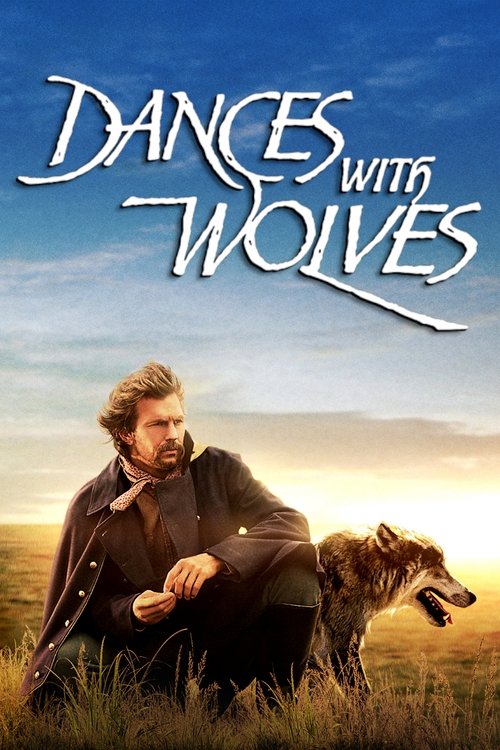
Dances with Wolves1990
An outsider embeds with a culture he was sent to conquer and ends up defending it — the same bargain Ashitaka makes, relocated to the American plains.
But Three hours of earnest 90s prestige filmmaking; it can feel slow and a little self-satisfied.
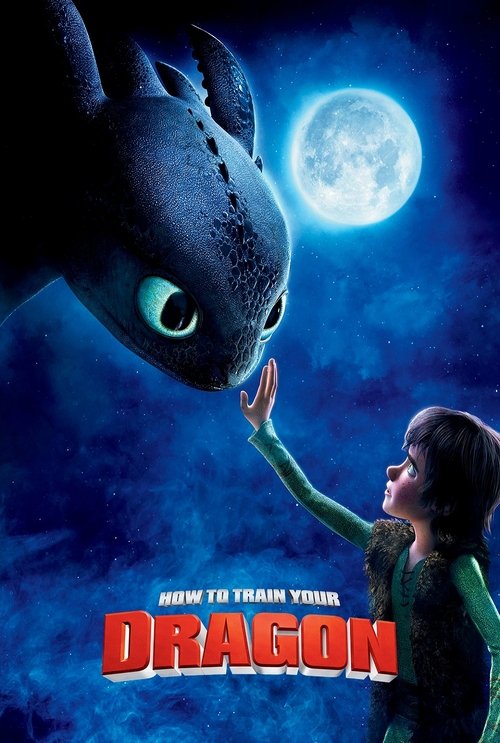
How to Train Your Dragon2010
A boy bridges two warring species through one unlikely animal friendship — smaller stakes than Mononoke, but the same warm insistence that enemies might just be misunderstood.
But It's a family film first, with jokes and a much softer landing than Miyazaki would ever allow.
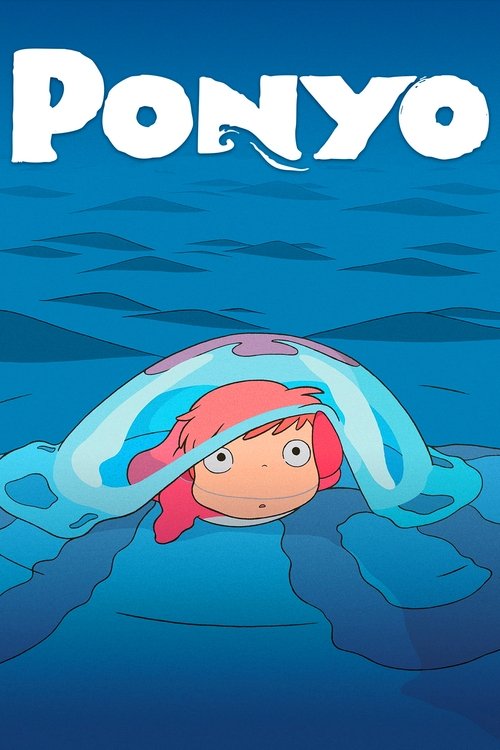
Ponyo2008
Same director, same love of the ocean and its furious, half-human spirits, but stripped down into something almost childlike and joyful.
But There's none of Mononoke's darkness or moral complexity — this is Miyazaki at his most sweetly simple.
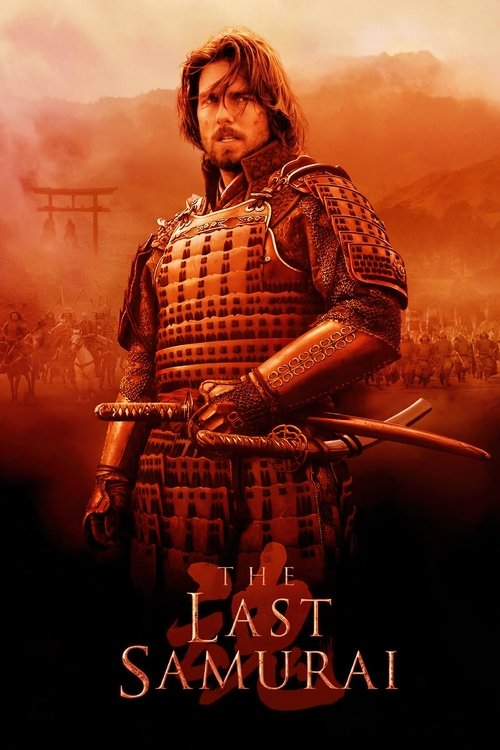
The Last Samurai2003
An outsider caught between an old world's dying traditions and a new world's guns and industry, watching a way of life get erased in real time.
But It's a more conventional Hollywood epic, and its framing has aged less gracefully than Miyazaki's.
Pom Poko1994no page yet
Fellow Ghibli director Isao Takahata's shape-shifting raccoon dogs wage a scrappy, funnier war against bulldozers flattening their forest — the same fight, played for folklore and comedy.
But It's talkier and more culturally specific to Japan, and the tone swings stranger than anything in Mononoke.
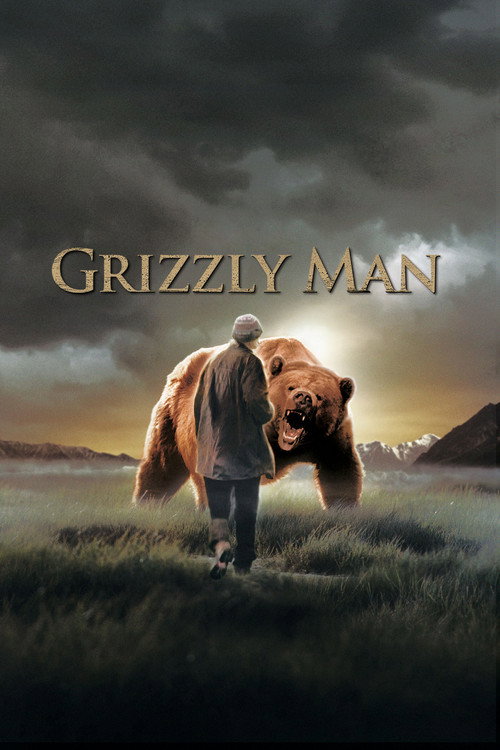
Grizzly Man2005
San is raised by wolves and belongs to neither world; Timothy Treadwell tried to erase that same boundary in his own life, and the film — built from his own footage — refuses to romanticise how it ends.
Werner Herzog's documentary about a man who lived among Alaskan grizzlies until they killed him asks the exact question Mononoke keeps circling: what happens when a person tries to fully belong to the wild.
But It's real, it's sad, and Herzog's narration is deliberately unsettling rather than comforting.
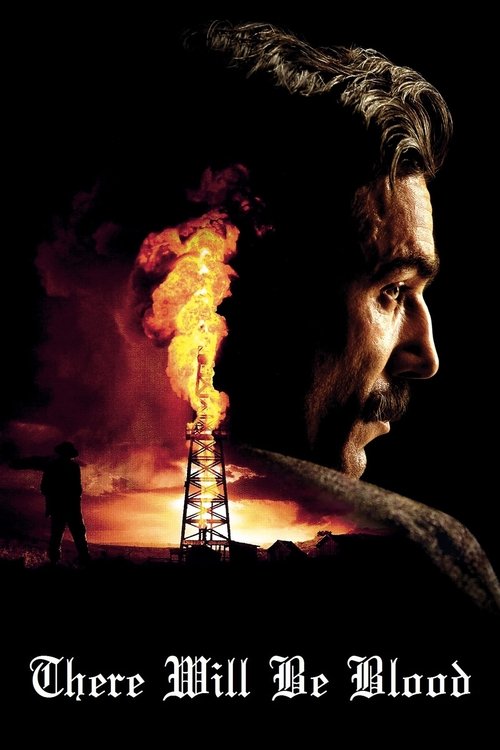
There Will Be Blood2007
Eboshi is a visionary and a monster in the same breath; Paul Thomas Anderson hands you that exact unresolved figure without any mythology to make the villainy metaphorical — just capitalism, unmasked.
Swap iron ore for oil and Lady Eboshi for Daniel Plainview: the same story of an industrialist tearing through a landscape and its people, with no forest gods around to stop him.
But It's a slow-burn character study, nearly three hours, with none of Mononoke's action or fantasy to soften the ugliness.
People
Cast
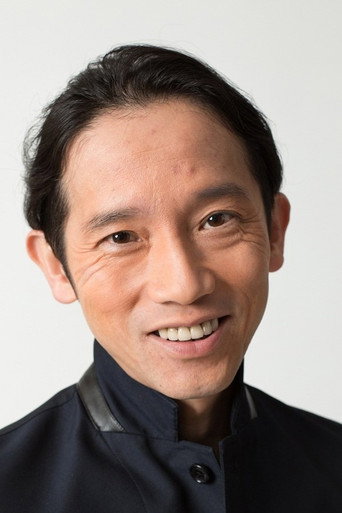 Yoji MatsudaAshitaka (voice)
 Yuriko IshidaSan / Kaya (voice)
 Yuko TanakaEboshi Gozen (voice)
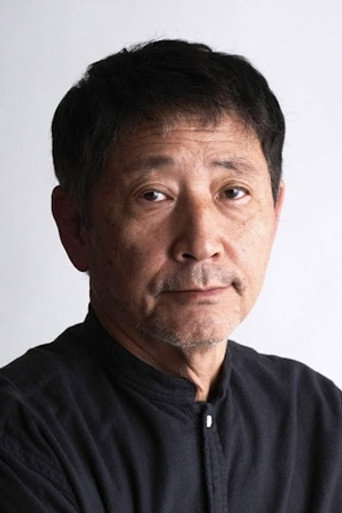 Kaoru KobayashiJikobo (voice)
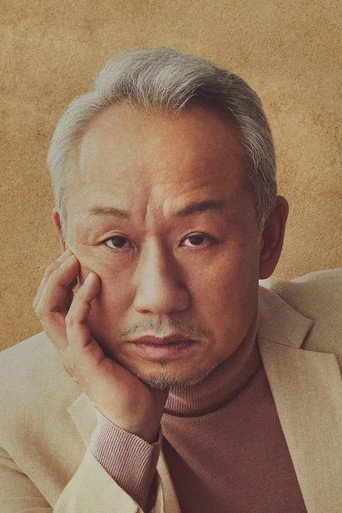 Masahiko NishimuraKouroku (voice)
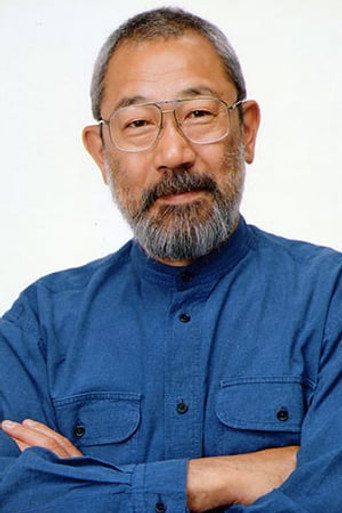 Tsunehiko KamijôGonza (voice)
 Akihiro MiwaMrs. Moro (voice)
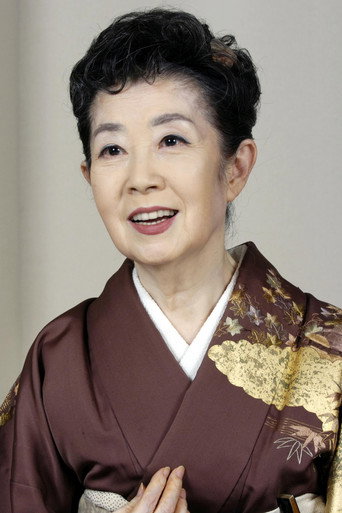 Mitsuko MoriMrs. Hii (voice)
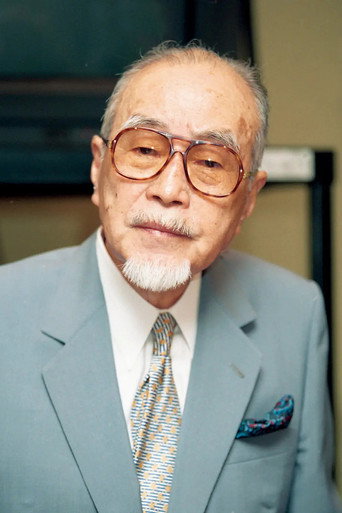 Hisaya MorishigeChief of Affairs (voice)
 Sumi ShimamotoToki (voice)
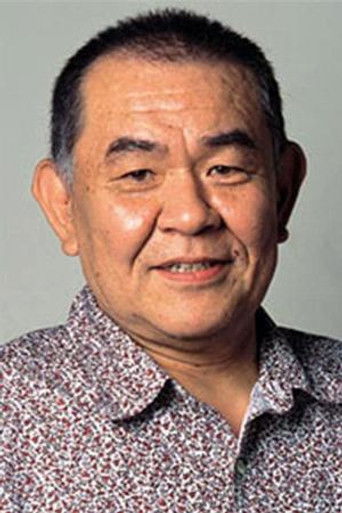 Tetsu WatanabeWild Dog (voice)
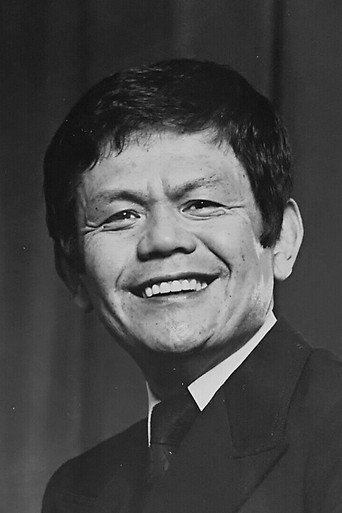 Makoto SatōTatari God (voice)
Directing
- Hiroyuki ItoAssistant Director
- Hayao MiyazakiDirector
- Koji AritomiSecond Unit First Assistant Director
- Masakatsu IshizoneSecond Unit First Assistant Director
Writing
- Hayao MiyazakiOriginal Story
- Hayao MiyazakiScreenplay
Production
- Seiichiro UjiieExecutive Producer
- Seiji OkudaExecutive Producer
- Yasuyoshi TokumaExecutive Producer
- Yutaka NaritaExecutive Producer
- Toshio SuzukiProducer
Recommended by
Spirited Away, The Lord of the Rings: The Return of the King, Howl's Moving Castle, Fullmetal Alchemist: Brotherhood, Castle in the Sky, Warriors of the Wind, The Secret of Kells, Wolfwalkers, The Lord of the Rings: The Rings of Power, Avatar: Fire and Ash, Legend, Suzume, Mushi-Shi