
Film
Mothra
A 1961 Japanese science-fiction fantasy about a giant moth deity awakened to rescue her priestesses from human greed. Visually sumptuous, genuinely strange, and oddly moving—it treats its giant monster with the reverence of myth rather than mere spectacle. Essential viewing for anyone who thinks monster movies are just about destruction.
Should you watch it?
Watch it if you love old-fashioned monster movies that mix Toho-style rubber-suit spectacle with a sincere, almost fairy-tale earnestness and a gentle anti-greed streak.
Skip it if you need brisk pacing or modern effects, since the human drama moves at a leisurely clip and the creature work shows its age in ways that can pull you out of it.
What it asks of you: Settle in for about an hour and a half of unhurried setup before the big set pieces arrive, and be willing to read the fantasy as sincere rather than winking.
Not sure? Find tonight's pick in a minute.
If you liked this
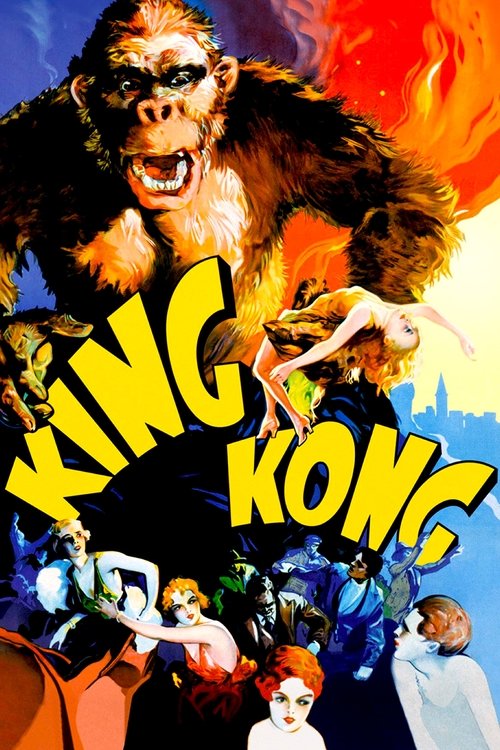
King Kong1933
The template for all monster-meets-civilization stories. Kong is treated with tragic sympathy even as he destroys—you'll see how Mothra refines and deepens what this film pioneered.
But The pacing is slow by modern standards, and some of the racial attitudes embedded in it haven't aged well, despite the film's occasional attempts at critique.
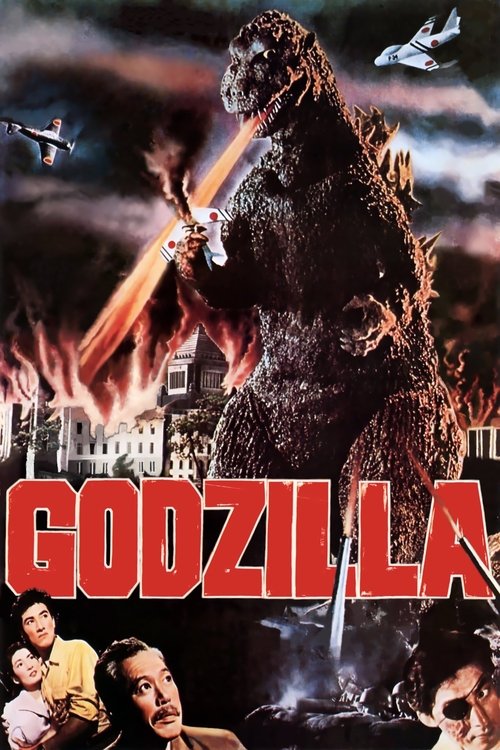
Godzilla1954
The foundational kaiju film, suffused with atomic-age dread. It's the other pillar of the Japanese monster tradition Mothra belongs to, darker and more apocalyptic in tone.
But It's bleak and sometimes ponderous. If you want spectacle and wonder rather than existential horror, this will feel like a slog.
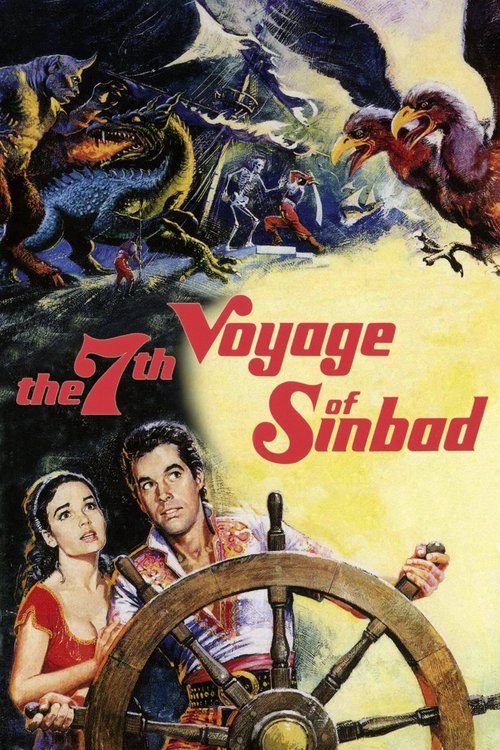
The 7th Voyage of Sinbad1958
Ray Harryhausen's stop-motion mastery in service of Arabian Nights fantasy. Shares Mothra's sense of adventure and magical strangeness, with creatures treated as wonders rather than mere threats.
But The effects, while brilliant, move at a deliberate pace. The human drama is functional, not the main draw.
Not sure tonight? Get a pick in a minute, starting from Mothra
The wildcard
Something you would not have found on your own.
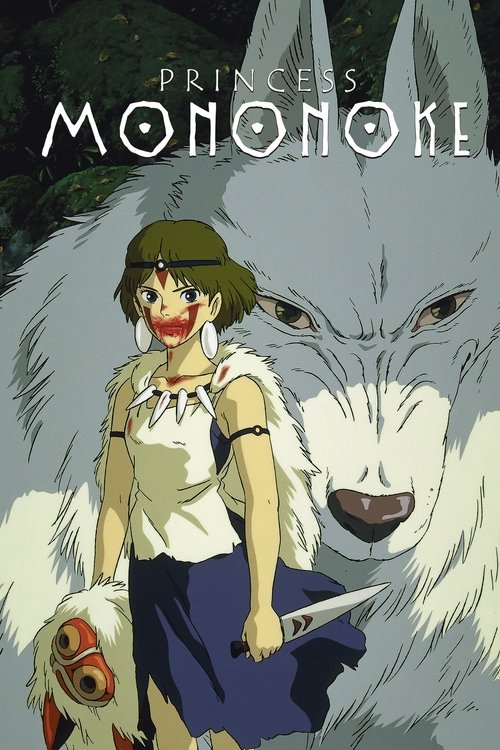
Princess Mononoke1997
Both films pit a divine force of nature against human exploitation, treating the monster as the moral center rather than the threat. Both present the conflict as tragedy, not simple good versus evil.
Miyazaki's animated epic about human greed destroying nature and the mythical protector that rises to stop it. It's the spiritual descendant of Mothra—the same story, the same moral clarity, told with staggering visual imagination and emotional depth.
But It's long, complex, and demands attention. The environmental themes, while thematically crucial, can feel didactic if you're not in the mood for them.
More like this (6)
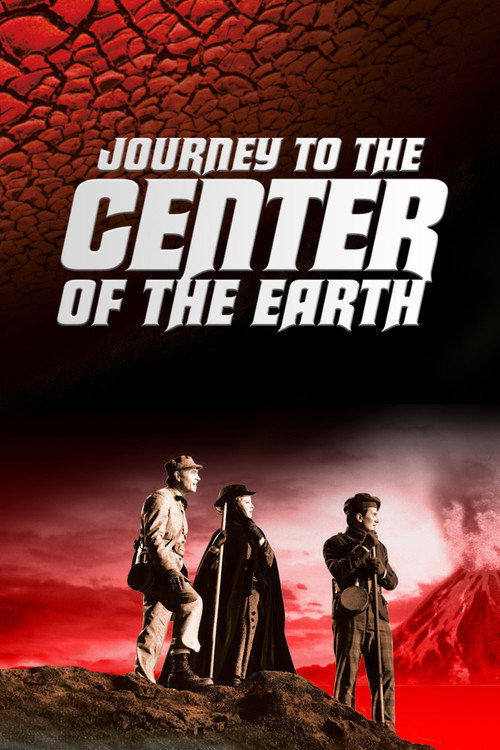
Journey to the Center of the Earth1959
Another expedition-into-the-unknown adventure with a similar sense of discovery and awe. Beautifully mounted and genuinely imaginative about the worlds it reveals.
But It's talky and episodic. Some stretches prioritize explaining geology over moving the story forward.
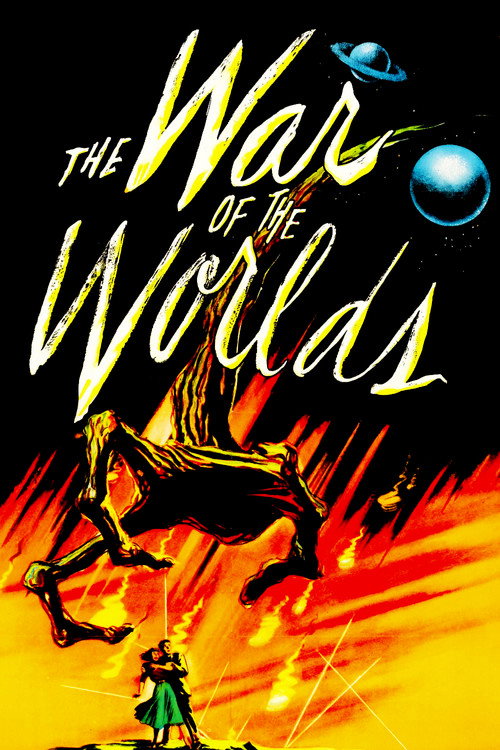
The War of the Worlds1953
A science-fiction invasion film with real emotional weight and genuine spectacle. The aliens are treated as an incomprehensible force, which gives the human struggle real stakes.
But The special effects, while impressive for 1953, show their age noticeably. The religious messaging at the end may feel heavy-handed.
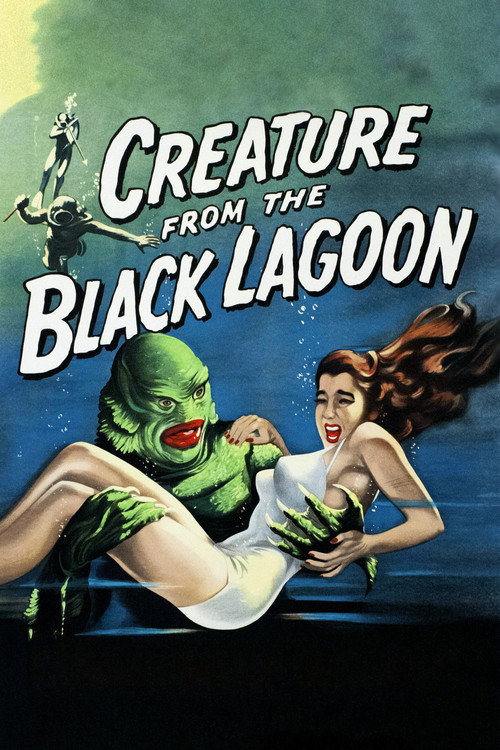
Creature from the Black Lagoon1954
A creature feature that treats its monster as a tragic, misunderstood being rather than pure evil. The underwater sequences are genuinely eerie and beautiful.
But It's pulpy and the female characters exist mainly to be endangered. The pacing sags in the middle.
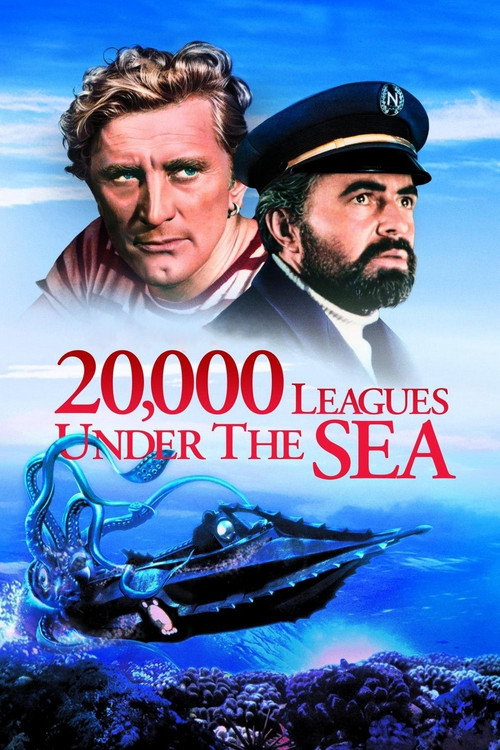
20,000 Leagues Under the Sea1954
Jules Verne adaptation with extraordinary production design and a charismatic villain in Captain Nemo. The blend of adventure, spectacle, and moral complexity is richly satisfying.
But The tone wavers between children's adventure and darker material. Some scenes feel padded, and the dialogue can be overwrought.
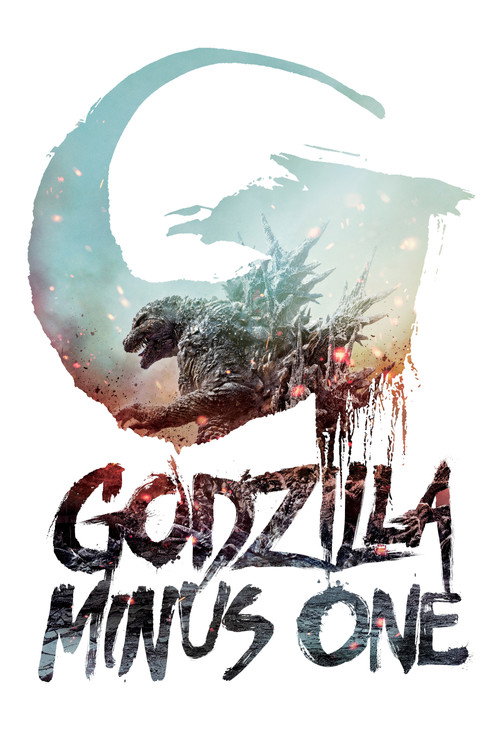
Godzilla Minus One2023
Both use giant monsters as vessels for larger anxieties: Mothra channels spiritual violation and cultural exploitation, Minus One channels post-war trauma. Both prove the genre works best when the monster is a mirror.
A recent black-and-white Japanese kaiju film that strips the formula to its essence—no spectacle, just intimate human struggle against an unstoppable force. It's a stunning reminder that these stories work because they're about something real.
But It's monochromatic and claustrophobic. If you watch Mothra for color and wonder, this will feel like a rebuke—it's all shadow and despair.
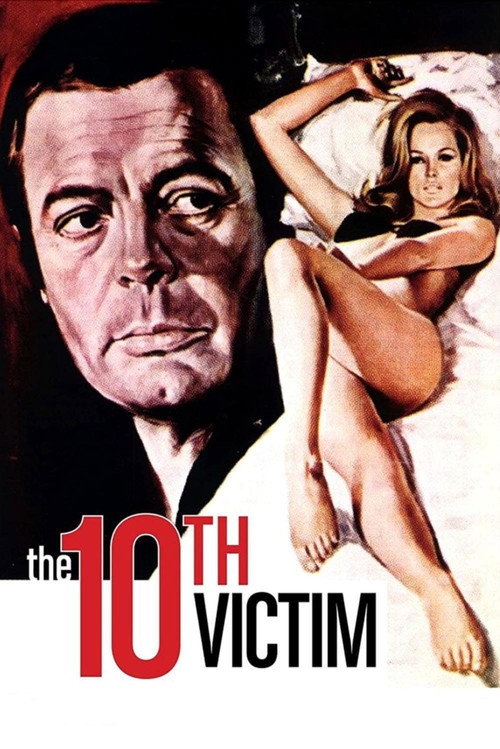
The 10th Victim1965
Both films use outlandish premises to critique exploitation and the human appetite for consumption. Where Mothra is reverent, this is acidic; where Mothra is mythic, this is brazenly artificial. They're two opposite answers to the same question: what do we deserve?
An Italian science-fiction satire about violence as entertainment and spectacle. Wildly different in every register—absurdist, campy, visually psychedelic—but shares Mothra's fascination with how humans exploit and consume what they don't understand.
But It's deliberately artificial and disorienting. If you want narrative coherence and emotional grounding, this will feel like watching a fever dream designed to frustrate you.
People
Cast
 Frankie SakaiSenichiro 'Sen-chan' Fukuda
 Hiroshi KoizumiDr. Shin'ichi Chûjô
 Kyōko KagawaMichi Hanamura
 Jerry ItōClark Nelson
 Ken UeharaDr. Harada
 Emi ItoShobijin (Twin Fairy)
 Yumi ItoShobijin (Twin Fairy)
 Takashi ShimuraNews Editor
- Akihiro TayamaShinji Chûjô
 Akihiko HirataDoctor
 Tetsu NakamuraNelson's Henchman
- Obel WyattDr. Roff
Directing
- Hiroshi HaryuAssistant Director
- Hiroyasu SunaharaAssistant Director
- Ken SanoAssistant Director
- Teruyoshi NakanoAssistant Director
- Ishirō HondaDirector
- Masaji NonagaseFirst Assistant Director
Writing
- Ishirō HondaLyricist
- Shinichi SekizawaLyricist
- Tomoyuki TanakaLyricist
- Shinichirô NakamuraNovel
- Takehiko FukunagaNovel
- Yoshie HottaNovel
- Iwao MoriOriginal Story
- Shinichi SekizawaScreenplay
Production
- Tomoyuki TanakaProducer
- Shin MoritaProduction Manager
Recommended by
Godzilla, Rodan, Gamera, the Giant Monster, Ghidorah, the Three-Headed Monster, Gamera vs. Barugon, Varan, Godzilla vs. King Ghidorah, Godzilla, King of the Monsters!, The H-Man, The Return of Godzilla, Godzilla vs. Mothra, Invasion of the Neptune Men, Space Amoeba, Warning from Space, Godzilla vs. Destoroyah, Ebirah, Horror of the Deep, Godzilla Raids Again, Rebirth of Mothra, Pulgasari, Yokai Monsters: Spook Warfare, Frankenstein Conquers the World