
Film
Godzilla, King of the Monsters!
Other titles called Godzilla, King of the Monsters!: the 2019 film.
The 1956 American re-edit of Toho's original *Godzilla*, reframed as a newsreel thriller following an American reporter through Tokyo's devastation. It's lean, atmospheric, and genuinely unsettling—part monster movie, part atomic-age anxiety engine. The real subject is not the creature but human choice under annihilation. Perfect for anyone who thinks 1950s sci-fi is quaint until they actually watch it.
Should you watch it?
Watch it if you love old monster films where the rubber suit matters less than the grim, post-war dread underneath, and you enjoy a slow, earnest build toward a moral dilemma about science.
Skip it if you want nonstop creature carnage, since the monster shows up later than you might hope and much of the runtime is spent on human talk and worried faces.
What it asks of you: It runs a brisk 81 minutes in black and white, so it moves at the pace of its era, patient at first, then steadily tenser, asking you to sit with its gravity rather than hurry.
Not sure? Find tonight's pick in a minute.
If you liked this
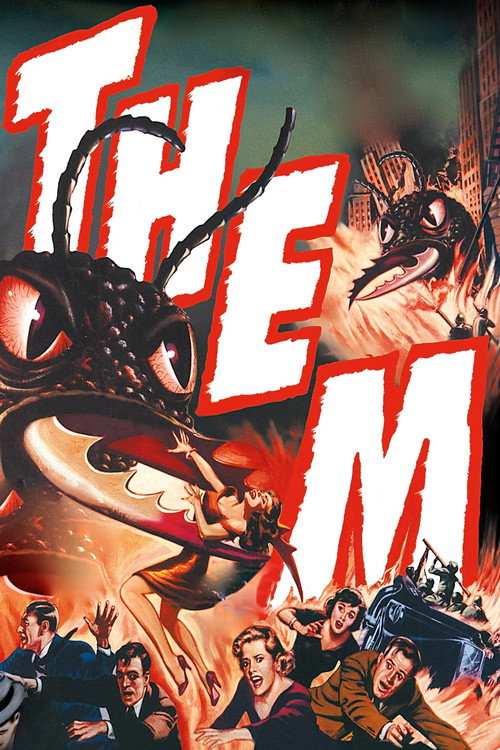
Them!1954
Giant ants terrorizing the American Southwest with the same Cold War dread and documentary-style authenticity. Builds tension through restraint, lets your imagination do the real work. Utterly gripping.
But The pacing is deliberate—some will find it slow. There's considerably less monster action than modern audiences expect.
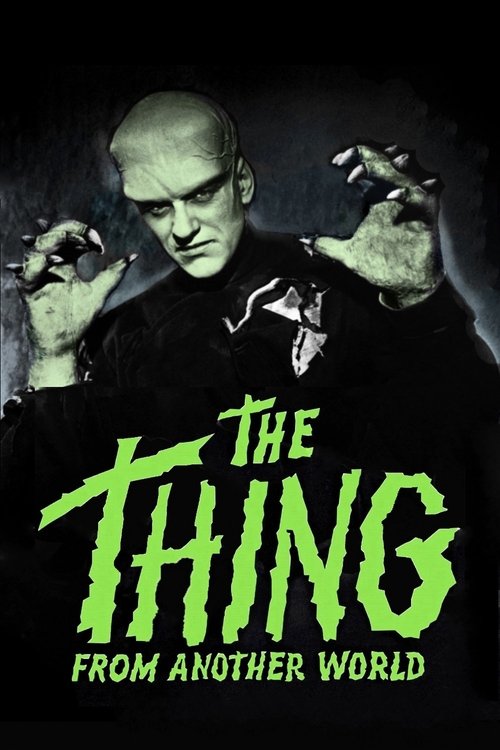
The Thing from Another World1951
An alien threat in an isolated setting, viewed through 1950s paranoia and military procedure. Taut, claustrophobic, and endlessly watchable. The dialogue crackles in a way that makes you forget you're watching something nearly 75 years old.
But The creature effects are notably lo-fi by today's standards. The gender politics are firmly of their era and cringey.
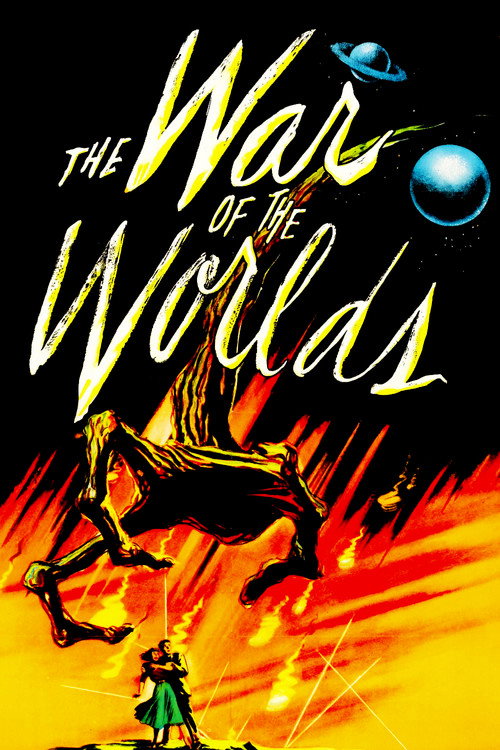
The War of the Worlds1953
Spielbergian scope on a 1950s budget: alien invasion as apocalyptic spectacle and media event. The sound design alone is worth the price of entry. Captures genuine dread alongside moments of genuine wonder.
But The religious resolution feels tacked on and unearned. Some action sequences feel repetitive once the initial novelty wears off.
Not sure tonight? Get a pick in a minute, starting from Godzilla, King of the Monsters!
The wildcard
Something you would not have found on your own.
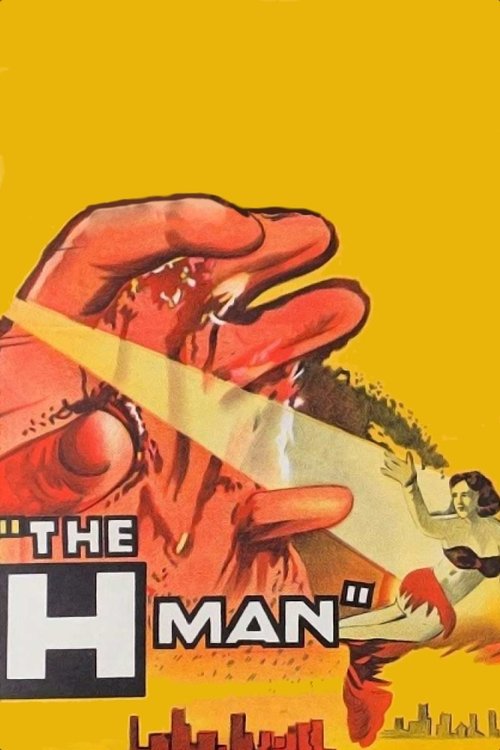
The H-Man1958
Both are Japanese films about atomic anxiety, but where *Godzilla* is monumental spectacle, *The H-Man* is intimate and hallucinatory—the same bomb, seen from inside instead of outside.
Japanese sci-fi noir: atomic mutation transforms people into radioactive sludge, and the story becomes a melancholy crime film about desire and dissolution. Colored stock, moody jazz, genuine weirdness. It's *Godzilla*'s spiritual sibling exploring similar atoms-as-terror but in an entirely different register.
But The pacing is hypnotic to some, glacial to others. The print quality can be variable, and it's not widely available in pristine restoration.
More like this (8)
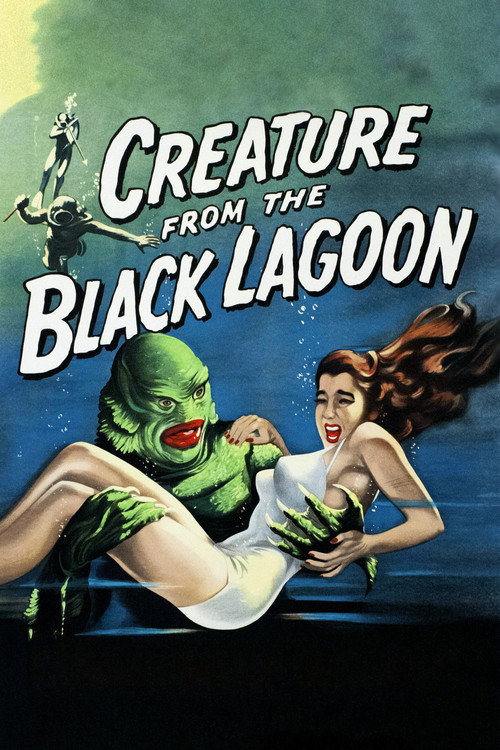
Creature from the Black Lagoon1954
A beautifully shot creature feature set in the Amazon, mixing horror with genuine romance and atmosphere. The underwater sequences are hypnotic. It respects both the monster and the audience's intelligence.
But The plot is thin—it's essentially a beauty-and-beast setup stretched to 79 minutes. The treatment of Indigenous peoples is uncomfortable.
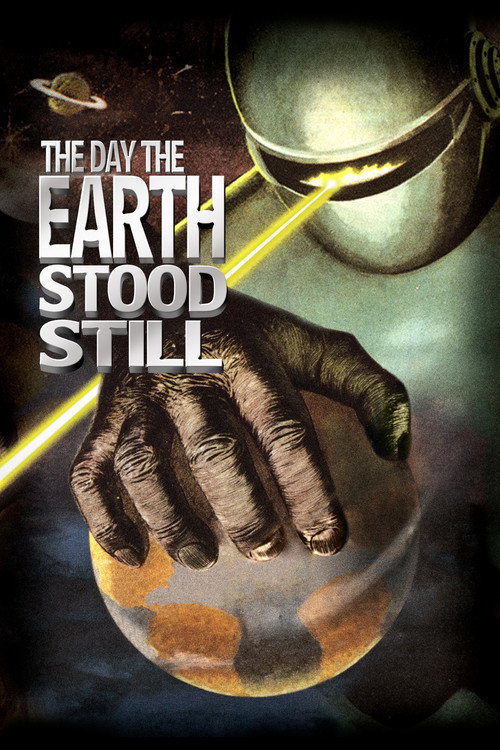
The Day the Earth Stood Still1951
A smarter, more philosophical take on first contact: an alien arrives with an ultimatum for humanity. The ideas matter as much as the spectacle. Michael Rennie's performance carries real gravitas.
But It's more interested in conversation than action. Some will find the pacing glacial and the ending preachy.
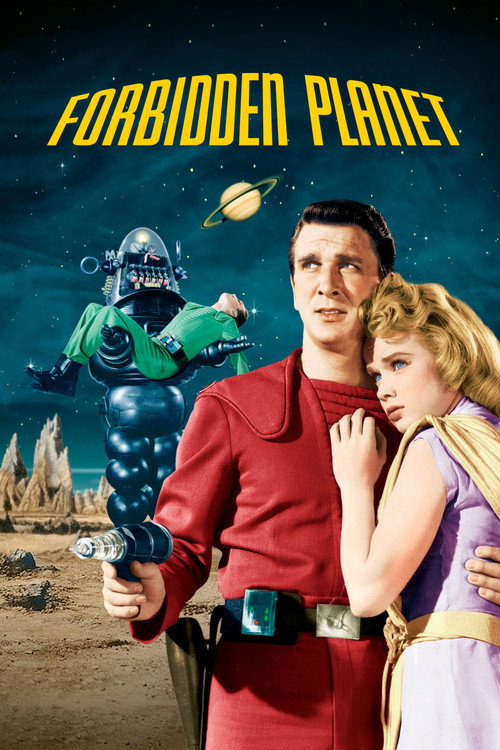
Forbidden Planet1956
Shakespeare in space: *The Tempest* remixed as a hard-sci-fi adventure with a robot, a planetary mystery, and real ingenuity in the worldbuilding. Gorgeous to look at, endlessly inventive.
But The gender representation is laughably retrograde. The final act relies on explanations rather than drama.
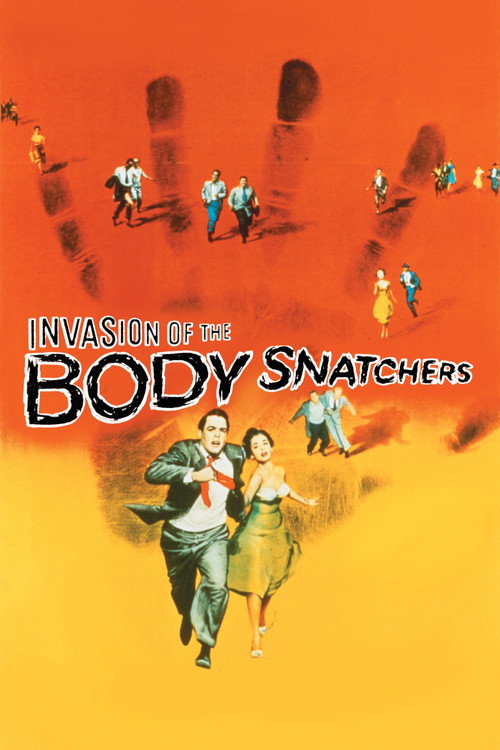
Invasion of the Body Snatchers1956
The paranoia of the 1950s distilled into a perfect miniature: pods replacing humanity, trust collapsing from within. It's 80 minutes of escalating unease with almost no fat.
But The bleak ending may frustrate viewers expecting hope. It's deliberately repetitive in structure, which some find tedious.
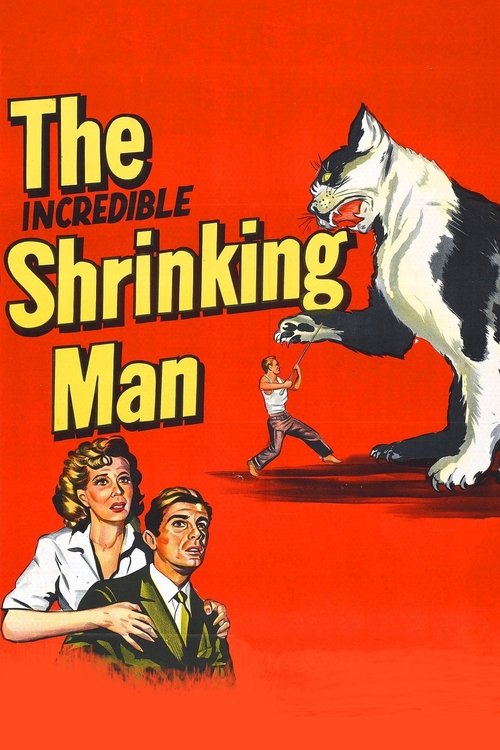
The Incredible Shrinking Man1957
A man exposed to radiation shrinks unstoppably, and sci-fi becomes an intimate study of identity and helplessness. Genuinely moving and philosophically strange. The effects work is remarkable.
But The gender dynamics are of their time and uncomfortable. The final act becomes abstract in ways that lose some viewers.
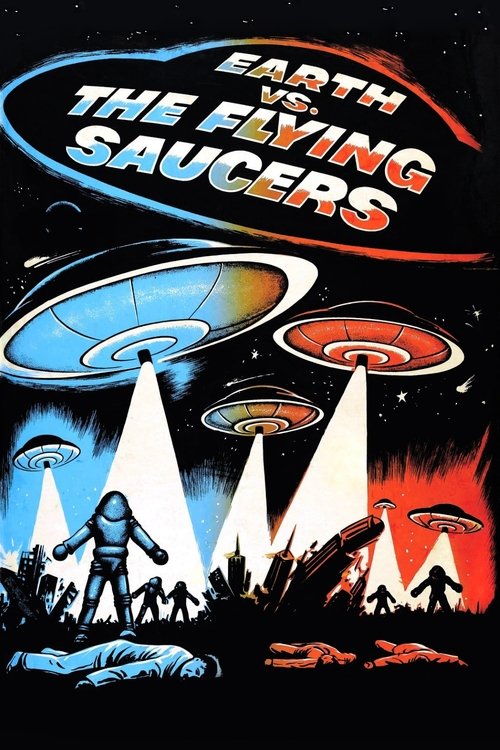
Earth vs. the Flying Saucers1956
A straightforward aliens-attack-Washington premise executed with verve and personality. The special effects by Ray Harryhausen have real presence, and the energy never flags.
But The plot is thin and doesn't bear scrutiny. The dialogue is often clunky and the film knows it doesn't matter.
On the Beach1959
The same atomic terror, but stripped of the monster metaphor and faced directly. Where *Godzilla* lets you hide in the spectacle, this removes the hiding place entirely.
Nuclear war has happened; radiation is slowly killing everyone on Earth. No giant monsters, no last-minute heroics—just people waiting for the end with dignity and love. Devastating and deeply human. *Godzilla* asks 'what if the weapon failed?'; this asks 'what if it didn't?'
But It is relentlessly bleak with no catharsis. Nearly three hours of philosophical reckoning rather than plot momentum will exhaust some viewers.

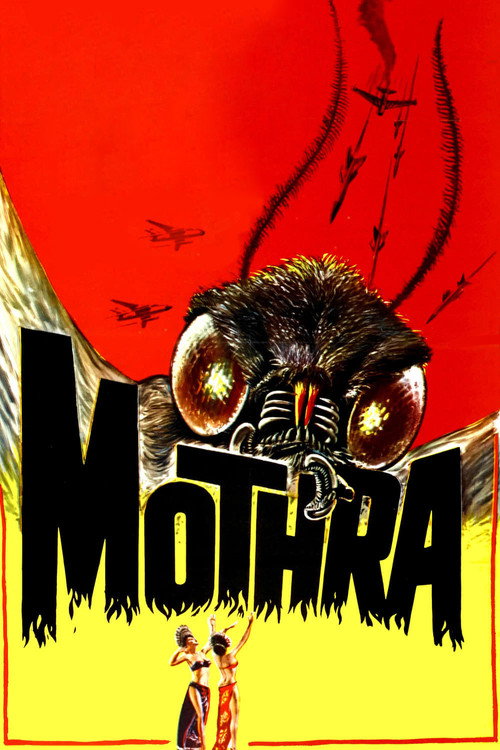
Mothra1961
Toho's direct kaiju descendant, made by the same studio while *Godzilla* was still defining the genre. A fascinating parallel approach: same question (giant creature awakens) answered with wonder instead of doom.
A giant moth awakens, and Japan must negotiate with a civilization rather than simply destroy. Less grim than *Godzilla*, more wondrous. The creature design is stunning, the scope is epic, and it's genuinely fun without becoming camp.
But It's considerably more colorful and lighter in tone—some will find it lacks the atomic-age dread that makes the original resonate. The plot involves kidnapping and showbiz in ways that don't always work.
People
Cast
 Raymond BurrSteve Martin
 Takashi ShimuraDr. Yamane
 Momoko KôchiEmiko Yamane
 Akira TakaradaOgata
 Akihiko HirataDr. Serizawa
 Sachio SakaiHagiwara
 Fuyuki MurakamiDr. Tabata
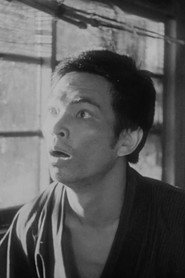 Ren YamamotoSeiji
- Toyoaki SuzukiShinkichi
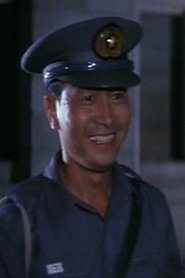 Tadashi OkabeDr. Tabata's Assistant
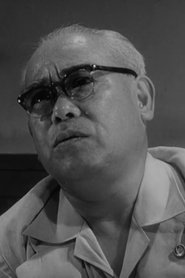 Toranosuke OgawaPresident of Company
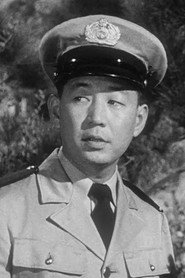 Frank IwanagaSecurity Officer Tomo Iwanaga
Directing
- Ira WebbAssistant Director
- Ishirō HondaDirector
- Terry O. MorseDirector
- Koji KajitaFirst Assistant Director
- Susumu TakebayashiSecond Assistant Director
Writing
- Shigeru KayamaLyricist
- Shigeru KayamaNovel
- Shigeru KayamaOriginal Story
- Al C. WardScreenplay
- Ishirō HondaScreenplay
- Takeo MurataScreenplay
- Eiji TsuburayaStory
- Terry O. MorseStory
- Tomoyuki TanakaStory
Production
- Edmund GoldmanExecutive Producer
- Iwao MoriExecutive Producer
- Joseph E. LevineExecutive Producer
- Terry TurnerExecutive Producer
- Edward B. BarisonProducer
- Harold RossProducer
- Harry RybnickProducer
- Paul SchreibmanProducer
- Richard KayProducer
- Tomoyuki TanakaProducer
- Tatsuo KurodaProduction Assistant
- Teruo MakiProduction Manager