
Film
Earth vs. the Flying Saucers
A 1950s sci-fi spectacle where flying saucers attack Washington D.C. with devastating ray weapons. It's lean, earnest, and built around Ray Harryhausen's stop-motion aliens—creepy by design, thrilling by accident. Perfect if you love atomic-age paranoia with practical effects that still astonish.
Should you watch it?
Watch it if you relish earnest 1950s invasion pictures, where the pleasure lies in gadgetry, government men in grave conference and a pulpy sense of cosmic doom played completely straight.
Skip it if you want modern effects or rich characters; the dialogue is stiff, the people are thinly drawn, and much of the menace arrives through briefings rather than feeling.
What it asks of you: Eighty-three minutes move briskly, sliding from scientific puzzle to public panic with little wasted time, though the exposition is stiff and the pauses are brief.
Not sure? Find tonight's pick in a minute.
If you liked this
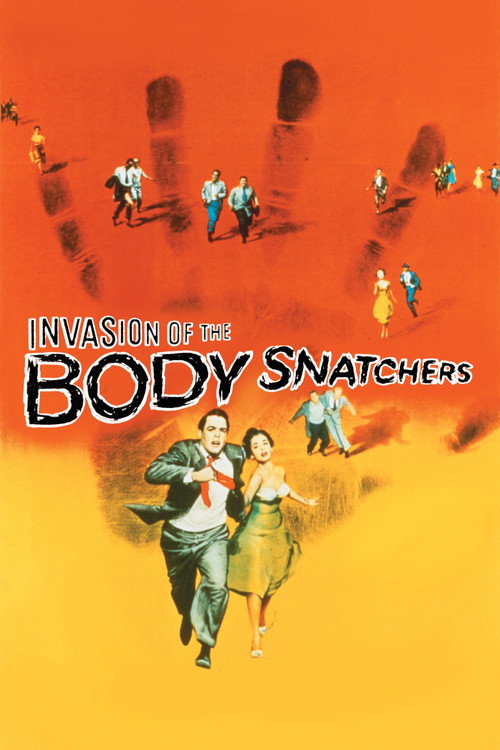
Invasion of the Body Snatchers1956
Released the same year, this paranoia-soaked masterpiece trades saucers for pods but captures the same Cold War dread. Superior filmmaking, unforgettable ending, and McCarthy-era subtext that cuts deeper than any ray gun.
But Slower and more psychological than you might expect—no action setpieces, just mounting existential horror. That's precisely why it's great, but it's not a ride.
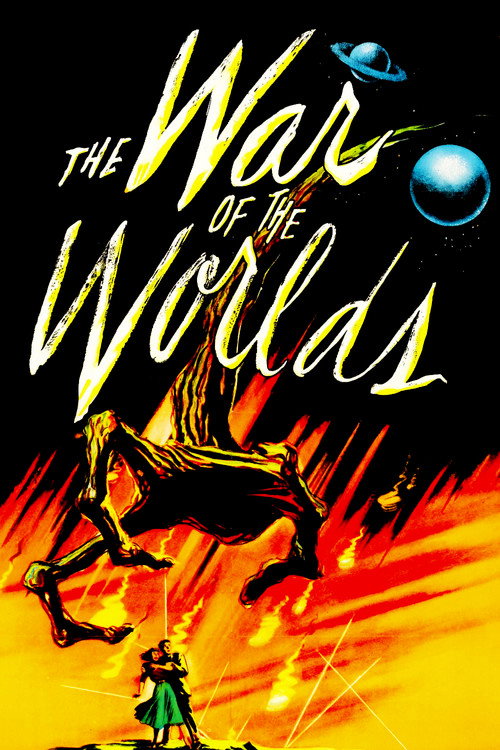
The War of the Worlds1953
Spielberg's 2005 remake gets the trauma right, but this 1953 version has something rawer: genuine panic, practical destruction, and Gene Barry giving a surprisingly human performance amid the apocalypse. Colour and scope that feel urgent.
But The middle sags, the romance feels obligatory, and some effects haven't aged as gracefully as Harryhausen's work. It's also bleak in ways that don't resolve tidily.
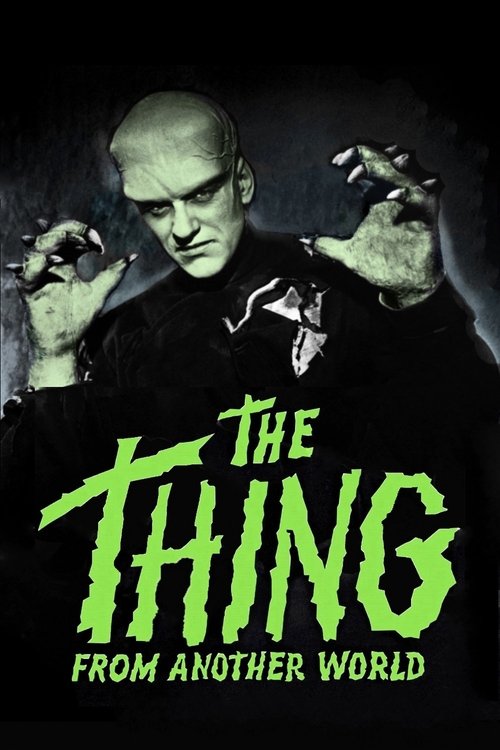
The Thing from Another World1951
Hawks' tense, witty creature feature has the same DNA: alien threat, military response, practical monster work that still creeps. Sharp dialogue, real chemistry between cast members, and a thing that actually feels dangerous rather than just large.
But Confined almost entirely to an Arctic base—if you want spectacle and destruction, this is an intimate siege film instead. The pacing reflects that choice.
Not sure tonight? Get a pick in a minute, starting from Earth vs. the Flying Saucers
The wildcard
Something you would not have found on your own.
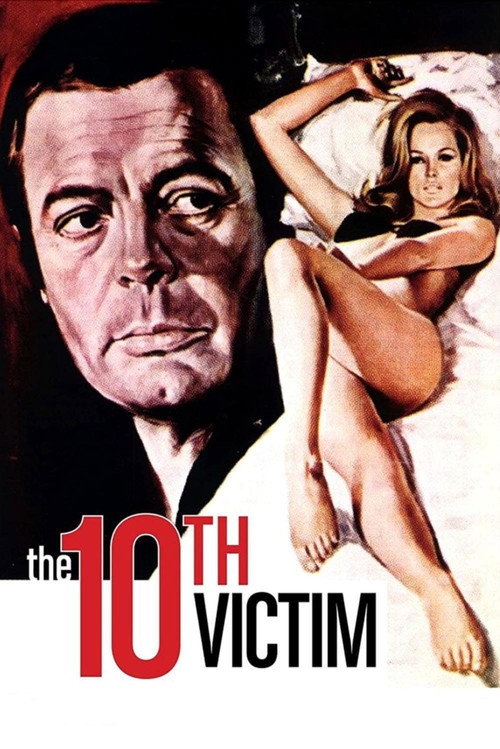
The 10th Victim1965
Both use sci-fi furniture to ask what humanity does when its ordinary rules collapse. One via invasion, one via competition. Both are fascinated by how quickly social order becomes theater.
Elio Petri's bonkers Italian futurism: a near-future where government-sanctioned murder is entertainment. Psychedelic, morally unhinged, and ferociously inventive about how technology reshapes society and desire. Marcello Mastroianni in a role that should not exist.
But More interested in style and provocation than coherent narrative. Tonally schizophrenic—it can't decide if it's satire or sincerity. The dubbing (if you get the dubbed version) is distracting.
More like this (8)
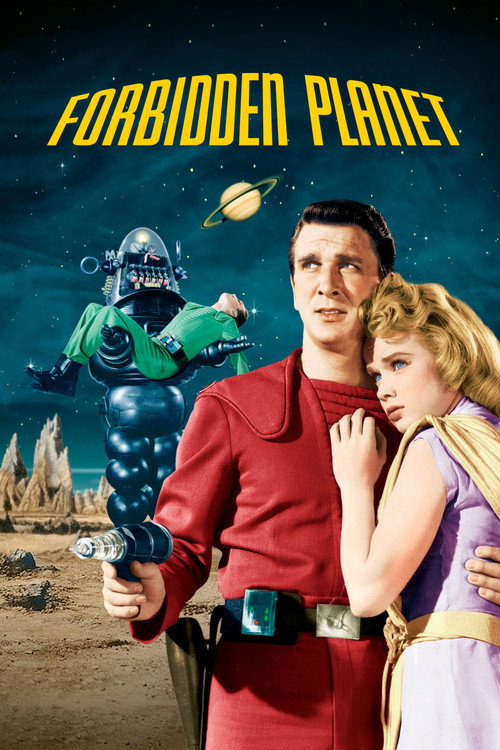
Forbidden Planet1956
Lavish, colourful, utterly confident. Shakespearean ambitions, Robby the Robot, and genuine ideas about technology and desire. Proof that 1950s sci-fi could be intelligent and still wildly entertaining.
But The gender politics are appalling even by period standards. Also, at nearly two hours, it's much more baroque and less punchy than *Earth vs. the Flying Saucers*.
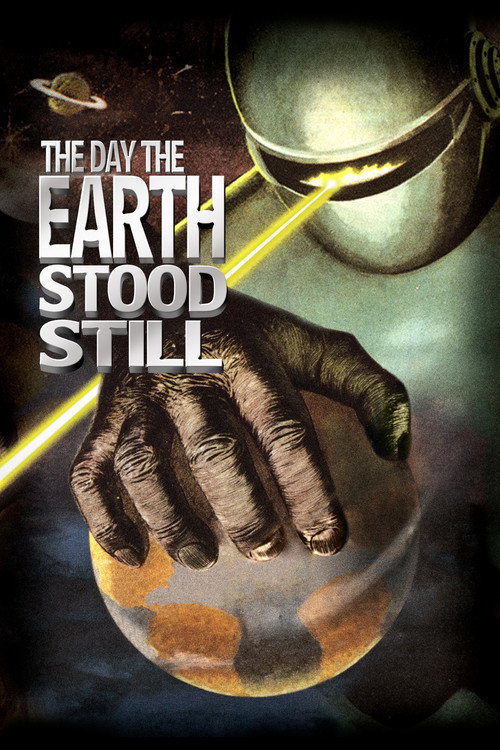
The Day the Earth Stood Still1951
Michael Rennie's alien is serene rather than hostile—this is the Cold War as diplomatic crisis, not invasion. Klaatu and Gort have become iconic for good reason. It's thoughtful without being slow, and genuinely moving.
But The message is front-loaded, sometimes ham-fisted. Some viewers find the pacing stately rather than gripping. It's more cerebral than visceral.
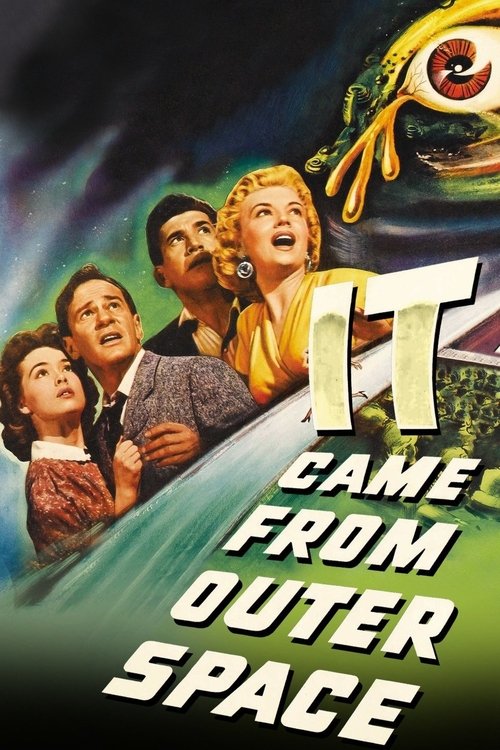
It Came from Outer Space1953
Ray Harryhausen doesn't do the effects here, but the paranoia is thick and the 3-D cinematography (watch in 3-D if you can) makes the desert landscape genuinely unsettling. Ambiguous aliens and a more complex view of invasion than usual.
But Lower budget shows in creature design. Moves at a deliberate pace that tests patience. The protagonist is frustratingly passive for long stretches.
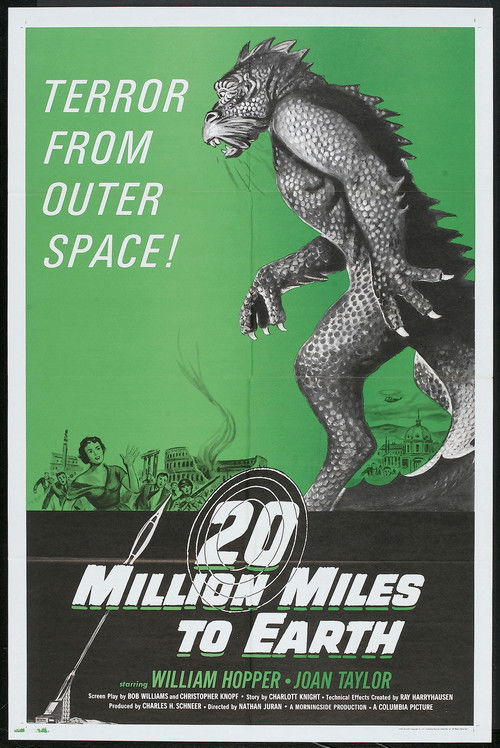
20 Million Miles to Earth1957
Harryhausen again, this time with a Venusian creature that grows as it adapts to Earth's gravity. The stop-motion work is fluid and expressive. Fast, colourful, and genuinely fun without a shred of pretension.
But Thin plot, thinner characters. The military stuff is perfunctory. It exists to show you creatures, which is fine until you notice there isn't much else.
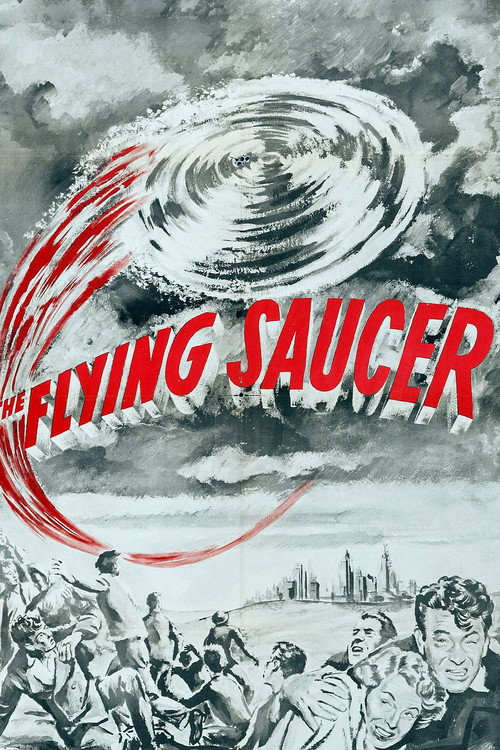
The Flying Saucer1950
One of the first UFO movies ever made—a Cold War spy thriller masquerading as alien contact. Curiosity value, genuine period atmosphere, and the thrill of watching a template being invented in real time.
But Actually finding it is difficult; prints are spotty. The narrative is muddled, the budget was microscopic, and it mostly isn't very good. Historical interest carries it.
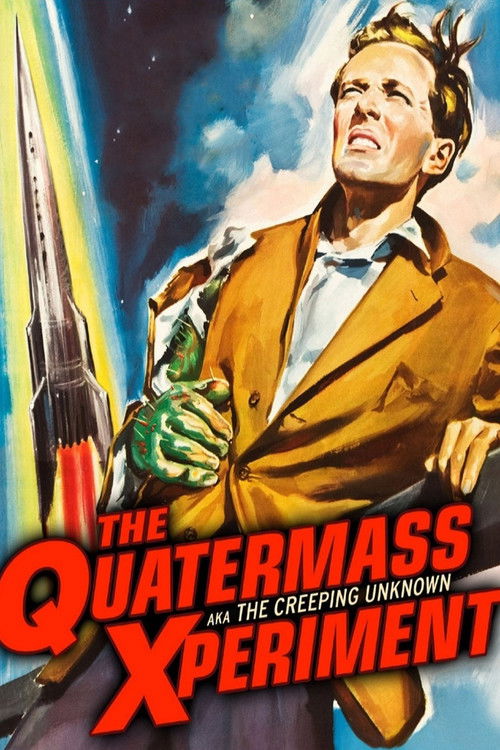
The Quatermass Xperiment1955
British response to American sci-fi: grittier, more scientific, possessed of genuine dread. A returning space capsule brings something back that shouldn't have come back. Hammer Films' first monster picture, and it launched something enduring.
But Post-war British restraint means less spectacle and more talk. The creature reveal is delayed almost past the point of patience. Not an action film at all.
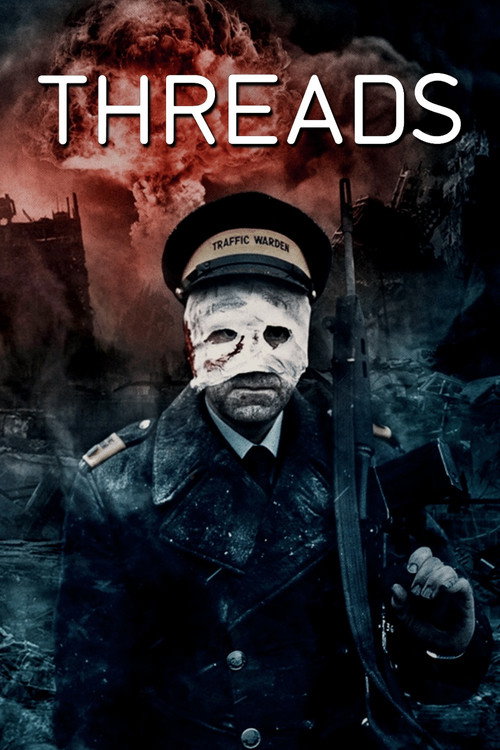
Threads1984
Same era anxieties, opposite register: *Earth vs. the Flying Saucers* channels atomic-age panic into action and spectacle. *Threads* takes that same fear and strips away every mechanism that makes it palatable. One is how we dreamed about catastrophe; the other is what we wouldn't let ourselves see.
A nuclear attack on Sheffield, documented in real time with no score, no heroes, no comfort. Harrowing, meticulous, and utterly devoid of entertainment value—which is the entire point. British television at its most formidable.
But Not escapism. Not comfort. Not even cathartic—it just ends in slow decline. Watching it feels like an obligation to witness something unbearable. Many people will not want to sit through it, and that's rational.
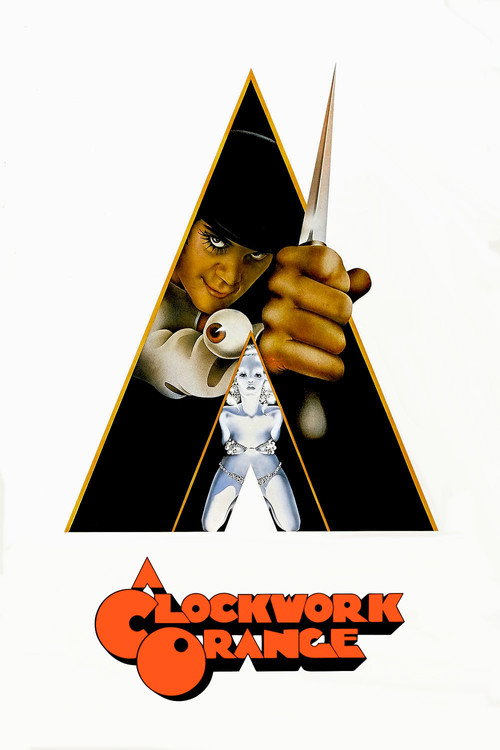
A Clockwork Orange1971
Both fixate on the collision between individual autonomy and state power. One frames it as invasion and defense; the other as correction and rebellion. Both ask what we become when we consent to being controlled, and neither offers an easy answer.
Kubrick's adaptation is fascinated by mechanical systems and individual will—what happens when society tries to reprogram violence out of a person using technology. It's sci-fi operating at maximum philosophical intensity, with formal precision to match.
But Extremely violent, sexually explicit, and morally ambiguous in ways that still provoke. The style can feel like detachment from the content. Difficult to sit through; many will find it repellent.
People
Cast
 Hugh MarloweDr. Russell A. Marvin
 Joan TaylorCarol Marvin
 Donald CurtisMaj. Huglin
 Morris AnkrumBrig. Gen. John Hanley
 Thomas Browne HenryVice Adm. Enright
- Grandon RhodesGen. Edmunds
 John ZarembaProf. Kanter
 Paul FreesAlien (voice)
 Frank WilcoxAlfred Cassidy
- Sydney MasonFrank the garage man
 Larry J. BlakeMotorcycle cop
- Bert StevensAir Intelligence Command Officer
Directing
- Gene Anderson Jr.Assistant Director
- Fred F. SearsDirector
Writing
- Donald E. KeyhoeNovel
- Bernard GordonScreenplay
- George Worthing YatesScreenplay
- Curt SiodmakScreenstory
Production
- Sam KatzmanExecutive Producer
- Charles H. SchneerProducer
- Jack EricksonProduction Coordinator
- Leon ChooluckUnit Manager
Recommended by
Invaders from Mars, The Quatermass Xperiment, This Island Earth, Godzilla, King of the Monsters!, Killers from Space, Abbott and Costello Go to Mars