
Film
The War of the Worlds
This is Cold War sci-fi played dead straight: Technicolor Martians, church bells, radioactive glow, and a sound design that still rattles chests. Pantoja Griffith's practical effects hold up remarkably well, and the film treats its invasion as genuine apocalypse rather than spectacle for its own sake. Good for genre historians and anyone who wants 1950s atomic dread delivered sincerely, without a wink.
Should you watch it?
Watch it if you enjoy 1950s science fiction where dread builds through ordinary streets, radio bulletins and stubborn people, with effects that are handmade and proudly uncanny.
Skip it if you need fast pacing or modern visuals; the saucers look creaky now, the human characters are thinly drawn, and the middle stretches with talk of committees and reports.
What it asks of you: Eighty-five minutes, brisk once it gets going, but patient at first: small-town chatter and official briefings give way to a slow build of unease.
Not sure? Find tonight's pick in a minute.
If you liked this
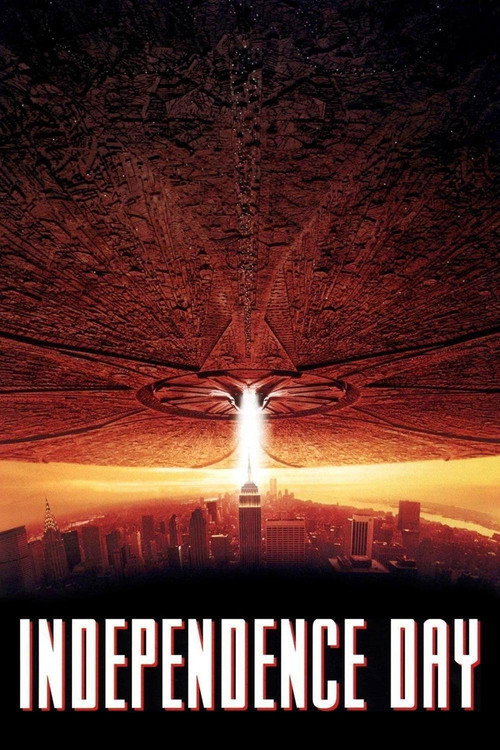
Independence Day1996
This is the 1953 film's blueprint scaled up to modern spectacle - the same city-leveling awe and rallying speeches about humanity uniting, but with fighter jets, one-liners, and a mothership the size of a weather system.
But It's broad, loud, and unapologetically dumb in places - if you want the earnestness of the original without the jokes, this feels cartoonish.
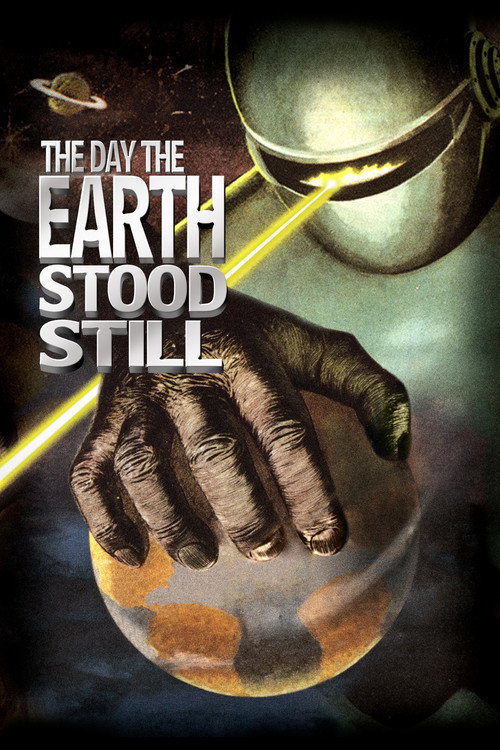
The Day the Earth Stood Still1951
Made two years earlier by the same studio-era Hollywood, this is the sober counterpoint - an alien arrives to warn rather than destroy, and the panic it triggers says everything about 1950s nerves.
But It's talkier and more restrained - if you came for spectacle and destruction, this cerebral, almost theological approach might feel slow.
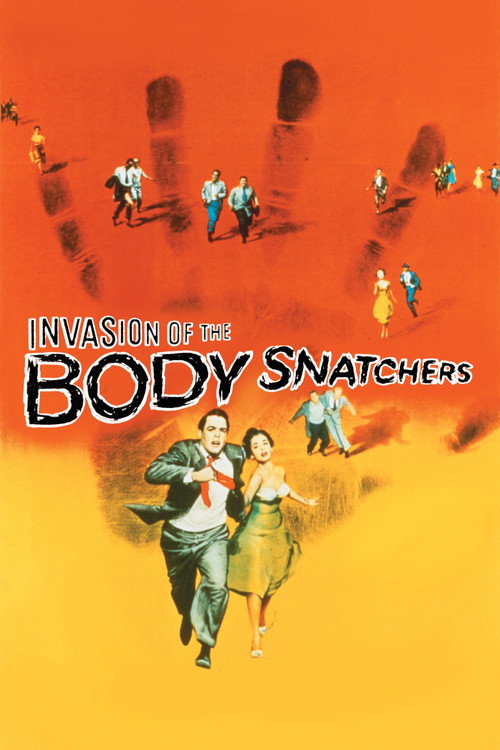
Invasion of the Body Snatchers1956
Same decade, same Cold War dread, but the invasion here is quiet and creeping instead of explosive - your neighbours become the enemy one by one, which is arguably scarier.
But No spectacle, no ray guns - it's a slow-burn paranoia thriller, and if you want visible enemies exploding, this won't scratch that itch.
Not sure tonight? Get a pick in a minute, starting from The War of the Worlds
The wildcard
Something you would not have found on your own.
Things to Come1936
Same author as the source novel behind the 1953 film, made seventeen years earlier - it shows Wells imagining apocalypse and rebuilding long before any Martian ever landed.
H.G. Wells wrote this screenplay himself, and it's a startling vision of civilization collapsing under war and disease before dragging itself into a strange utopian future - the same imagination that dreamed up the Martians, now turned inward on humanity's own capacity for destruction.
But The special effects and pacing are unmistakably 1930s - stagey, speechy, and slower than modern viewers expect from disaster cinema.

More like this (7)
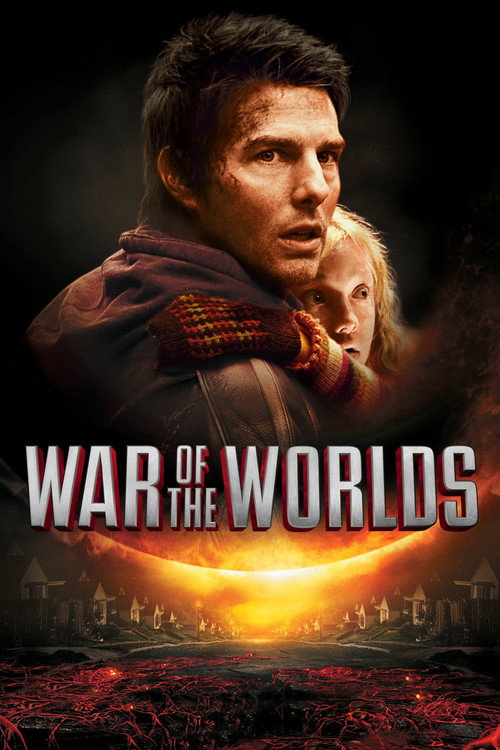
War of the Worlds2005
Spielberg's direct remake trades Cold War metaphor for post-9/11 terror - tripods rising from the ground and vaporizing crowds make for one of the most visceral disaster sequences ever filmed.
But Tom Cruise's estranged-dad subplot annoys a lot of viewers, and the ending resolves the same way the original does, so surprises are limited.
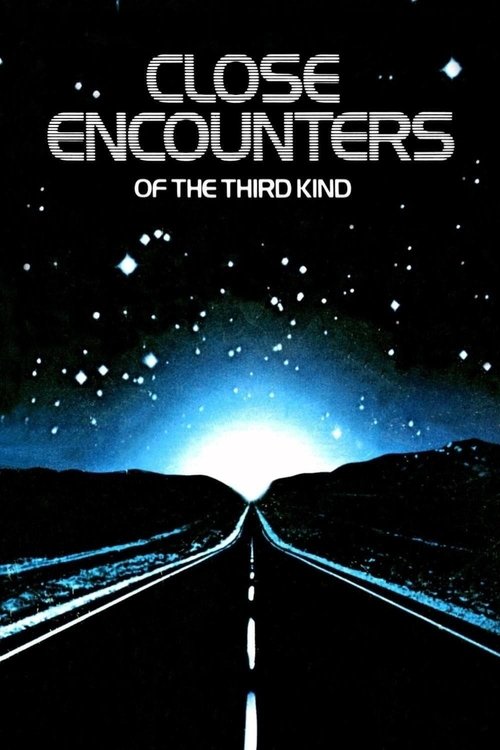
Close Encounters of the Third Kind1977
Spielberg again, but flipping the script entirely - what if first contact was wonder instead of war? It's the optimistic mirror image of the panic and destruction in the 1953 film.
But It's slow, dreamy, and light on traditional plot - patience is required, and there's barely any conflict compared to an invasion movie.
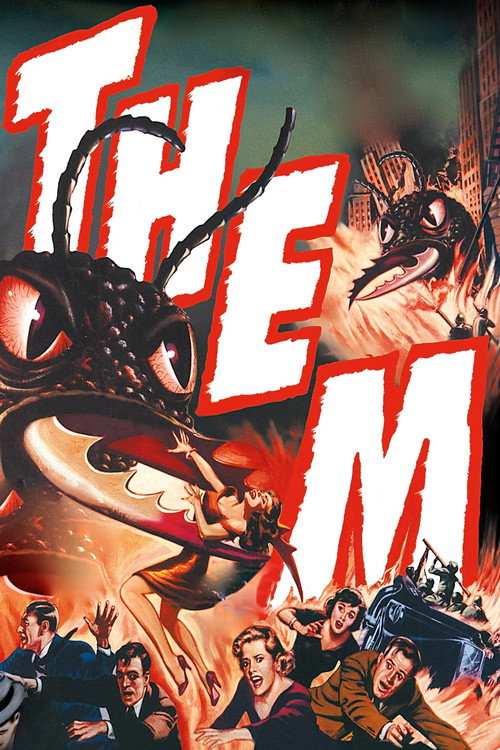
Them!1954
Released the following year, this swaps Martians for giant atomic ants, but the DNA is identical - scrambling authorities, science-versus-military tension, and an unstoppable threat born from nuclear fear.
But The stakes are smaller-scale and the giant-insect effects show their age more than the original's Martian war machines do.
The Thing from Another World1951
An earlier, chillier cousin - one alien instead of an invasion fleet, an isolated Arctic base instead of a city, but the same claustrophobic sense that humanity is outmatched by something from beyond.
But It's a monster movie more than an epic - if you want scale and spectacle, this contained, dialogue-heavy chiller will feel small.

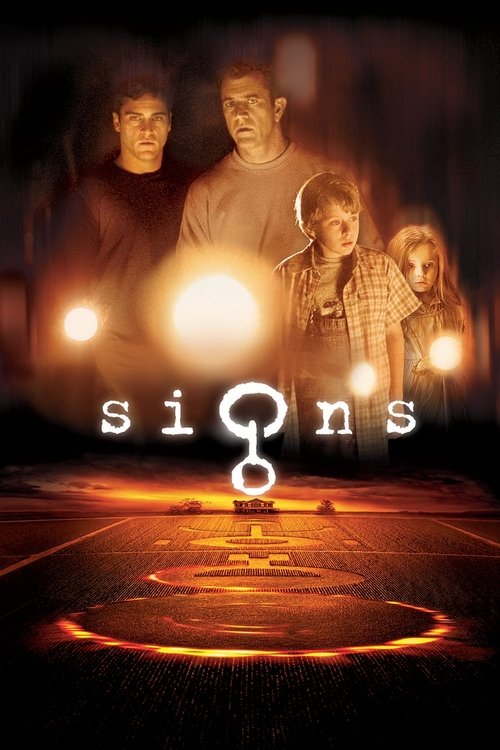
Signs2002
M. Night Shyamalan shrinks the invasion premise down to one Pennsylvania farmhouse, trading global destruction for dread you can feel in your own kitchen.
But The twist ending divides people, and if you want the scale of an actual invasion, this stays frustratingly small and personal.
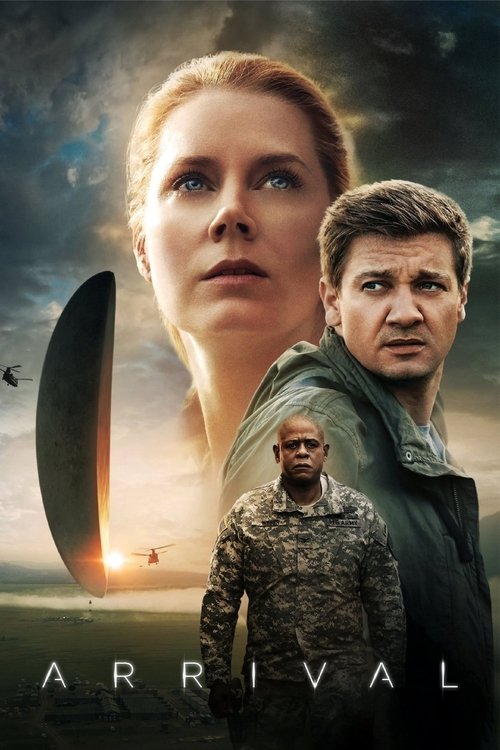
Arrival2016
A cerebral, quietly moving flip of the formula - what if the visitors weren't hostile, and the real challenge was understanding them? The anti-invasion movie for anyone who's had enough of explosions.
But There's no action to speak of, and the emotional, time-bending core will frustrate anyone hoping for straightforward sci-fi spectacle.
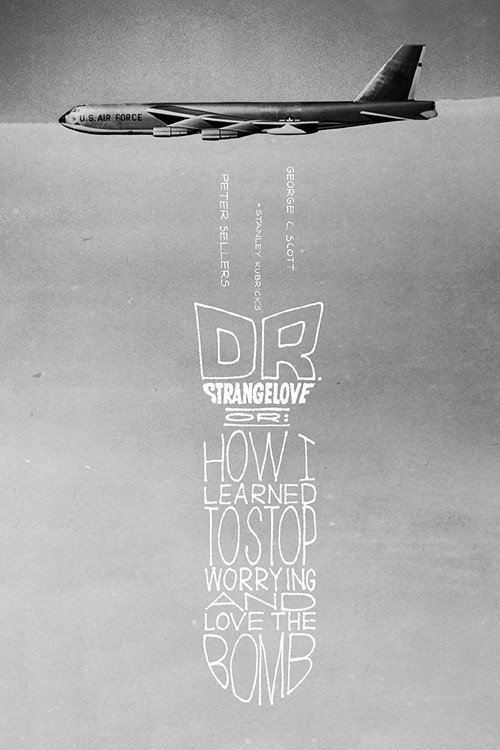
Dr. Strangelove or: How I Learned to Stop Worrying and Love the Bomb1964
Both are built from 1950s-rooted terror of total annihilation by an unstoppable force - one plays it as sincere disaster movie, the other turns the exact same dread into absurdist comedy.
Same Cold War extinction anxiety that powers the 1953 film's Martians, except here the threat is entirely human, and Kubrick's answer to unstoppable annihilation is to laugh at it instead of fight it.
But It's a satire, not a spectacle - if you want ray guns and destruction, the dry political comedy and lack of any real 'enemy' will feel like a bait and switch.
People
Cast
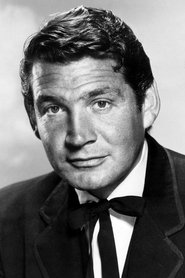 Gene BarryClayton Forrester
 Ann RobinsonSylvia Van Buren
 Lewis MartinMatthew Collins
 Les TremayneGeneral Mann
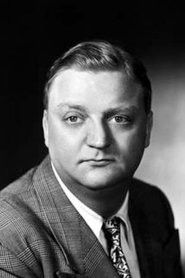 Frank KreigFiddler Hawkins (uncredited)
 Vernon RichRalph Heffner
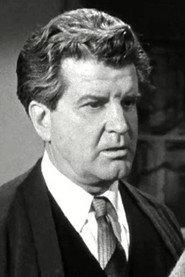 Sandro GiglioDr. Bilderbeck
 Ann CodeeDr. Duprey (uncredited)
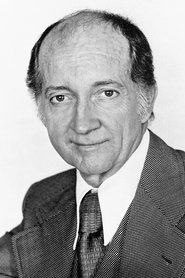 Robert CornthwaiteDr. Pryor
 Cedric HardwickeCommentary (voice)
- Houseley Stevenson Jr.General Mann's Aide
 William PhippsWash Perry
Directing
- Michael D. MooreAssistant Director
- Byron HaskinDirector
Writing
- H. G. WellsNovel
- Barré LyndonScreenplay
Production
- Frank Freeman Jr.Associate Producer
- Cecil B. DeMilleExecutive Producer
- George PalProducer
- Gae GriffithProducer's Assistant
- Frank CaffeyProduction Manager
Recommended by
Independence Day, The Time Machine, Forbidden Planet, Quatermass and the Pit, Ultra Q, Invaders from Mars, Them!, Superman and the Mole Men, Quatermass and the Pit, Mothra, It Came from Outer Space, The Night That Panicked America, Invasion, U.S.A., Children of the Corn, The Space Children, X: The Unknown, Gorath, The Quatermass Experiment, Centaur, When Worlds Collide, Earth vs. the Flying Saucers, The Night the World Exploded, The Mole People, Gamera vs. Barugon, This Island Earth, Rocketship X-M, Red Planet Mars, The Monster That Challenged the World, What Maisie Knew, Battle in Outer Space, The Mysterians, The Atomic Submarine, The Monolith Monsters, Godzilla, King of the Monsters!, The H-Man, Killers from Space, Quatermass 2, World Without End, The Bamboo Saucer, Invasion of Astro-Monster, Godzilla Raids Again, The Invisible Boy, The Beast with a Million Eyes, King Dinosaur, The Deadly Mantis, The Trollenberg Terror, Teenagers from Outer Space, Lost Continent, Devil Girl from Mars, The Magnetic Monster, Master of the World