
Film
Independence Day
Independence Day is the platonic ideal of the '90s summer blockbuster: alien motherships blot out the sky, the White House gets vaporized in an iconic explosion, and a scrappy trio of pilot, scientist and President save humanity inside a single Fourth of July weekend. It's loud, patriotic, gloriously earnest and never once winks at its own absurdity — pure, unashamed spectacle for anyone who wants awe without irony.
If you liked this
Armageddon1998
Same swaggering, everything-at-stake spectacle from the same era — a ragtag crew saving the planet against a ticking clock, with wisecracks instead of despair.
But Bay's frantic editing and wall-to-wall score can tip from thrilling into exhausting.
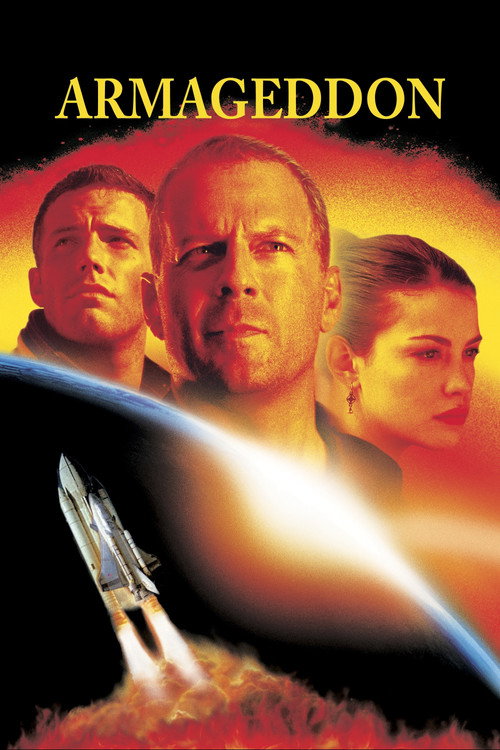
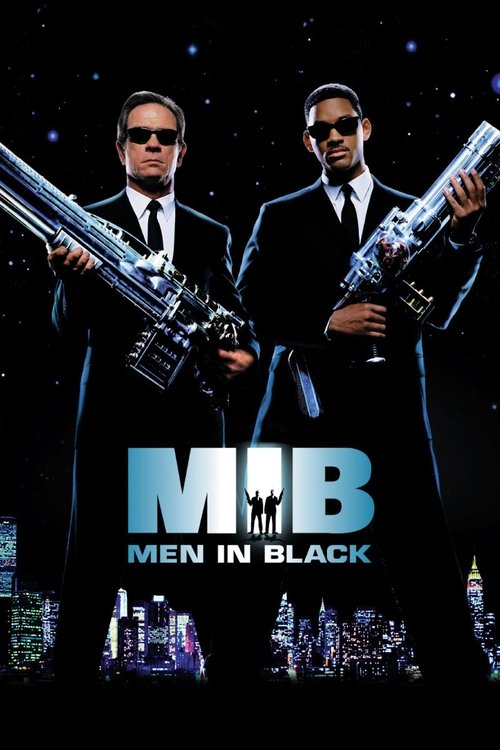
Men in Black1997
Will Smith fighting aliens again, but here the register drops to snappy buddy comedy instead of war-movie grandeur — same charisma, lighter gravity.
But The stakes are personal and comic, not the planet-ending scale you're chasing.
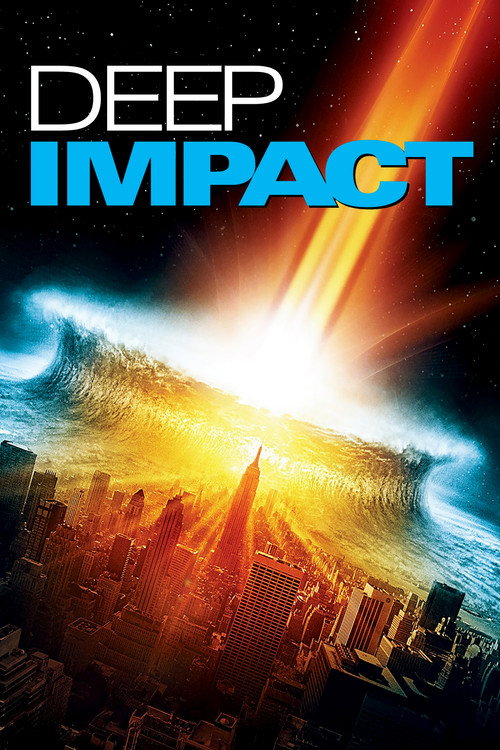
Deep Impact1998
Trades invaders for a comet but keeps the ensemble cast, the countdown clock, and a more sombre look at ordinary people facing extinction.
But It's melancholy where ID4 is triumphant — quiet dread instead of fist-pumping victory.
The wildcard
Something you would not have found on your own.
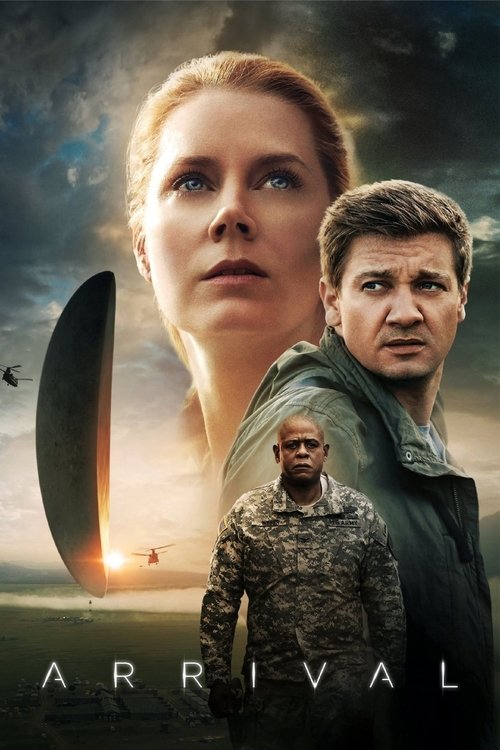
Arrival2016
Same premise as ID4 — alien craft arrive and hover over Earth's cities while the world holds its breath — but the register flips entirely: from fighter jets and one-liners to a cerebral meditation on communication, told at a whisper instead of a roar.
If you loved the hushed moment before the explosions when the ships first appear over Earth's cities, this stretches that feeling into a whole film about language, time and grief.
But No dogfights, no rousing speeches — it's slow, quiet, and asks for patience rather than delivering spectacle.
More like this (8)
Godzilla1998no page yet
Emmerich's other giant-scale disaster picture: a monster levelling New York with the same appetite for spectacle and civic destruction.
But Widely considered one of his weaker efforts — the creature and story lack ID4's charm.
The Day After Tomorrow2004no page yet
Emmerich swaps aliens for climate catastrophe but keeps the family-in-peril structure and the awe of watching landmarks get flattened.
But It's more sincere about its message and less interested in one-liners and swagger.
20122009no page yet
Pure Emmerich excess taken further — the whole planet ends, landmarks crumble in slow motion, humanity scrambles for any way out.
But Bloated at over two and a half hours, and it repeats disaster beats past the point of thrill.
Battle: Los Angeles2011no page yet
Ground-level alien invasion seen through a Marine squad's eyes — same enemy, closer and grittier than ID4's wide-lens spectacle.
But Shaky-cam realism trades the fun of control-room banter for grim, dust-choked combat.
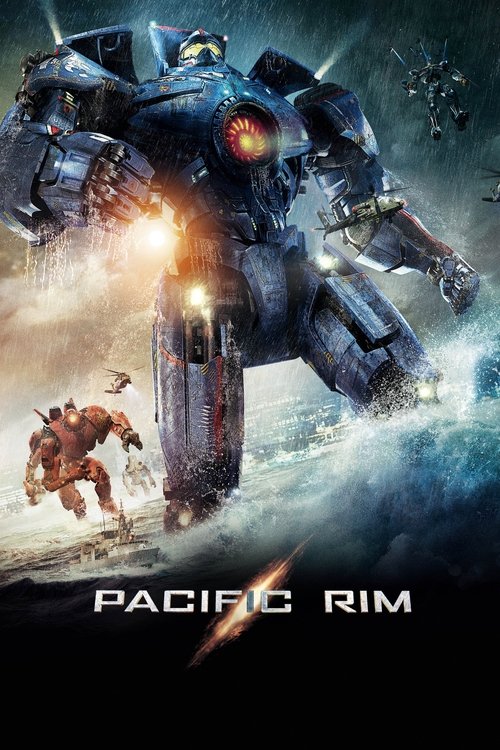
Pacific Rim2013
Swap aliens for kaiju and jets for giant robots, but keep the pure joy of watching something enormous smash a city apart.
But The human drama is thinner, more about mecha spectacle than politics or wit.
Battleship2012no page yet
Navy versus alien invaders, built from the same big, dumb, patriotic playbook — a fun throwback if you just want explosions.
But Critically maligned and genuinely silly — go in with expectations calibrated low.
The War of the Worlds1953no page yet
This is the film that essentially invented the alien-invasion disaster template ID4 runs on: city-levelling destruction, governments scrambling, ordinary people caught in a war they can't win — just filtered through Cold War anxiety instead of '90s can-do optimism.
Watch the genre's own point of origin — saucers over Los Angeles, cities burning, humanity forced into an unwinnable war — achieved with 1950s effects that still land real menace.
But Slow by modern pacing standards, and its Technicolor charm can feel quaint next to ID4's scale.
V1983no page yet
Aliens arrive looking like saviors before revealing invasion intent — the same visitors-hide-menace structure ID4 compresses into a weekend, here stretched to miniseries length as an explicit fascism allegory.
A slower-burn first-contact-turned-invasion story with genuinely unsettling political paranoia and a young, now-familiar sci-fi cast; the miniseries format lets the dread build week by week.
But Early-80s TV production values are cheap and the pacing can feel like a slog next to a two-hour blockbuster.
People
Cast
 Will SmithCapt. Steven Hiller
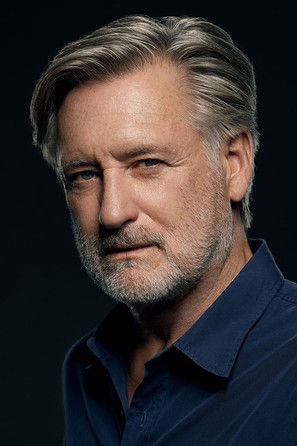 Bill PullmanPresident Thomas J. Whitmore
 Jeff GoldblumDavid Levinson
 Mary McDonnellMarilyn Whitmore
 Judd HirschJulius Levinson
 Robert LoggiaGeneral William Grey
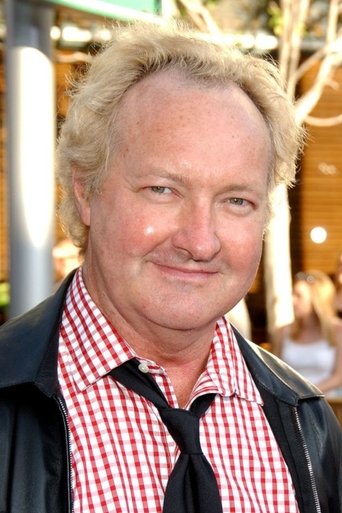 Randy QuaidRussell Casse
 Margaret ColinConstance Spano
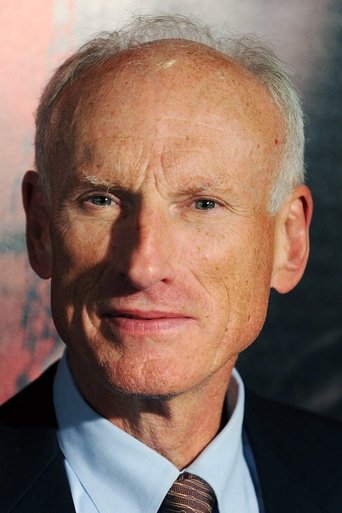 James RebhornAlbert Nimzicki
 Harvey FiersteinMarty Gilbert
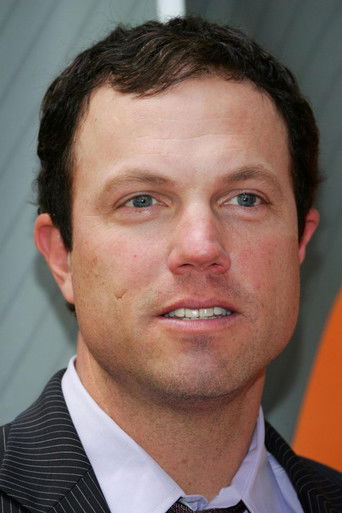 Adam BaldwinMajor Mitchell
 Brent SpinerDr. Brackish Okun
Directing
- Roland EmmerichDirector
- Michael VigliettaFirst Assistant Director
- Sergio Mimica-GezzanFirst Assistant Director
- Annie WellesScript Supervisor
- Marvel WakefieldScript Supervisor
- Susan BierbaumScript Supervisor
- Glen TrotinerSecond Assistant Director
- Kim H. WintherSecond Assistant Director
- Dean GarvinSecond Second Assistant Director
- Shari NicoteroSecond Second Assistant Director
- Bac DeLormeSecond Unit Director
- Dean DevlinSecond Unit Director
- Kevin LaRosaSecond Unit Director
Writing
- Dean DevlinScreenplay
- Roland EmmerichScreenplay
Production
- Richard EpcarADR Voice Casting
- Peter WintherAssociate Producer
- Wendy KurtzmanCasting
- Roland EmmerichExecutive Producer
- Ute EmmerichExecutive Producer
- William FayExecutive Producer
- Bernard TelseyLocal Casting
- Will CantlerLocal Casting
- Jacob F. ConradLocation Manager
- Peggy PridemoreLocation Manager
- Dean DevlinProducer
- Jane Nerlinger EvansProduction Supervisor
- Kelly Van HornUnit Production Manager
Recommended by
Star Trek: First Contact, Aliens, Men in Black, Edge of Tomorrow, Starship Troopers, The Patriot, Pacific Rim, Godzilla, War of the Worlds, Armageddon, Top Gun: Maverick, Godzilla: King of the Monsters, Deep Impact, Godzilla vs. Kong