
Film
Deep Impact
Deep Impact is the quieter twin of that summer's asteroid-disaster boom: less explosion, more elegy. Mimi Leder directs it as a slow-motion goodbye — astronauts, a young reporter, ordinary families — all measuring what's left of life against a countdown clock. It's earnest, occasionally corny, but genuinely moving when it stops trying to be exciting and just lets people be scared.
If you liked this
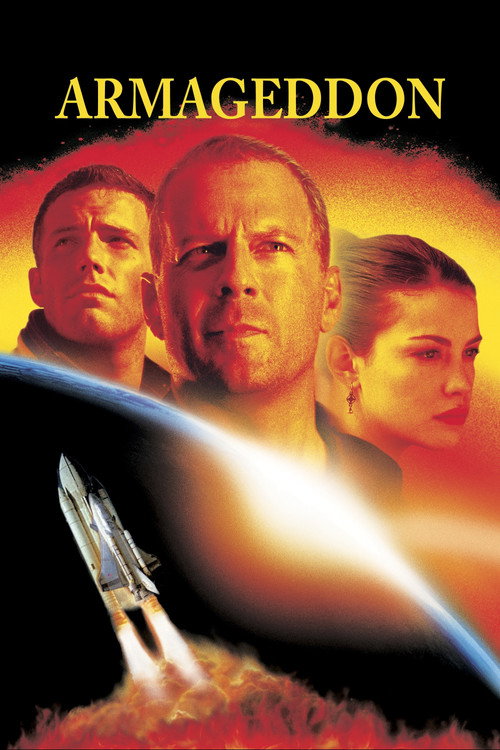
Armageddon1998
The other 1998 asteroid movie, and its exact opposite: Michael Bay turns the same premise into wall-to-wall spectacle, one-liners, and Aerosmith. Watch them back-to-back and you'll see two studios betting on the same disaster from completely different angles.
But If Deep Impact's sincerity worked for you, Bay's testosterone and relentless cutting might feel like whiplash.
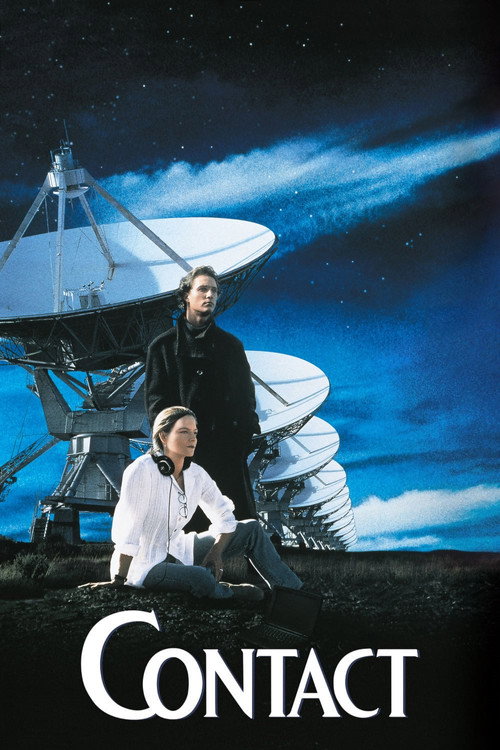
Contact1997
Same year, same faith-versus-science backbone, but pointed at the stars instead of away from them. Jodie Foster's scientist chases a signal from another civilization, and the film treats wonder as seriously as dread.
But It's slower and more contemplative than a disaster movie needs to be — patience required, no crashing skyscrapers.
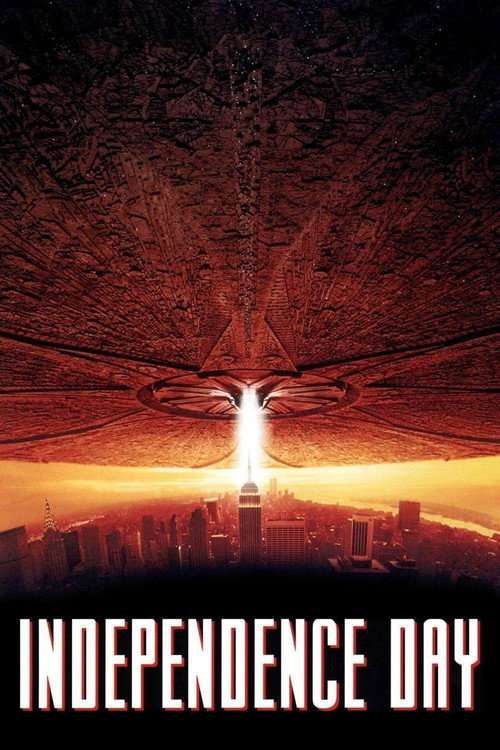
Independence Day1996
Roland Emmerich's other end-of-the-world blockbuster, made two years earlier and swinging for spectacle rather than sentiment, hits the same presidential-address-to-save-humanity beats but dialed up to maximum fireworks.
But It's broader, dumber fun — if you wanted Deep Impact's emotional weight, this trades it for explosions.
The wildcard
Something you would not have found on your own.
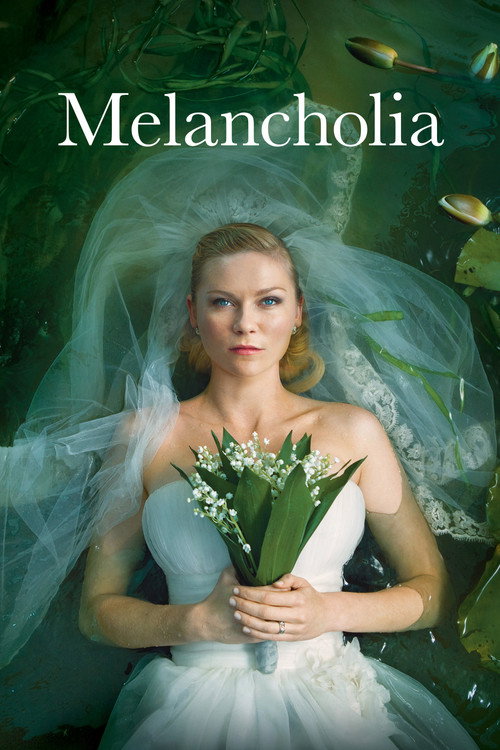
Melancholia2011
Same rogue-celestial-body-on-a-collision-course setup, but stripped of every disaster-movie convention: no NASA, no rescue mission, no crowds cheering. It asks what facing the end actually feels like from the inside.
Lars von Trier's arthouse apocalypse turns the same premise — a rogue planet on a collision course with Earth — into a study of depression, where the coming end feels almost like relief.
But It's slow, upsetting, and offers none of Deep Impact's comfort or heroism — this is disaster as psychological horror.
More like this (8)
The Day After Tomorrow2004no page yet
Emmerich again, this time drowning New York instead of blowing it up. Same DNA — scientists racing a countdown, families scattered and trying to reunite before the world changes for good.
But The science is even shakier than Deep Impact's, and the family drama can tip into cheese.
20122009no page yet
The genre's id unleashed: total civilizational collapse, arks, presidents making impossible choices, all played at maximum volume. If you want the disaster-movie playbook taken to its logical extreme, this is it.
But Subtlety is not on the menu — this is Deep Impact's quiet grief replaced by two and a half hours of collapsing continents.
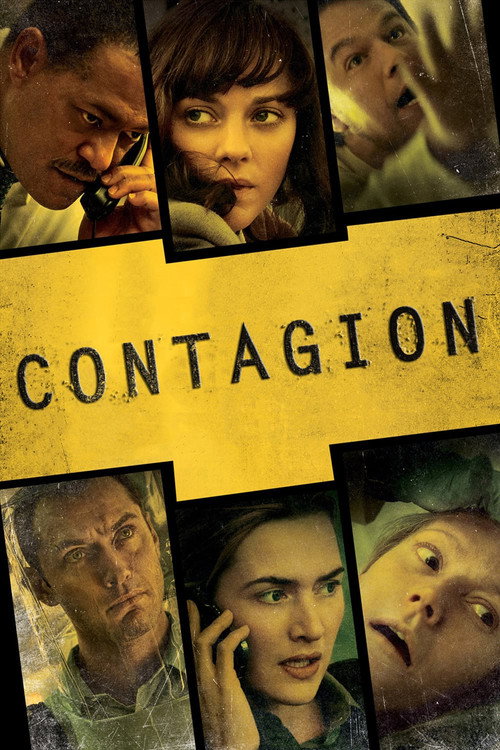
Contagion2011
Swap the comet for a virus and you get the same ensemble structure — scientists, officials, ordinary people — but rendered with cold, procedural realism instead of Hollywood uplift.
But It's clinical by design; if you loved Deep Impact's warmth, this one deliberately withholds it.
Greenland2020no page yet
A comet is coming and one family just needs to survive the drive to the bunker. Smaller scale than Deep Impact, but it hits the same note of ordinary people against an impossible clock.
But Budget and ambition are a notch down — less spectacle, fewer named stars, more single-family tension.
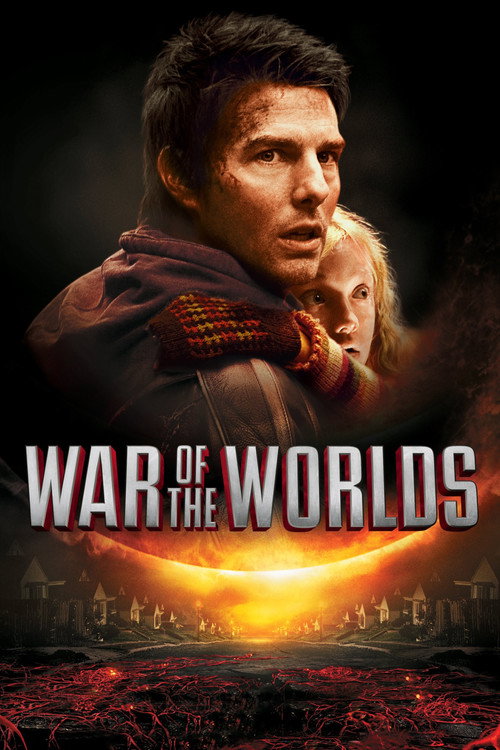
War of the Worlds2005
Spielberg swaps the comet for aliens but keeps the structure: a fractured family running from something vast and indifferent, with disaster shot from ground level instead of the situation room.
But It trades Deep Impact's ensemble hope for something bleaker and more claustrophobic — no reassuring president here.
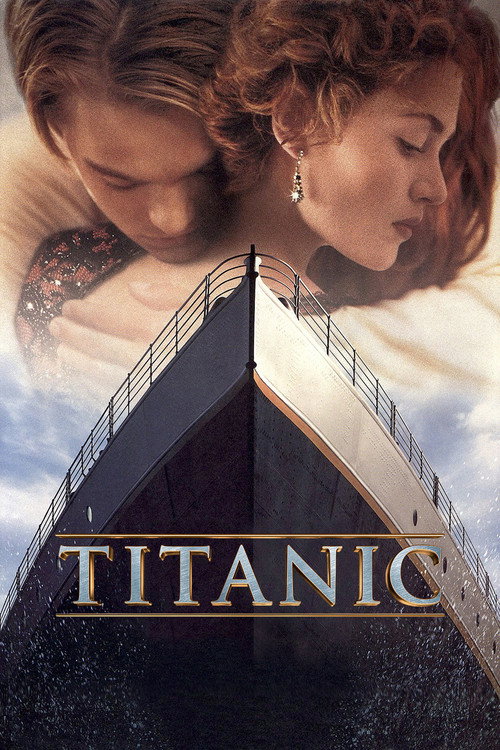
Titanic1997
Another all-star ensemble facing an unstoppable, scheduled catastrophe, with the same instinct to find intimate human stories inside a disaster too big to fully comprehend.
But It's a period romance first and disaster movie second — three hours long, and the ending isn't in doubt.
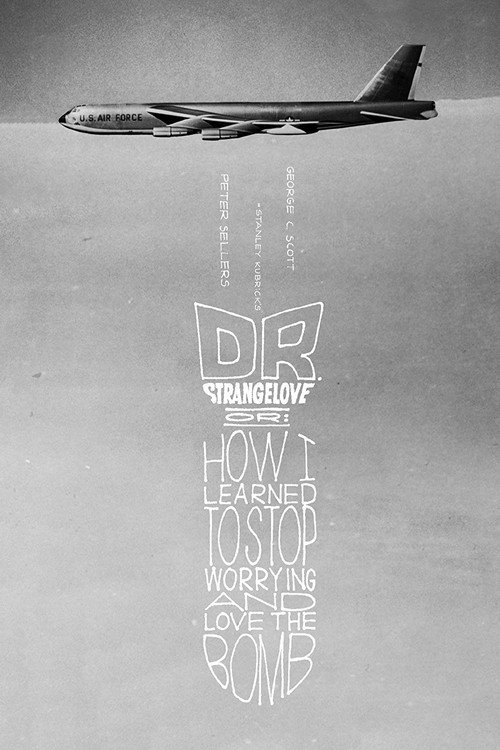
Dr. Strangelove or: How I Learned to Stop Worrying and Love the Bomb1964
Both films live in the war room and the cockpit as the clock runs out, but where Deep Impact plays every beat straight, Strangelove treats the same command-structure heroics as a joke that could kill everyone.
Kubrick's cold-war satire shares Deep Impact's exact premise — humanity's leaders scrambling as annihilation approaches — but plays it as farce, exposing the absurdity underneath every solemn crisis-room scene.
But Black-and-white, talky, and deliberately unfunny in the way it's funny — if you want sincerity, this laughs in its face.
On the Beach1959
Deep Impact borrows this film's real innovation: showing the end of the world through ordinary people's small decisions rather than through the mission to stop it. This is where that instinct started.
A classic of quiet apocalypse: after nuclear war, survivors in Australia wait for the radiation to reach them, and the film finds unbearable tenderness in people simply choosing how to spend their last days.
But No countdown heroics, no last-minute save — it's slow, mournful, and the ending doesn't blink.

People
Cast
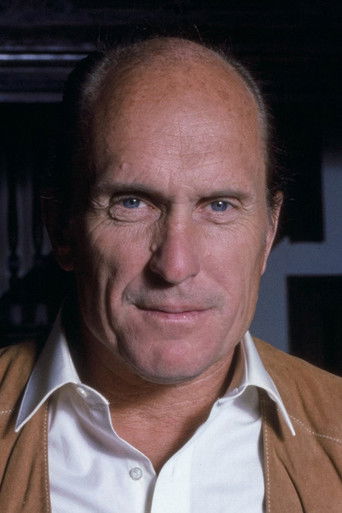 Robert DuvallCapt. Spurgeon 'Fish' Tanner
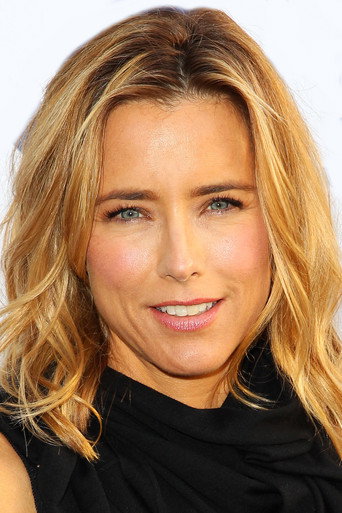 Téa LeoniJenny Lerner
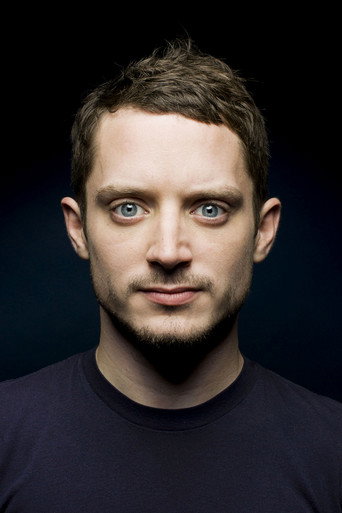 Elijah WoodLeo Biederman
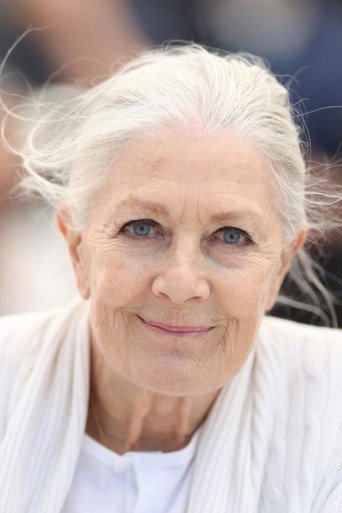 Vanessa RedgraveRobin Lerner
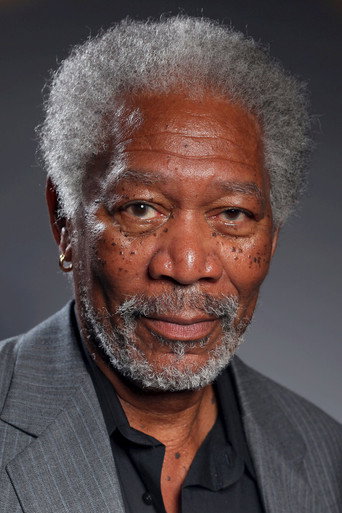 Morgan FreemanPresident Tom Beck
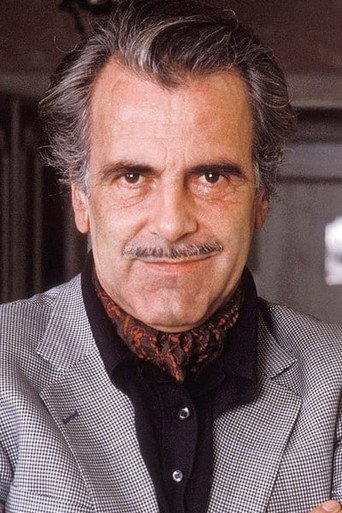 Maximilian SchellJason Lerner
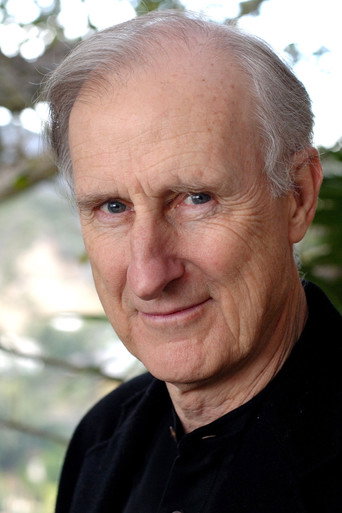 James CromwellAlan Rittenhouse
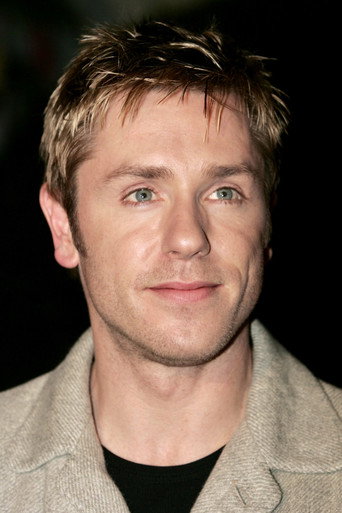 Ron EldardOren Monash
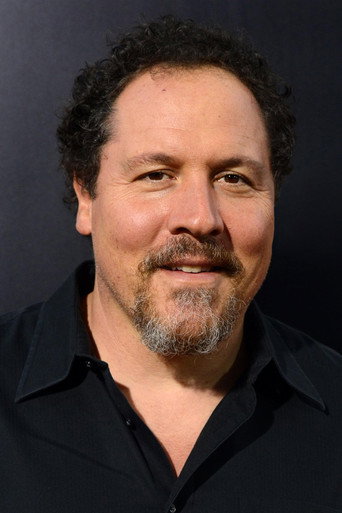 Jon FavreauGus Partenza
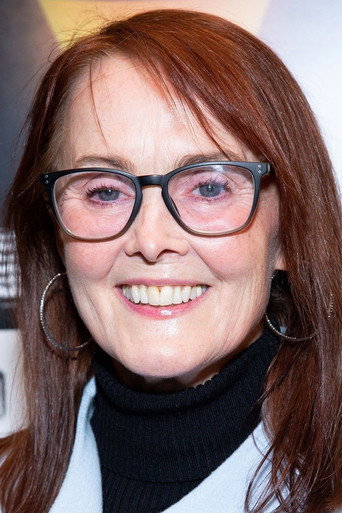 Laura InnesBeth Stanley
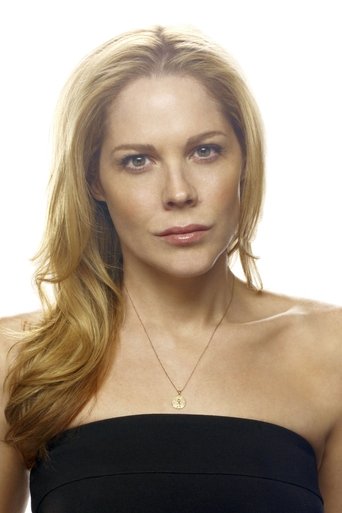 Mary McCormackAndrea Baker
 Richard SchiffDon Biederman
Directing
- Wainani Young-TomichAdditional Second Assistant Director
- Mimi LederDirector
- Dana J. KuznetzkoffFirst Assistant Director
- K.C. ColwellFirst Assistant Director
- Robert RooyFirst Assistant Director
- Larry LeahyScript Coordinator
- Faith ConroyScript Supervisor
- Alison C. RosaSecond Assistant Director
- Glen TrotinerSecond Assistant Director
- Lisa M. RoweSecond Assistant Director
- Paula CaseSecond Second Assistant Director
- E.J. FoersterSecond Unit Director
- Mark VargoSecond Unit Director
- Cara GiallanzaSecond Unit First Assistant Director
- Michele ZieglerSecond Unit First Assistant Director
Writing
- Bruce Joel RubinWriter
- Michael TolkinWriter
Production
- Heather KeltonArt Department Production Assistant
- Laura TizAssistant Accountant
- Patrick BurnAssistant Location Manager
- John Latenser VAssistant Production Coordinator
- D. Scott EastonAssociate Producer
- Allison JonesCasting
- Judith BouleyCasting
- Wendy WashbrookCasting Assistant
- Joan BradshawExecutive Producer
- Steven SpielbergExecutive Producer
- Walter F. ParkesExecutive Producer
- Kimberly SkyrmeExtras Casting
- Jennifer L. PearlmanKey Production Assistant
- Brian GlazenLocation Assistant
- George HerthelLocation Manager
- Lori IkedaPayroll Accountant
- David BrownProducer
- Richard D. ZanuckProducer
- Pam KayeProduction Accountant
- Todd CarrollProduction Assistant
- Eileen GodoyProduction Coordinator
- Shaun RyanProduction Driver
- Steven R. MolenProduction Executive
- Bob MerrickProduction Secretary
- Peter M. TobyansenProduction Supervisor
- Jan CosbySecond Assistant Accountant
- Kurt ZelnakTravel Coordinator
- D. Scott EastonUnit Production Manager
Recommended by
Independence Day, Armageddon, Shin Godzilla, The Day the Earth Caught Fire, Melancholia, On the Beach