
Film
No Blade of Grass
A 1970 British sci-fi catastrophe film about an architect leading his family across a collapsing England after a virus destroys all grass crops. It's grimly serious post-apocalyptic survival cinema—bleak, violent, and surprisingly harrowing. For viewers drawn to realistic depictions of societal breakdown and willing to sit with genuine despair.
If you liked this
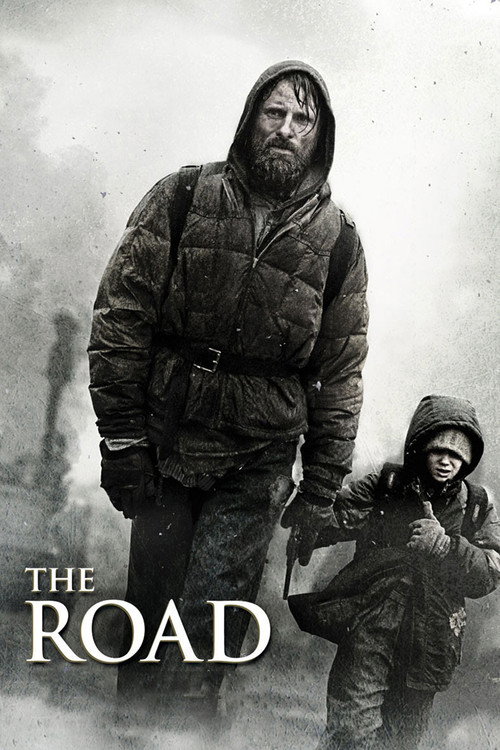
The Road2009
A father and son traverse a devastated America with almost no hope left. Cormac McCarthy's bleakness adapted with unflinching honesty. Like Blade of Grass, it trusts the audience to endure darkness.
But Relentlessly grim from start to finish. No moments of levity or comfort, and the emotional weight may exhaust rather than move you.
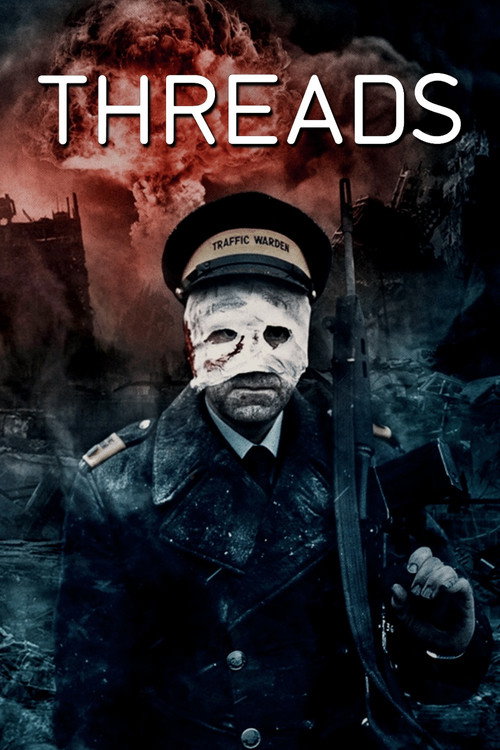
Threads1984
British nuclear war docudrama that treats apocalypse as a grinding bureaucratic and biological horror. The same cold realism and British setting as Blade of Grass, but even more punishing in its detail.
But Made for BBC television and it shows—deliberately unglamorous, technically dated, and genuinely difficult to watch. Famously traumatised an entire generation.
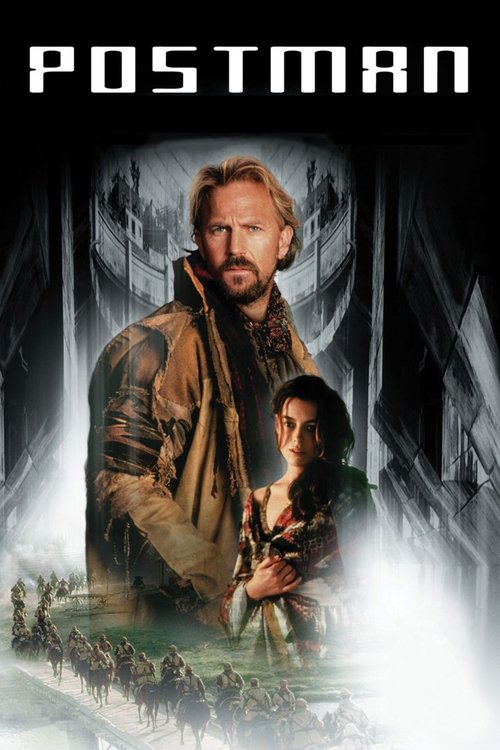
The Postman1997
Kevin Costner post-apocalyptic epic about rebuilding meaning after civilisation collapses. Shares Blade of Grass's theme of small groups struggling to survive while maintaining some semblance of community.
But Nearly three hours long and occasionally saccharine about human connection. The tone lurches between earnest and grandiose in ways that undermine the premise.
Not sure tonight? Get a pick in a minute, starting from No Blade of Grass
The wildcard
Something you would not have found on your own.
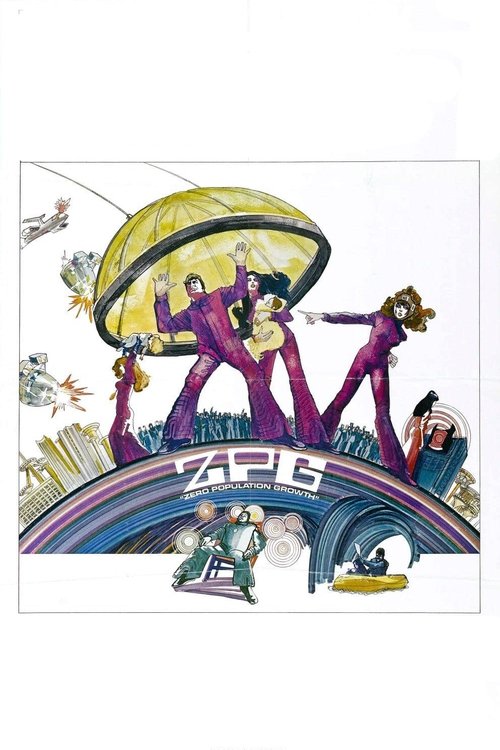
Z.P.G.1972
Both are British sci-fi films from the early 1970s that treat environmental catastrophe as a sober political and family crisis rather than spectacle. Both ask: what happens when survival requires you to stop being human?
British sci-fi film where the government mandates a ban on children to prevent population collapse. Like Blade of Grass, it's a serious, underfunded 1970s vision of societal breakdown through environmental crisis. Explores the same moral and family pressures, but from the opposite direction—not fleeing the crisis but making the impossible choices it demands.
But Visually dull and the central conceit is blunt. The drama works in ideas more than characters, and the pacing is deliberately slow in ways that can feel academic.
More like this (8)
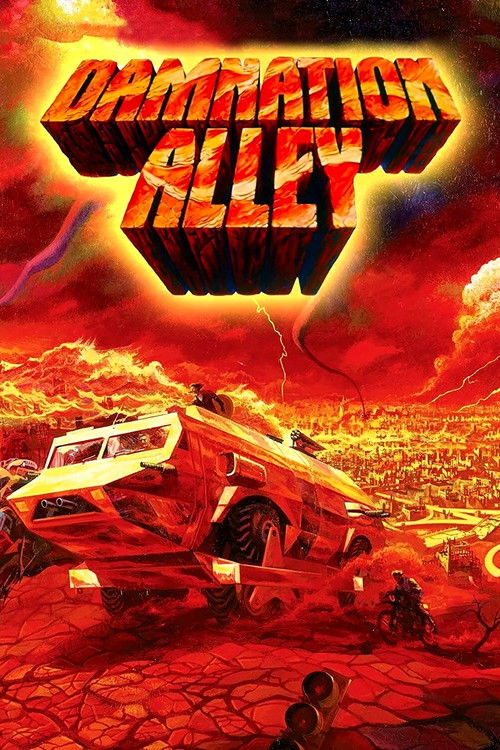
Damnation Alley1977
Roger Zelazny adaptation about crossing a destroyed American landscape after ecological collapse. Same era as Blade of Grass, same sense of traversing hostile terrain, similar B-movie sincerity.
But Campy in places and visibly low-budget. The special effects and creature design feel dated rather than artful, which damages the attempted seriousness.
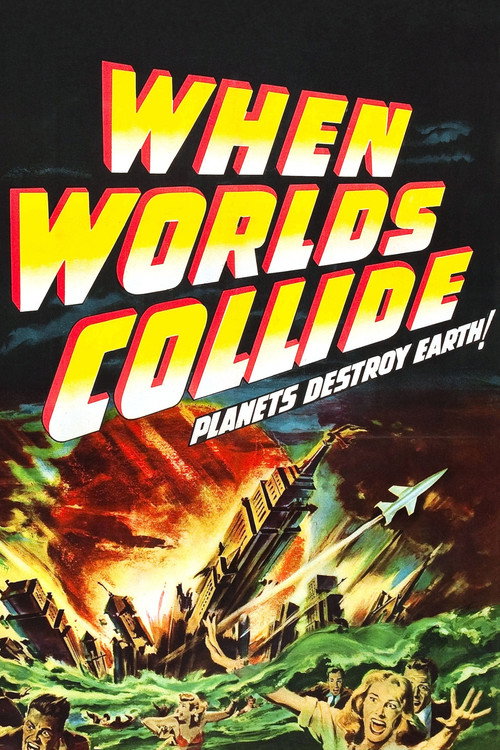
When Worlds Collide1951
1950s disaster film about humanity facing extinction and the moral choices that follow. Like Blade of Grass, it takes existential threat seriously and asks what civilisation is worth when survival is at stake.
But Distinctly optimistic and pro-technology in ways that feel naive now. The colour photography is beautiful but the drama is stiff by modern standards.
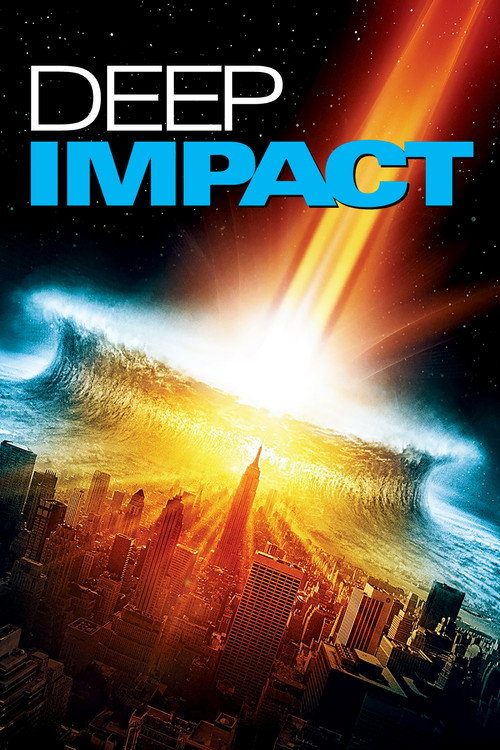
Deep Impact1998
Comet-disaster ensemble picture following multiple perspectives as society prepares for extinction. Shares Blade of Grass's interest in how ordinary people respond when the world ends, family groups and moral fractures intact.
But Glossy Hollywood production that softens the edges of catastrophe. The emotional beats feel calculated and the resolution too neatly resolved to sit alongside genuine apocalyptic dread.
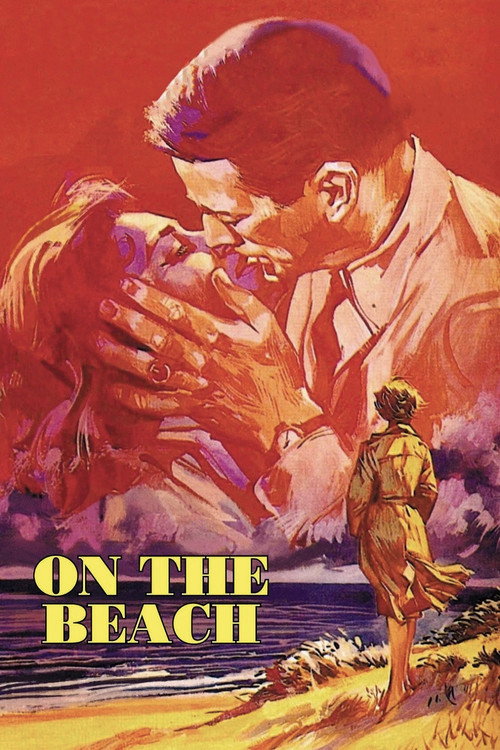
On the Beach1959
Adaptation of Nevil Shute's novel about the last people on Earth waiting for nuclear fallout. The same sense of inevitability and drift as Blade of Grass—no action hero solution, just endurance and acceptance.
But Glacially paced by modern standards and heavy on dialogue. The emotional content is philosophical rather than visceral, which some will find tedious.
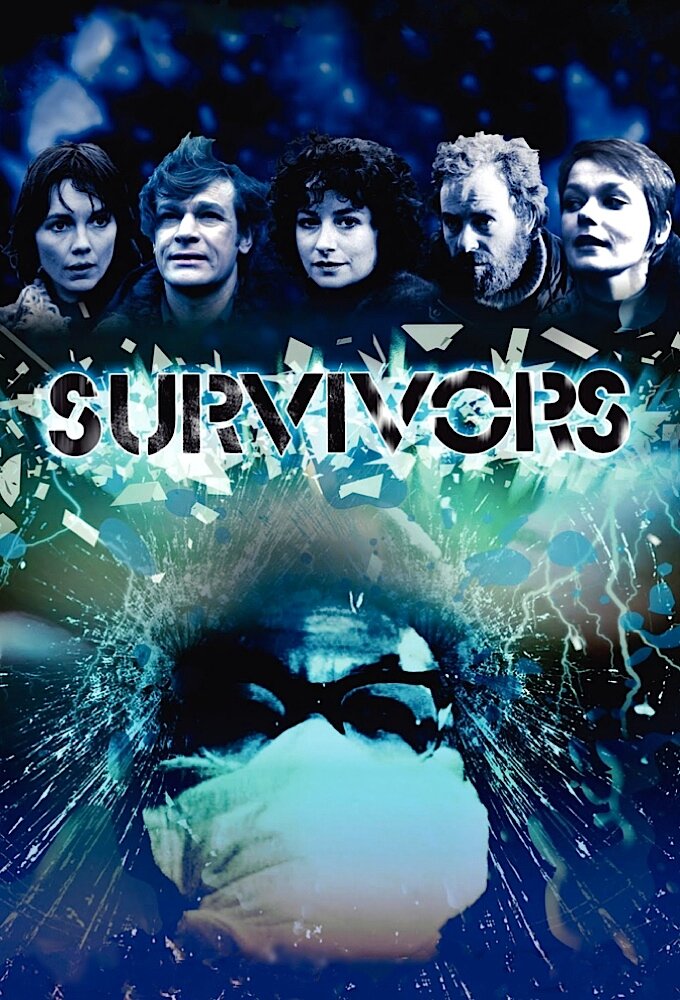
Survivors1975
British post-plague TV series tracking small groups rebuilding after a pandemic wipes out civilisation. Made in the same era and country as Blade of Grass with the same unglamorous, hardscrabble approach to collapse.
But Early 1970s television production values and pacing. The series is uneven and some episodes feel padded, though the good ones are genuinely chilling.
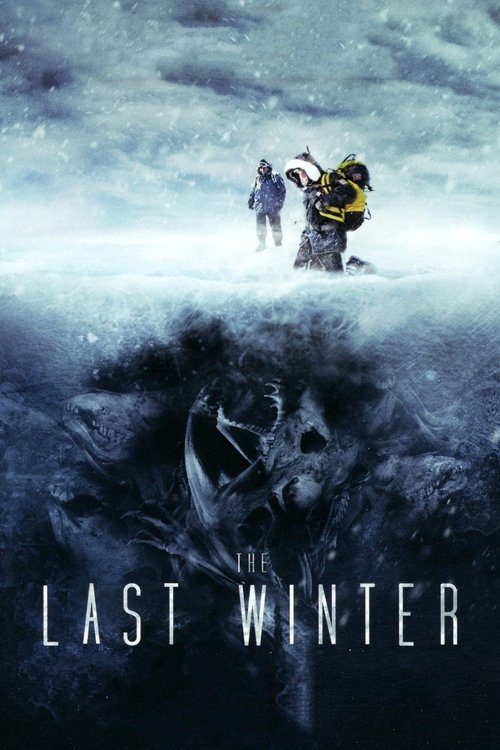
The Last Winter2006
Ecological horror film set in Alaska where environmental collapse takes an unsettling supernatural turn. Shares Blade of Grass's sense that nature itself has turned hostile and that survival may be a curse.
But Slow-burn meditation that prioritises mood over plot. Some viewers will find it too abstract and the payoff insufficient for the investment.
Stalker1979
Both films trust silence and dread over exposition. Both feature journeys where the landscape becomes a mirror of the travellers' inner states. Both suggest that survival itself may not be the point.
Tarkovsky's Soviet philosophical journey through a mysterious zone where desires are granted. Like Blade of Grass it concerns a small group moving through hostile terrain toward safety, but inverts the meaning—the real danger is internal and metaphysical, not external.
But Three hours of meditative, dialogue-heavy filmmaking with minimal action. Glacially slow and more interested in ideas than plot. Demands patience and rewards it only if you're open to ambiguity.

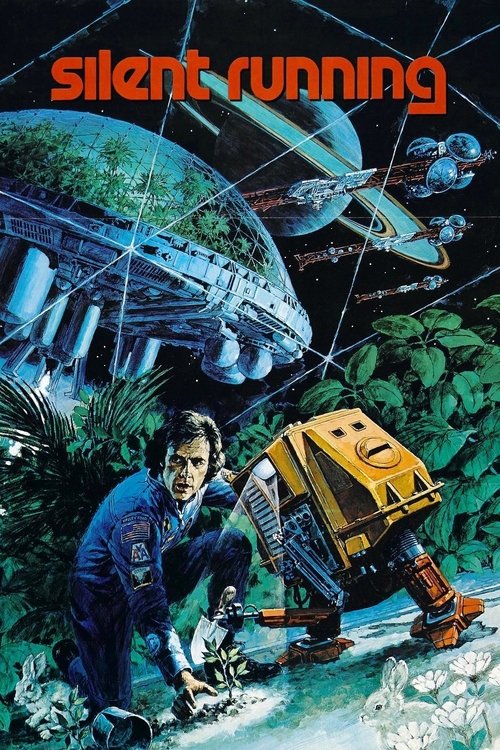
Silent Running1972
Both ask what remains of human values after environmental collapse. Both feature small groups trying to preserve what matters. Both suggest there may be no happy ending, only the dignity of trying.
Douglas Trumbull's haunting film about the last plant life being preserved in space while Earth dies. Science fiction about ecological collapse from the same era as Blade of Grass, but tender and elegiac rather than brutal. Shares the moral weight—what is worth saving when everything else is lost?
But The special effects, though innovative, feel dated. Bruce Dern's performance is uneven and the final act sentimentalises in ways that undercut the premise.
People
Cast
 Nigel DavenportJohn Custance
 Jean WallaceAnn Custance
 John HamillRoger Burnham
 Lynne FrederickMary Custance
 Patrick HoltDavid Custance
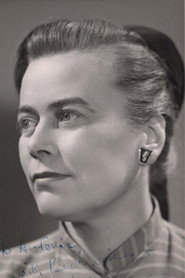 Ruth KettlewellFat Woman
- M.J. MathewsGeorge
 Michael PercivalPolice Constable
- Tex FullerMr. Beaseley
- Simon MerrickT.V. Interviewer
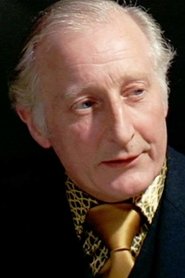 Anthony SharpSir Charles Brenner
 George CoulourisMr. Sturdevant
Directing
- John StonemanAssistant Director
- Kay RawlingsContinuity
- Cornel WildeDirector
Writing
- John ChristopherNovel
- Cornel WildeWriter
- Sean ForestalWriter
Production
- Cornel WildeProducer
- Sydney StreeterProduction Supervisor
- Terence A. CleggUnit Manager