
Film
Z.P.G.
- Dystopian sci-fi
- Very dark
A stark 1972 sci-fi thriller about a future where childbirth is banned to save an overcrowded planet. One couple's illegal pregnancy becomes a quiet, intimate rebellion against the state. It's less action-driven than philosophically claustrophobic—a chamber piece about desire, defiance, and what remains human when everything is regulated. For viewers drawn to ideas over spectacle.
If you liked this
Children of Men2006
Another near-future where reproduction is forbidden. Cuarón builds unbearable tension from the same premise, with technical brilliance and genuine emotional devastation. You'll see how far the concept can reach.
But It's relentlessly bleak and the famous long takes, while stunning, can feel punishing rather than rewarding if you're not in the mood for unbroken dread.

The Handmaid's Tale2017
Explores bodily autonomy and reproductive control with similar intensity but broader scope. Gilead's world-building is obsessive and the performances are uniformly excellent. A show about power and resistance that gets darker and richer.
But Ten seasons is a commitment, and not all of them maintain the first season's narrative momentum. Some viewers find the pacing uneven after the midpoint.

Stalker1979
Tarkovsky's masterpiece moves at Z.P.G.'s meditative pace but with even greater philosophical ambition. It's about desire, rules, and what we'd risk everything to obtain. A film that rewards patient attention.
But Three hours of deliberate, almost motionless cinema. If you need plot propulsion or quick cuts, you'll find this genuinely difficult.

Not sure tonight? Get a pick in a minute, starting from Z.P.G.
The wildcard
Something you would not have found on your own.
Blade Runner 20492017
Both use the science fiction framework to quietly interrogate desire, control, and the line between human and manufactured life. Visual restraint and philosophical density over narrative propulsion.
Deliberately paced sci-fi about artificial beings and reproduction. Like Z.P.G., it's more interested in emotional and philosophical questions than plot. Villeneuve's film moves at a similar cadence and explores similar anxieties about what's natural and what's forbidden.
But Even longer and slower than Z.P.G., with less plot. If you found the '72 film paced glacially, this will test your patience beyond breaking.

More like this (8)
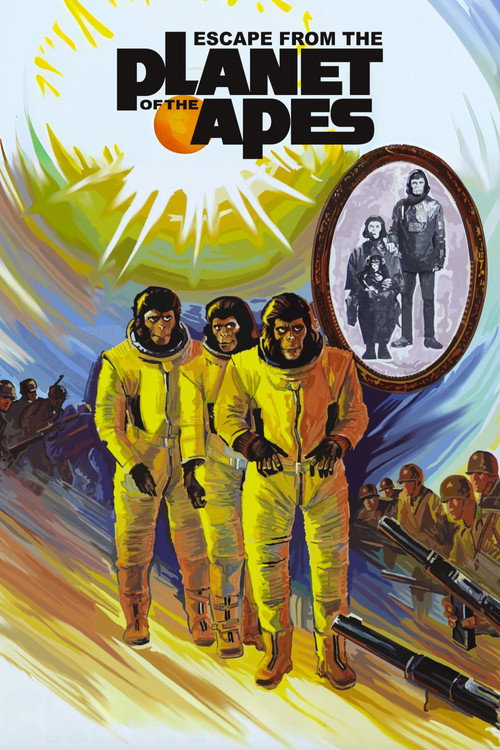
Escape from the Planet of the Apes1971
Also 1971-era sci-fi paranoia about reproduction and the future. Roddy McDowall's character faces persecution for carrying uncontrolled life. It's pulpier than Z.P.G. but touches the same nerve.
But The Planet of the Apes franchise veers between brilliant and silly; this entry has moments of both, and the tonal shifts won't work for everyone.
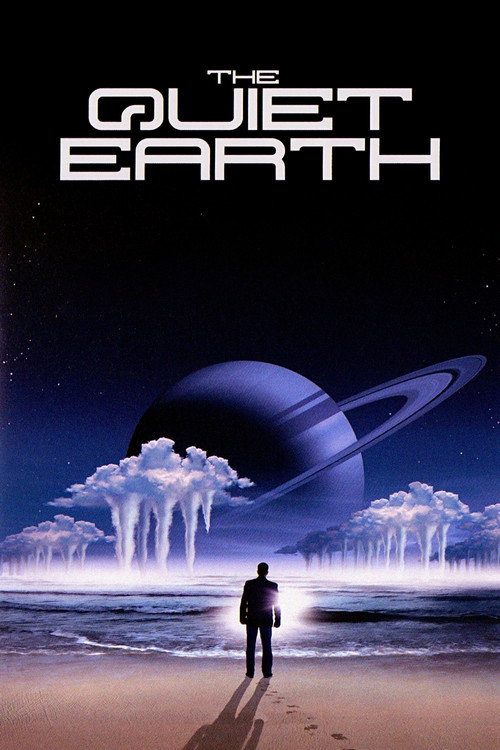
The Quiet Earth1985
New Zealand post-apocalypse about one man confronting a depopulated world. Cheaper than Z.P.G. but just as haunted. The existential loneliness hits differently when you see it through someone's descent.
But The film's logic isn't airtight and the ending divides viewers sharply. Some find it transcendent, others feel cheated by the third act's turn.
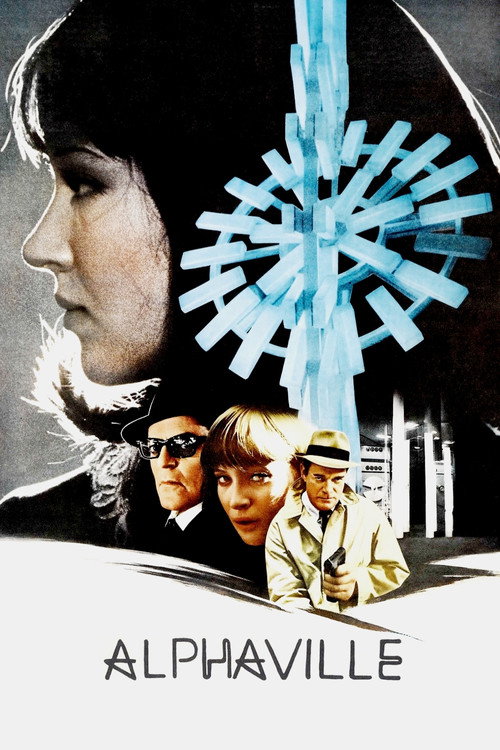
Alphaville1965
Godard's futuristic noir about a city where emotion is suppressed. Like Z.P.G., it uses sci-fi constraints to explore what's required to remain human. Strange and exhilarating in ways pure plot-driven films never are.
But Densely philosophical, deliberately slow, and shot in black-and-white. Godard's style demands patience; this isn't a film you can half-watch.
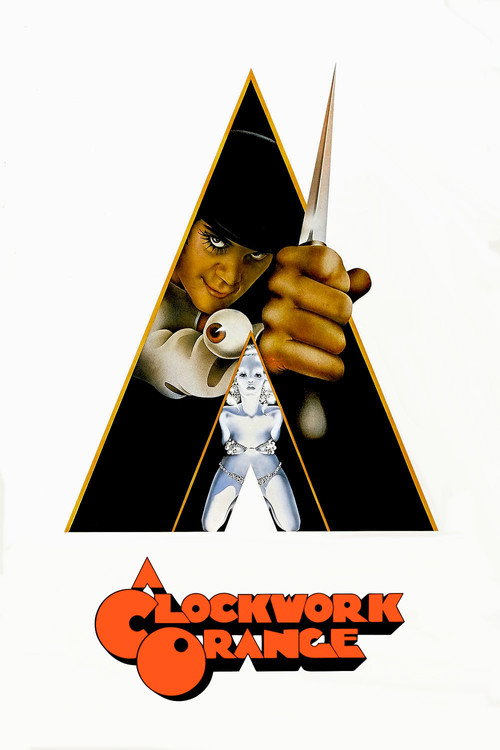
A Clockwork Orange1971
Kubrick's 1971 vision of a controlled future. Like Z.P.G., it asks what the state is permitted to police. More visceral and transgressive, but built on the same dystopian scaffold.
But Infamous for its brutality and sexual violence. Even people who respect the film's ideas sometimes find the imagery exhausting rather than illuminating.
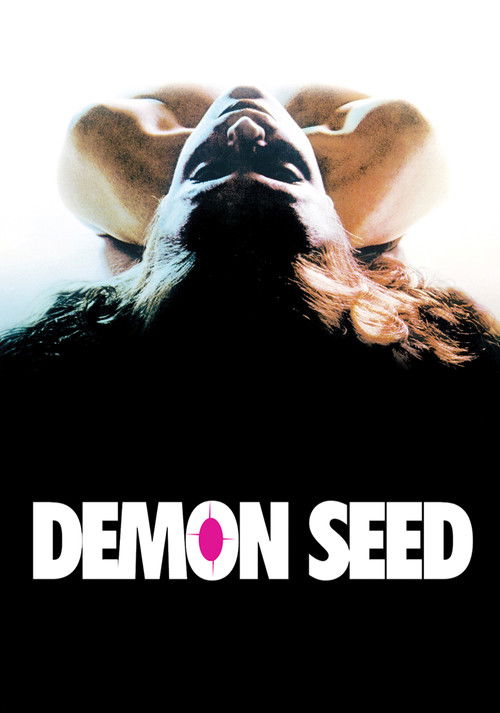
Demon Seed1977
A supercomputer obsessed with creating life through a woman it holds captive. Another '70s sci-fi that treats reproduction as dangerous and transgressive. Unsettling in ways both intellectual and visceral.
But The premise involves sexual coercion by a machine. It's deeply uncomfortable, and the film's own stance on this discomfort is ambiguous at best.
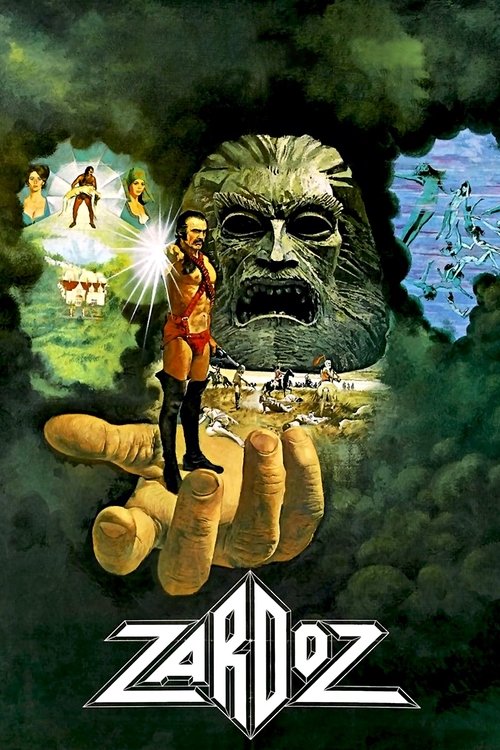
Zardoz1974
Sean Connery in a bizarre future where an immortal elite controls reproduction and resources. Another '70s fever dream about control and desire. Deeply strange and rewarding if you surrender to its logic.
But Narratively muddled and visually chaotic. Its strangeness works only if you're willing to let the film's dream-logic override conventional storytelling.
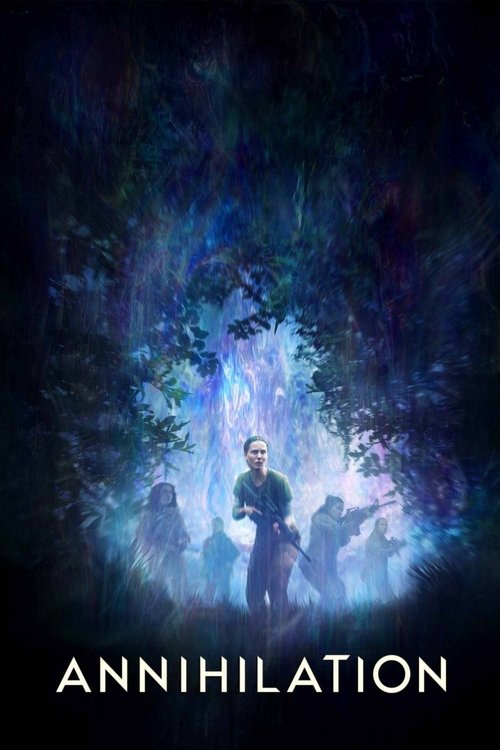
Annihilation2018
Both films use their speculative premises to explore bodily integrity and reproductive autonomy as sources of existential dread. The same anxieties, different surfaces.
A scientific expedition into a mysterious zone where the rules of nature break down. Like Z.P.G., it's SF that prioritizes atmosphere and philosophical unease over action. Tense, visually arresting, and deeply strange in ways that reward thinking.
But The third act becomes increasingly abstract and divisive. Some viewers find it a brilliant escalation; others feel it loses narrative coherence when it matters most.
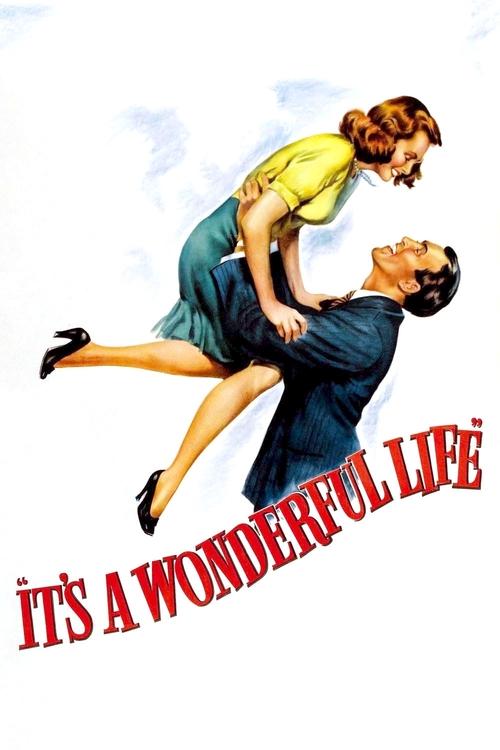
It's a Wonderful Life1946
Both films, despite their radically different genres and eras, hinge on the same moral question: what does society owe to a person's right to create life and leave a mark? One asks it from utopian SF; the other from Christmas-morning sentiment. The question is identical.
Capra's Christmas classic where a man sees what his town would be without him. Seems nothing like Z.P.G. until you recognize they're both stories about parenthood, legacy, and the value of a single human life against the state's calculus.
But Emotionally manipulative and relentlessly sentimental. If you're allergic to heartstring-tugging or find Capra's worldview naive, this will feel cloying.
People
Cast
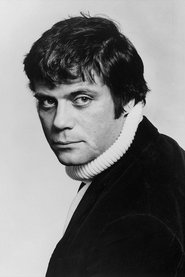 Oliver ReedRuss
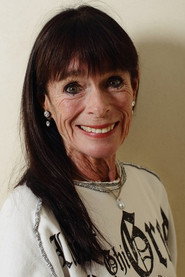 Geraldine ChaplinCarol
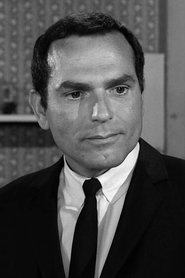 Don GordonGeorge
 Diane CilentoEdna
- David MarkhamDr. Herrick
 Bill NagyThe President
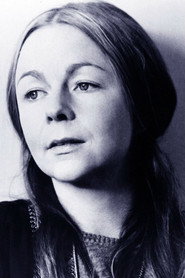 Sheila ReidMary Herrick
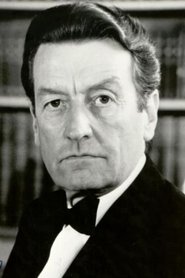 Aubrey WoodsDr. Mallory
- Wayne RoddaMetromart Salesman
- Ditte Maria WibergTelescreen Operator
 Birgitte FederspielPsychiatrist
 Lone LindorffMother
Directing
- Richard F. DaltonAssistant Director
- Jane BuckContinuity
- Michael CampusDirector
Writing
- Sandra KolberScript Consultant
- Frank De FelittaWriter
- Max EhrlichWriter
Production
- Max EhrlichAssociate Producer
- Frank De FelittaExecutive Producer
- Tom MadiganProducer
- Brian BrockwellProduction Accountant
- Geoffrey HaineProduction Manager
- Doreen LandryPublicist
- H.P. Moeller-AndersonUnit Manager