
Film
A Clockwork Orange
A brutal, dazzlingly stylish provocation dressed as satire: Kubrick's vision of a near-future England where a teenage sociopath's spree of ultraviolence collides with a state desperate to cure him of free will. It's gorgeous, disturbing, and engineered to make you complicit before it makes you uncomfortable. Not for the squeamish, but essential for anyone curious about how far cinema can push moral discomfort while never losing its nerve.
If you liked this
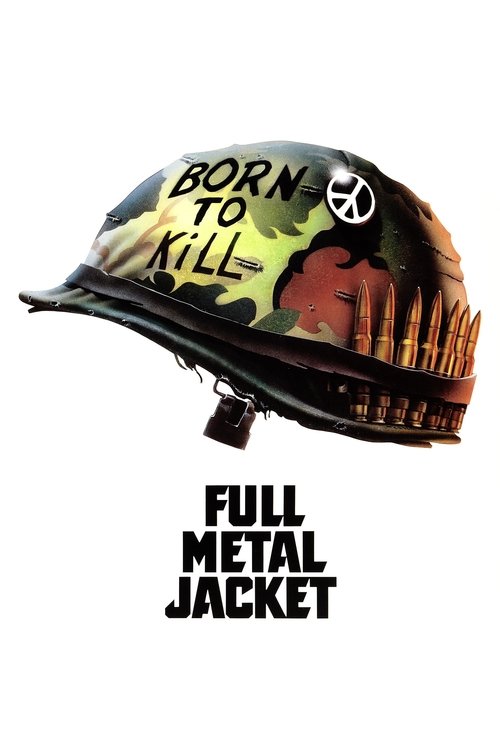
Full Metal Jacket1987
Kubrick turns his lens on military conditioning instead of criminal rehabilitation, and it's just as chilling — a two-part descent from boot-camp brutality to combat's numbing chaos, shot with the same cold precision.
But The first half's relentless verbal abuse can feel like punishment in itself, and the tonal shift halfway through leaves some viewers cold.
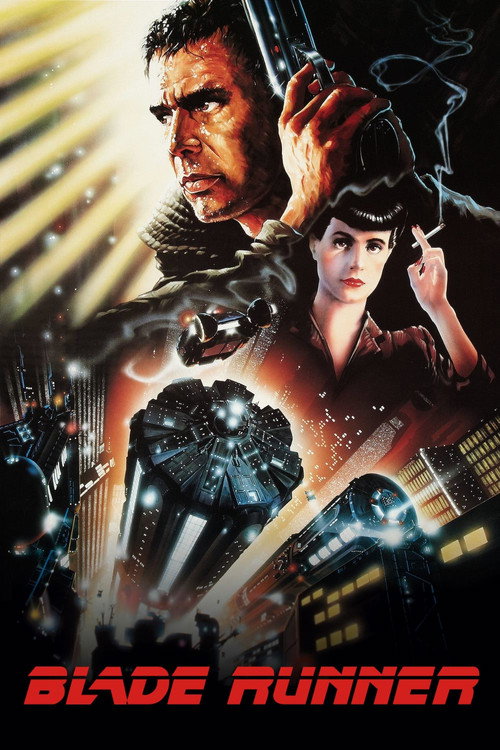
Blade Runner1982
Same era's dystopian unease, rendered as neon-noir instead of skinhead punk — a detective story about what makes someone human, wrapped in visuals still unmatched decades later.
But Glacially paced by modern standards, and the philosophical musing can feel more atmospheric than gripping if you're after plot momentum.
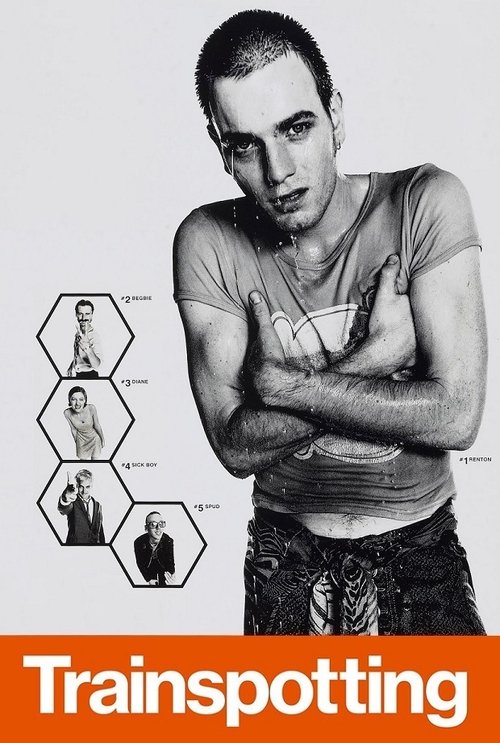
Trainspotting1996
Danny Boyle's kinetic, darkly funny snapshot of British youth chasing oblivion shares Kubrick's appetite for style overtaking horror, right down to a soundtrack that makes ruin look seductive before it doesn't.
But The heroin scenes are queasily vivid, and its manic energy can exhaust as much as exhilarate.
The wildcard
Something you would not have found on your own.
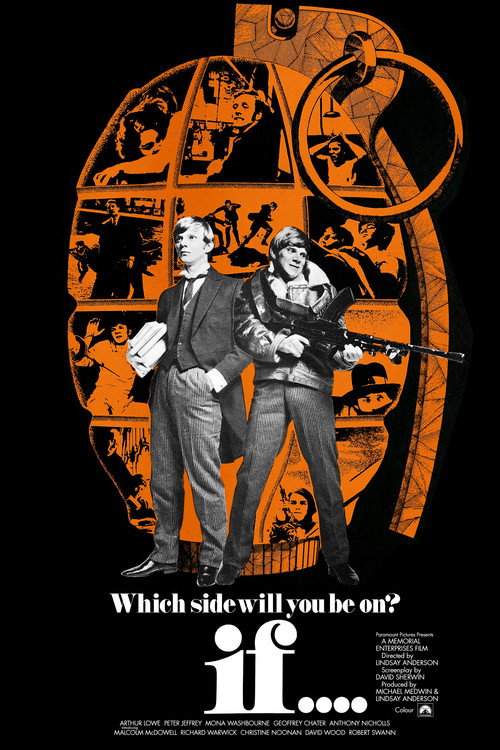
if....1968
McDowell plays the same kind of charismatic anarchist three years earlier, and Lindsay Anderson's film is the clear tonal blueprint — institutional cruelty answered with institutional-scale fantasy violence — that Kubrick then perfected.
Malcolm McDowell's first great screen rebellion, three years before Alex — a public-school revolt that ends in gunfire and surreal fantasy, made with the same appetite for beautiful, disturbing anarchy.
But Its slow build and dated institutional satire ask for patience that Kubrick's razor pacing never does.
More like this (8)
Fight Club1999
Another handsome, charismatic young man narrates his own descent into violence with unsettling relish — Fincher's satire of masculinity and control asks similar questions about who's really pulling the strings.
But Its twist-reliant structure and nihilistic swagger have aged into something more meme than message for some audiences.

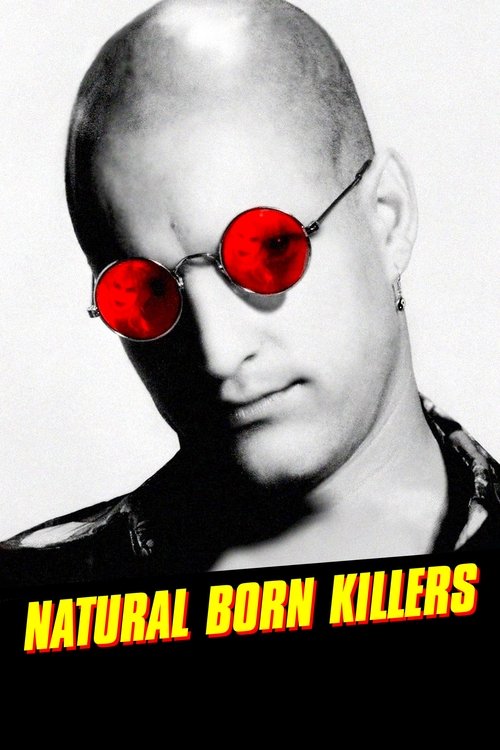
Natural Born Killers1994
Oliver Stone's media-frenzy satire pushes stylised violence even further than Kubrick dared, turning killers into celebrities and asking who's really addicted to the spectacle.
But The hyperkinetic editing and blaring tone make it a genuinely exhausting, in-your-face watch — subtlety this is not.
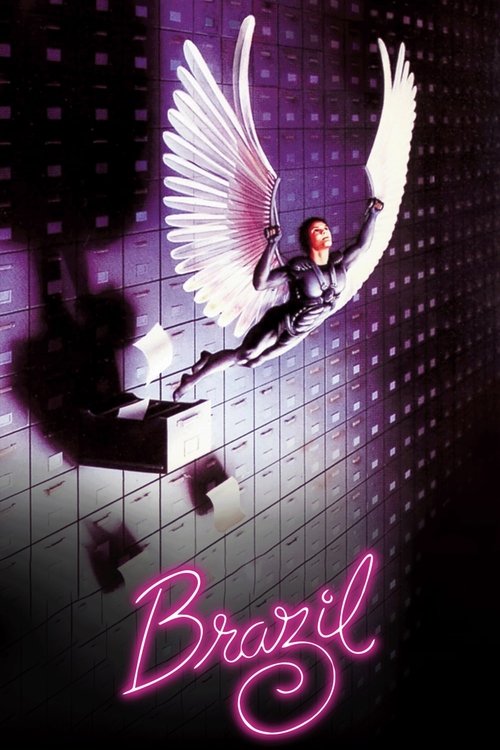
Brazil1985
Terry Gilliam's bureaucratic nightmare shares the same absurdist dread about a state that controls its citizens down to their thoughts, but filtered through slapstick and paperwork instead of ultraviolence.
But Its manic production design and shaggy plotting demand patience, and the humour is broader than Kubrick's cold irony.
American History X1998
A study of radicalisation and forced reform that asks whether a man conditioned to hate can genuinely change — Edward Norton's performance carries the same queasy question about redemption under duress.
But It's earnest where Kubrick is detached, and its message lands with far less ambiguity.

Children of Men2006
A quieter, more mournful near-future Britain, but the same sense of a society curdling under its own control mechanisms — and just as visually audacious in its own way.
But It trades Kubrick's stylised excess for grim realism, so anyone hoping for verve or dark comedy will find it a much heavier watch.

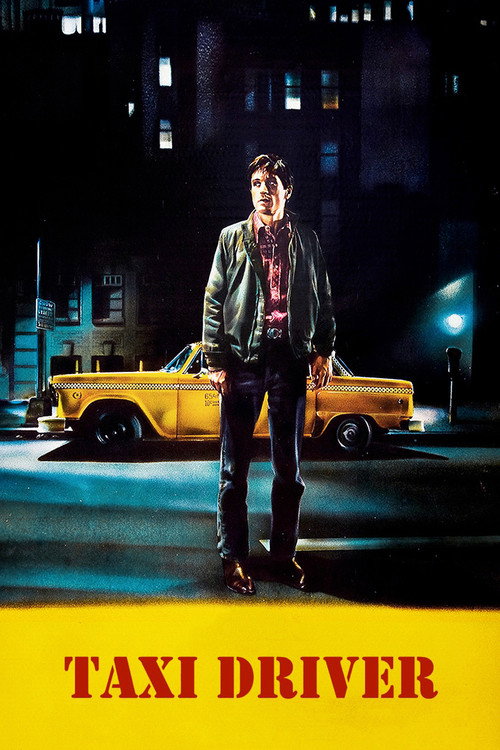
Taxi Driver1976
Scorsese's alienated loner prowling a decaying city shares Alex's slippery charisma and buried menace — proof that cinema can make you understand a dangerous man without ever excusing him.
But Its slow-burn character study lacks Kubrick's outright shock value, and the payoff is more inevitable than surprising.
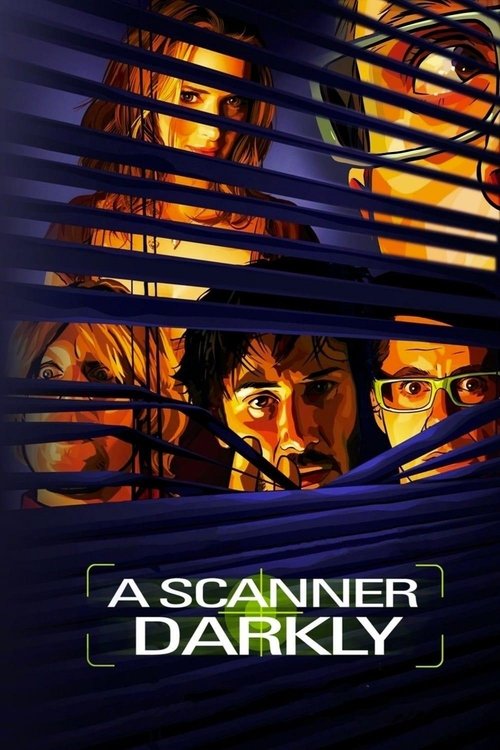
A Scanner Darkly2006
Both films ask what's left of a person once perception and free will have been chemically or surgically rerouted — Linklater just answers it in ink-and-paint instead of Kubrick's clinical white rooms.
Richard Linklater's rotoscoped adaptation of Philip K. Dick swaps the Ludovico chair for drug-induced paranoia, but it's the same nightmare: a mind being reshaped by forces it can't fully see or resist.
But The animation style is polarising, and its druggy, meandering dread is a slow simmer rather than a shock.
Titicut Follies1967
It's the true story behind Kubrick's satire — actual doctors 'curing' actual inmates through humiliation and control — proof the Ludovico Technique's moral horror wasn't science fiction at all.
Frederick Wiseman's once-banned documentary walks the halls of a real Massachusetts asylum, filming the kind of institutional dehumanisation Kubrick fictionalised — no score, no stylisation, just unbearable fact.
But There is no satire cushioning this one; it's a genuinely upsetting document of real cruelty, and some scenes are hard to un-see.

People
Cast
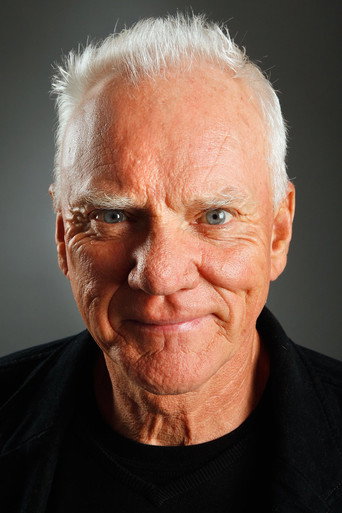 Malcolm McDowellAlex
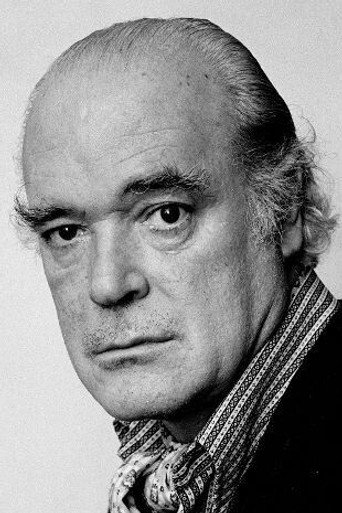 Patrick MageeMr. Alexander
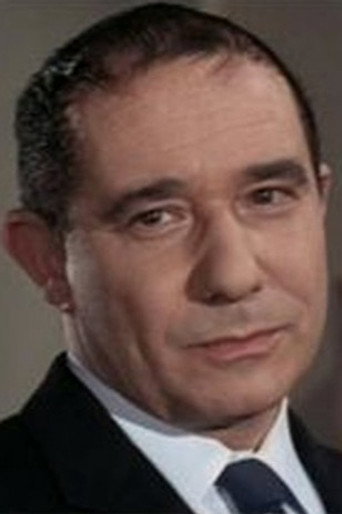 Carl DueringDr. Brodsky
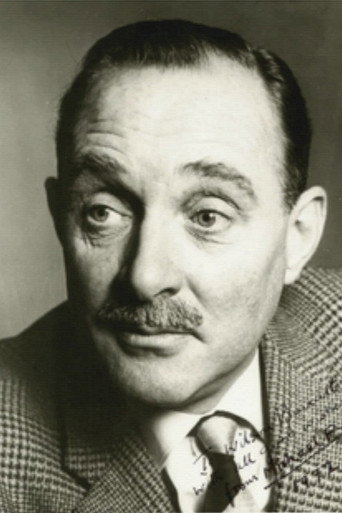 Michael BatesChief Guard
 James MarcusGeorgie
 Michael TarnPete
 Miriam KarlinCatlady
 Adrienne CorriMrs. Alexander
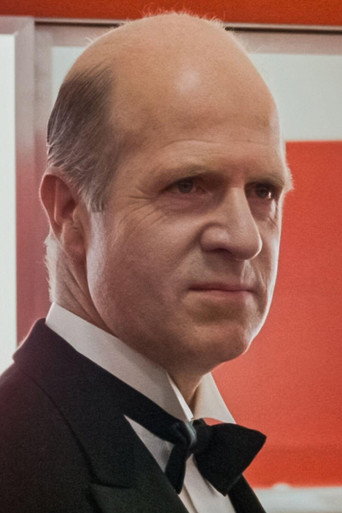 Philip StoneDad
 Aubrey MorrisDeltoid
Directing
- Derek CracknellAssistant Director
- Dusty SymondsAssistant Director
- June RandallContinuity
- Stanley KubrickDirector
Writing
- Anthony BurgessNovel
- Stanley KubrickScreenplay
Production
- Bernard WilliamsAssociate Producer
- James LiggatCasting
- Max L. RaabExecutive Producer
- Si LitvinoffExecutive Producer
- Terence A. CleggLocation Manager
- Stanley KubrickProducer
- Len BarnardProduction Accountant
Recommended by
One Flew Over the Cuckoo's Nest, Kingsman: The Secret Service, The Stanford Prison Experiment, if...., Straw Dogs, The Man Who Fell to Earth, THX 1138, Joker, High-Rise, Nineteen Eighty-Four, Fahrenheit 451, Rollerball