
Film
Assault
- Serial killer
- Crime thriller
- Very dark
A 1971 British thriller about a schoolteacher who becomes bait for a serial attacker after assaults terrorize her community. Raw and unflinching, it treats its violent subject with genuine gravity rather than exploitation. The film moves with procedural precision while building genuine dread—tense, intelligent, and morally complex for its era.
Should you watch it?
Watch it if you like slow-burning British thrillers where the dread gathers in the local woods and the investigation is driven by an ordinary woman's stubborn nerve.
Skip it if you find sexual violence against schoolgirls too close to the bone, or want the mystery to move briskly; this bleak, deliberate 1971 picture lingers on its victims' fear.
What it asks of you: Ninety-one minutes, unhurried in its middle stretch, with a grim, unflinching tone and your full attention for the moments when the suspense tightens.
Not sure? Find tonight's pick in a minute.
If you liked this
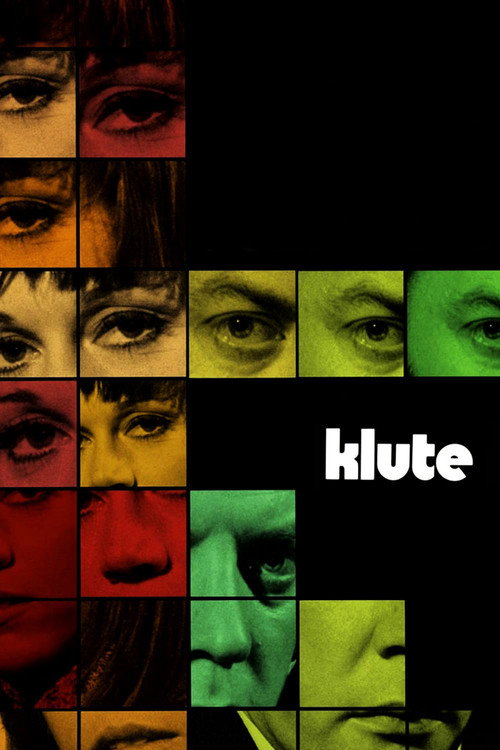
Klute1971
A contemporary thriller about a woman navigating danger in the city with intelligence and agency. Jane Fonda's performance crackles with specificity, and the film trusts its audience to sit with moral ambiguity and fear without looking away.
But The pacing is deliberate and unglamorous. It's a thinking person's thriller, which means long stretches of quiet investigation punctuated by moments of real dread.
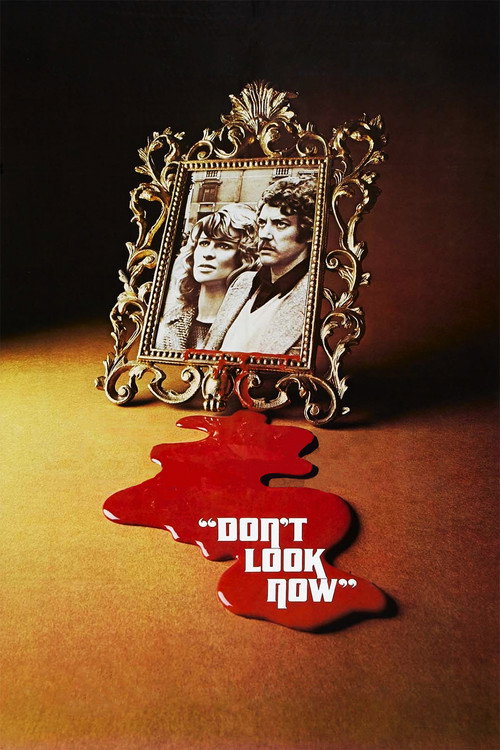
Don't Look Now1973
A masterpiece of atmospheric dread set in Venice. Nicolas Roeg transforms a simple premise into an experience of suffocating paranoia and inexplicable danger that lingers long after the credits roll.
But It's deliberately opaque about its own logic. You'll feel unsettled and uncertain—some viewers need clearer explanations than it provides.
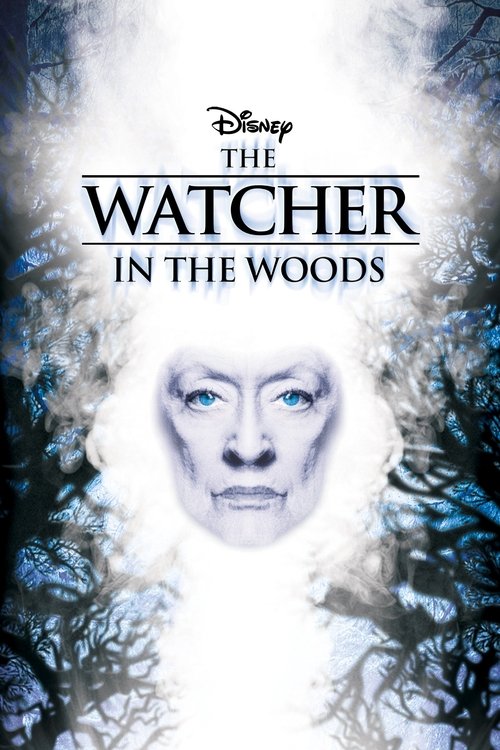
The Watcher in the Woods1980
A rare mainstream thriller genuinely interested in the psychology of female fear and community trauma. Taut, visually accomplished, and unafraid to suggest that some terrors resist easy resolution.
But Disney's 1980 release was heavily recut, and the available versions can feel choppy. The ending divides audiences sharply.
Not sure tonight? Get a pick in a minute, starting from Assault
The wildcard
Something you would not have found on your own.
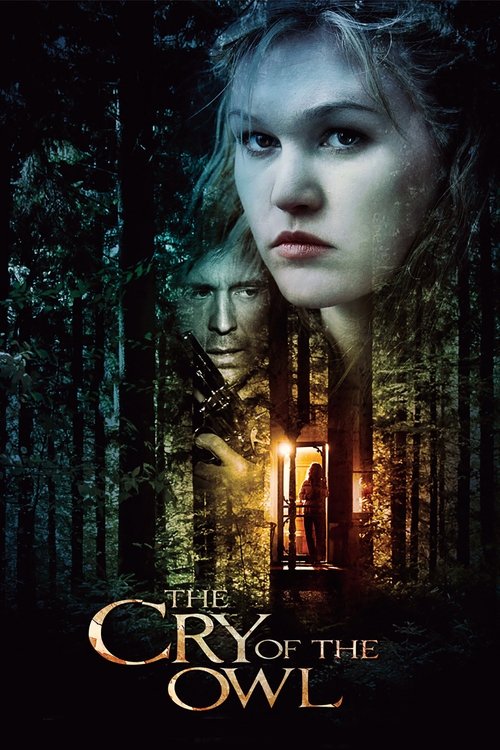
The Cry of the Owl2009
Both *Assault* and *The Cry of the Owl* pivot on public accusation and the way suspicion can reshape identity. One film puts a woman in danger of being believed; the other puts a man in danger of being disbelieved. Both examine how we weaponize certainty.
Adapted from Highsmith (like several thrillers here), this French-Canadian film transposes the wrongly-accused premise into intimate psychological territory. A man is mistaken for a predator and watches himself consumed by accusation. The reversal is audacious and morally clarifying.
But It's quieter and smaller than you'd expect from a thriller. There's no cathartic action—just mounting dread and the corrosion of identity, which some find tedious.
More like this (8)
In a Lonely Place1950
Humphrey Bogart as a volatile man under suspicion for murder he didn't commit. A masterwork about paranoia, public judgment, and the thin line between accusation and guilt that remains devastatingly relevant.
But It's psychologically bleak and offers no comforting resolution. The romance at its core crumbles rather than soars, which can feel depressing rather than cathartic.

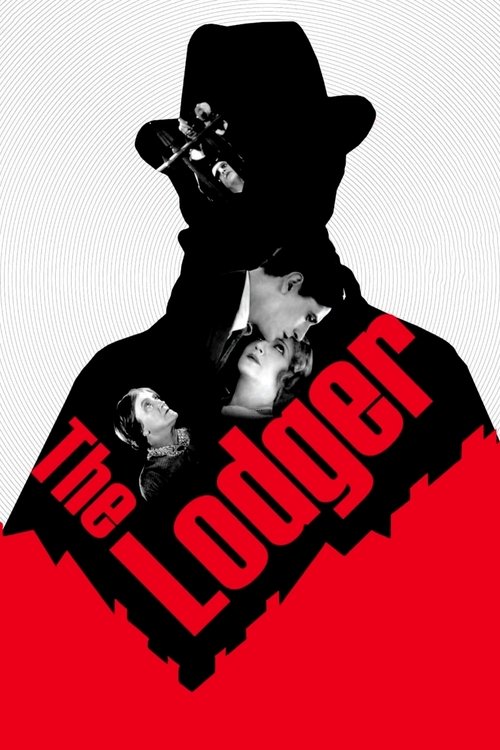
The Lodger: A Story of the London Fog1927
Hitchcock's silent masterpiece about a mysterious tenant and community terror. The visual language of suspicion—glances, shadows, staircases—creates dread without a single word, proving fear doesn't need sound.
But It's nearly a century old and demands patient viewing. The intertitles and pacing will test anyone weaned on modern cinema.
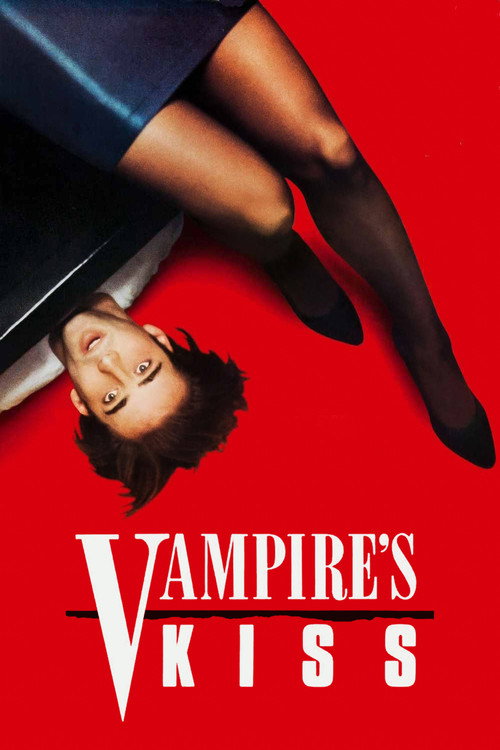
Vampire's Kiss1989
Nicolas Cage descends into absolute psychological breakdown over ninety minutes. The film is grotesque, hilarious, and genuinely unsettling—a portrait of a man unmade by obsession and paranoia.
But It's deeply weird and aggressively unpleasant. Cage's performance is unhinged in ways that some find unwatchable rather than hypnotic.
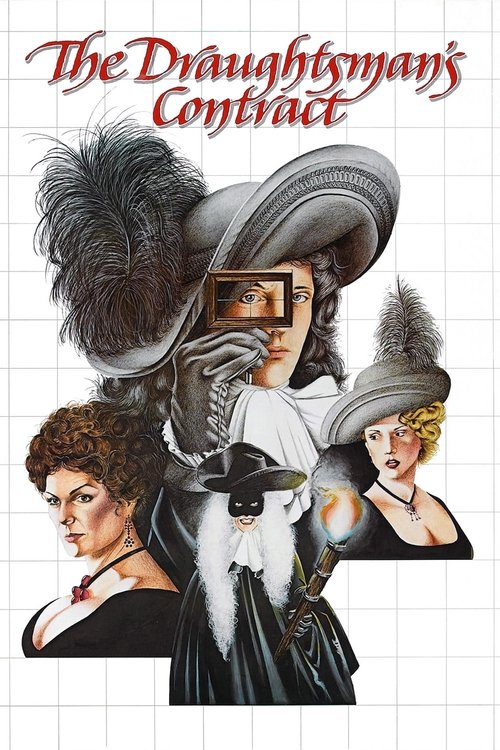
The Draughtsman's Contract1982
Peter Greenaway's baroque mystery about a man commissioned to draw a country estate, only to discover he's been used as a pawn in a violent conspiracy. Visually sumptuous and intellectually vicious.
But It's deliberately mannered and arch. The obscurity of its plot and the theatrical distance of its performances frustrate viewers wanting clarity and warmth.
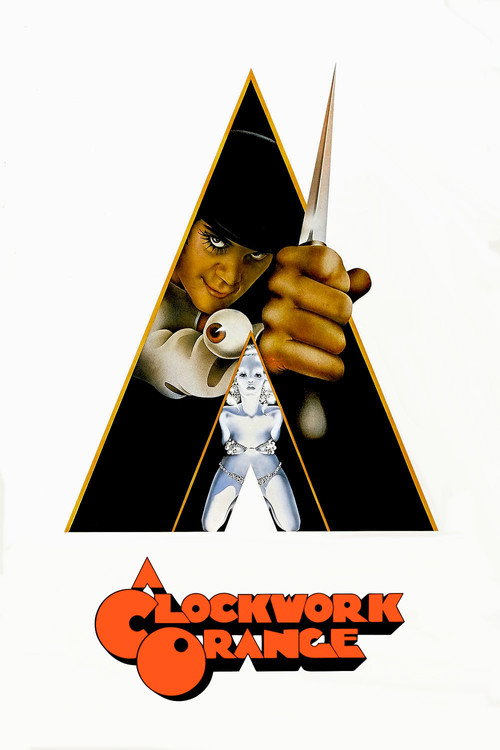
A Clockwork Orange1971
Kubrick's controversial masterpiece about violence, free will, and social control. Technically brilliant and morally complex, it refuses to give audiences easy answers or comfortable distance from its own provocations.
But The opening sequences are brutal and misogynistic. Even those who admire the film acknowledge it tests limits deliberately—it's meant to disturb you fundamentally.
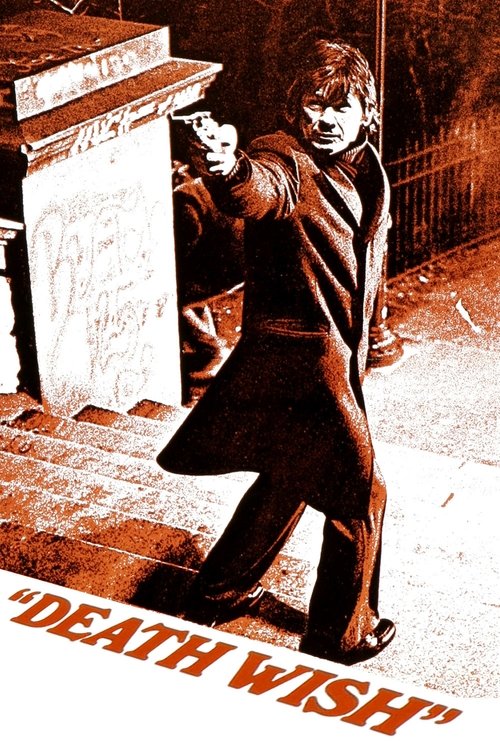
Death Wish1974
Charles Bronson as a man radicalized by violence into vigilantism. A lean, efficient thriller that engages with urban terror and cycles of brutality with more moral seriousness than its pulpy premise suggests.
But It's a revenge fantasy that can read as encouraging exactly what it depicts. The politics are muddled, and that muddiness feels increasingly uncomfortable with each viewing.
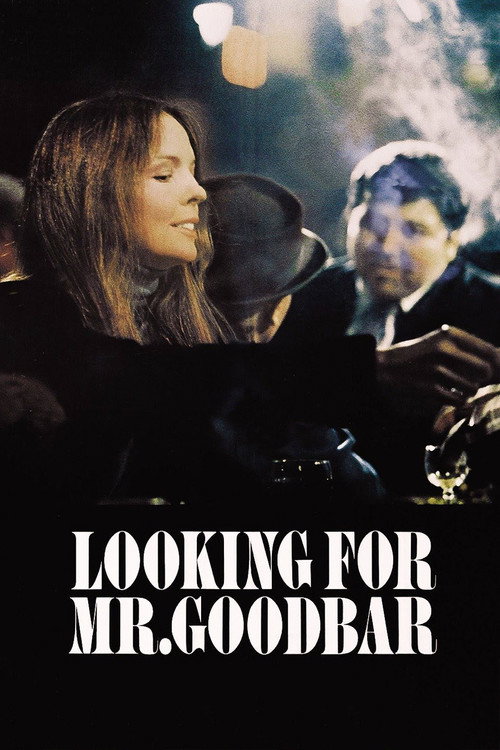
Looking for Mr. Goodbar1977
Both films center on women who transgress expected boundaries and face violent consequences in a society that polices female independence. Neither film blames the victim, but both insist on the genuine danger that defiance can invite—a radical honesty for their respective eras.
Diane Keaton in a role that explodes her image: a Catholic schoolteacher living a double life of sexual freedom and hunger. Grim, unglamorous, unforgettable—a direct examination of female agency and its costs that refuses to moralize.
But The violence is sudden and real. Some viewers find it exploitative; others find the refusal to condemn the victim even more unsettling. It doesn't provide emotional resolution.
Memories of Murder2003
Like *Assault*, it refuses to treat crime as narrative fodder. Both films ask hard questions about how communities respond to predation, how institutions fail victims, and whether procedural justice ever actually arrives. Both are driven by genuine rage at systems that protect predators more readily than prey.
Bong Joon-ho's masterpiece about serial murders in 1980s South Korea. A policeman and detective hunt a killer while navigating political violence and institutional corruption. Operatic in scale, devastating in moral ambiguity.
But It's two and a half hours and works in a different visual and emotional language. The ending offers no closure and makes uncomfortable suggestions about justice and history that linger painfully.

People
Cast
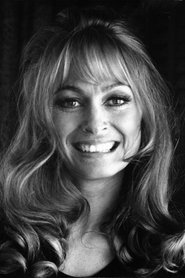 Suzy KendallJulie West
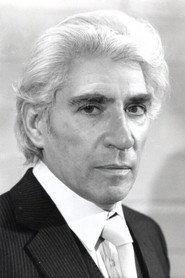 Frank FinlayDet. Chief Supt. Velyan
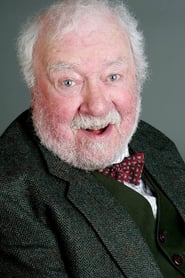 Freddie JonesReporter
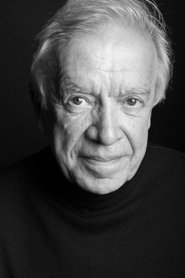 James LaurensonGreg Lomax
 Lesley-Anne DownTessa Hurst
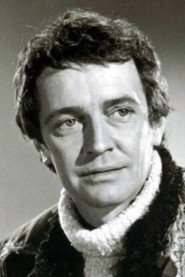 Tony BeckleyLeslie Sanford
 Anthony AinleyMr. Bartell
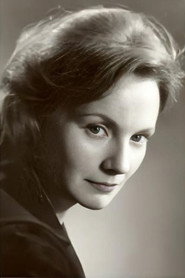 Dilys HamlettMrs. Sanford
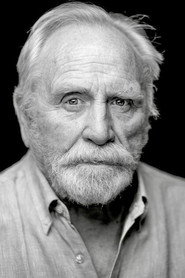 James CosmoDet. Sgt. Beale
 Marianne StoneMatron
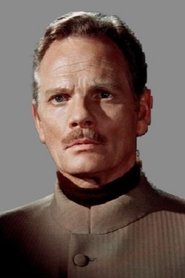 Allan CuthbertsonCoroner
- Kit TaylorDoctor
Directing
- Stuart FreemanAssistant Director
- Ene WattsContinuity
- Sidney HayersDirector
- Jan Darnley-SmithSecond Unit Director
Writing
- Kendal YoungNovel
- John KruseScreenplay
Production
- George H. BrownProducer
- Peter RogersProducer
- Tony WallisProduction Manager