
Film
Positive I.D.
- Social drama
- Con-artist caper
- Very dark
A 1986 thriller about a rape survivor who methodically constructs false identities, turning her trauma into a tool for control and reinvention. It's a raw, unsettling character study that treats its premise with genuine gravity—no exploitation, no catharsis, just a woman reclaiming agency through deception. For viewers drawn to psychological thrillers with conviction.
Should you watch it?
Watch it if you are drawn to quiet, character-led thrillers that treat trauma as a lingering psychological state rather than a set-piece, and you don't need the plot tied up neatly.
Skip it if you want the rape's aftermath handled with some distance or lightness; this is a grim, bleak study of a wounded woman and it offers little relief along the way.
What it asks of you: Its 95 minutes unfold at an unhurried pace, staying close to Julie's unease, so patience with silence and mood counts for more than tidy plot mechanics.
Not sure? Find tonight's pick in a minute.
If you liked this
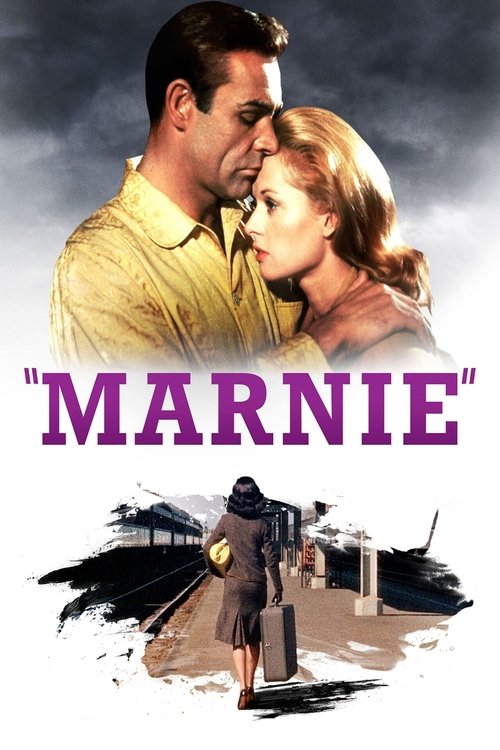
Marnie1964
Tippi Hedren as a compulsive liar and thief whose criminal impulses mask deeper wounds. Hitchcock examines how trauma warps identity and drives repetitive self-sabotage with the same cool precision Positive I.D. brings to its subject.
But The psychoanalytic ending hasn't aged well and can feel reductive by modern standards. Some find Hitchcock's clinical distance from his protagonist uncomfortable.
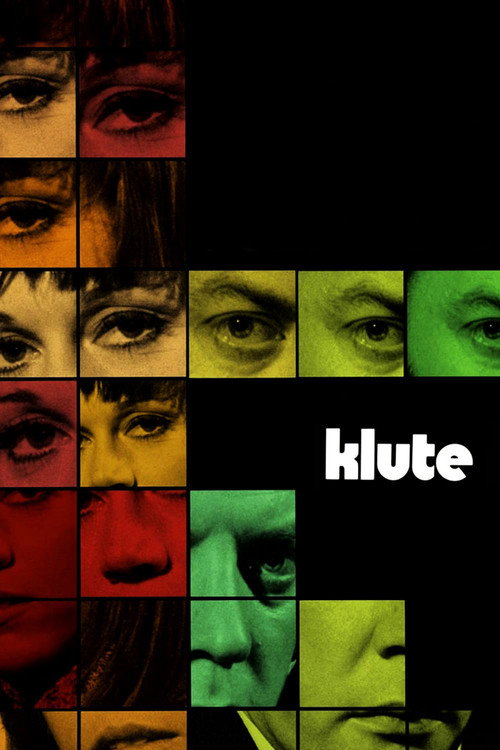
Klute1971
Jane Fonda as a sex worker entangled with a detective, navigating danger and autonomy. Like Positive I.D., it's a character-driven thriller fascinated by how women reclaim power within systems that threaten them.
But The pacing is deliberately slow and meditative. If you want plot momentum over psychological texture, this will feel static.
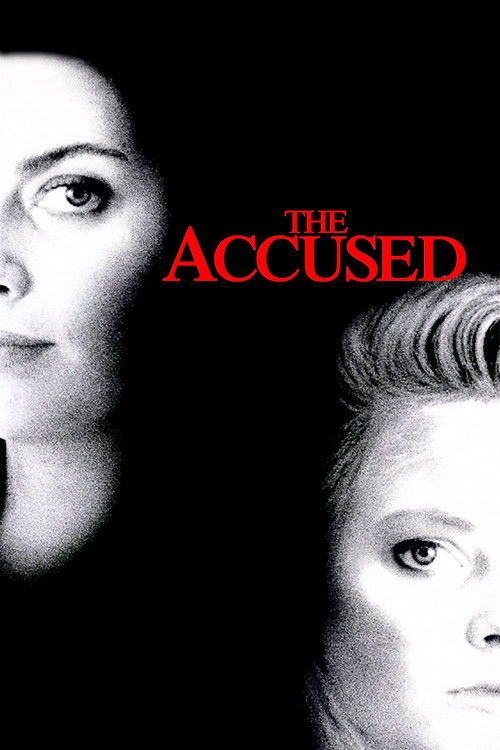
The Accused1988
Jodie Foster in a searing drama about a rape victim fighting for justice. Both films refuse to look away from trauma's aftermath or settle for easy resolution.
But Watching it means confronting a brutal assault scene. The courtroom drama format may feel conventional if you're seeking formal innovation.
Not sure tonight? Get a pick in a minute, starting from Positive I.D.
The wildcard
Something you would not have found on your own.
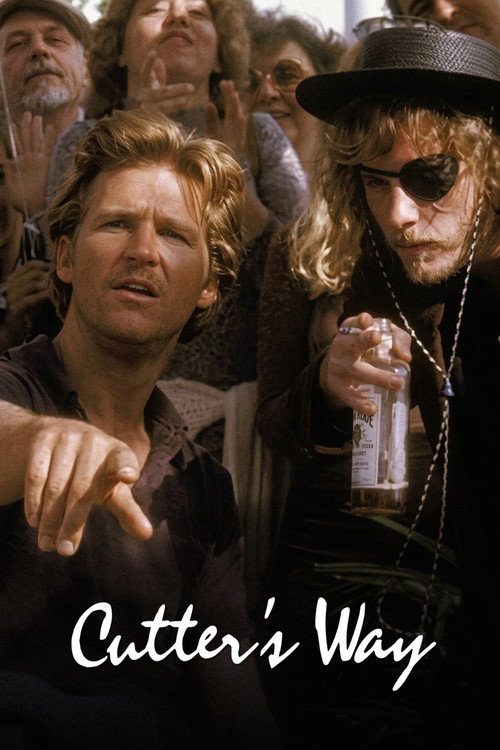
Cutter's Way1981
Both are about how sexual violence doesn't end—it metastasizes into obsession, deception, and a warped sense of justice.
A wounded Vietnam vet becomes obsessed with identifying and avenging a woman's rape. Where Positive I.D. turns inward, Cutter's Way turns the trauma outward—same wound, opposite response, equally unsettling.
But It's a '70s-style paranoia thriller that can feel nihilistic and unresolved. The pacing is deliberately ungainly.
More like this (8)
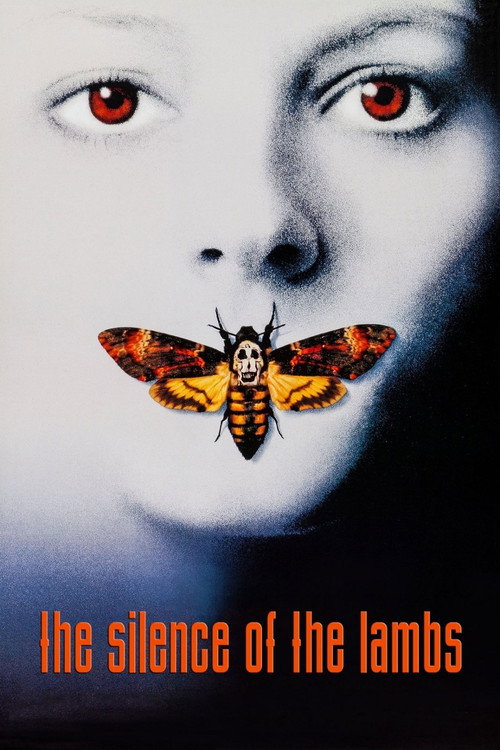
The Silence of the Lambs1991
Clarice Starling is a hunter who must inhabit the mind of her prey. Like Julie, she uses borrowed identities and psychological infiltration as survival tools in a male-dominated landscape.
But It's become a cultural monolith; you may feel you've already seen it. Hannibal Lecter can overshadow the film's subtler themes.
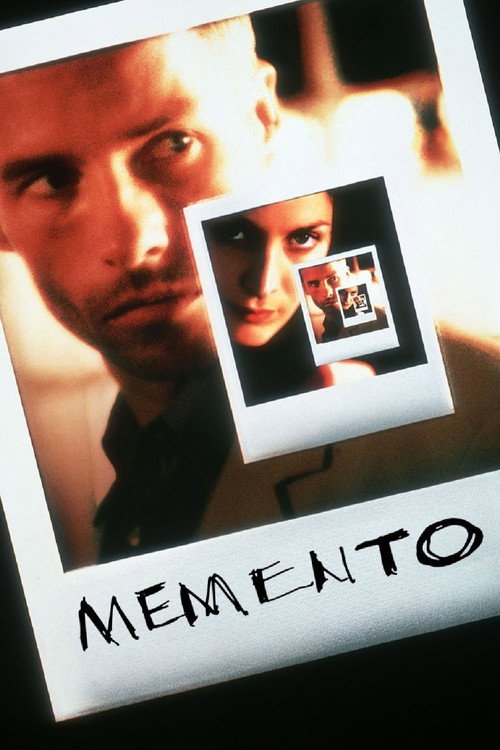
Memento2000
Leonard Shelby invents false narratives to make sense of trauma he can't remember. Both films explore how identity fractures under psychological pressure and how people weaponize reinvention.
But The reverse chronology can feel gimmicky on first viewing. Some find the structure distracting rather than meaningful.
Mulholland Drive2001
A woman constructs competing identities in Los Angeles; Lynch explores fractured selves with hypnotic ambiguity. Like Positive I.D., it treats false identities as both escape and trap.
But It's deliberately cryptic and doesn't offer answers. If you need narrative clarity, this will frustrate you.

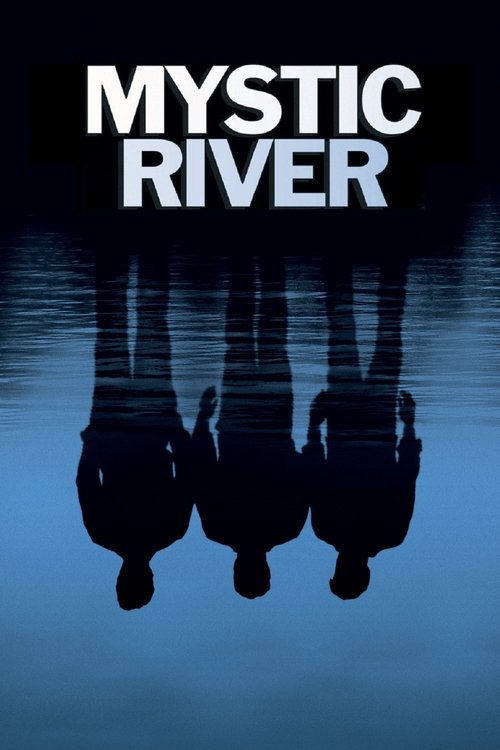
Mystic River2003
Trauma reshapes three men's identities and choices across decades. Eastwood examines how violence doesn't end with the crime; it rewrites who survivors become.
But It's bleak and glacially paced. The film's brutality and lack of redemption aren't for everyone.
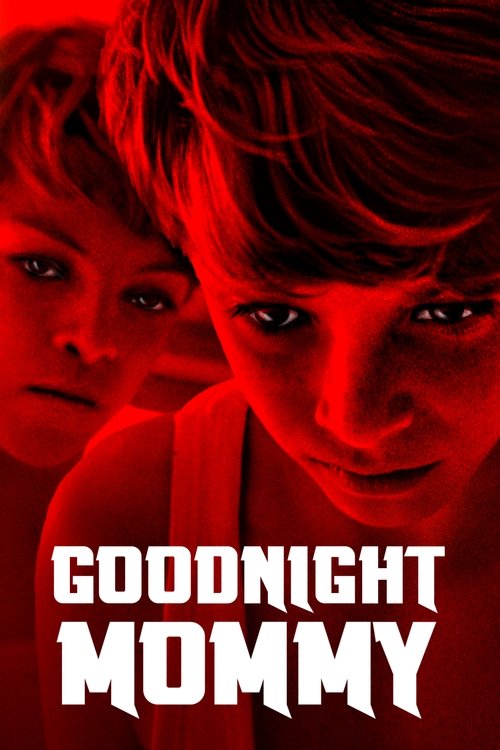
Goodnight Mommy2015
An Austrian horror film about fractured identity and the rupture of trust after trauma. Visually and tonally unsettling in ways that echo Positive I.D.'s refusal to comfort the viewer.
But It's horrifying and punishing. The twist is shocking but may feel exploitative; definitely not mainstream viewing.
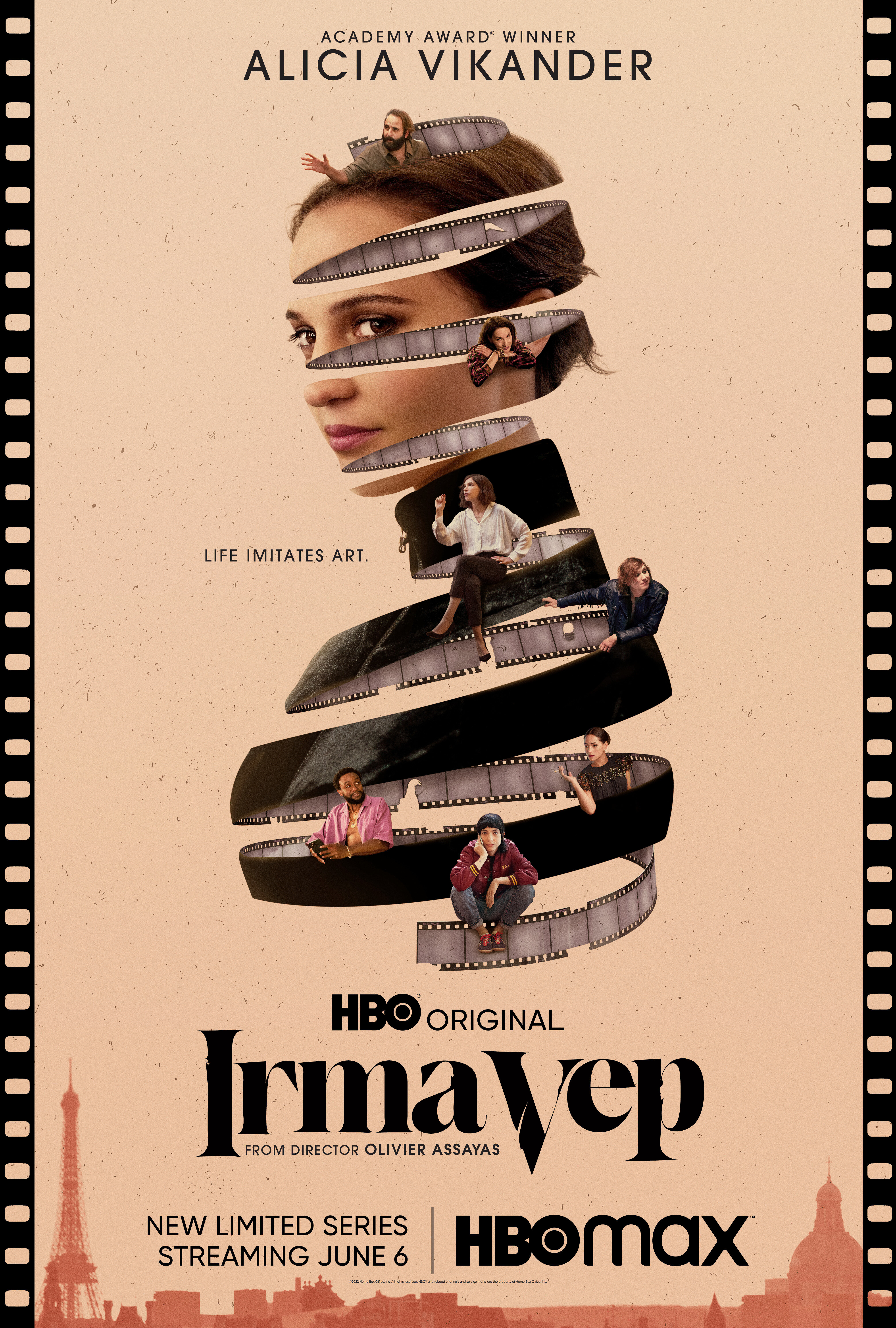
Irma Vep2022
Alicia Vikander plays an actress remaking a lost film, exploring identity through performance and obsession. A meditative, contemporary take on fractured selfhood and artistic reinvention.
But It's deliberately fragmented and experimental. Linear storytelling and clear plot beats are minimal.
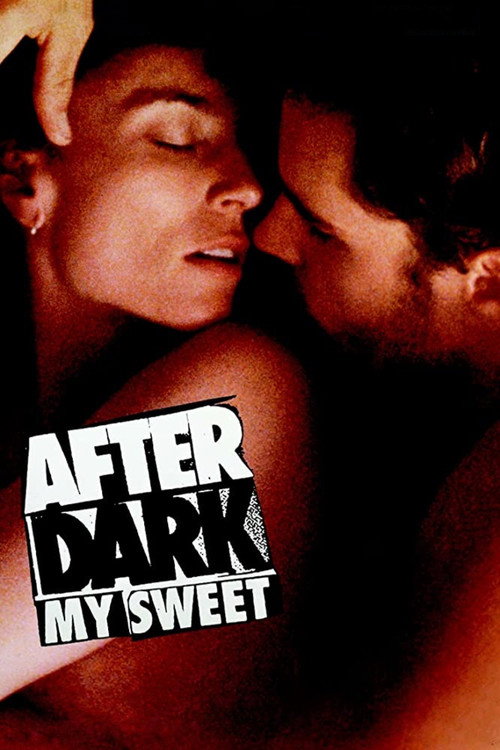
After Dark, My Sweet1990
Both films treat identity as a tool for survival in dangerous situations, exploring how deception can be both liberation and imprisonment.
A man stumbles into a kidnapping scheme and loses track of his own identity and moral agency. Like Julie, the protagonist uses false personas and reinvention to survive, but here the stakes are criminal instead of personal.
But It's a neo-noir with a confused, unstable protagonist—sympathetic but not heroic. Many viewers find its moral murkiness alienating.
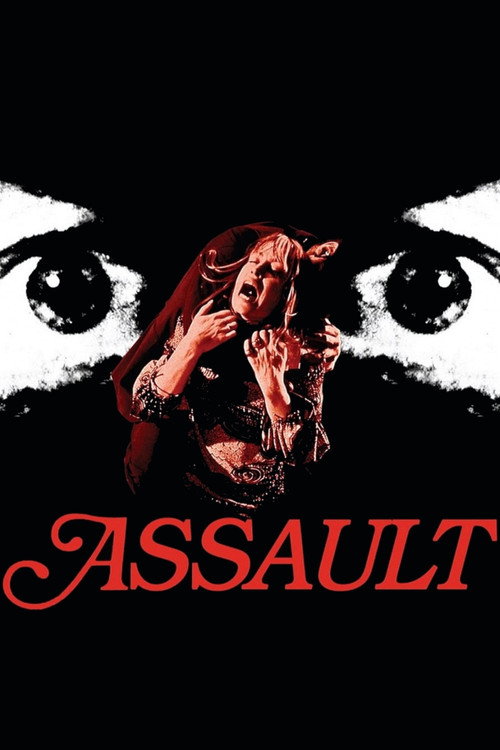
Assault1971
Both are austere studies of post-assault agency that predate the victim-empowerment narrative. Neither is interested in making trauma digestible.
A French thriller about a schoolteacher tracking her rapist. Raw and procedural, it's a European predecessor to Positive I.D., made before victim trauma was a marketable genre. Genuinely difficult to watch.
But It's obscure, subtitled, and offers no catharsis—just grim, unflinching documentation of one woman's private reckoning.
People
Cast
 Stephanie Rascoe MyersJulie Kenner / Bobbie King
 John S. DaviesDon Kenner
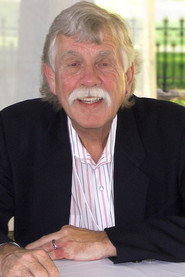 Steven FromholzRoy Mercer
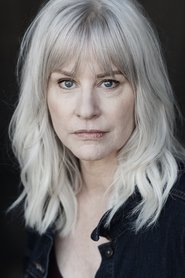 Lauren LaneDana
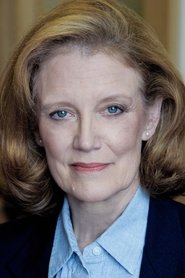 Gail CronauerMelissa
- John WilliamsonScotty
- Matthew SacksMr. Tony
- Audeen CaseyDr. Sterling
- Steven Jay HoeyJohnny
- Raul FloresGino
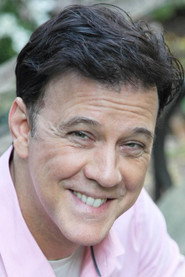 Pat DwyerGun Salesman
- Robert J. CastaldoManager of Sleazy Hotel
Directing
- Lisa LancasterAssistant Director
- Andy AndersonDirector
- Anne Marie BiondoFirst Assistant Director
Writing
- Andy AndersonWriter
Production
- Lisa LancasterCasting
- Andy AndersonProducer