
Television series
Irma Vep
Other titles called Irma Vep: the 1996 film.
Alicia Vikander plays an American film star fleeing heartbreak and career malaise to Paris, where she's cast in a daring remake of a silent crime classic. The eight-episode series elegantly blurs the line between her real life and the seductive fictional character she inhabits, asking whether art consumes us or saves us. It's intellectually playful without being precious—smart people being cleverly confused, in gorgeous light.
Should you watch it?
Watch it if you love movies about making movies, where a performer's real life and her role start leaking into each other, and you enjoy a wry, self-aware tone that never fully settles.
Skip it if you want a propulsive crime story, because the thriller here is only a backdrop and the plot drifts in loose, digressive circles.
What it asks of you: Eight episodes of roughly fifty minutes, unhurried, with long stretches of watching people rehearse, argue and shoot, so patience for mood over momentum pays off.
Not sure? Find tonight's pick in a minute.
If you liked this
The Comeback2005
A brilliantly uncomfortable mockumentary about an aging actor trying to revive her career. Same DNA as Irma Vep: the performance of self, the camera's intrusion into vulnerability, comedy emerging from genuine pathos and delusion.
But The found-footage format and cringe humour feel dated now. It's exhausting in places, which is intentional but sometimes tests your patience.

Mulholland Drive2001
David Lynch's fever dream about an actress in L.A. asking the same questions Irma Vep does: who are you when you're performing? The mood is darker but the architecture—fiction and reality melting—is identical.
But It's a puzzle-box that doesn't entirely solve itself. If you need answers, you'll leave frustrated.

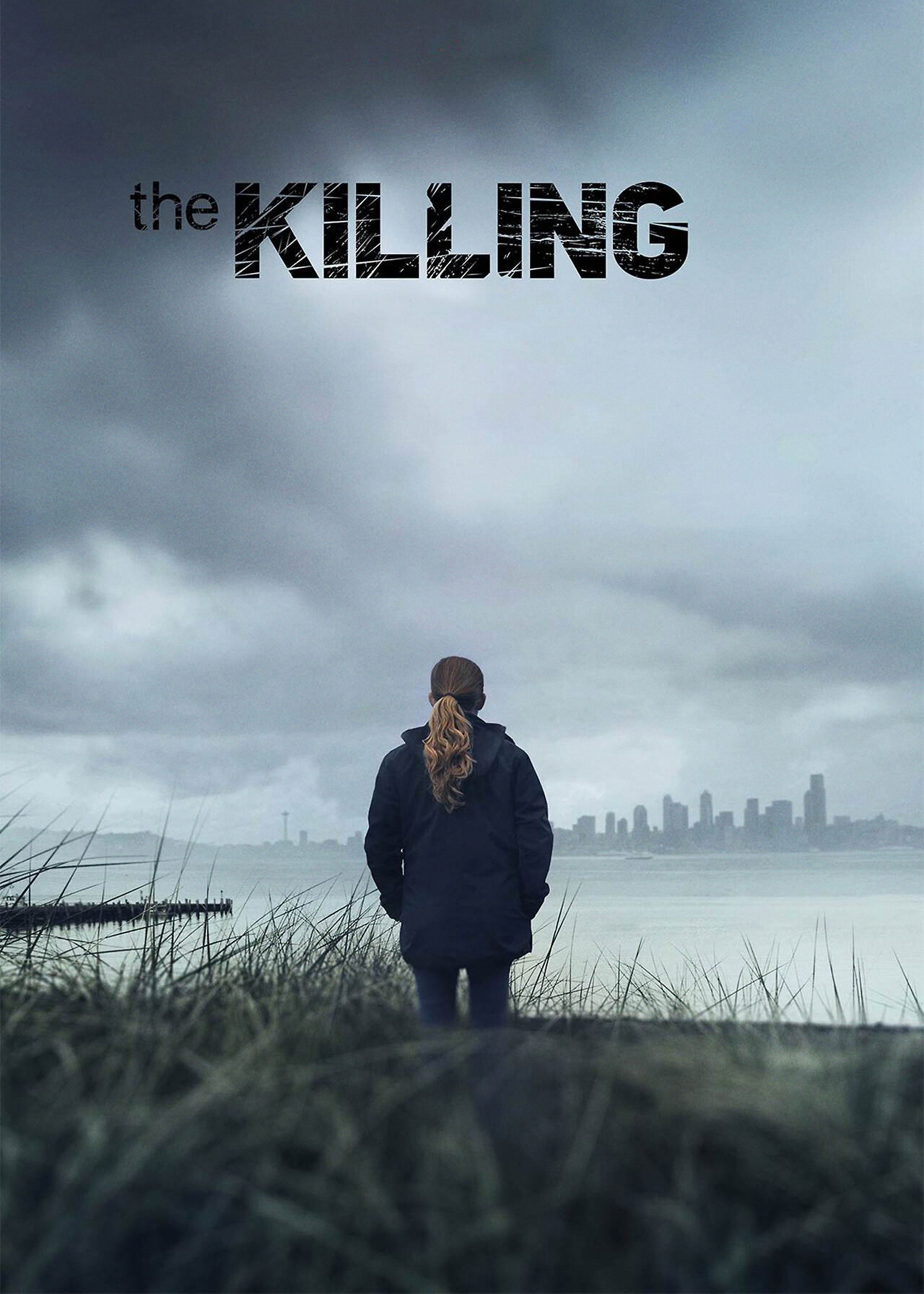
The Killing2011
Sarah Lund hunts a killer across a brilliant, wintry Copenhagen. Like Irma Vep, it's about character work and mood over plot mechanics. Scandinavian restraint and emotional depth—every gesture matters.
But It's slow and genuinely bleak. There's no lightness here, and the ending divides people sharply.
Not sure tonight? Get a pick in a minute, starting from Irma Vep
The wildcard
Something you would not have found on your own.
Jeanne Dielman, 23, quai du Commerce, 1080 Bruxelles1976
Both films treat the everyday as cinematic material. Both ask what happens when you look closely at a woman's life without judgment or artifice.
A woman spends three days maintaining her apartment and her routine. Chantal Akerman's three-hour masterpiece is radically attentive to ordinary life—the opposite of cinema as spectacle. Mira's crisis is about distinguishing real life from performance; Akerman's film asks whether that distinction even exists.
But It is deliberately, uncompromisingly boring. There is no plot, no music, no artifice. You will wonder if you're wasting your time.

More like this (8)
Contempt1963
Godard's film about a marriage dissolving on a film set is the spiritual ancestor of everything Irma Vep does. It's gorgeously shot, meta without being knowing, and asks serious questions about art, desire, and authenticity.
But Godard in 1964 is not everyone's idea of entertainment. It moves at its own pace and expects you to sit with discomfort.

Russian Doll2019
A woman trapped in a time loop, questioning identity and reality with deadpan humour and real sadness. Like Irma Vep, it's formally inventive, deeply human, and funny in ways that ache.
But The second season loses the sharp focus of the first. Some narrative choices feel self-indulgent rather than earned.

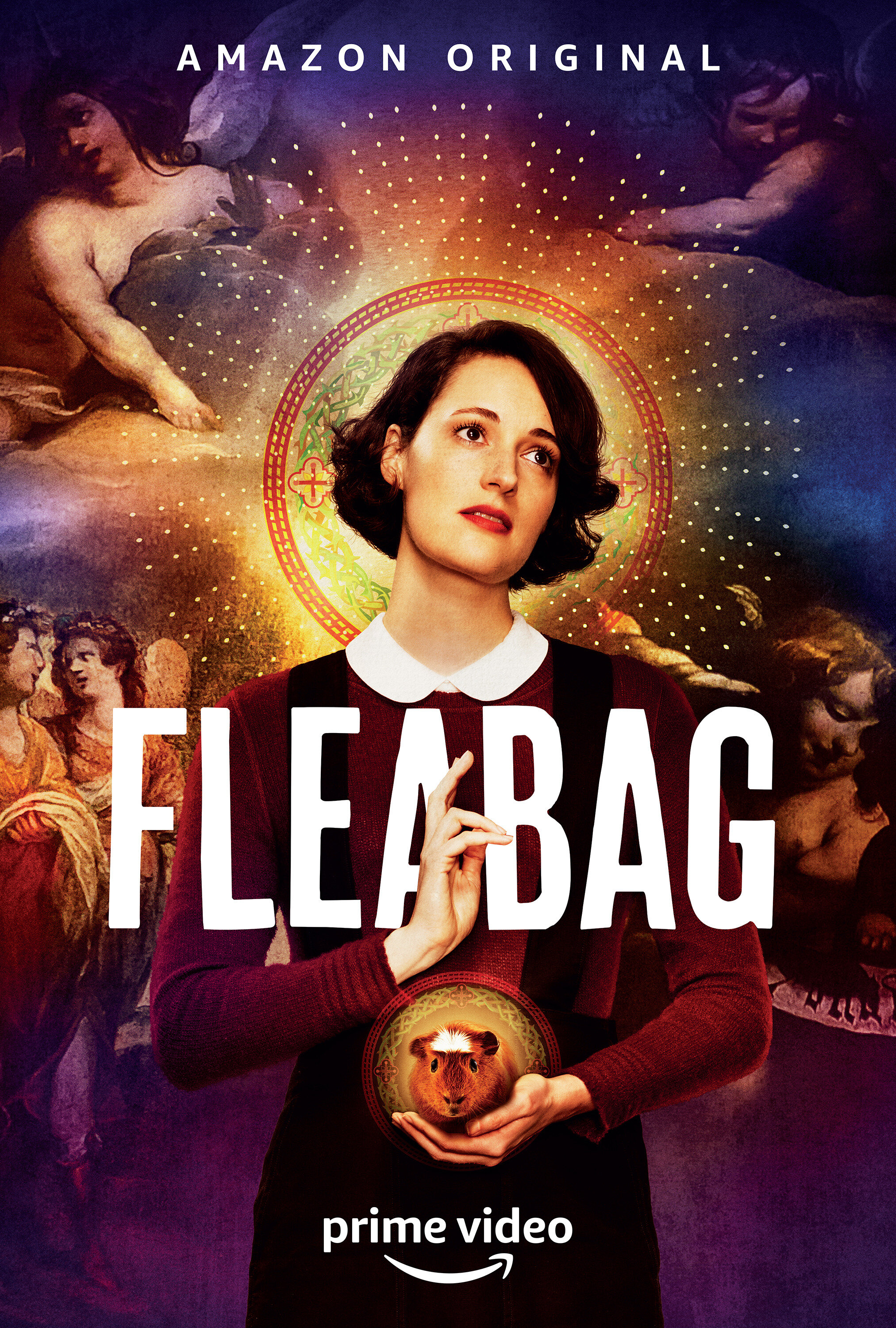
Fleabag2016
A woman performs a version of herself for the world while falling apart. The direct address to camera, the gap between exterior and interior self, the wit masking pain—it's Irma Vep's closest television cousin.
But Everyone has already seen it. You're not discovering anything, just catching up.
La Haine1995
A French film about three young men in the banlieue, shot in gorgeous black-and-white with real energy and moral clarity. It shares Irma Vep's investment in French cinema as a living, urgent thing.
But It's a portrait of systemic rage and despair. There's catharsis but no comfort, and that's the point.

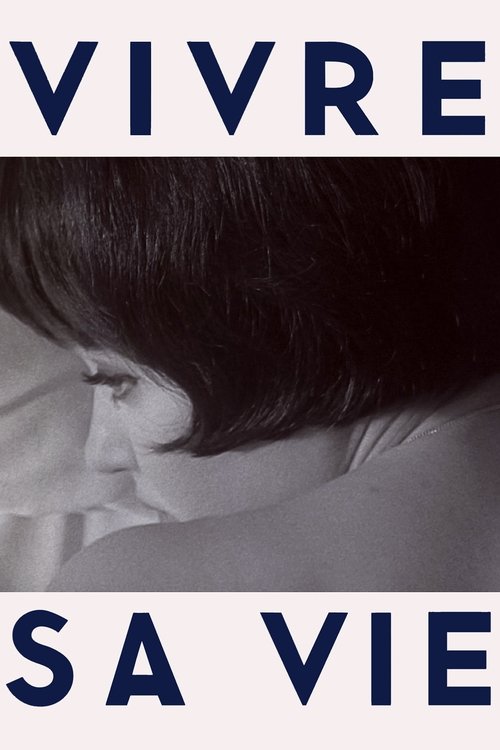
Vivre Sa Vie1962
A documentary essay about Godard's work and ideas. If Irma Vep left you wanting to understand the cinematic questions it's asking, this is a gateway into his world without needing to start with Breathless.
But It's conceptually dense and requires real attention. You won't absorb it passively.
Synecdoche, New York2008
Kaufman's baroque, devastating film about a theatre director whose art consumes his reality. Irma Vep's twin in ambitious confusion—both ask how we make meaning from our own lives.
But It's three hours long and genuinely exhausting. The ambition doesn't always land, and some sequences feel indulgent.

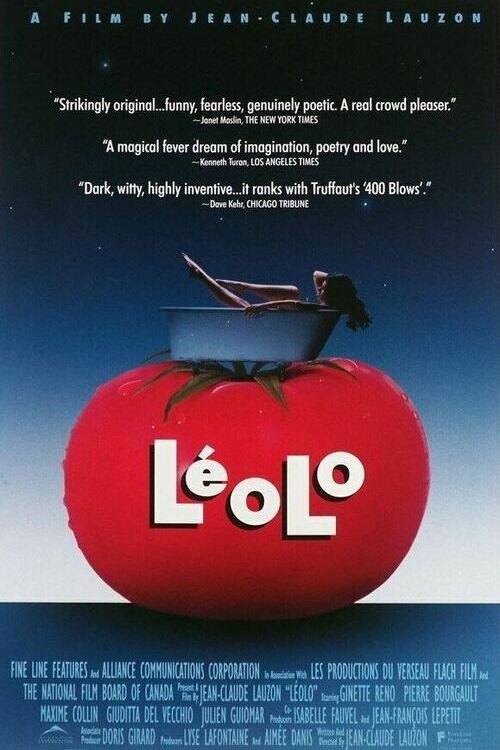
Léolo1992
Both films trust the camera to reveal truth through artifice and distortion. Both collapse the boundary between internal and external reality as a formal and philosophical choice.
A fever dream of a film from Québec about a boy escaping poverty through imagination and delusion. Gorgeously surreal, tender, perverse, and utterly alive. What Irma Vep does with an American actress's crisis of identity, Léolo does with a child's interior world.
But It's genuinely strange and sometimes grotesque. If you need narrative clarity or emotional comfort, you won't find it here.
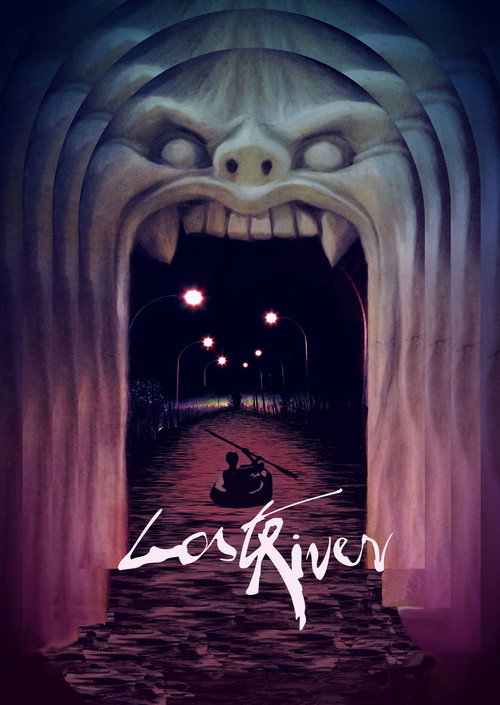
Lost River2015
Both films are about women performing identity under pressure—one in the apparatus of cinema, one in the machinery of poverty. Both filmmakers trust visual language over plot.
Ryan Gosling's only directorial effort: a fever-dream Americana film shot like a painting, with a woman at its centre trying to survive in a hollowed-out small town. It's formally audacious and deeply strange—cinema as aesthetic experience rather than story machine.
But It's divisive and sometimes pretentious. It looks incredible but asks a lot of the viewer and doesn't always justify the ask.
People
Cast

Writing
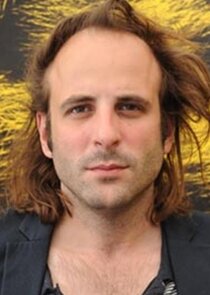
- Olivier AssayasCreator