
Film
Léolo
Léolo is a fever dream of a film about a Montreal boy whose inner life is so vivid and strange that he's convinced he's the son of a Sicilian tomato. It's part magical realism, part family portrait, entirely surreal. A film that moves like poetry, mixing grotesque comedy with genuine tenderness and sadness. It's for anyone who's ever felt fundamentally alien in their own family and found refuge in imagination.
Should you watch it?
Watch it if you love films where a restless inner life spills over into the frame, with dreamlike fantasy sequences, lyrical voiceover and a gritty street-level realism that refuses to tidy itself up.
Skip it if you need a clear through-line and gentle pacing, because this drifts through episodes of poverty, bruised family life and fever-dream digressions, and some of it is harsh to sit through.
What it asks of you: Across 107 minutes, hardship and imagination blur together until the boy's head sets the film's rhythm, so settle into a wandering attention rather than waiting for the plot to snap into place.
Not sure? Find tonight's pick in a minute.
If you liked this
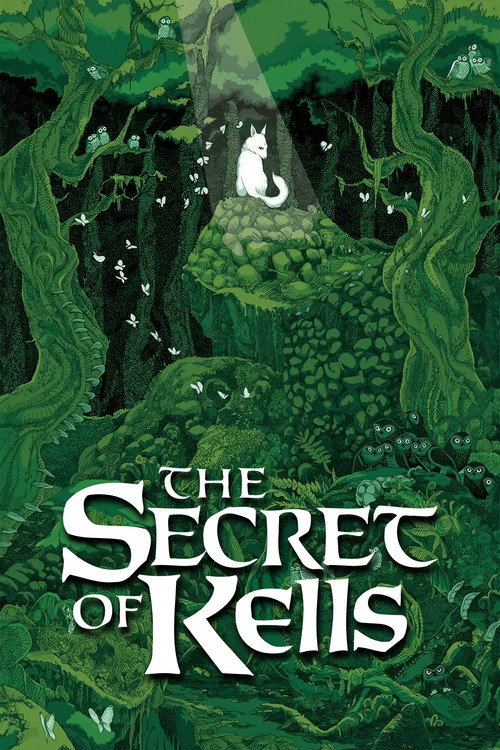
The Secret of Kells2009
A gorgeously animated fantasy about a boy discovering wonder and danger in the world beyond his sheltered existence. Like Léolo, it trusts visual poetry over plot and finds magic in the margins of ordinary life.
But The animation style is deliberately flat and stylized rather than naturalistic, which won't appeal to everyone. And it's gentler, less darkly funny than Léolo.
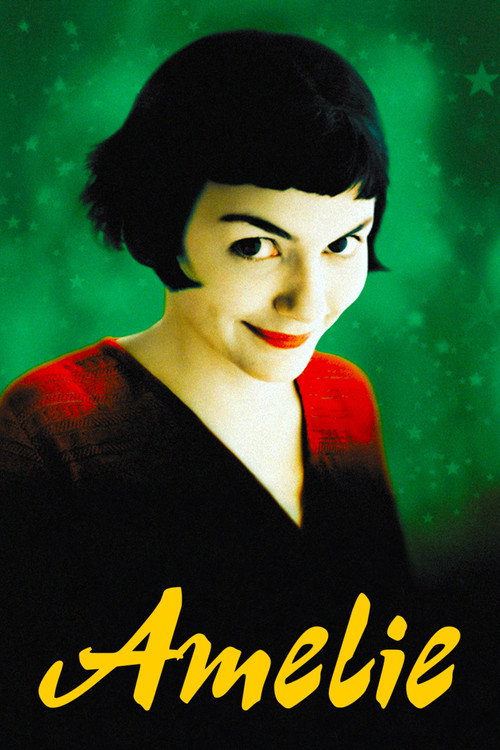
Amélie2001
Another film about an imaginative outsider who sees the world differently and orchestrates small transformations. It has the same whimsical tone and trust in magical thinking, though set in Paris rather than Montreal.
But It's far more conventionally charming and romantic. Léolo is weirder, more genuinely fractured. Amélie might feel saccharine by comparison.
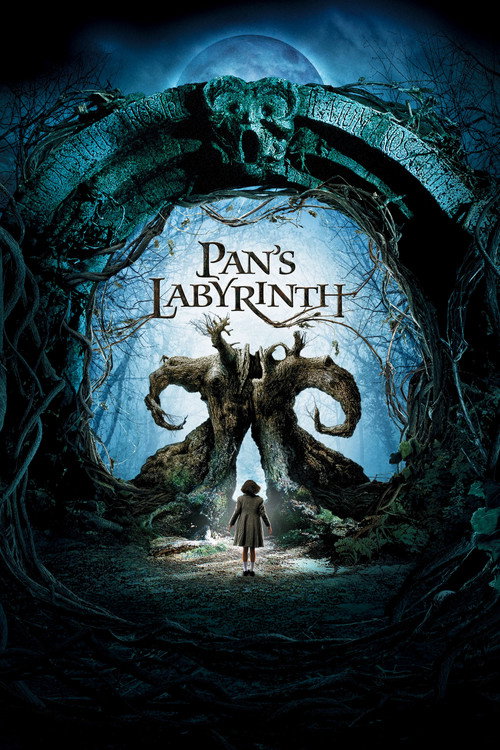
Pan's Labyrinth2006
A girl's vivid fantasy life becomes her refuge during the Spanish Civil War. Like Léolo, it blends the grotesque and the beautiful, treating imagination as survival rather than escape. Darkly poetic.
But It's more straightforwardly tragic and violent. Léolo has more absurdist humour mixed into its darkness, while this leans harder into horror and heartbreak.
Not sure tonight? Get a pick in a minute, starting from Léolo
The wildcard
Something you would not have found on your own.
Come and See1985
Both are coming-of-age films where a boy's inner world is the real story, but they show opposite directions: Léolo's imagination as refuge, Come and See as proof that refuge is impossible.
A boy's consciousness is shattered by war. A film of pure nightmare about how the world corrupts innocence. The connection: both are about how reality invades imagination, but this reverses Léolo—instead of imagination protecting the boy, the real world destroys everything he imagined.
But It is one of the most brutally difficult films ever made. Not dreamlike or absurdist—just relentlessly, unflinchingly cruel. Léolo's darkness is leavened with comedy and poetry; this has almost none.

More like this (8)
The Virgin Suicides2000
A family portrait told through fragmented, lyrical narration. Like Léolo, it's obsessed with how strangeness breeds inside ordinary homes and how adolescence can feel like living in another world entirely.
But It's quieter and more meditative than Léolo. The pacing is glacial in places, and the outcome haunts rather than amuses.

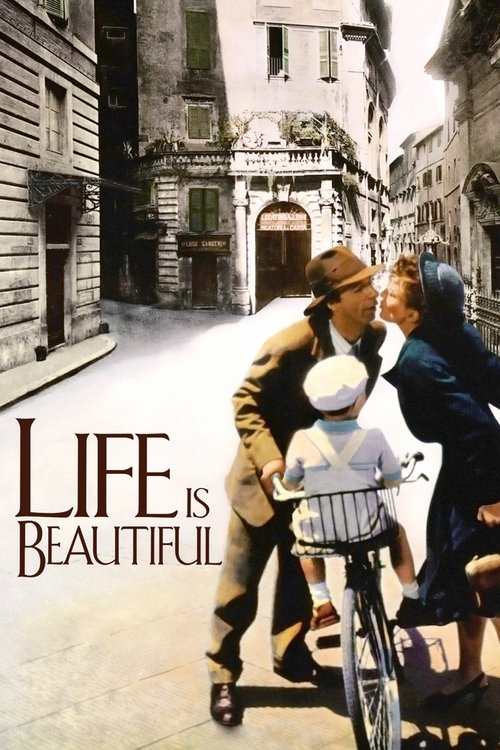
Life Is Beautiful1997
A father shields his son from the Holocaust through imagination and playful reframing. It shares Léolo's belief that the mind can transform reality, though it's more overtly sentimental about it.
But It can feel manipulative in its sentimentality. Léolo is far more unsentimental and willing to let things stay broken and absurd.
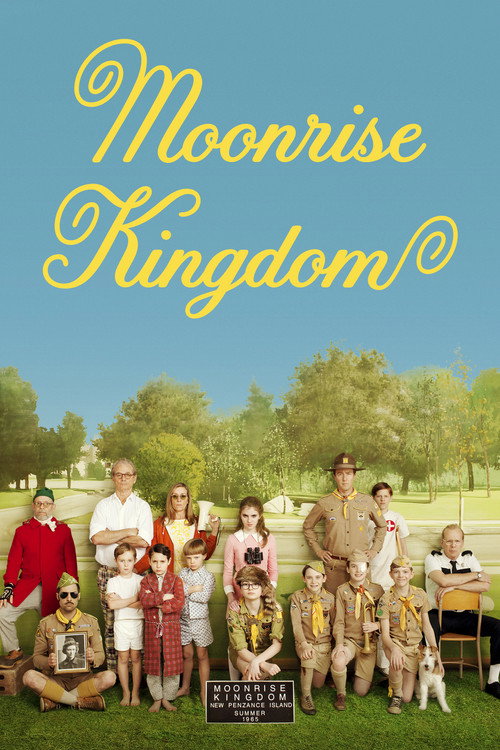
Moonrise Kingdom2012
Wes Anderson's film about two imaginative misfits who escape into their own world. It has Léolo's affection for the strange and damaged, and its distinctive visual language feels similarly dreamlike.
But It's aesthetically controlled and whimsical in a very deliberate way. Léolo feels more genuinely wild and uncontrolled, less choreographed.
A Prophet2009
A young man transforms his understanding of himself and the world around him through will and imagination. Like Léolo, it's about how an intense inner life can remake reality, though grounded in prison rather than childhood fantasy.
But It's a crime thriller, much more violent and adult. Léolo mixes genres in stranger ways; this is narratively more conventional.

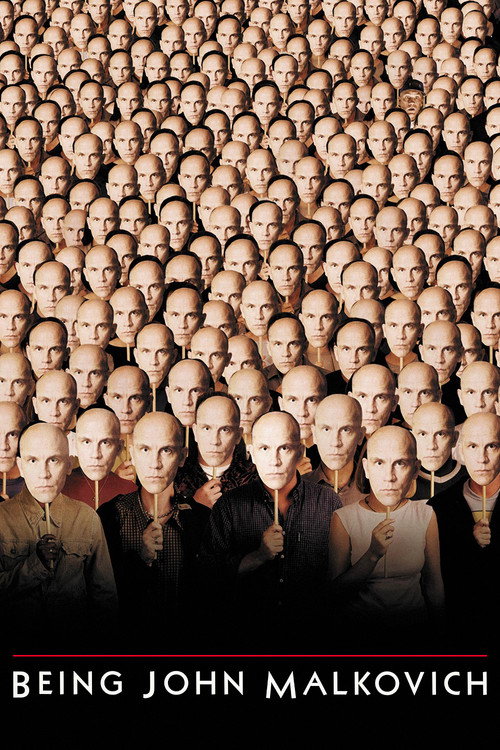
Being John Malkovich1999
Reality bends in bizarre, specific ways. Like Léolo, it's surreal without apology and treats the impossible as a starting point rather than a plot twist. It has similar narrative fearlessness.
But It's more intellectual and less emotionally grounded. Léolo's strangeness emerges from real family pain; this is more of a conceptual game.
The Florida Project2017
A child's imaginative joy persists even as her family's circumstances grow desperate. It shares Léolo's interest in how imagination protects and sustains, and how childhood wonder can coexist with real hardship.
But It's shot in naturalistic style and moves like realism. Léolo is visually surreal and formally fractured, which gives it a very different texture.

Synecdoche, New York2008
Both refuse conventional narrative structure and ask whether what's 'real' matters less than what's imagined. But Léolo is a boy's dream and Synecdoche is a middle-aged man's collapse; the registers are opposite.
A man's life becomes indistinguishable from his art, which becomes indistinguishable from reality. Like Léolo, it's formally daring, mixing registers wildly, and treats the boundary between inside and outside as permeable. Narratively anarchic.
But It's three hours long and gets increasingly oblique and difficult. Where Léolo is strange but propulsive, this can feel like watching someone's fever dream in real time—which is the point, but exhausting.

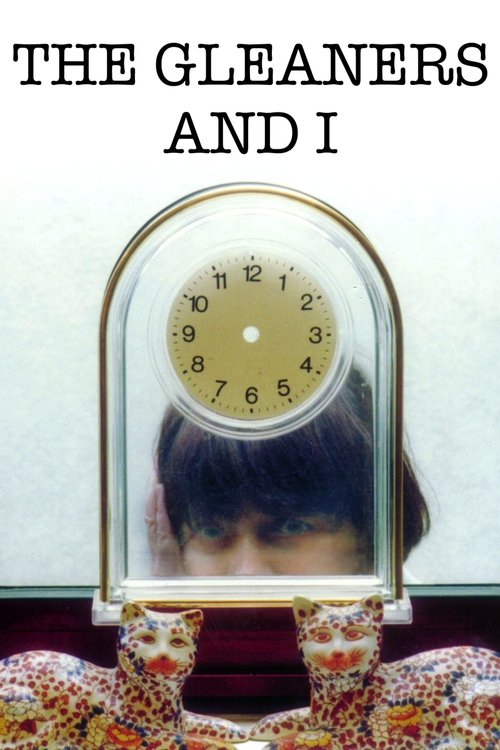
The Gleaners and I2000
Both are films built from debris and marginalia—things cast off or overlooked. Both find poetry in what culture throws away, whether it's childhood memory or literal garbage.
Agnès Varda's documentary about people who collect the leftovers of harvest and consumer culture. The connection: Léolo is a film made of emotional scraps and recycled memory, and Varda's film shares that poetic attention to what's been discarded and forgotten.
But It's a documentary, not narrative fiction. It moves like essay or meditation. There's no plot or characters in the traditional sense. If you're looking for story, this will feel like watching someone think out loud.
People
Cast
 Gilbert SicotteNarrator (voice)
 Maxime CollinLéolo
 Ginette RenoMother
 Julien GuiomarGrandfather
 Giuditta Del VecchioBianca
 Andrée LachapellePsychiatrist
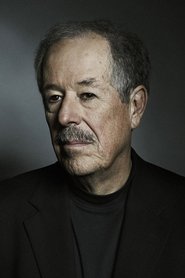 Denys ArcandDirector
 Germain HoudeTeacher
 Yves MontmarquetteFernand
 Lorne BrassFernand's enemy
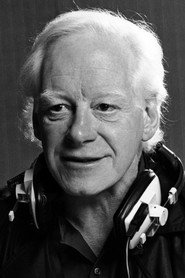 Pierre BourgaultWord Tamer
- Roland BlouinFather
Directing
- Jean-Claude LauzonDirector
Writing
- Jean-Claude LauzonScreenplay
Production
- Isabelle FauvelCo-Producer
- Jean-François LepetitCo-Producer
- Claudette ViauExecutive Producer
- Aimée DanisProducer
- Lyse LafontaineProducer