
Film
Heartbeats
Xavier Dolan's debut is a sunlit, dramatically heightened love triangle about two best friends—one gay, one straight—who fall hard for the same beautiful, ambiguous man. It's a movie that treats romantic obsession like a shared fever dream, bouncing between realism, fantasy and direct address with genuine tenderness underneath the stylish surfaces. For anyone who's loved someone they couldn't have, or loved a friend who loved the wrong person.
Should you watch it?
Watch it if you like unrequited longing treated with comic exaggeration, where slow-motion, fantasy inserts and direct-to-camera confessions carry the feelings more than the plot.
Skip it if you need a plot that moves forward, since this is mostly mood, repetition and stylised pining, and its self-consciously affected tone may feel precious after a while.
What it asks of you: Ninety-seven minutes, mostly light and quick, but it shifts between sharp comedy and sudden melancholy, and it wants you to stay with its restless style.
Not sure? Find tonight's pick in a minute.
If you liked this
Mulholland Drive2001
A fractured, obsessive narrative about desire and delusion in a beautiful city, told through dream logic and sudden tonal shifts. Like Heartbeats, it's less interested in plot than in the texture of wanting something you can't have.
But At 147 minutes it demands patience, and the final hour abandons conventional storytelling entirely. You may spend half the film confused, and that confusion is kind of the point.

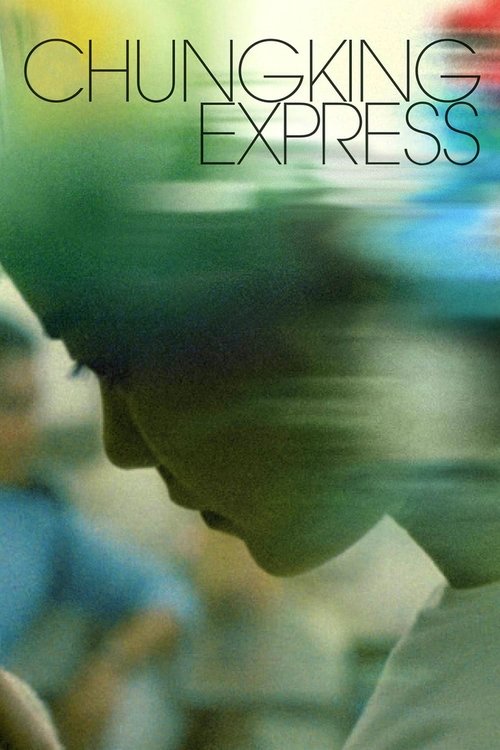
Chungking Express1994
Wong Kar-wai's masterpiece about loneliness and infatuation in a neon-soaked city. Like Heartbeats, it's visually rapturous about the small moments of connection—a handwritten note, a look—and treats romantic yearning as the whole point, not the setup.
But It's oblique, non-linear, and more interested in mood than explanation. If you need clarity and closure, this will frustrate you.
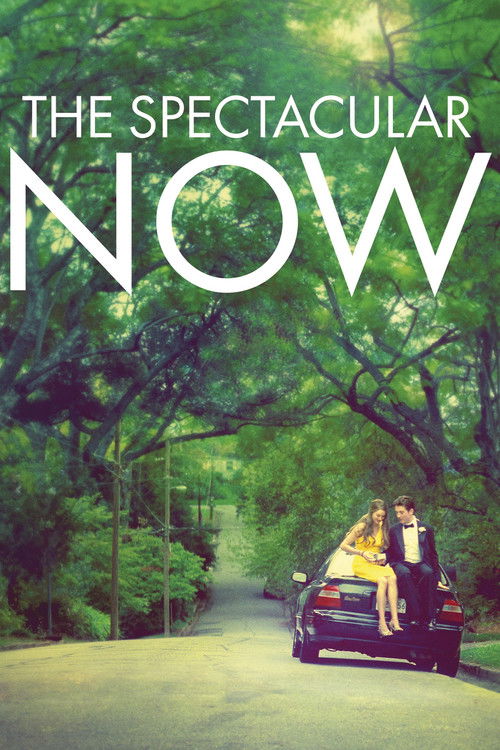
The Spectacular Now2013
A romance told with real affection for its characters' inner lives, balancing comedy and genuine emotion. It captures that same mixture of fantasy and reality that makes Heartbeats work—how love makes everything more dramatic, more beautiful, more cinematic.
But It's a teen romance that doesn't pretend to be anything else. If you need your drama to come with higher stakes or more world-changing consequences, this gentleness might feel slight.
Not sure tonight? Get a pick in a minute, starting from Heartbeats
The wildcard
Something you would not have found on your own.
The Killing of a Sacred Deer2017
Both use heightened artifice and formal precision to explore relationships as closed systems where characters are trapped by desire and obligation.
Yorgos Lanthimos makes ritualistic psychological horror out of obligation and debt, with the same architectural precision Dolan brings to emotion. Both films treat relationships as enclosed systems with their own terrible logic, where desire and power become inseparable.
But It's bleakly unsettling with an air of menace throughout. There's no warmth or beauty to soften it, and the ending will disturb you more than move you.

More like this (7)
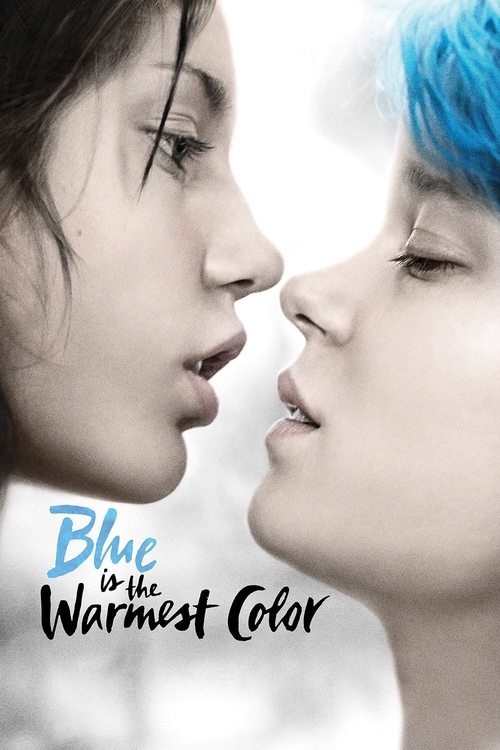
Blue Is the Warmest Color2013
A portrait of obsessive love between two women, rendered with physical intensity and emotional rawness. Both films treat erotic desire and emotional attachment as inseparable, and both let the feeling breathe for its full duration.
But The sex scenes are explicit and lengthy—not titillating, but demanding and sometimes uncomfortable. The film is nearly three hours, and repetition of certain scenes can feel deliberate rather than profound.
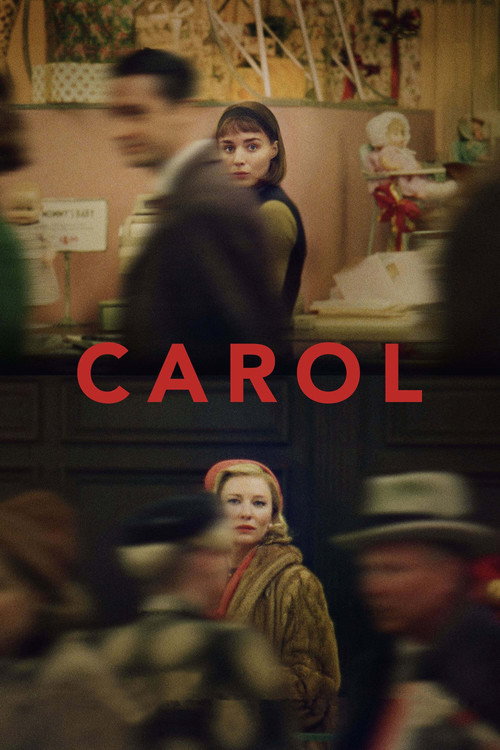
Carol2015
A love story between two women in 1950s America, told with painterly restraint and deep emotional intelligence. Like Heartbeats, it understands that sometimes the smallest gestures—a glance, a touch—contain everything.
But It's deliberately slow and quiet. Long stretches have minimal dialogue, and if you need narrative momentum you may find it glacial.
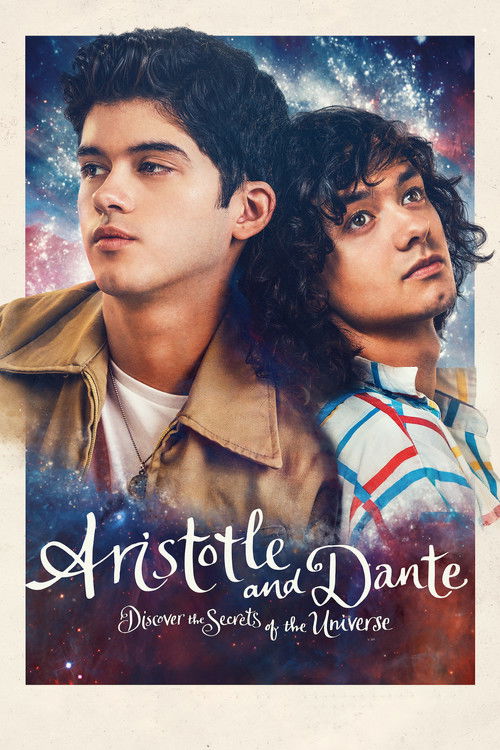
Aristotle and Dante Discover the Secrets of the Universe2023
Two boys falling in love during a summer, learning each other gradually. It has Heartbeats' understanding that first love is vivid and consuming, and that beauty matters—in the world, in another person, in being seen.
But It's quite gentle and internally focused. Not much happens; if you need external conflict or high drama, the introspection may feel thin.
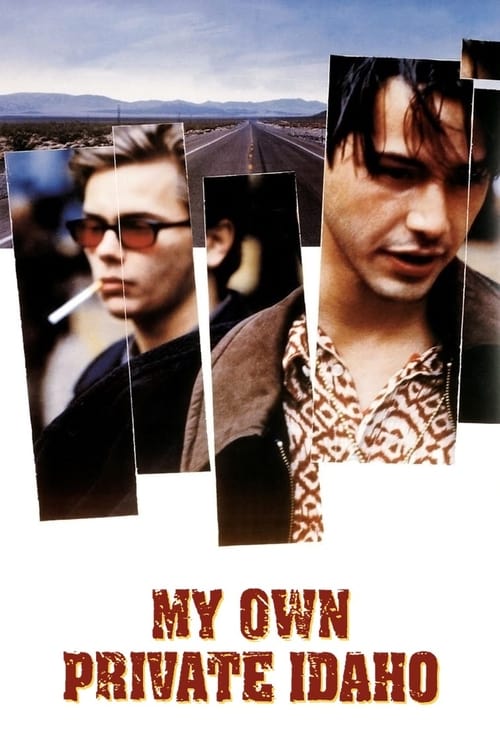
My Own Private Idaho1991
Gus Van Sant's portrait of desire and friendship among street hustlers, moving between realism and pure poetry. Like Heartbeats, it treats queer longing as central, not peripheral, and doesn't soften what it costs.
But It's visually challenging and structurally strange. The final act abandons narrative logic almost entirely, which some find liberating and others find annoying.
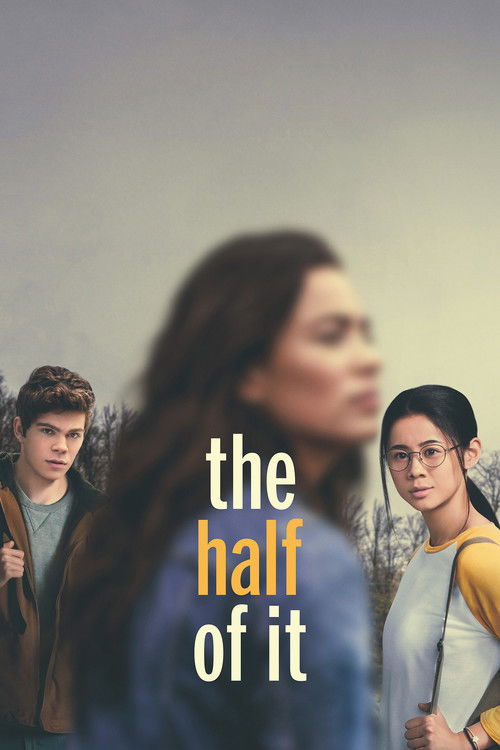
The Half of It2020
A witty, touching love triangle that respects the intelligence of all three characters. It understands that romance and friendship are entangled, and that what you want isn't always what you need.
But It's a smaller, quieter film than its premise might suggest. Some may find it too neat, or wish it took more risks with its ending.
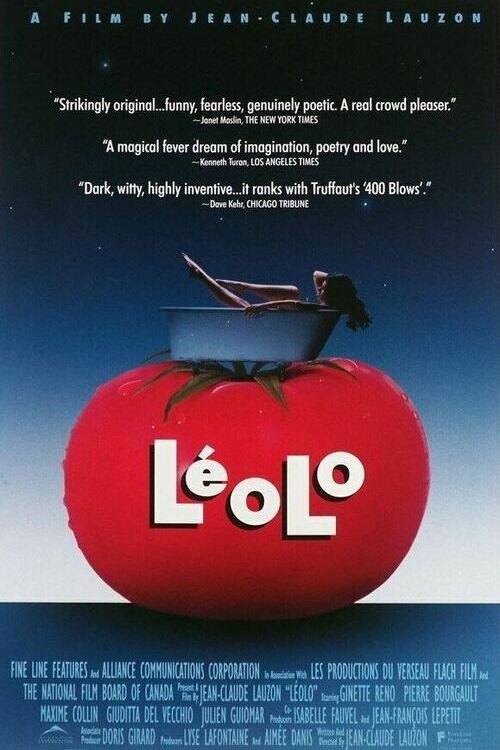
Léolo1992
Both films use fantasy sequences and subjective narrative to make inner emotional life visible, treating the surreal and the real as equally valid ways of experiencing the world.
Jean-Claude Lauzon's surreal, grotesque masterpiece about a boy escaping his brutal family through fantasy and imagination. Like Heartbeats, it moves fluidly between realism and subjective reality, but here the stakes are survival and dignity, not romance.
But It's viscerally disturbing—abusive, scatological, sexually degrading. The poetry of it doesn't make it less difficult. This isn't beautiful suffering; it's ugly suffering that somehow becomes transcendent.
Tokyo Story1953
Both films treat melancholy and visual beauty as inseparable. Both understand that the deepest feeling comes not from climax but from sustained attention to small, ordinary moments between people.
Ozu's quiet masterpiece about time, aging, and the people we love but can't hold. It has nothing to do with romance or obsession, but everything to do with longing—how presence itself is a kind of ache, how beauty emerges from accepting what you cannot change.
But It moves at its own deliberate pace with almost no dramatic incidents. The profound sadness is diffuse rather than cathartic. If you expect emotion to be shown rather than felt, you'll miss it.

People
Cast
 Monia ChokriMarie
 Niels SchneiderNicolas
 Xavier DolanFrancis
 Anne DorvalDésirée
 Anne-Élisabeth BosséYoung Woman
- Olivier MorinYoung Man
 Magalie Lépine-BlondeauYoung Woman
 Éric BruneauYoung Man
 Gabriel LessardYoung Man
 Bénédicte DécaryYoung Woman
 François BernierBaise 1
 Benoît McGinnisBaise 2
Directing
- Xavier DolanDirector
- Francine LangloisFirst Assistant Director
- Nadine BrassardSecond Assistant Director
Writing
- Xavier DolanScreenplay
Production
- Carole MondelloProducer
- Daniel MorinProducer
- Xavier DolanProducer
- Carole MondelloProduction Manager
- Erick MartinezUnit Production Manager
- Karl LindsayUnit Production Manager
Recommended by
Like Crazy, Nagasaki: Memories of My Son, Rafiki, Circumstance, Miss and the Doctors, DragonHeart, Water Lilies, Jealousy, Teen Spirit, Hysteria, Paris 05:59 / Théo & Hugo, The Fencer, The Players, A Faithful Man, Dona Flor and Her Two Husbands, Ixcanul, God Help the Girl, All About Them, The Twilight Saga: Breaking Dawn - Part 1, Aya of Yop City, Angels of Sex, Las acacias, My Big Fat Gypsy Wedding, The Trouble with Being Born, American Woman, Touched with Fire, Juliet, Naked, The Aviator's Wife, Delta, Cousin, Cousine, It's Not You