
Film
Jealousy
Other titles called Jealousy: the 1934 film, the 1971 film.
Chloé Sevigny directs her own son in this spare, chamber-like study of desire and possession between two theater actors. Shot in cool greys and greens, it's less plot than mood—jealousy as a slow poison, resentment as foreplay. For viewers who think romance means tension, not resolution.
Should you watch it?
Watch it if you like quiet, talky love stories where the feeling sits in glances and half-finished sentences, and you don't need much happening to stay gripped.
Skip it if you want a story that moves forward, since this is slow, circular and built on conversation, and its tangled feelings can feel more repetitive than revealing.
What it asks of you: Brief at seventy-seven minutes, yet it stretches out in long, unhurried scenes that let silences and rehearsal-room talk do the work, so patience matters more than plot.
Not sure? Find tonight's pick in a minute.
If you liked this
A Ghost Story2017
Grief and haunting, rendered through patient observation and long takes. Like Jealousy, it trusts silence and stillness to hold unbearable emotion. Both films are about presence and absence, about people unable to leave each other alone.
But Deliberately paced to the point of stillness. If you need plot momentum or clear answers about what's happening, this will feel glacial.

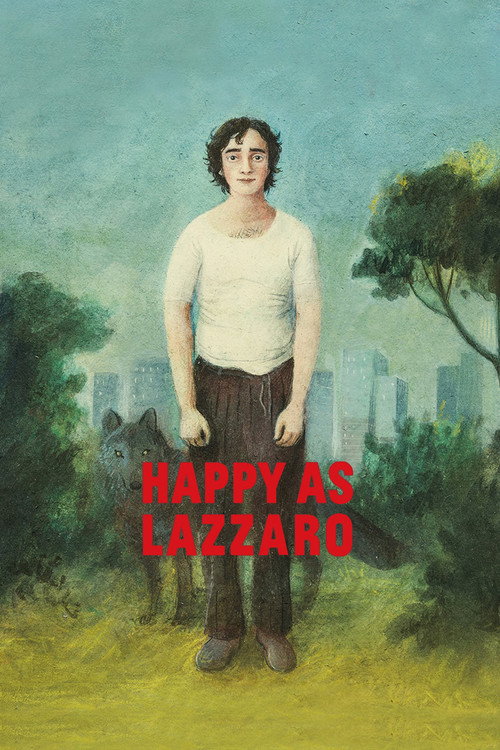
Happy as Lazzaro2018
An Italian fable about desire, manipulation, and the impossibility of innocence. Shares Jealousy's cool palette and its refusal to moralize; both watch their characters' weaknesses with compassion and without flinching.
But The tone is otherworldly and elliptical. Conventional narrative satisfaction is not on offer.
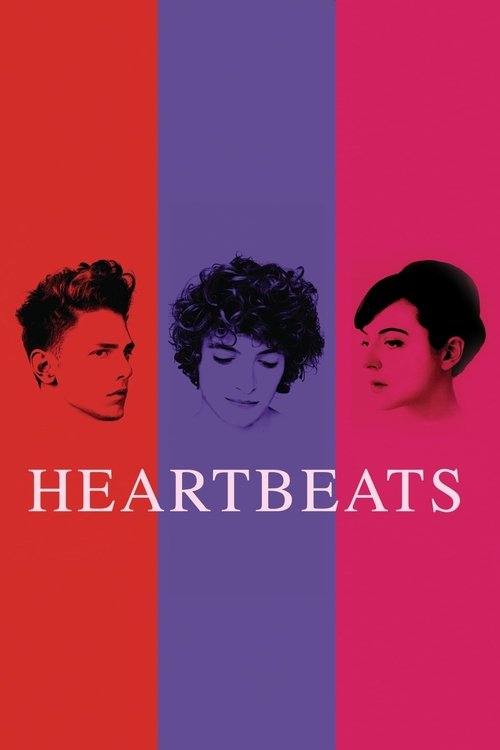
Heartbeats2010
Xavier Dolan on obsession, desire, and the triangular jealousy of two friends competing for the same beautiful person. Formally daring, emotionally raw. Captures the same sick thrill of romantic rivalry that drives Jealousy.
But Dolan's visual excess and melodramatic energy are the opposite of Sevigny's restraint. The heightened style will alienate you if you want subtlety.
Not sure tonight? Get a pick in a minute, starting from Jealousy
The wildcard
Something you would not have found on your own.
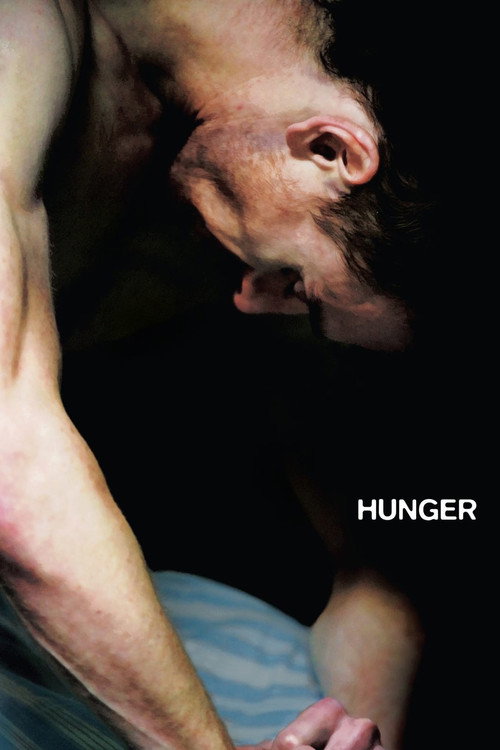
Hunger2008
Both use visual austerity and a nearly static camera to trap the viewer inside a character's psychological prison. Both understand that restraint is not coldness, but intensity.
Steve McQueen's film about the hunger strikes in a Northern Irish prison. Visual poetry made from nothing: grey walls, silence, the human body as a battleground. Like Jealousy, it uses formal minimalism to make emotion inescapable.
But Explicitly about political suffering and bodily degradation. It is not intimate—it is harrowing.
More like this (8)
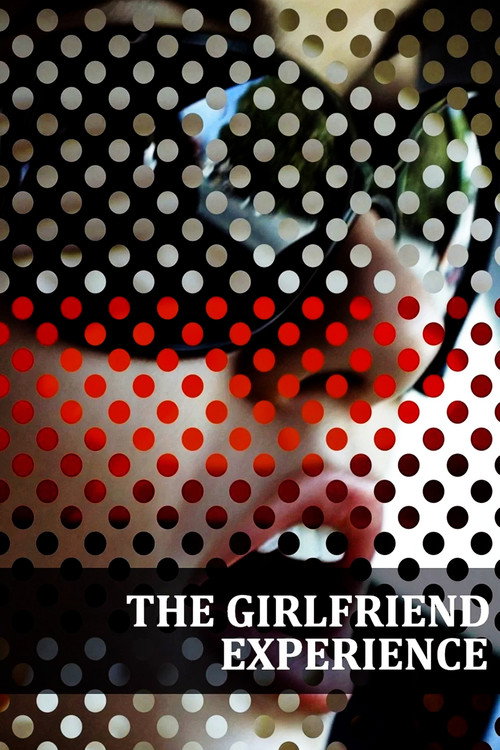
The Girlfriend Experience2009
Soderbergh's study of a high-end escort and her client-relationships: cool, detached, fascinated by the performance of intimacy. Like Jealousy, it watches sex and emotion as a transaction, with no judgment but no sentimentality either.
But Extremely austere. There's almost no conventional dramatic arc, just observation and surfaces.
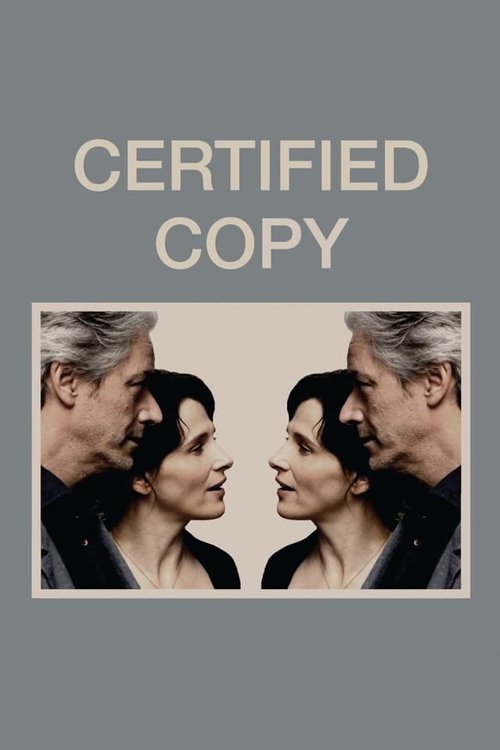
Certified Copy2010
A long conversation between two people in an Italian town, slowly revealing the game they're playing with each other. Like Jealousy, it's about the distance between what couples say and what they feel.
But Almost entirely dialogue in a hotel and streets. If you need visual spectacle or dramatic incident, you'll find it tedious.
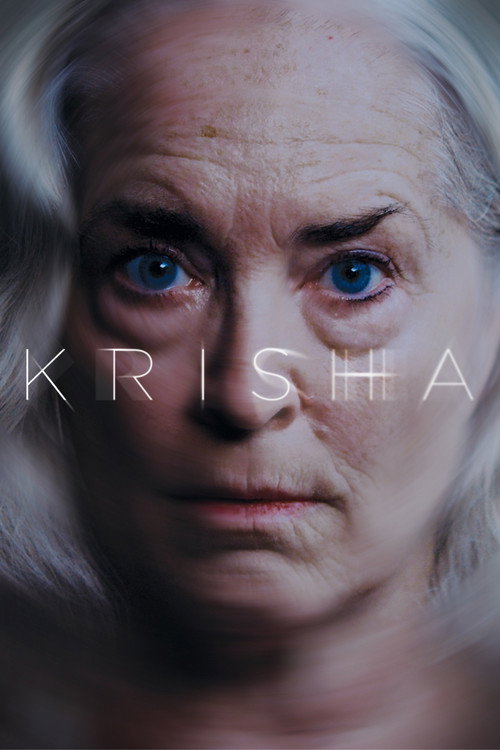
Krisha2016
Cem Kaya's debut about a man rebuilding his life after prison, wracked with shame and unable to connect. Shares Jealousy's refusal to beautify emotional pain or offer easy catharsis.
But Very bleak, shot in a deliberately rough style. It demands patience and offers no comfort.
Moonlight2016
Three chapters of a man's life, told in painterly tableaux. Like Jealousy, it's about desire, masculinity, and the impossibility of saying what you feel. Both films trust image and silence over exposition.
But The narrative is fragmented and internal. Some will find it beautiful; others will think nothing happens.

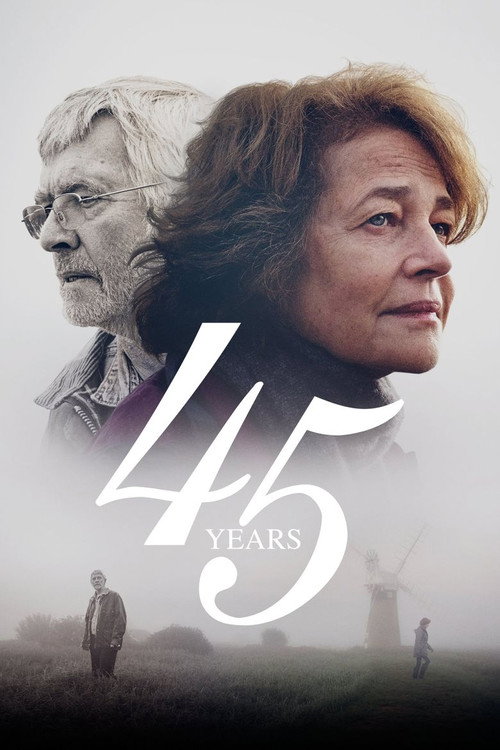
45 Years2015
The last week of a long marriage, unraveling over a revelation. Understated performances, elegant cinematography. A masterclass in how much emotional devastation can fit inside quiet rooms.
But Charlotte Rampling and Tom Courtenay are restrained to the point of invisibility. The drama is entirely subtext.
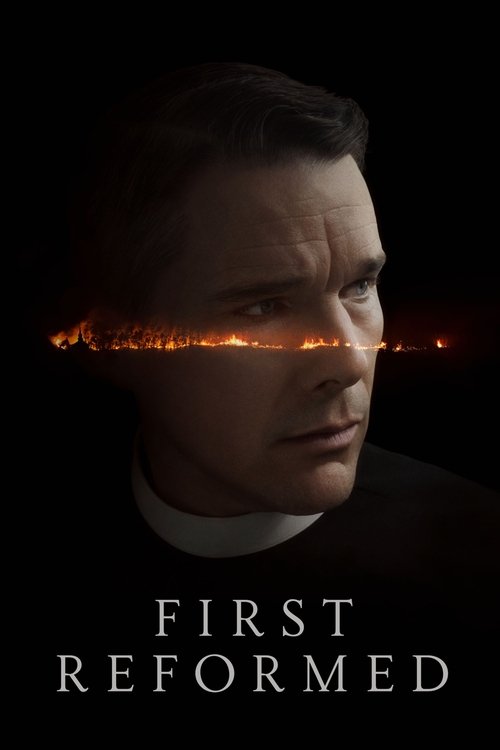
First Reformed2018
Paul Schrader's anguished character study of a minister's crisis of faith. Shares Jealousy's formal austerity and its willingness to sit with spiritual desolation without offering resolution.
But Grim, self-lacerating, and often feels like punishment. The frame is deliberately cramped and suffocating.
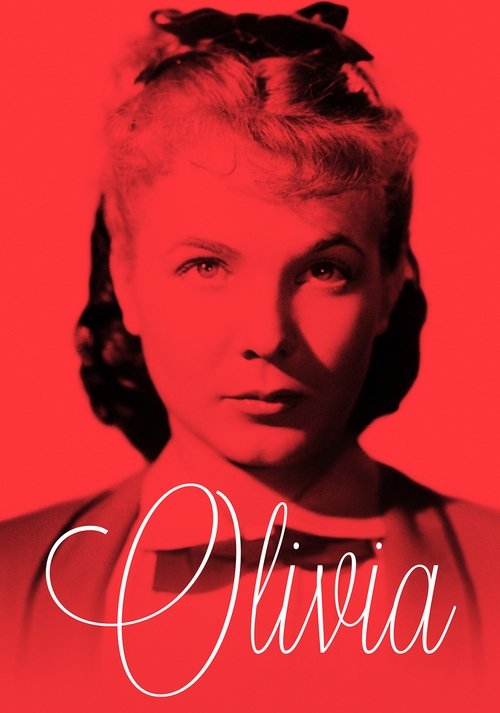
Olivia1951
Both are about jealousy as a form of love and attention. Both understand desire as a kind of hunger that has nothing to do with sex and everything to do with being seen.
A French film from the 1950s about female desire and jealousy in an all-girls school. The camera watches with precision; the eroticism is entirely in the air between bodies. Pre-dates Jealousy by sixty years but could be its spiritual ancestor.
But Made in 1951, it's oblique to the point of abstraction. Modern viewers may find the coded language frustrating or the pacing impossibly slow.
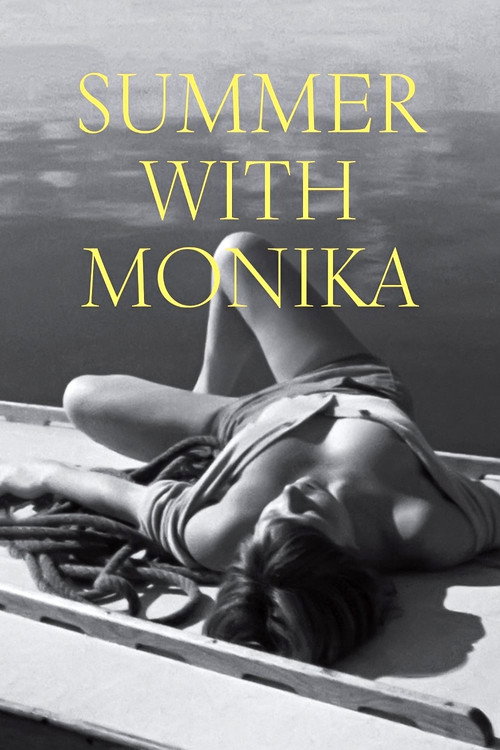
Summer with Monika1953
Where Jealousy is about the poison in a relationship, Bergman shows the moment love calcifies into resentment. Both see romance as a condition that cannot survive ordinary life.
Bergman's film of a young couple's summer idyll, shot in radiant light on an island, then their return to grey-walled reality. The most beautiful film ever made about how desire dies. Utterly unsentimental.
But It's from 1953 and shot in a different visual language. Black and white, naturalistic performances from non-actors. Some will find it remote or datedly European.
People
Cast
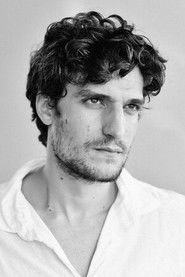 Louis GarrelLouis
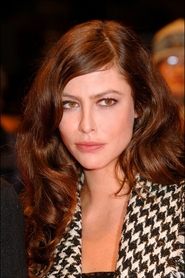 Anna MouglalisClaudia
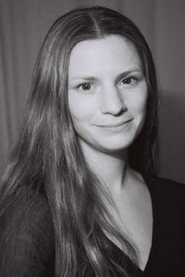 Rebecca ConvenantClothilde
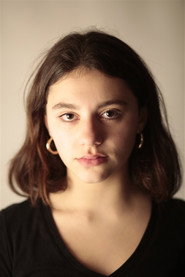 Olga MilshteinCharlotte
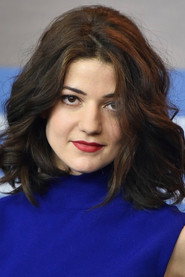 Esther GarrelEsther
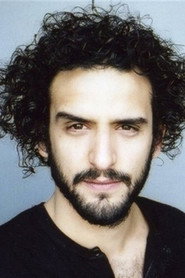 Arthur IgualL'ami de Louis
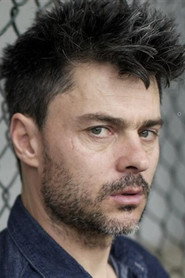 Jérôme HuguetAntoine
 Manon KneuséLucie
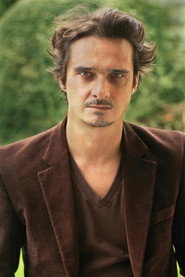 Eric RuillatHenri
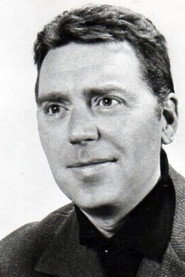 Robert BazilLe vieil ami de Claudia
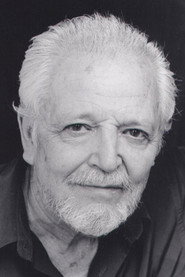 Jean PommierL'ancien professeur de Louis
 Julien LucasL'homme du bar
Directing
- Philippe GarrelDirector
- Paolo TrottaFirst Assistant Director
Writing
- Arlette LangmannScreenplay
- Caroline DeruasScreenplay
- Marc CholodenkoScreenplay
- Philippe GarrelScreenplay
Production
- Alfred HürmerCo-Producer
- Saïd Ben SaïdProducer
- Serge CatoireProduction Manager