
Film
Olivia
- Coming-of-age
- Coming-of-age romance
- Slow-burning
A 1951 French drama about an English schoolgirl's awakening at a Parisian finishing school, filtered through her crush on the headmistress. Quietly observant, sensual without being explicit, it captures adolescent intensity and the complex ache of desire—both the girl's longing and the adults' doomed affair she witnesses. For anyone who loves restrained, psychological storytelling.
Should you watch it?
Watch it if you are drawn to quiet films about first infatuation seen through a younger, watchful mind, where the emotional weather lives in glances and held silences rather than in plot.
Skip it if the story is thin on incident and its emotional stakes are carried by suggestion, so if you need clear, forward-moving drama, the slow, hushed rhythm may frustrate you.
What it asks of you: Its 96 minutes unfold at a hushed, unhurried pace, mostly in corridors, classrooms and quiet exchanges, so meaning arrives slowly and by implication.
Not sure? Find tonight's pick in a minute.
If you liked this
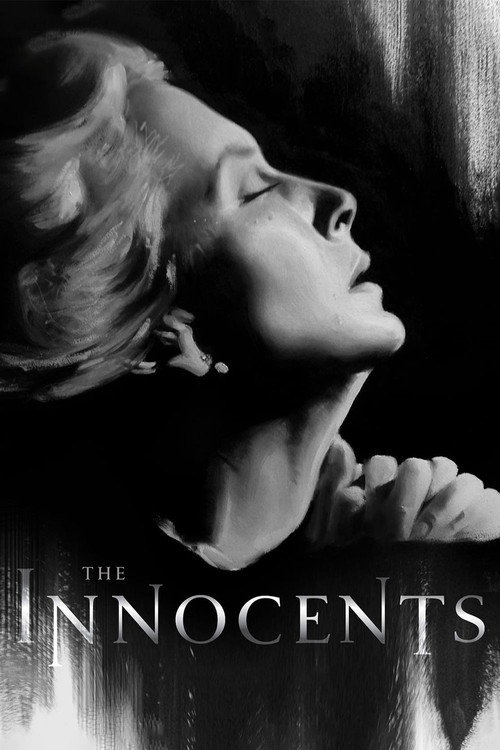
The Innocents1961
A masterpiece about the ambiguous supernatural at a British boarding school. Like Olivia, it trusts atmosphere and psychological tension over exposition, and finds profound unease in enclosed spaces where desire and fear blur.
But The horror is slow and cumulative rather than dramatic. If you need clear answers about what's real, this will frustrate you.
Mulholland Drive2001
A film about the ache of loving someone you can't have, told through the eyes of an ingénue in an exclusive world. Both films use romantic obsession as a lens to see deeper truths about power and self-deception.
But It's three hours, non-linear, and deliberately withholding. The narrative structure demands active participation and rewards repeat viewings more than clarity.

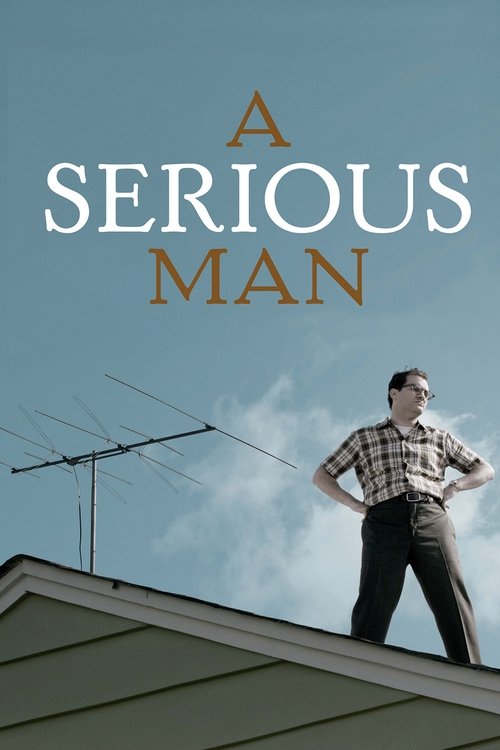
A Serious Man2009
Observational, claustrophobic, about someone trapped in a world of adults whose rules they don't fully understand. Like Olivia, it finds tragedy in the gap between what you see and what you comprehend.
But It's bleak and circular rather than cathartic. The Coen Brothers offer no redemption, only insight into how we endure small betrayals.
Not sure tonight? Get a pick in a minute, starting from Olivia
The wildcard
Something you would not have found on your own.
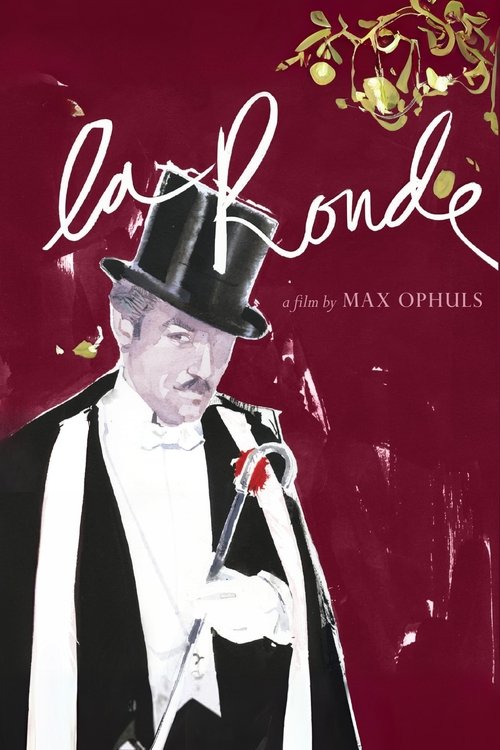
La Ronde1950
Both are French productions from the same era that treat desire as the central human mystery. Both believe cinema is about watching people want each other, and that restraint is more erotic than disclosure.
Made one year before Olivia, Ophüls' masterpiece is also about desire and observation in a French setting, but told as a ring of seductions across class and gender. It shares Olivia's belief that passion is both ridiculous and tragic, and that the viewer's position matters.
But It's a carousel of brief affairs with no continuing characters, which feels cold to some. The cynicism about love and morality can read as flip rather than poignant.
More like this (7)
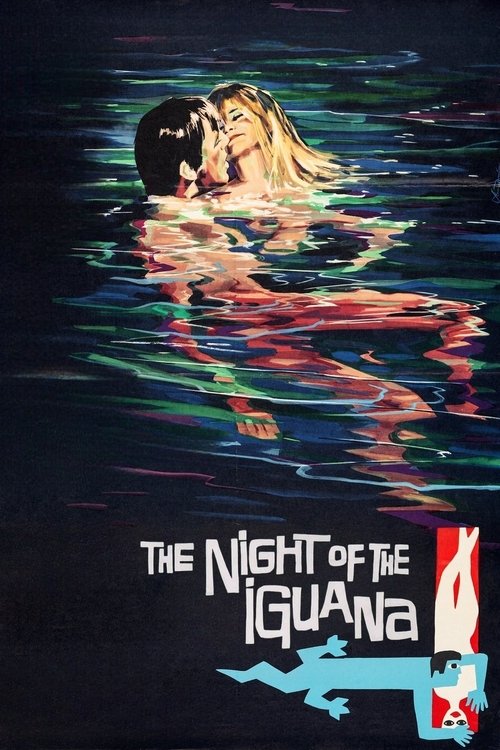
The Night of the Iguana1964
Tennessee Williams' taut study of desire and disappointment in a confined setting. Adults in moral decline observed by younger eyes; the same combination of eroticism and melancholy that makes Olivia so quietly devastating.
But The dialogue is florid and theatrical. If you prefer naturalistic acting and sparse conversation, the artifice will keep you at a distance.
Under the Skin2014
An elliptical, sensual film about observation and predation. Like Olivia, it finds uncanny danger in moments of apparent intimacy and uses long takes to build dread from small shifts in mood and power.
But There's almost no dialogue or plot in the traditional sense. It's closer to cinema verité or visual poetry than narrative drama, and many find it tedious.

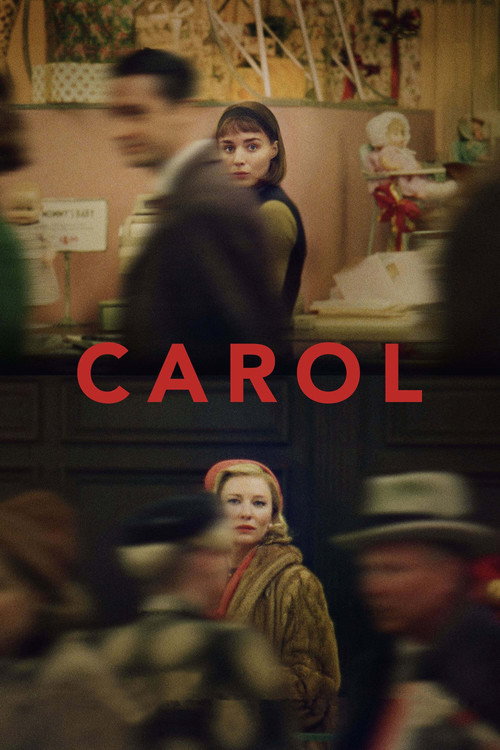
Carol2015
A romance of looks and restraint between two women in the 1950s. It understands desire as something that exists in glances and proximity, the way Olivia does, and captures that specific ache of loving someone beyond reach.
But The pacing is deliberate to the point of stillness. If you need plot momentum or emotional catharsis, you'll find it glacial.
The Leopard1963
Visconti's epic about a world in transition, observed by those within it. The same painterly attention to atmosphere, costume, and the eroticism of power that runs through Olivia, applied to a larger canvas.
But It's nearly three hours of aristocratic Italian life in the 1800s. Without interest in period detail and social ritual, it's impenetrable and slow.

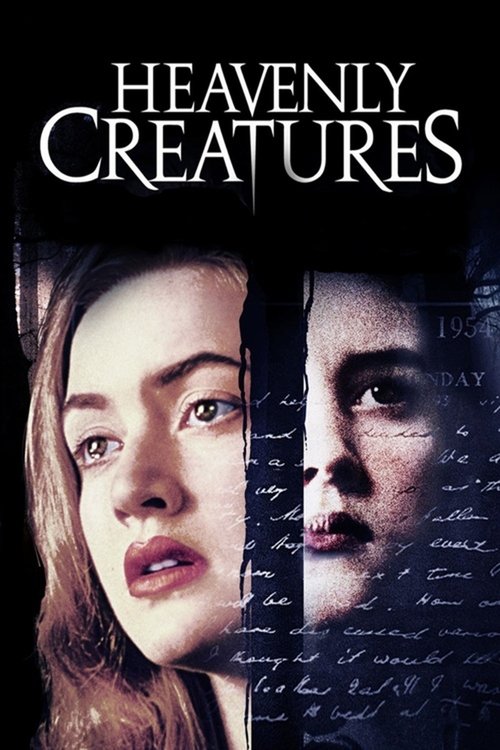
Heavenly Creatures1994
Peter Jackson's film about two girls whose intimate friendship becomes dangerous and consuming. It captures the intensity of adolescent passion—both the beauty and the claustrophobia—with real psychological insight.
But It's based on a real murder, and the film doesn't shy from the violence. The tonal shift from fantasy to brutality alienates some viewers.
La Haine1995
A French film about observation and entrapment in a closed world. Like Olivia, it uses a confined setting to examine power, desire, and the small gestures that carry enormous weight.
But It's bleak, urban, and entirely about young men in crisis rather than interiority. The style is forceful rather than subtle, which can overwhelm quieter sensibilities.

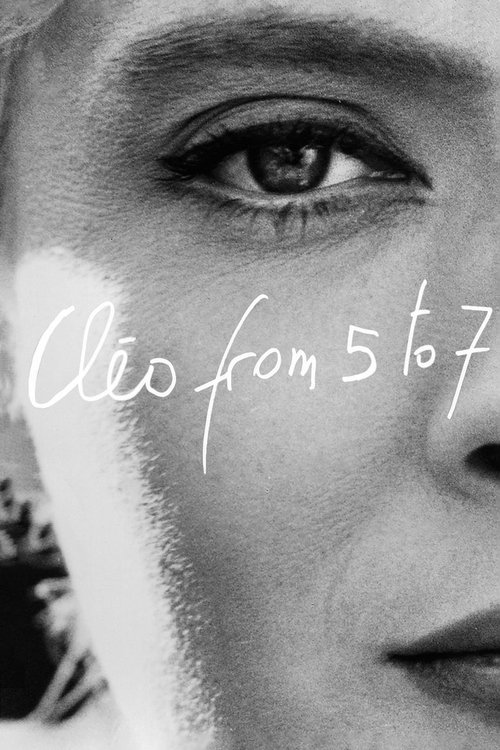
Cléo from 5 to 71962
Both films understand that adolescence and female desire are legitimate subjects for serious cinema. Both are European films that trust the audience to find meaning in small shifts of mood and power.
Varda's real-time film about a woman waiting for test results, filmed in Paris with the same attention to interiority and female desire. It's also about what happens when you stop being the object of the gaze and become fully human.
But Almost nothing happens. It's ninety minutes of a woman walking around and thinking. If you need plot or dramatic incident, it will bore you entirely.
People
Cast
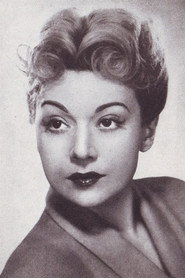 Edwige FeuillèreMademoiselle Julie
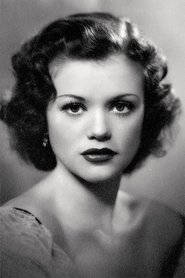 Simone SimonMademoiselle Cara
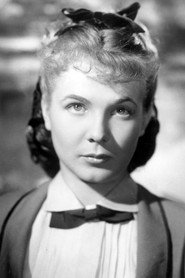 Marie-Claire OliviaOlivia Dealey
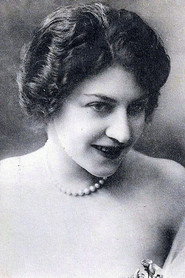 Yvonne de BrayVictoire
- Suzanne DehellyMademoiselle Dubois
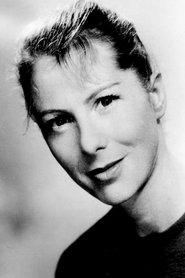 Marina de BergMimi
- Lesly MeynardFrau Riesener
- Rina RhétySignorina Palletto
- Tania SoucaultGeorgie
- Elly ClausLaura
- Nadine OlivierCécile
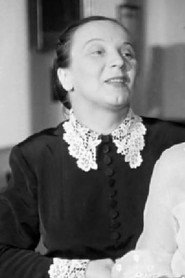 Sophie MalletStudent
Directing
- Jacqueline AudryDirector
- Claude PinoteauFirst Assistant Director
- Jacqueline LoirScript Supervisor
- Claude FayardSecond Assistant Director
Writing
- Colette AudryAdaptation
- Pierre LarocheDialogue
- Dorothy BussyNovel
- Colette AudryWriter
- Pierre LarocheWriter
Production
- Luc BerangerAdministration
- Roger RogelysLocation Manager
- Jacqueline AudryProducer
- Jean ParisProducer
- Jean VelterProduction Manager
- Marguerite ThéouleProduction Secretary
Recommended by
Portrait of a Lady on Fire, Jealousy, A Room of One's Own, The Accused, The Strange One