
Film
Under the Skin
Jonathan Glazer's alien-in-Glasgow film casts Scarlett Johansson as a predator learning to wear a human skin, shot partly with hidden cameras among real Scots who had no idea they were in a movie. It trades plot for texture — Mica Levi's shrieking score, long silent drives, bodies dissolving into black liquid. Cold, hypnotic, closer to an art installation than a thriller. Watch it patient and willing to be unsettled.
If you liked this
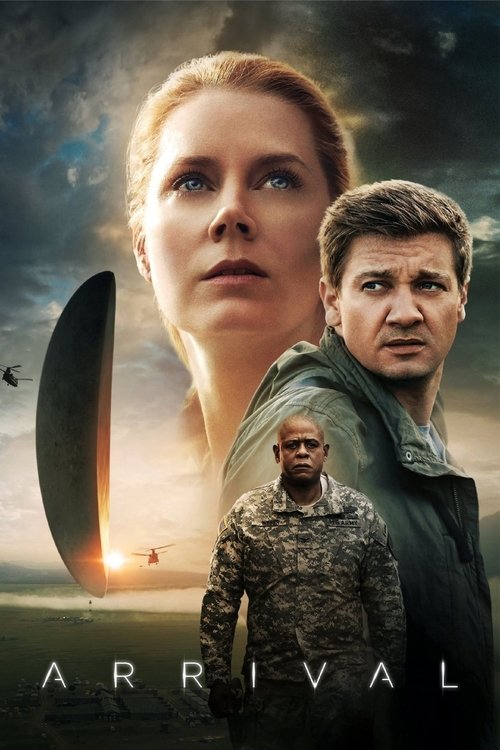
Arrival2016
Denis Villeneuve's alien-contact film shares Under the Skin's hush and dread, using sound and structure instead of exposition to make first contact feel genuinely strange, anchored by Amy Adams doing more with silence than most actors do with dialogue.
But Its emotional payoff is warmer and more conventional than anything Glazer would allow — this one wants to move you, not unsettle you.
Ex Machina2015
Alex Garland's chamber piece flips the gender dynamic — a woman-shaped intelligence studying a man who thinks he's in control — with the same cool, clinical eye on what a body can be used for.
But It's talkier and more plotted, building to a twist ending that Under the Skin would consider beneath it.

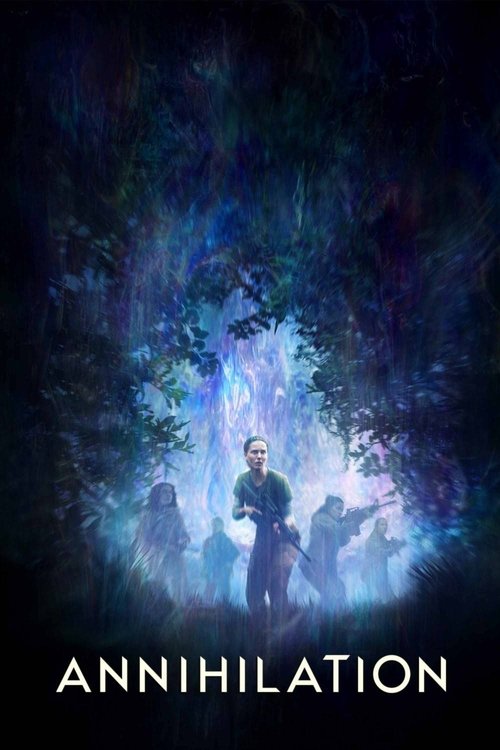
Annihilation2018
Garland again, this time genuinely alien — a shimmering zone that rewrites bodies from the inside, scored with the same dread-drone aesthetic and just as uninterested in explaining itself.
But More action and monster-movie machinery than Glazer's stillness; the ending swings for awe rather than unease.
The wildcard
Something you would not have found on your own.
Species1995no page yet
Both films run the identical premise — a female alien predator learning to pass as human to hunt men — but Species plays it as B-movie schlock where Under the Skin plays it as art film. Same engine, wildly different costume.
The trashy, gloriously unashamed cousin of Under the Skin — same premise, an alien woman hunting men for her own purposes — played as pulpy creature-feature instead of arthouse dread. It's fun in a way Glazer's film refuses to be.
But Cheap effects, dated erotic-thriller energy, and a body-horror climax that's more rubber suit than existential horror.
More like this (8)
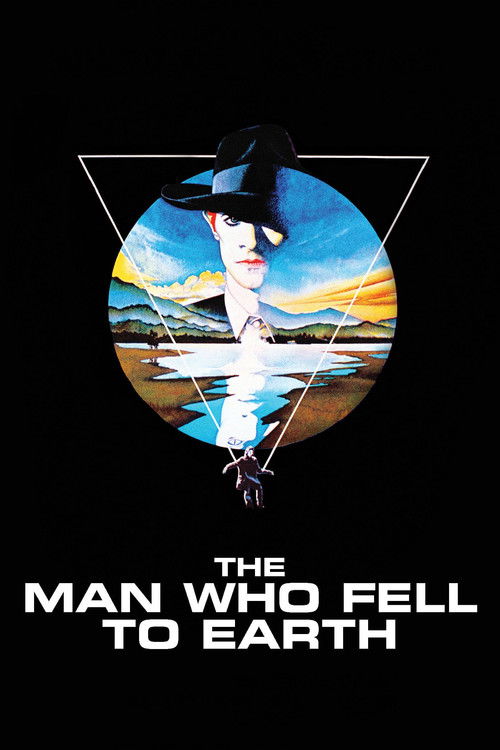
The Man Who Fell to Earth1976
Nicolas Roeg's original alien-among-us film, with David Bowie perfectly cast as a being slowly corrupted by human appetite. Same fascination with a stranger absorbing our worst habits, shot with the same fractured, dreamlike editing.
But Its 1970s pacing and druggy tangents will test viewers who already found Under the Skin merely slow.
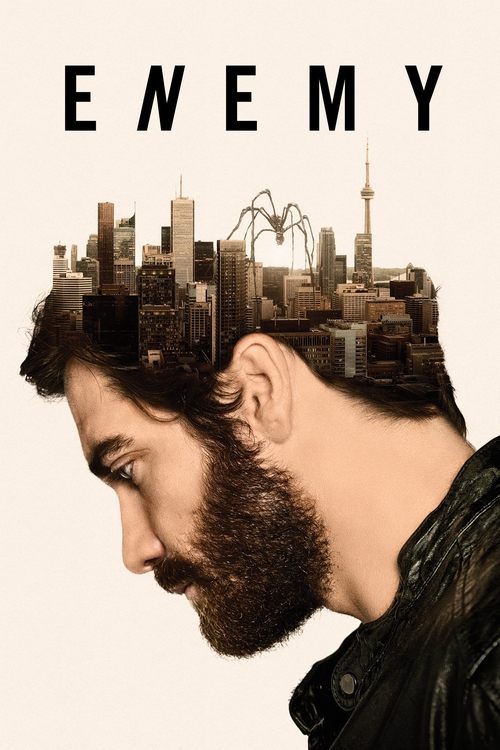
Enemy2014
Denis Villeneuve's doppelganger thriller, set in a jaundiced, alien-feeling Toronto, works on the same wavelength of quiet paranoia and bodies that don't quite belong to the people using them.
But Leans harder into puzzle-box symbolism and a final image people either love or feel cheated by.
Upstream Color2013no page yet
Shane Carruth's near-wordless film about identity and infection asks you to feel your way through instead of following a plot, exactly the deal Under the Skin offers its audience.
But Even more opaque and abstract — some viewers find it beautiful, others find it simply baffling.
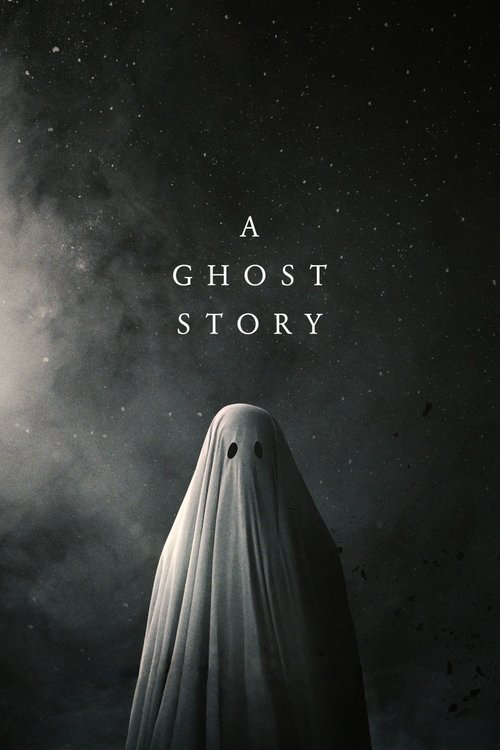
A Ghost Story2017
A patient, near-silent film about being trapped inside a form that isn't quite you anymore, told through long static takes that ask you to just sit with the strangeness of existing.
But Its stillness is even more extreme — a literal bedsheet ghost standing in rooms for minutes at a time.
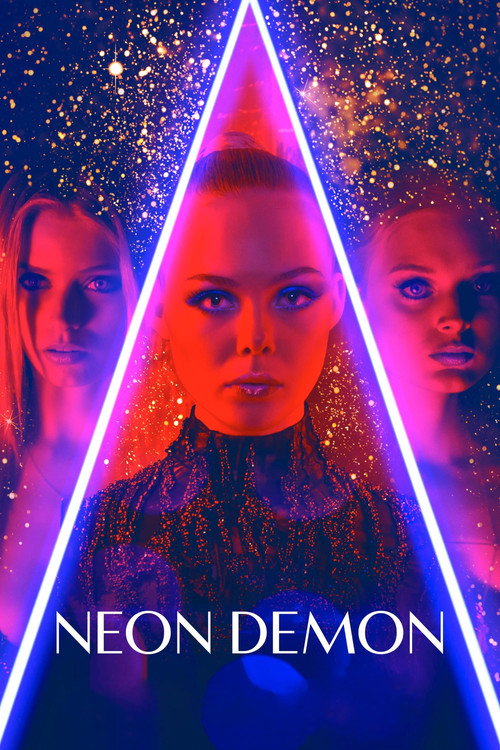
The Neon Demon2016
Nicolas Winding Refn's fashion-world horror shares the same predatory gaze turned back on beauty and consumption, all cold surfaces and a woman becoming something other than human.
But Far more garish and violent, trading Glazer's restraint for neon excess and shock.
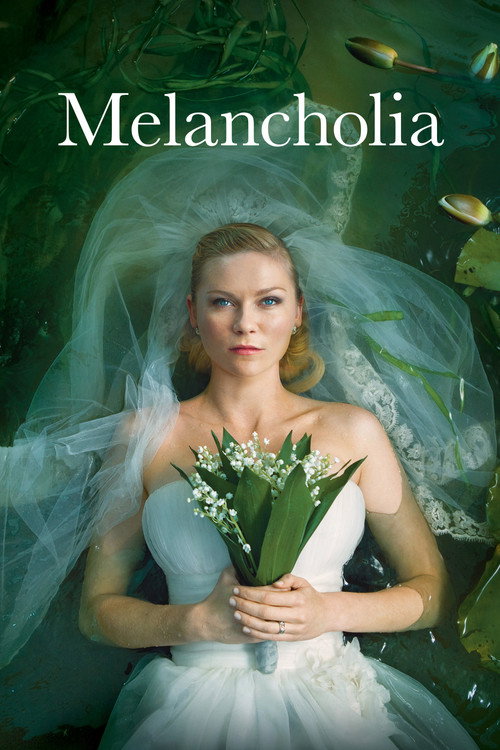
Melancholia2011
Lars von Trier's end-of-the-world drama shares the mood of dread arriving slowly and beautifully, with a heroine who feels increasingly alien to her own life before anything cosmic even happens.
But More melodrama and family dysfunction than Glazer allows himself; the sci-fi is almost incidental.
The Hunt2015no page yet
Glazer's film treats human men exactly as prey animals, stalked and lured with cold efficiency. This documentary shows you what that actually looks like in nature, stripped of allegory — the same hunting logic, just honest about what it is.
A BBC nature series, narrated by David Attenborough, that shows the actual mechanics of predator and prey with unbearable tension and beauty — the same cold biological logic Under the Skin borrows for its alien.
But No metaphor, no menace-in-the-abstract — it's literal animals eating other animals, which some will find harder to watch than fiction.
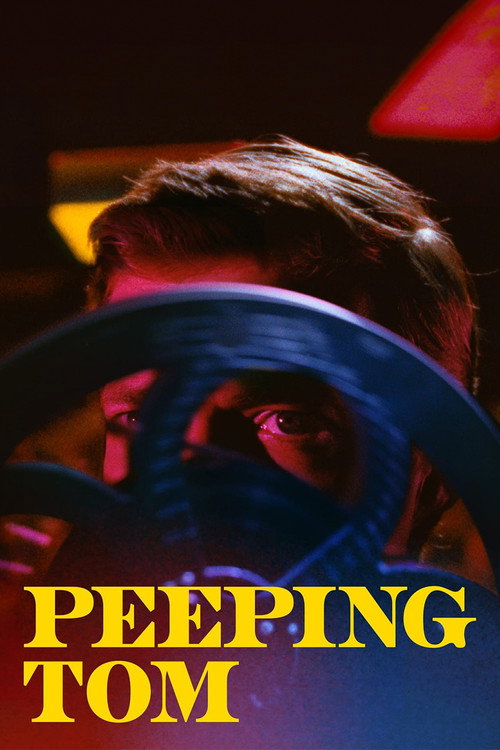
Peeping Tom1960
Both films ask you to inhabit a predator's point of view rather than a victim's, using the camera itself as an instrument of the hunt. Peeping Tom did it in 1960 and got banned for it; Glazer's version just got Scarlett Johansson.
Michael Powell's scandalous British thriller puts you inside a predator's head decades before Glazer did, following a killer who films his victims' fear through his camera lens with the same detached, voyeuristic gaze.
But Its shocks are tame by modern standards, and the film's fascination with its killer's psychology can feel more clinical than frightening now.
People
Cast

Directing
- Jonathan GlazerDirector
- Nick Heckstall-SmithFirst Assistant Director
- Claire HewittScript Supervisor
- Mark MurdochSecond Assistant Director
- Tom DebenhamSecond Unit Director
- Brian HorsburghSecond Unit First Assistant Director
- David GilchristSecond Unit First Assistant Director
- Alex McKayThird Assistant Director
- Laurie MahonThird Assistant Director
- Marilyn EdmondThird Assistant Director
- Stephen CarneyThird Assistant Director
- Susie LeeThird Assistant Director
Writing
- Michel FaberNovel
- Jonathan GlazerScreenplay
- Walter CampbellScreenplay
- Milo AddicaWriter
Production
- Paul ImrieAssistant Accountant
- Paul ZieleniecAssistant Accountant
- David TaylorAssistant Location Manager
- Steven LittleAssistant Production Coordinator
- Kahleen CrawfordCasting
- Danny JacksonCasting Assistant
- Caroline StewartCasting Associate
- Alexander O'NealCo-Producer
- Gillian BerrieCo-Producer
- Claudia BluemhuberExecutive Producer
- Florian DargelExecutive Producer
- Ian HutchinsonExecutive Producer
- Reno AntoniadesExecutive Producer
- Tessa RossExecutive Producer
- Walter CampbellExecutive Producer
- Morven MacphersonLocation Assistant
- Eugene StrangeLocation Manager
- James WilsonProducer
- Nick WechslerProducer
- Neil CairnsProduction Accountant
- Fergus CookProduction Assistant
- Iain CanningProduction Assistant
- Georgie FallonProduction Coordinator
- Trevor EvansProduction Coordinator
- Livia BurtonProduction Manager
- Mark MurdochProduction Manager
- Brodie PringleUnit Manager
Recommended by
Let the Right One In, Arrival, Solaris, Men in Black, Blade Runner 2049, Atomic Blonde, District 9, Ex Machina, Annihilation, The Man Who Fell to Earth, Stalker, It Follows, War of the Worlds, Mulholland Drive, The Double Life of Véronique, Resident Alien, Alien Nation, The Lighthouse, The Outer Limits, Only Lovers Left Alive, Possession, The Neon Demon, Belle de Jour, Titane, From Beyond, Possessor, Quatermass II