
Film
Aniara
- Science fiction
- Social drama
- Very dark
- Slow-burning
A generation ship bound for Mars is struck off-course into the void, leaving its passengers to grapple with isolation, existential dread, and the slow death of hope. Aniara is glacially paced, visually austere, and philosophically unsparing—a meditation on human fragility dressed as science fiction. For viewers comfortable with ambiguity and willing to sit with despair.
If you liked this
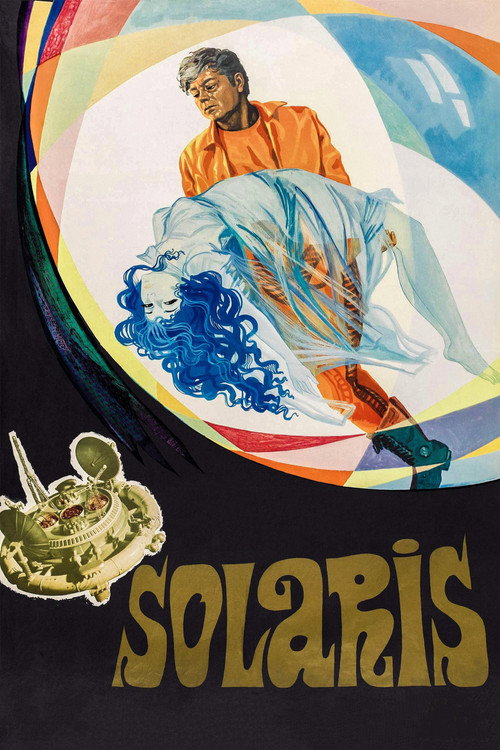
Solaris1972
Tarkovsky's masterpiece about a space station orbiting an alien ocean explores consciousness, memory, and what we carry into the void. Hypnotic and devastating in equal measure.
But Moves at a deliberate crawl; the first hour is almost plotless. Demands patience and rewards it, but not everyone has the appetite.
Stalker1979
Another Tarkovsky work that treats metaphysical longing as a physical journey. The atmosphere of spiritual yearning in confined spaces mirrors Aniara's existential undertow perfectly.
But Even more austere than Solaris. Long stretches of near-silence and contemplation. Not entertainment in any conventional sense.

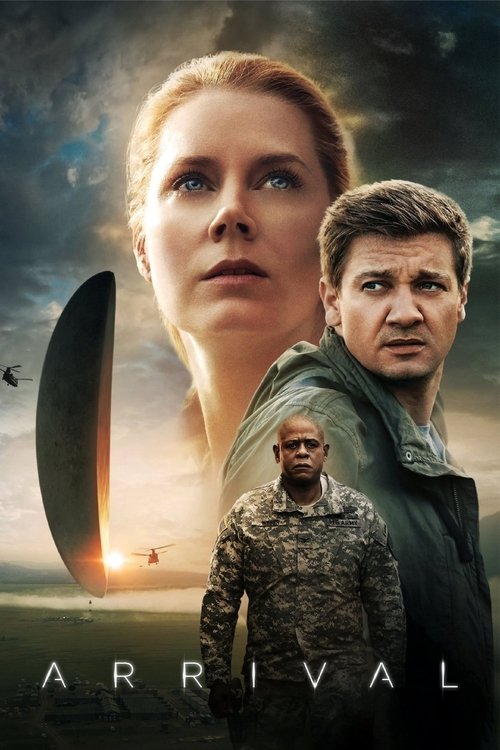
Arrival2016
A thoughtful SF film about language, time, and what we're willing to sacrifice for understanding. Graceful, moving, and genuinely intelligent without ever feeling like homework.
But The second half leans heavily on emotion over idea. Some find the ending too neat, emotionally manipulative after the cerebral setup.
Not sure tonight? Get a pick in a minute, starting from Aniara
The wildcard
Something you would not have found on your own.
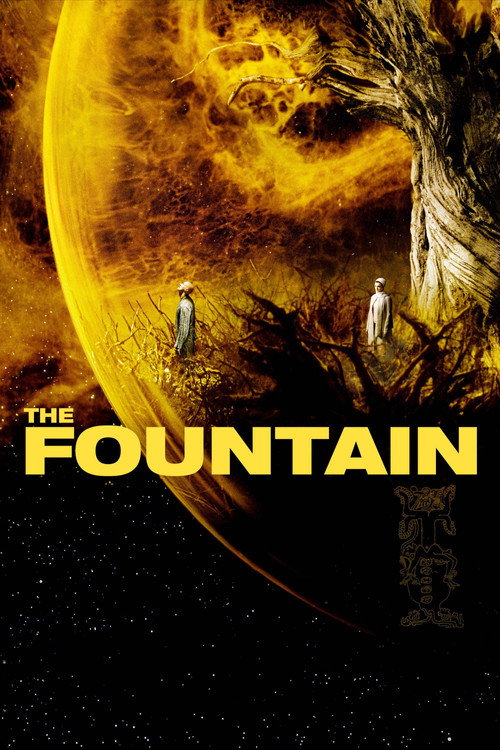
The Fountain2006
Both use the vast cold of space as a mirror for human grief and the limits of survival. Both refuse easy answers or comfort.
Aronofsky's impossible, obsessive film weaves three timelines—past, present, future—into a meditation on love, death, and the futility of escaping mortality. Visually and emotionally overwhelming.
But Often called incoherent. Narrative clarity takes a back seat to pure feeling. Some find it self-indulgent; others find it transcendent. There is no middle ground.
More like this (8)
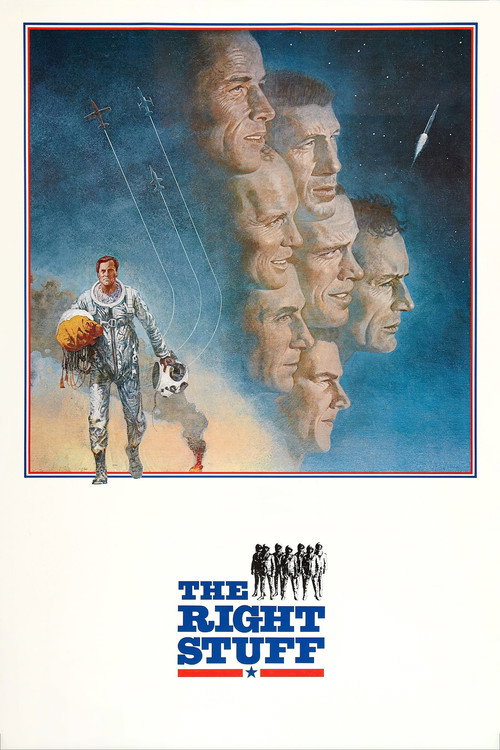
The Right Stuff1983
A sweeping epic about humanity reaching outward, capturing both the heroism and the casual brutality of the space program. Kaufman's best direction, sprawling and alive.
But Nearly four hours long and sprawls across decades. The tone shifts so much it almost feels like three different films. Many cut it short.
2001: A Space Odyssey1968
Kubrick's vision of space travel as slow, grinding, magnificent and terrifying. The existential isolation and the mystery at its heart prefigure everything Aniara attempts.
But Famous for being impenetrable and boring. Long stretches of spacecraft maintenance with minimal dialogue. The ending has no agreed-upon meaning.
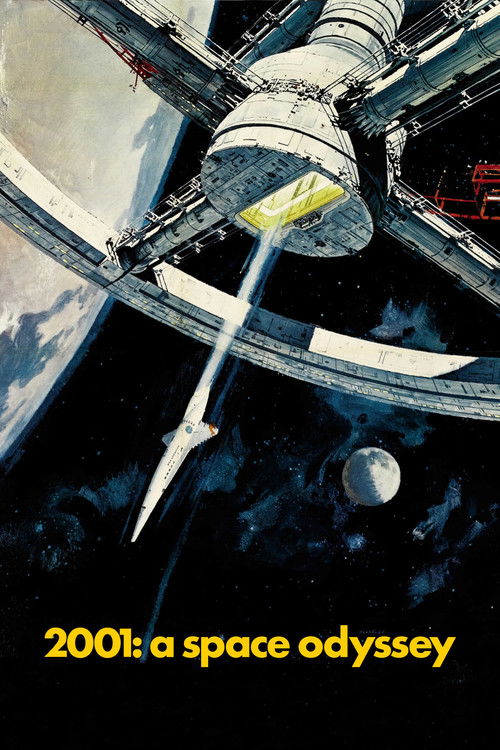
Severance2022
An uncanny workplace thriller that uses isolation and control to explore what it means to be human. Brilliantly acted and visually spare, with philosophical questions lurking under the surface.
But The pacing is languid and the mystery remains unsolved. Some find it frustratingly vague; others call it the entire point.
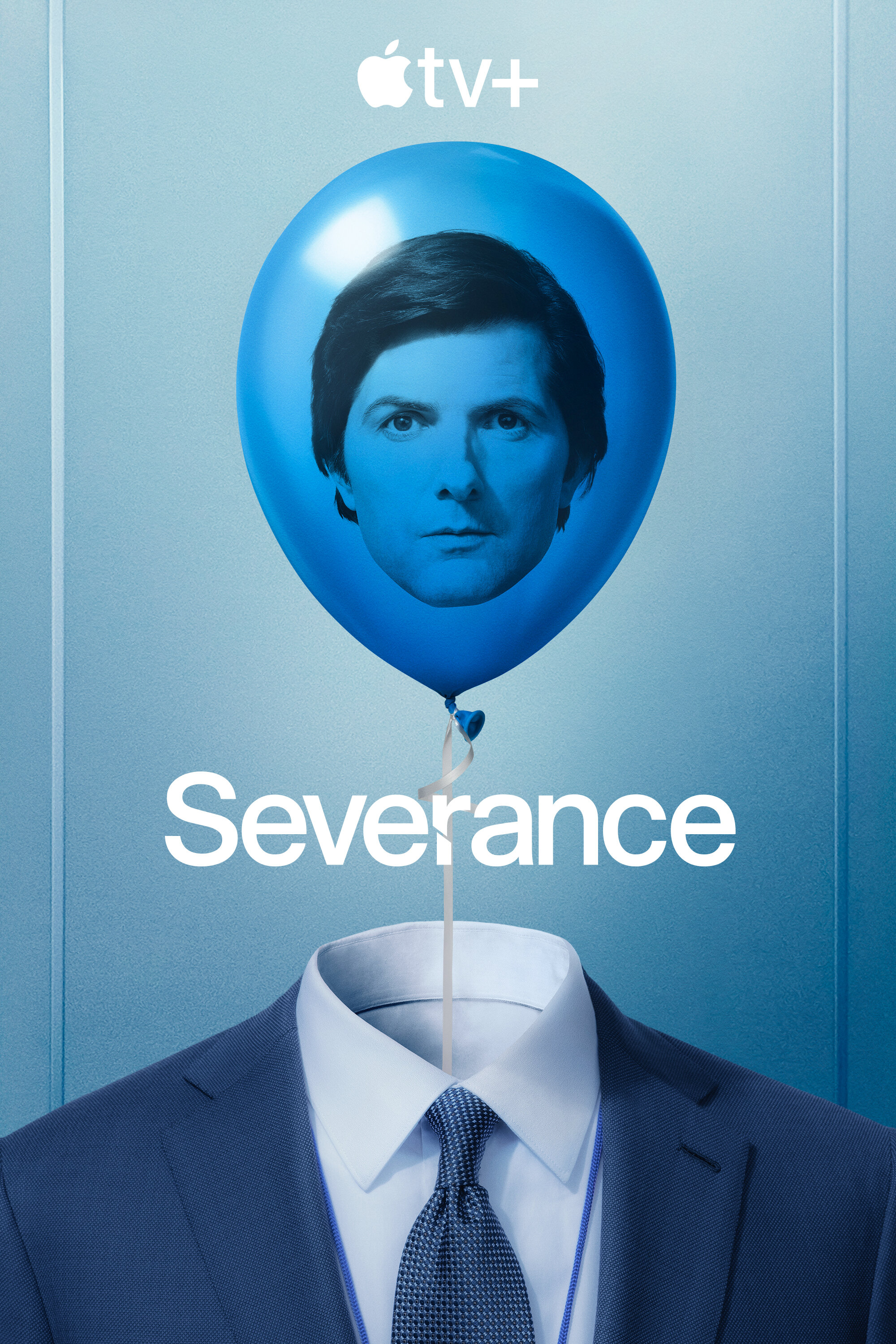
Under the Skin2014
Glazer's haunting film about an alien passing through Scotland is more sensory experience than narrative. Scarlett Johansson against vast, indifferent landscapes—magnificent and eerie.
But Dialogue is minimal and cryptic. Long scenes of driving and wandering. Not a story so much as a mood. Many will find it pretentious or slow.

The Expanse2015
Hard SF with character depth and geopolitical complexity. The later seasons especially embrace cosmic horror and the insignificance of humanity against space itself.
But Starts as a noir detective story in space before finding its voice. Early seasons are uneven. Requires commitment to six seasons.
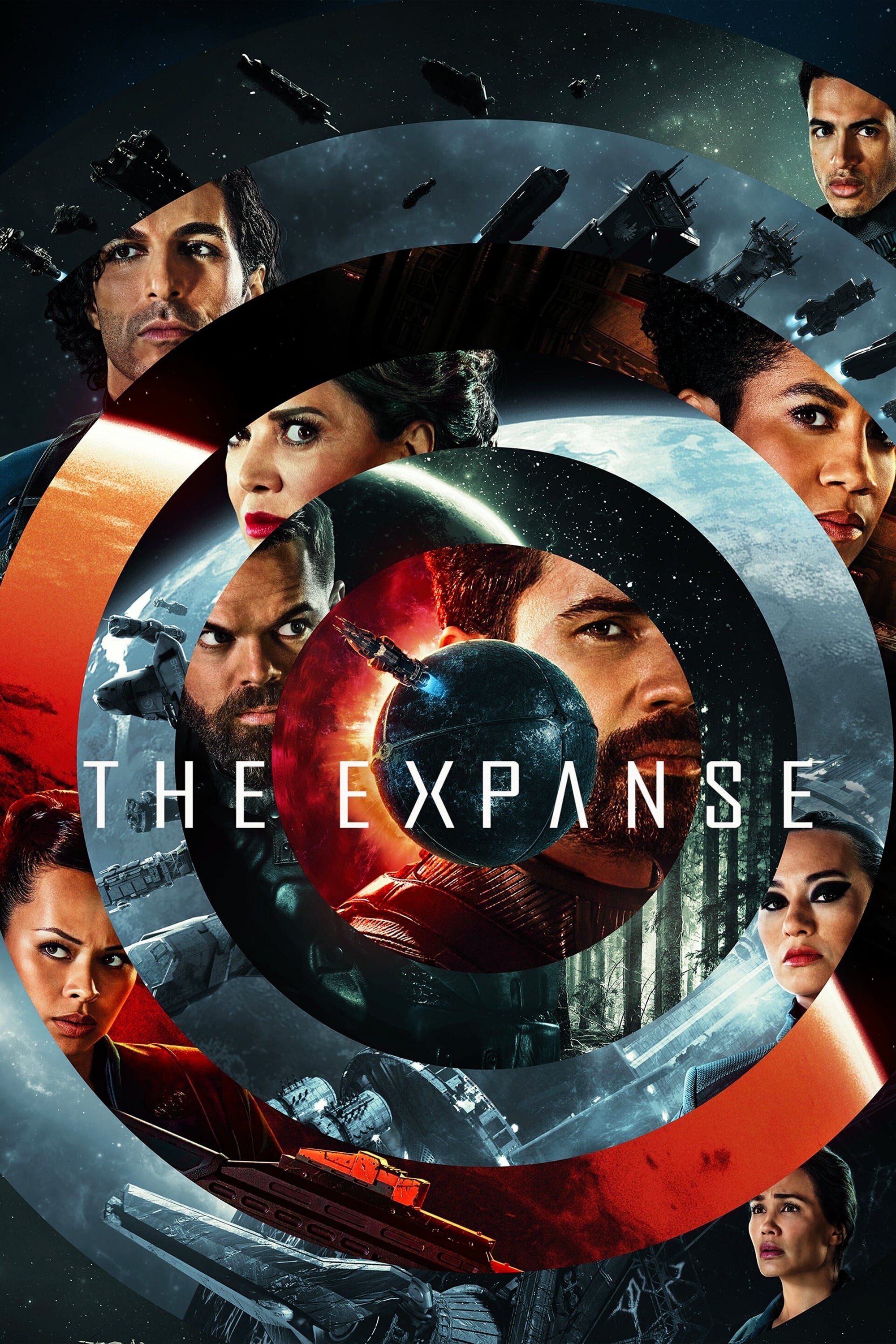
Prospect2018
A lean, beautifully shot indie SF film about a father and daughter scavenging on a hostile alien moon. Gritty, character-driven, and genuinely tense without big budgets.
But Low-profile with minimal dialogue and a deliberately unglamorous aesthetic. Won't satisfy anyone wanting mainstream action or clear emotional beats.
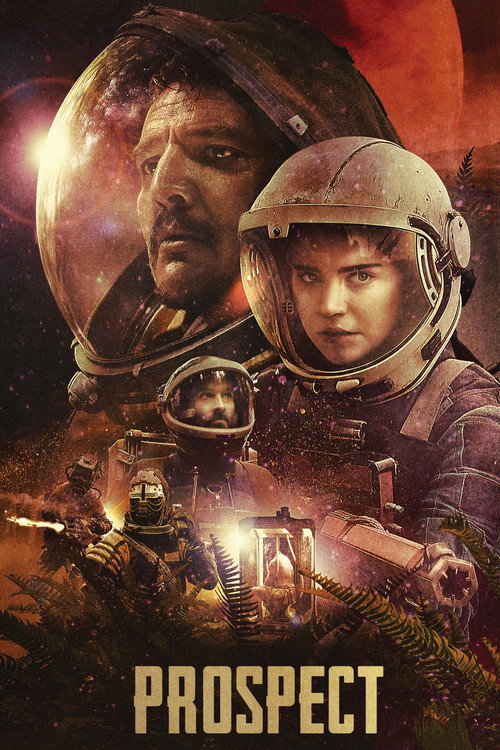
Poetry2010
Both explore how humans construct meaning in indifferent circumstances. Both suggest that beauty and art persist even when—or because—everything is ending.
Lee Chang-dong's quiet masterpiece about an elderly woman discovering poetry and purpose in a small Korean town. Devastatingly subtle and morally complex, with an ending that haunts for years.
But Nothing happens. It's a slow excavation of character and guilt. Demands active watching and rewards silence, not discussion.

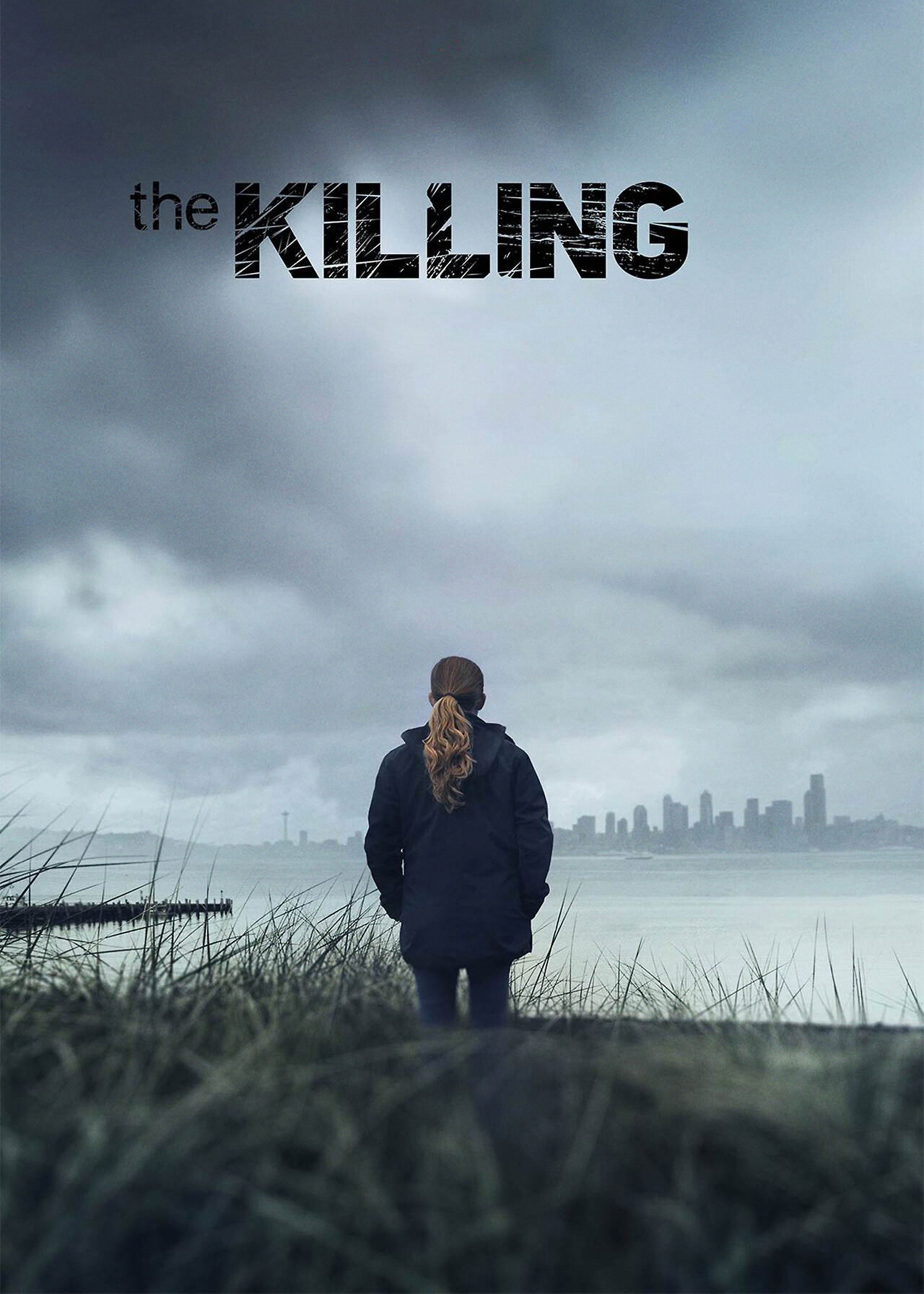
The Killing2011
Both refuse sentiment and insist we sit with despair. Both suggest that understanding the truth might be worse than not knowing. Both are genuinely bleak.
Danish noir about detectives and a murdered girl, but it's really about institutional failure, compromise, and how people cope with meaningless suffering. Sarah Lund is unforgettable.
But Methodical to the point of grimness. Four seasons, and hope erodes with each one. Offers no catharsis or redemption, only accumulated weight.
People
Cast
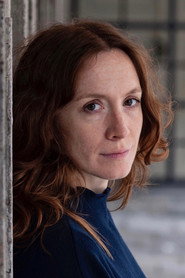 Emelie GarbersMimaroben
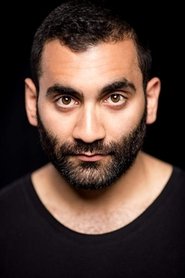 Arvin KananianChefone
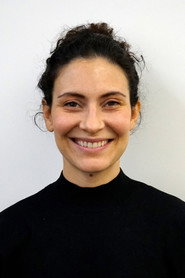 Bianca CruzeiroIsagel
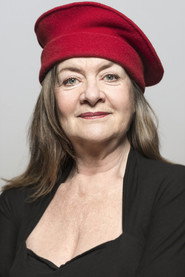 Anneli MartiniThe Astronomer
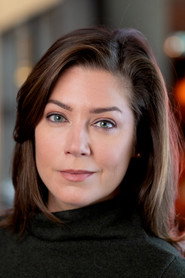 Jennie SilfverhjelmLibidel
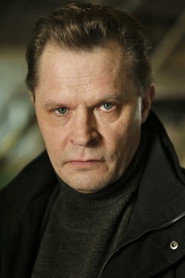 Peter CarlbergChief Engineer
- Emma BrooméChebeba
 Jamil DrissiThe Intendent
- Leon JiberDaisi Doody
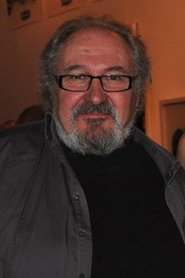 Juan RodríguezThe Man from Gond
 David NzingaMima Host

Directing
- Hugo LiljaDirector
- Pella KågermanDirector
Writing
- Harry MartinsonNovel
- Hugo LiljaScreenplay
- Pella KågermanScreenplay
Production
- Markus WaltåAssociate Producer
- Jerry CarlssonCasting
- Daniel ThisellCo-Producer
- Fredrik LjungbergCo-Producer
- Hugo LiljaCo-Producer
- Johannes Rothaus NørregaardCo-Producer
- Lisa WidénCo-Producer
- Pella KågermanCo-Producer
- Danny GabaiExecutive Producer
- Eddy MorettiExecutive Producer
- Glenn LundExecutive Producer
- Meta Louise Foldager SørensenExecutive Producer
- Natalie FarreyExecutive Producer
- Nina BisgaardExecutive Producer
- Vincent LandayExecutive Producer
- Annika RogellProducer