
Film
Poetry
- Drama
- Slow-burning
A 60-year-old South Korean woman discovers poetry while her memory frays and her family fractures around a terrible secret. Lee Chang-dong's film moves with deliberate grace, finding beauty in small gestures and quiet conversations. It's for anyone willing to sit with moral complexity and emotional ambiguity—no neat resolutions, just the texture of a life reckoning with itself.
Should you watch it?
Watch it if you are drawn to slow, observant films where a quiet search for meaning carries more weight than plot, and you don't mind sitting with moral discomfort without being handed easy answers.
Skip it if you need momentum or a clear story arc, since long stretches are spent watching an ordinary life in close, unhurried detail and the film rarely reaches for catharsis.
What it asks of you: Its 139 minutes move at a deliberate pace, with scenes that linger past comfort and a muted tone even when the material turns harsh.
Not sure? Find tonight's pick in a minute.
If you liked this
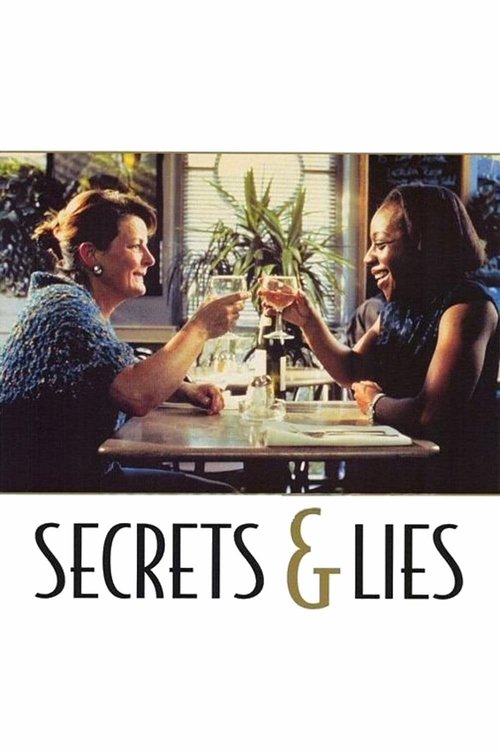
Secrets & Lies1996
Mike Leigh's ensemble discovers a hidden adoption that unravels decades of family mythology. Like Poetry, it trusts viewers to hold contradictory feelings about flawed people doing their best and their worst simultaneously.
But The emotional excavation is exhausting, and there's no catharsis or redemption waiting at the end—just honesty.
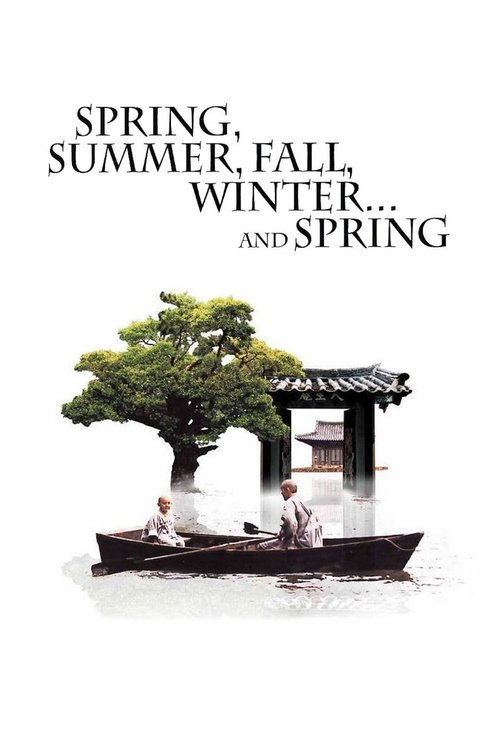
Spring, Summer, Fall, Winter... and Spring2003
A Buddhist monk and his apprentice live in isolation on a floating temple, aging through seasons and cycles. It shares Poetry's belief that small, ordinary moments contain everything; the camera is patient and the silences matter.
But Plotless and hypnotic, it requires you to surrender to rhythm rather than narrative. Some find it meditative; others find it glacial.
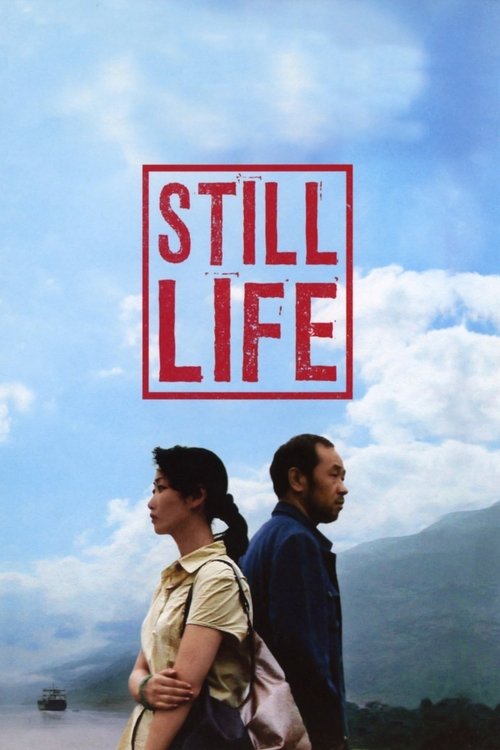
Still Life2006
Jia Zhangke follows a man searching for his estranged wife through a town being demolished for the Three Gorges Dam. Both films observe how ordinary people endure displacement and loss with quiet, devastating dignity.
But It's shot in long, unflinching takes that can feel austere. Plot is minimal; mood and implication do all the work.
Not sure tonight? Get a pick in a minute, starting from Poetry
The wildcard
Something you would not have found on your own.
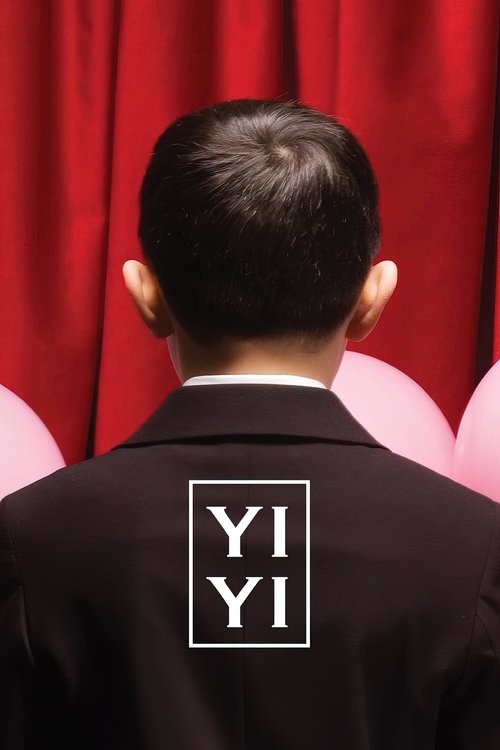
Yi Yi2000
Both are chamber dramas about families holding secrets and memory failing them, told by filmmakers convinced that the smallest gestures—a glance, a poem written in a notebook—matter more than plot.
Edward Yang's three-hour Taiwanese epic about a multigenerational family and the small, irreversible moments that shape them. Like Poetry, it finds the weight of existence in overheard conversations and parallel storylines; it believes cinema can capture what it means to be alive.
But Three hours, no conventional dramatic arc, and the sense that nothing is resolved because life doesn't resolve things. It requires patience and rewards it abundantly.
More like this (7)
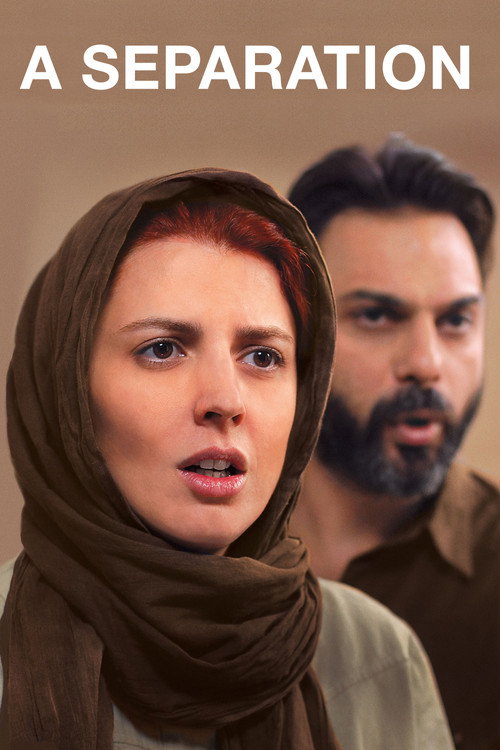
A Separation2011
An Iranian couple's divorce spirals into a web of class, faith, and moral compromise that has no villain. Like Poetry, it asks whether we can judge people's choices without knowing everything they carry.
But It's intellectually rigorous in a way that can feel cold. The ambiguity that powers it might frustrate you instead of moving you.
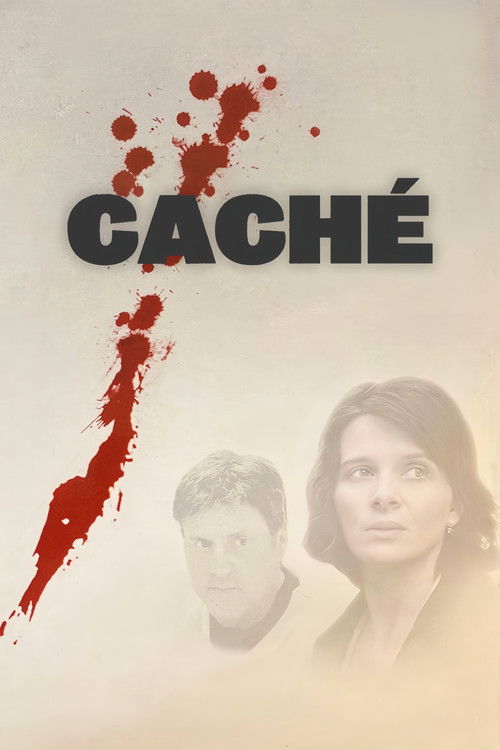
Caché2005
Michael Haneke's mystery about a well-off Parisian couple haunted by their past. Both films are obsessed with what we don't say, what we hide from ourselves, and how guilt festers in silence.
But It withholds information deliberately and ends without resolution. The passivity of the protagonist can feel maddening rather than profound.
Moonlight2016
Barry Jenkins traces a man's life through three chapters, each a portrait of vulnerability and connection. Like Poetry, it finds grace in ordinary moments and refuses to simplify its characters into heroes or villains.
But It's deliberately paced and intimate—some viewers want more plot momentum or external conflict to drive them forward.

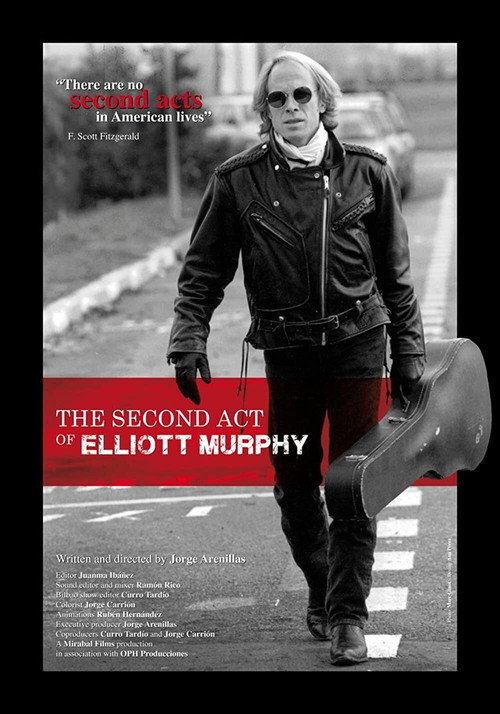
The Second Act of Elliott Murphy2015
A Taiwanese film about a widow and widower navigating late love and regret. It moves at Poetry's contemplative tempo and trusts the audience to find meaning in glances and small kindnesses.
But It's quiet and melancholic. There's no romantic fairy tale here, just two people trying to matter to each other before time runs out.
Tokyo Story1953
Ozu's masterpiece about an aging couple visiting their adult children in Tokyo. Both films are unhurried elegies for time's passage, finding depth in everyday conversation and the spaces between words.
But It moves at its own pace—glacial by modern standards. Some viewers will find the minimal plot and repetitive rhythms tedious rather than meditative.

The Act of Killing2012
Both grapple with the unbridgeable gap between knowing something happened and truly understanding it, and both refuse the comfort of moral clarity. A family holds a secret; a nation holds one too.
Joshua Oppenheimer's documentary interviews retired Indonesian death squad leaders who reenact their murders for the camera. It's a moral investigation into complicity, memory, and whether people can reckon with atrocity, touching the same raw nerve as Poetry's central crime.
But It's harrowing and ethically complicated—some viewers find it manipulative. Watching perpetrators perform their violence, even playfully, causes real distress.

The Seventh Seal1957
Both are artists' films about confronting the end of things—time, memory, life itself—and both believe that the act of creation (poetry, art, love, small kindnesses) is how we answer back to oblivion.
Bergman's knight plays chess with Death itself while a plague ravages the land. It's a medieval allegory about mortality, meaning-making, and whether beauty matters when everything ends—the same spiritual reckoning Poetry enacts in a modern grandmother's poetry class.
But It's symbolist and expressionistic, nothing like Poetry's realism. If you want metaphor to stay grounded in the actual world, Bergman's abstractions will feel stagey and remote.

People
Cast
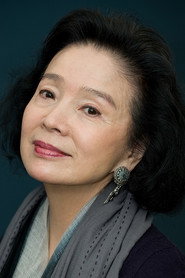 Yoon Jeong-heeYang Mi-ja
 David LeeJong-wook
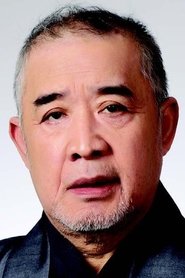 Kim Hee-raElder Kang
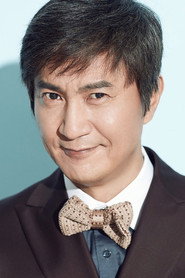 Ahn Nae-sangKi-beom's Father
- Kim Yong-taekPoet
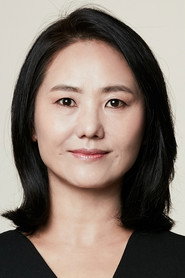 Park Myung-shinHee-jin's Mother
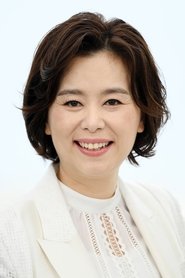 Jang Hye-jinMr. Kang's Second Daughter-in-Law
 Kim Nam-jinSoo-ok
 Kim Jong-gooPark Sang-tae
 Kim Hye-jungJo Mi-hye
 Min Bok-giSoon-jeong's Father
 Kim Ja-youngBus Woman
Directing
- Park Jung-bumAssistant Director
- Lee Chang-dongDirector
- Lee Mi-rangScript Supervisor
Writing
- Lee Chang-dongWriter
Production
- Jung Myung-sooCo-Executive Producer
- Lee Seung-hoCo-Executive Producer
- Michel Saint-JeanCo-Executive Producer
- Lee Dong-haCo-Producer
- Choi Seong-minExecutive Producer
- Youm Tae-soonExecutive Producer
- Yun Chang-sukLine Producer
- Lee Joon-dongProducer
Recommended by
Chihayafuru, The Great Beauty, Aniara, Lancelot of the Lake, The Home and the World, Uncle 'Bar' at Barbershop, Toute une nuit, Tropical Malady, 3-Iron, The Idiot, Natsamrat, The Alzheimer's Project: The Memory Loss Tapes, Still Life, A Poet in New York, A Doll's House, Adagio, The Assault, The Arrival, Tara Road, Solo Sunny