
Film
The Idiot
Other titles called The Idiot: the 1951 film.
Vladimir Kutsov's radical adaptation of Dostoevsky relocates the novel to contemporary Estonia, stripping away period detail to expose the story's bones: a guileless man returns from exile and triggers moral chaos in those around him. Shot with austere intensity, it's a philosophical thriller about innocence as provocation. For viewers ready to sit with discomfort and ambiguity.
Should you watch it?
Watch it if you love long, talky character studies where a decent man's kindness exposes everyone else's vanity, and you don't mind sitting with their discomfort for two hours.
Skip it if you need brisk momentum, since this is a slow piece where much of its force comes from people simply sitting in rooms and talking.
What it asks of you: Two hours and change of unhurried time, with scenes that linger on faces and silences, and attention that stays steady rather than chasing plot.
Not sure? Find tonight's pick in a minute.
If you liked this
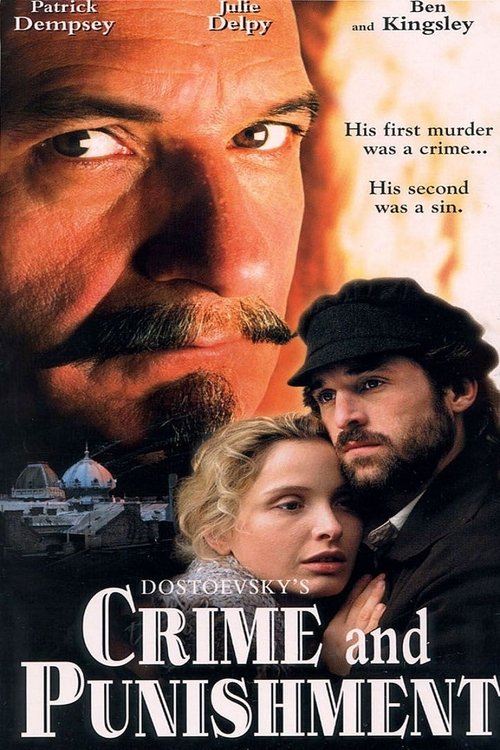
Crime and Punishment1998
Haneke's other Dostoevsky adaptation shares this film's willingness to strip the source material down and relocate it radically—here to contemporary Vienna. Same philosophical intensity, same sense of moral vertigo.
But Glacially paced and genuinely bleak. If you want catharsis or resolution, you won't find it here.
The Seventh Seal1957
Bergman's medieval knight confronting mortality and his own powerlessness has the same philosophical weight and the same structural elegance. Both films use extreme simplicity to ask enormous questions.
But The existential dread never lifts. Some will read it as austere; others as punishing.

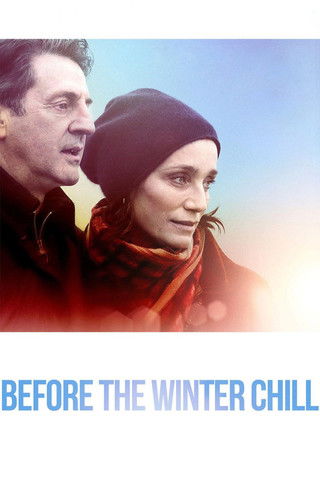
Before the Winter Chill2013
Another Kutsov film with the same unflinching style and intellectual rigour. If you're drawn to The Idiot's particular register—clear-eyed, unsentimental, deeply moral—this is the director to follow.
But His work rewards patience but doesn't offer warmth. Not a filmmaker for every mood.
Not sure tonight? Get a pick in a minute, starting from The Idiot
The wildcard
Something you would not have found on your own.
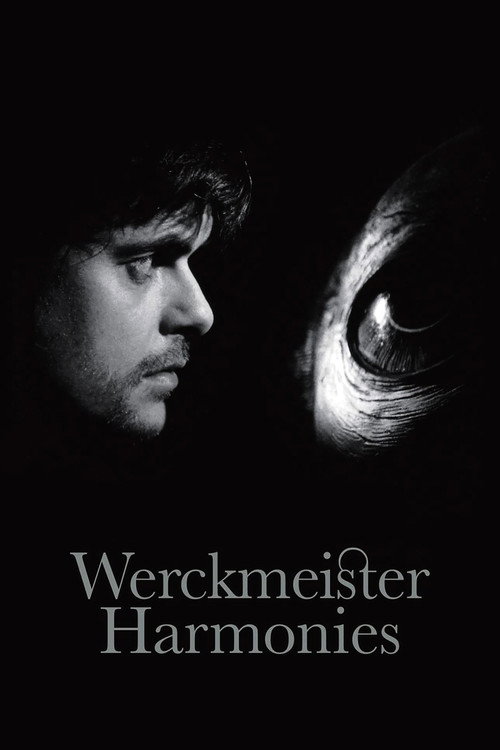
Werckmeister Harmonies2001
Both films use an innocent protagonist as a mirror that forces a community to see itself. Both understand goodness as a kind of contamination.
Tarr's earlier masterpiece, also set in an unnamed Eastern European town where an innocent, gentle man arrives and the community fragments around him. Same premise but infinitely stranger—operatic where The Idiot is stark. Shot in black and white with takes that last minutes. A corruption story told as apocalypse.
But Visually hypnotic but structurally anarchic. You'll need patience bordering on meditation. Forty minutes in, you may wonder if anything is happening at all.
More like this (8)
A Prophet2009
Audiard's prison drama watches a naive young man navigate a world of corruption and violence, transformed by proximity to it. Same tragic shape: innocence cannot survive contact with the world.
But Conventionally plotted compared to The Idiot. Feels almost like a thriller alongside Kutsov's philosophical meditation.

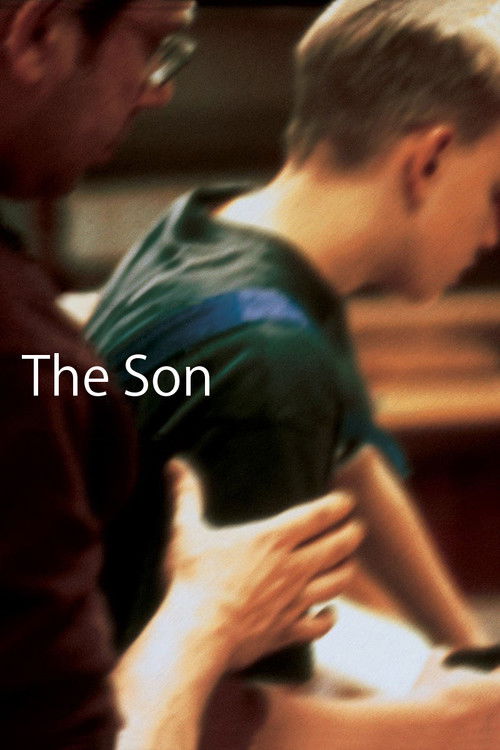
The Son2002
The Dardenne brothers' Calvinist examination of grace and punishment. A carpenter's life is disrupted by a stranger; the film watches how he responds. Same moral architecture, quieter register.
But Very slow. Very Belgian. The emotional payoff is intellectual rather than felt.
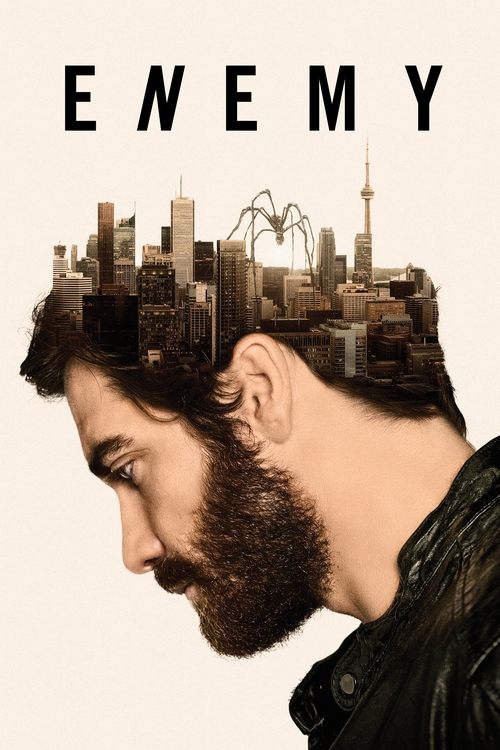
Enemy2014
Villeneuve adapts another Hamsun novel about a man whose harmless actions trigger cascading misunderstanding and paranoia. Paranoia as philosophy. Dostoevsky adjacent in its moral vertigo.
But Deliberately opaque. The ending offers no explanation. Frustrating if you need clarity.
Stalker1979
Tarkovsky's three men journeying through Zone chasing something unknowable. Philosophically dense, structurally patient, asking what we really want. Same willingness to make cinema from ideas.
But Nearly three hours of people walking and talking. If you need plot momentum, walk away now.

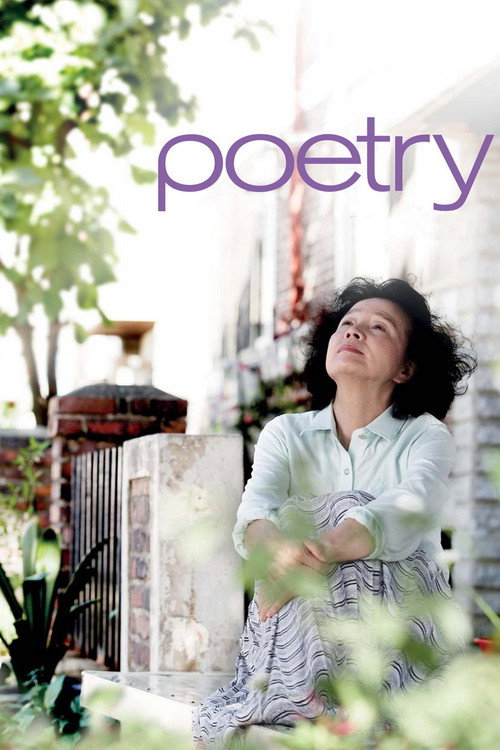
Poetry2010
South Korean film about an elderly woman discovering poetry after years of numbness. Quietly subversive about morality and goodness. Film asks hard questions about whether innocence can coexist with knowledge.
But The subject sounds gentle. It isn't. Some will find it manipulative in its moral complexity.
The Turin Horse2011
Béla Tarr's final film, same year as The Idiot, watching a man and his servant's last days in philosophical free fall. Both films contemplate human dignity in collapse.
But Bleak to the point of nihilism. Nearly wordless. Tarr's trademark grey palette will feel like punishment to some.

Contempt1963
Both watch goodness fail. Where Kutsov's film is philosophical inquiry, Godard's is philosophical rage—faster, angrier, more broken-hearted.
Godard's film about a film production collapsing. Seems unrelated—until you recognize it's also about how people weaponize each other's decency against them, how clarity breeds contempt. Shot in colour and speed that makes The Idiot's austerity look almost warm. A completely different formal language arriving at similar moral desolation.
But Meta, essayistic, mid-production collapse. Audiences expecting narrative will feel cheated. Feels broken by design.

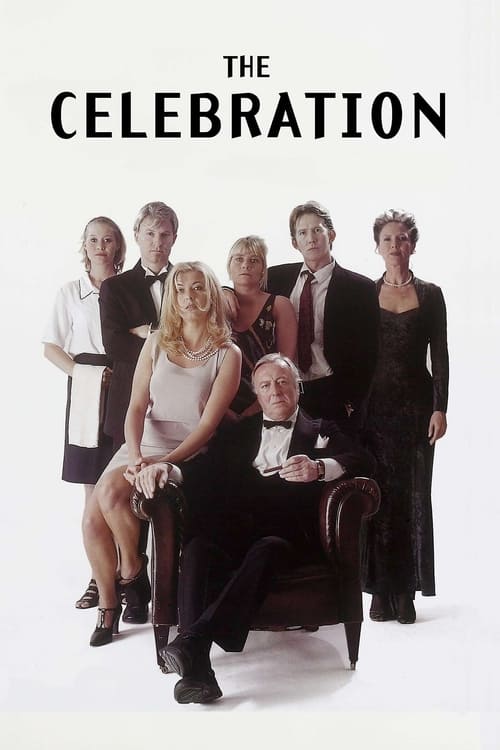
The Celebration1998
Both understand that goodness—truth-telling, honesty—can feel like violence to those invested in the lie. But where The Idiot is tragic and abstract, Festen is angry and concrete. Estonian philosophy meets Danish family horror.
Vinterberg's Dogme95 chamber film: a family gathering where one son announces his father abused him. A four-walled, real-time bomb. Like The Idiot, it's about how one voice speaking truth creates unbearable social pressure on everyone around it—except here the truth is specific, verifiable, undeniable. No philosophy; just wreckage.
But Claustrophobic and ugly. You'll spend two hours watching people resist hearing what's right in front of them. Some will find it exploitative. The handheld digital video is deliberately ugly.
People
Cast
 Risto KübarMõškin
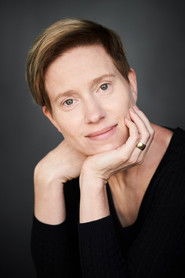 Katariina UntNastasja Filippovna
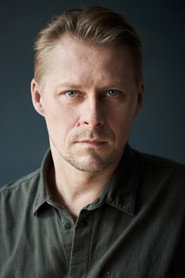 Tambet TuiskRogožin
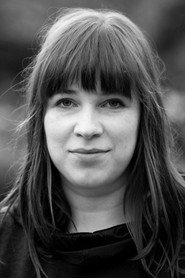 Ragne VeensaluAglaja
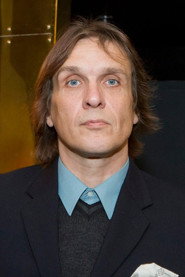 Taavi EelmaaLebedev
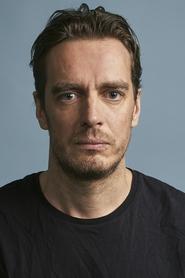 Juhan UlfsakIppolit
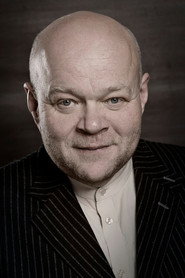 Ain LutseppJepantsin
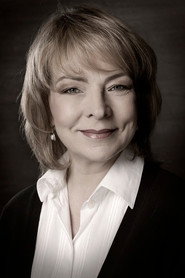 Ülle KaljusteJelizaveta
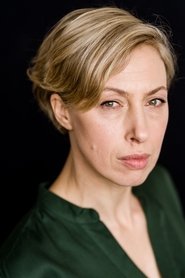 Tiina TauraiteAleksandra
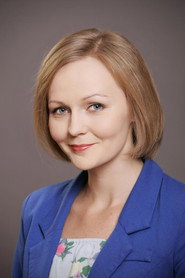 Sandra UusbergAdelaida
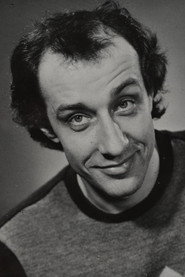 Roman BaskinTotski
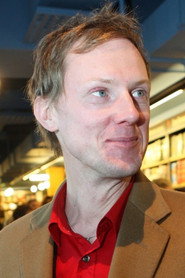 Kaido VeermäeGanja
Directing
- Rainer SarnetDirector
- Helen ValknaFirst Assistant Director
Writing
- Fyodor DostoevskyNovel
- Rainer SarnetWriter
Production
- Salme-Riine UiboCasting
- Katrin KissaProducer