
Film
Riverrun
Riverrun follows Lucy, a musician grappling with physical deterioration and vocal loss, as she journeys through a Spanish clinic toward self-discovery. It's a contemplative, character-driven drama about embodiment and identity. Charlotte Gainsbourg anchors this intimate exploration of how we lose control and find meaning—for those drawn to chamber-like psychological portraits.
Should you watch it?
Watch it if you're drawn to quiet, interior dramas where the emotional movement is slow and inward, and where a body's failing becomes a way of looking at identity rather than a plot engine.
Skip it if you need a story with clear momentum and tidy answers; this one drifts, lingers in mood, and may frustrate anyone wanting its questions resolved.
What it asks of you: Plan for an unhurried pace where quiet moments carry the weight, and give it attention, as much of the meaning sits in glances and silences rather than dialogue.
Not sure? Find tonight's pick in a minute.
If you liked this
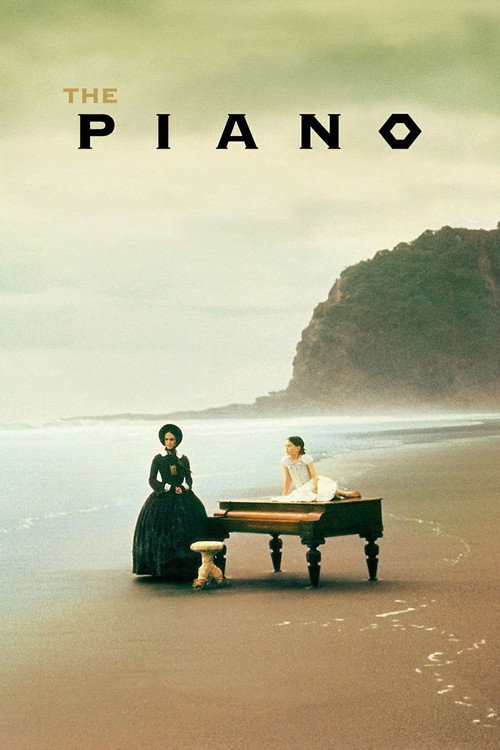
The Piano1993
A woman reclaims agency through music and touch after profound loss. Like Riverrun, it's physically and emotionally precise about how bodies express what words cannot.
But The pacing is deliberate and sensual rather than plot-driven; some find it slow.
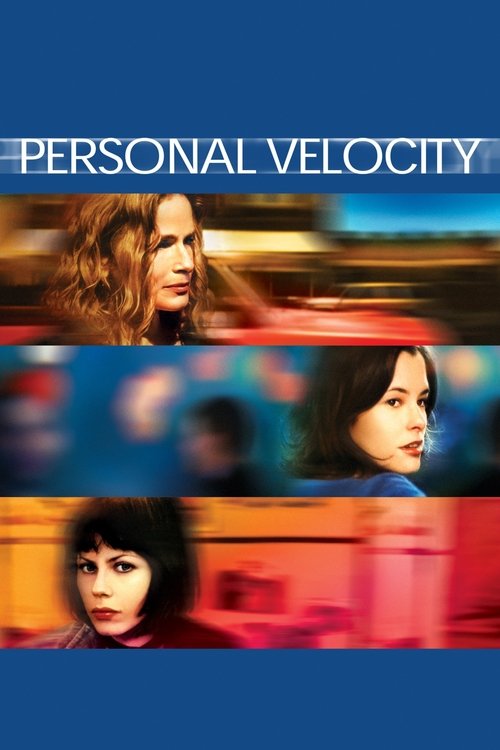
Personal Velocity2002
Three women rebuild themselves after crisis through radical independence. Shares Riverrun's interest in female autonomy, embodied experience, and the messy work of becoming.
But Shot in handheld digital video that can feel claustrophobic; the narrative structure fragments across three stories.
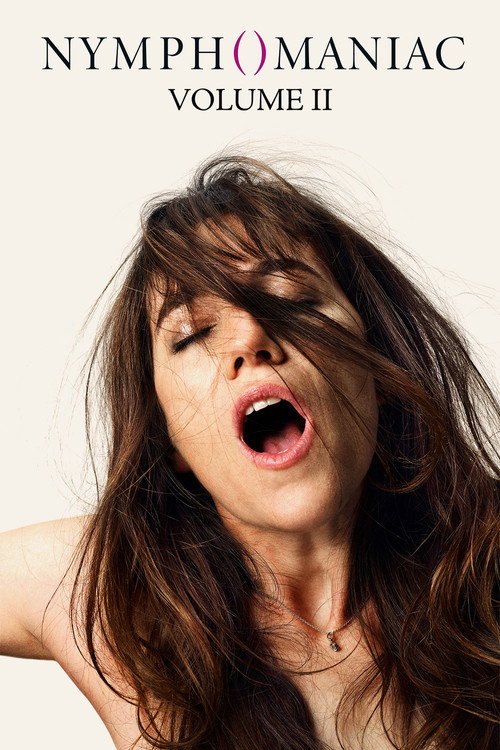
Nymphomaniac: Vol. II2013
Lars von Trier's frank, searching portrait of a woman mapping her own desire and pain. Both films treat the body as a site of knowledge and struggle without flinching.
But Explicit sexual content and graphic violence; it's punishing and sometimes feels designed to unsettle rather than move.
Not sure tonight? Get a pick in a minute, starting from Riverrun
The wildcard
Something you would not have found on your own.
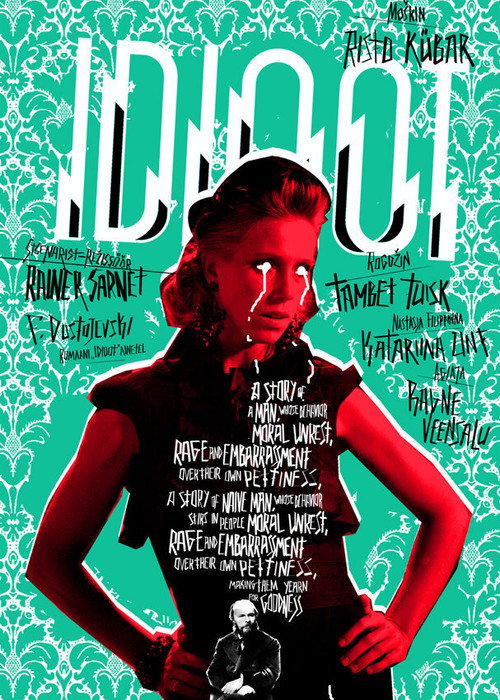
The Idiot2011
Both chart the dissolution of a coherent self—but where Riverrun searches for recovery, Dostoevsky's idiot questions whether a unified self ever existed at all.
A four-part Russian adaptation of Dostoevsky centered on spiritual crisis and moral confusion. Matches Riverrun's exploration of how self fragments under unbearable pressure, but through philosophical intensity rather than psychotherapy.
But Dense, Russian, and bleak; over five hours and requires patience with abstraction and suffering.
More like this (8)
Mulholland Drive2001
Explores identity fragmentation and the cost of self-reinvention through dreamlike narrative. Both films prize psychological texture over plot clarity.
But The non-linear structure demands close attention and multiple viewings; some sequences feel willfully opaque.

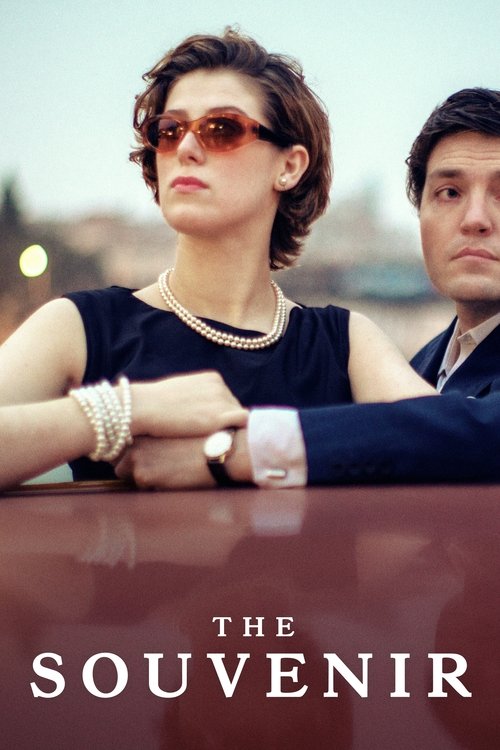
The Souvenir2019
Honor Swinton Byrne gives a restrained, observational performance about a young artist processing grief and manipulation. Quiet intensity and formal sophistication.
But Deliberately slow and oblique; if you want narrative clarity or catharsis, this will frustrate.
Jeanne Dielman, 23, quai du Commerce, 1080 Bruxelles1976
Chantal Akerman's radical portrait of routine, embodiment, and the invisible labor of being. A precursor to any film interested in how bodies move through time and space.
But Three hours of a woman doing housework; minimalist to the point where conventional drama feels absent.

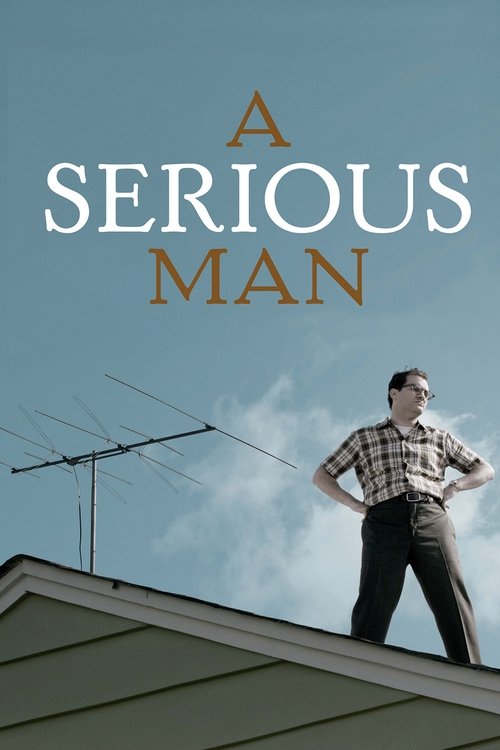
A Serious Man2009
The Coens examine how identity fragments under pressure. Like Riverrun, it's interested in psychological states and the search for meaning when control slips away.
But Darkly comic where Riverrun is grave; the tone shift might feel jarring if you're seeking something equally serious.
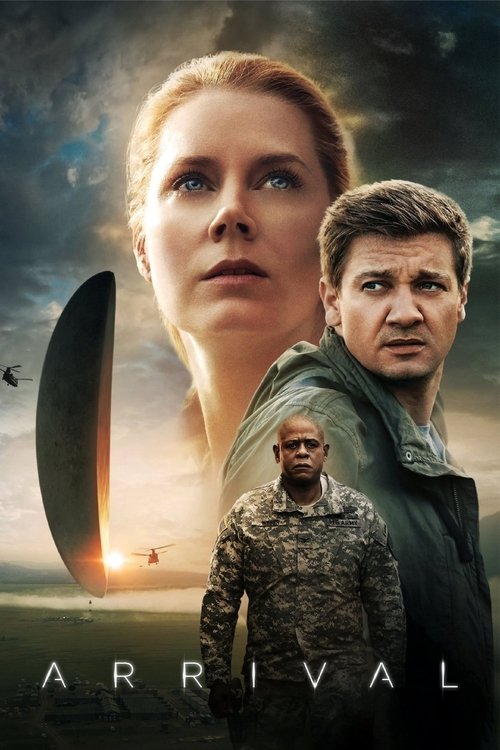
Arrival2016
Louise Banks transforms through language and communication. Both films are about the profound ways we reshape ourselves when we truly encounter another consciousness.
But Science-fiction framework and higher budget; if you prefer chamber intimacy, this might feel too polished and engineered.
Under the Skin2014
Scarlett Johansson in an enigmatic, wordless study of presence and otherness. Mica Levi's score and Jonathan Glazel's patient direction create Riverrun's meditative register.
But Dialogue is sparse and plot is minimal; it's more mood and texture than narrative—taxing for viewers seeking story.

A Ghost Story2017
Both use physical constraint—Lucy's failing body, the ghost's isolation—to examine consciousness and what remains when we can no longer act in the world.
Casey Affleck, shrouded in a sheet, watches time consume a home and life he loved. A radical meditation on presence, absence, and how identity persists (or dissolves) after loss.
But Formally experimental and metaphysical; some will find it precious or insufferably slow.

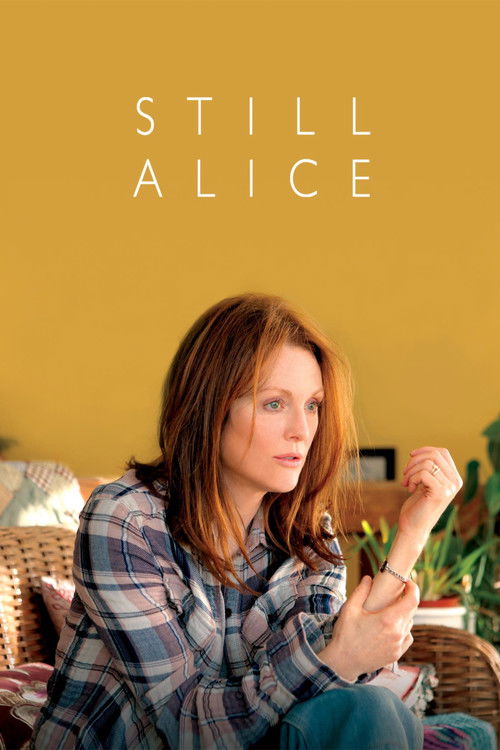
Still Alice2014
Both are portraits of women navigating loss of control, but Still Alice locates the drama in family dynamics and linear decline, while Riverrun seems to seek transformation or acceptance within that loss.
Julianne Moore's performance as a woman losing her mind is unflinching and tender. Like Riverrun, it's about a woman watching her instrument—mind or body—betray her, and the love that persists through dissolution.
But Mainstream and emotionally direct where Riverrun sounds more formally ambitious; it may feel too conventional if you're seeking art cinema.
People
Cast

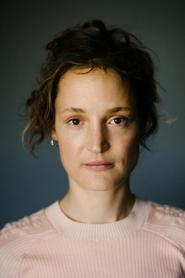 Vicky KriepsTony
 Zoe SaldañaDr. Cruz
Directing
- Philippe ParrenoDirector
Writing
- Philippe ParrenoWriter
Production
- Katrin PorsCo-Producer
- Reef OldbergCo-Producer
- Gina GammellExecutive Producer
- Riley KeoughExecutive Producer
- Anna Lena VaneyProducer
- Marco PeregoProducer
- Martine d'Anglejan-ChatillonProducer
- Sacha Ben HarrocheProducer
- Zico JudgeProducer
- Anna Colomer NoguéProduction Designer