
Film
Arrival
Arrival is science fiction built like a language lesson rather than an invasion movie: a linguist is handed the impossible task of talking to visitors whose grammar reshapes how time itself is experienced. It's cool, patient, and visually spare, propelled by Amy Adams' extraordinary stillness. Best for anyone who wants aliens that provoke philosophy and grief rather than explosions, and who doesn't mind the heartbreak arriving slowly.
If you liked this
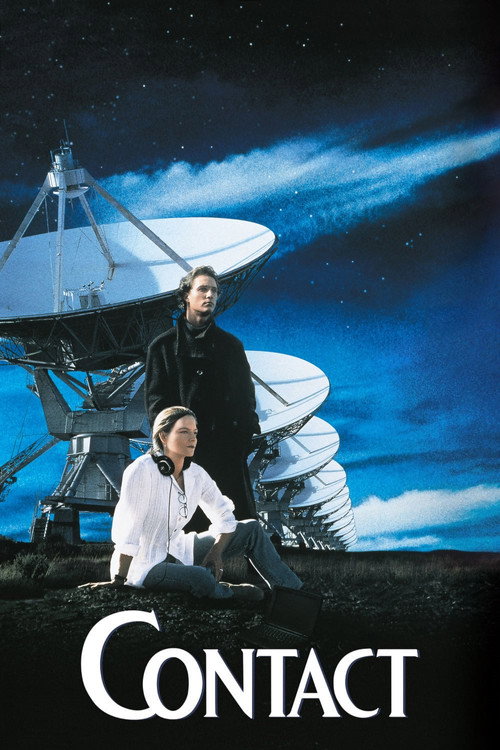
Contact1997
Jodie Foster's scientist chases first contact with the same mix of awe, grief, and scientific rigor; based on Carl Sagan's novel, it's the spiritual older sibling to Arrival's slow-burn wonder.
But Its late-90s effects and heavier religious-vs-science debate can feel dated and talkier than Villeneuve's spare visuals.
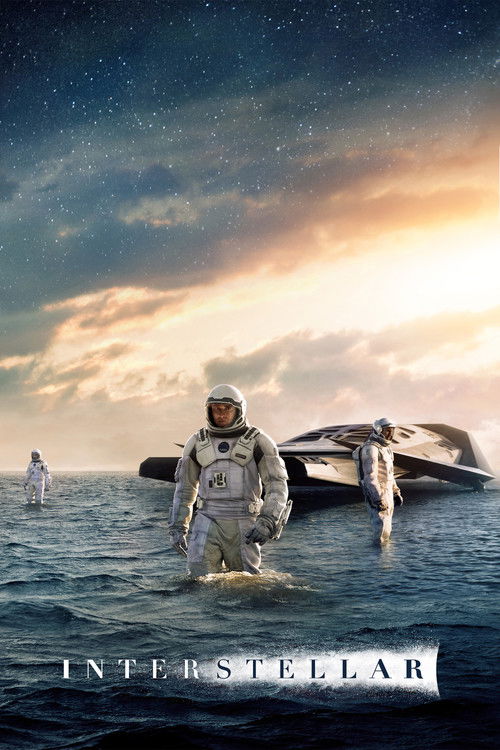
Interstellar2014
Same emotional engine — love and time bending physics — with Nolan's grander scale; also stars a scientist wrestling with impossible choices under cosmic stakes and a parent-child bond across time.
But Louder, more maximalist and sentimental than Arrival's hush; the score and set pieces go big where Arrival stays quiet.
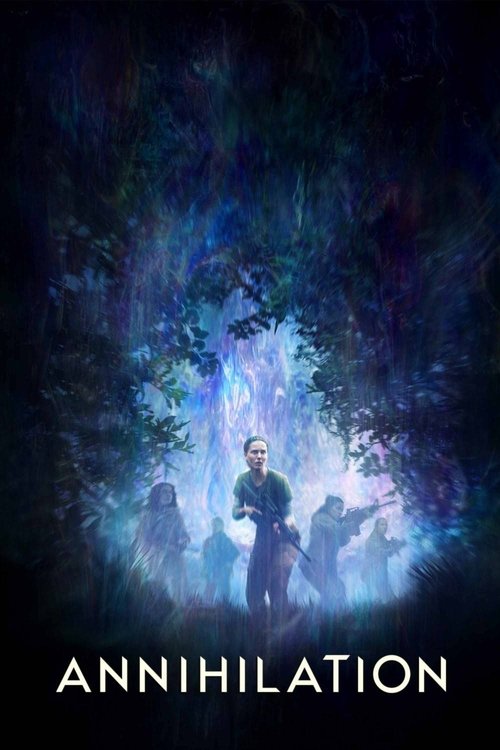
Annihilation2018
Alex Garland's other alien-contact film treats an incomprehensible intelligence with the same eerie patience, trading dialogue for dread and asking what change without translation actually costs a person.
But Far more body-horror and surreal than cerebral; if you wanted Arrival's warmth, this delivers unease instead.
The wildcard
Something you would not have found on your own.
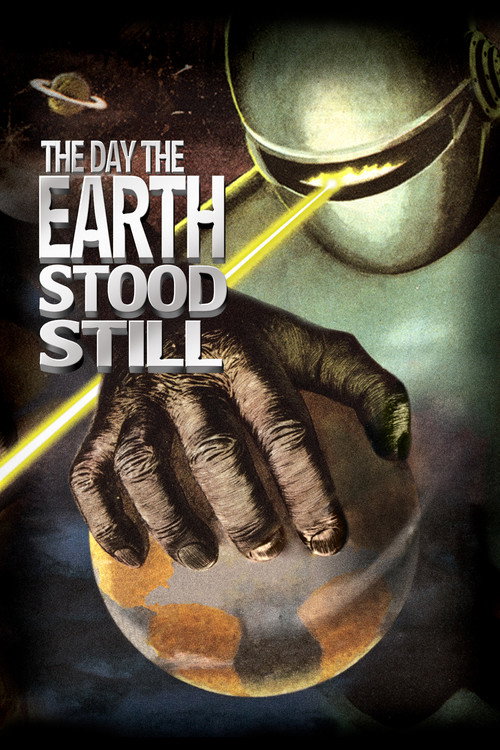
The Day the Earth Stood Still1951
Same premise stripped to its studio-era bones — a peaceful visitor, panicking generals, and the idea that understanding is the only weapon that matters. Arrival trusts a linguist with the answer; this film trusted a scientist and a robot, seventy years earlier.
Decades before Villeneuve, this Cold War-era first-contact film insists communication, not weapons, is the way through fear — a peaceful envoy trying to be understood by a trigger-happy world.
But Black-and-white and stagey by modern standards, its message lands with the blunt sincerity of its era rather than any ambiguity.
More like this (8)
Ex Machina2015
Garland's quiet, closed-room thriller about talking to a non-human intelligence and realizing you might not understand the terms of the conversation — smart, restrained, unsettling in the same register.
But Swaps space and grief for claustrophobic tech-thriller tension; no cosmic wonder, just one very tense house.

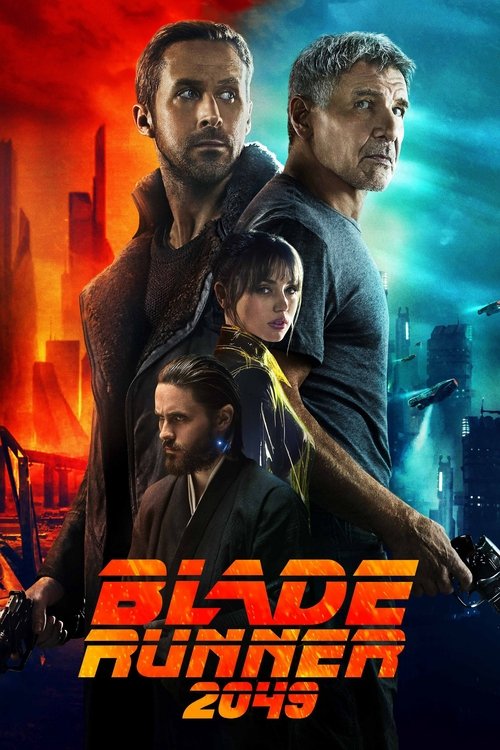
Blade Runner 20492017
Villeneuve's other masterpiece of mood — same cinematographer, same unhurried confidence that images can carry meaning words can't, same ache underneath the spectacle.
But Nearly three hours and heavier in tone; a very different genre skin, noir dystopia rather than first-contact wonder.
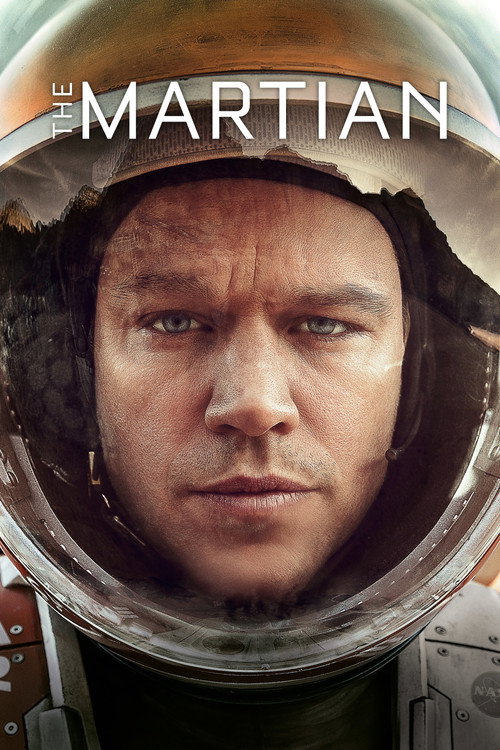
The Martian2015
A far more optimistic companion piece — science as problem-solving heroism rather than metaphysics, and a reminder that facing the unknown can also just mean being resourceful and funny.
But Brisk, breezy, almost the tonal opposite of Arrival's melancholy; little of the philosophical weight.
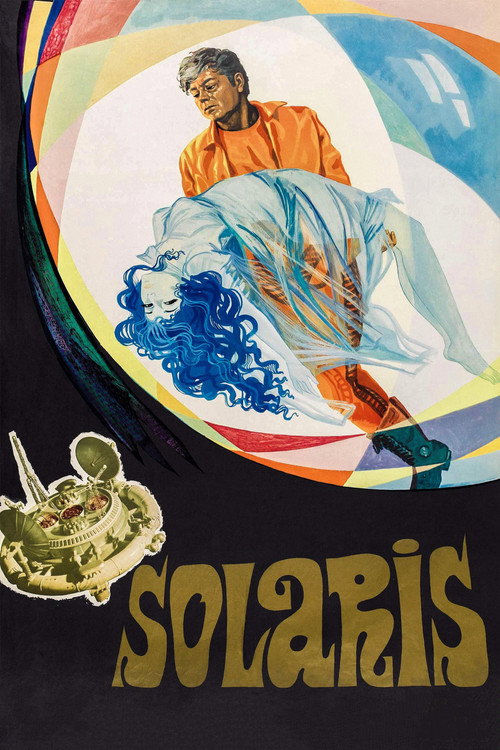
Solaris1972
Tarkovsky's original meditation on grief, memory, and an alien intelligence that communicates through what you've lost — Arrival's spiritual grandparent, unhurried to the point of hypnosis.
But Nearly three hours of deliberately glacial pacing in Russian; demands patience most modern viewers aren't used to giving.
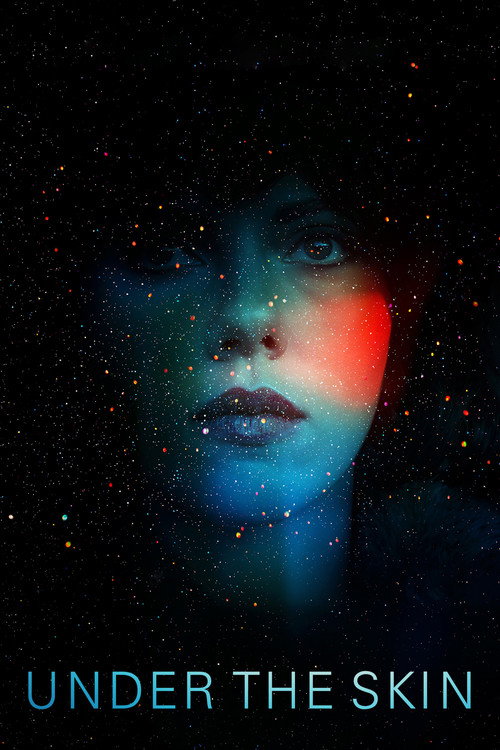
Under the Skin2014
An alien intelligence experiencing humanity from the outside, told almost wordlessly — hypnotic and asking the inverse question Arrival asks: what does understanding cost the outsider?
But Deliberately opaque and sparse on plot; some will find it beautiful, others simply bewildering.
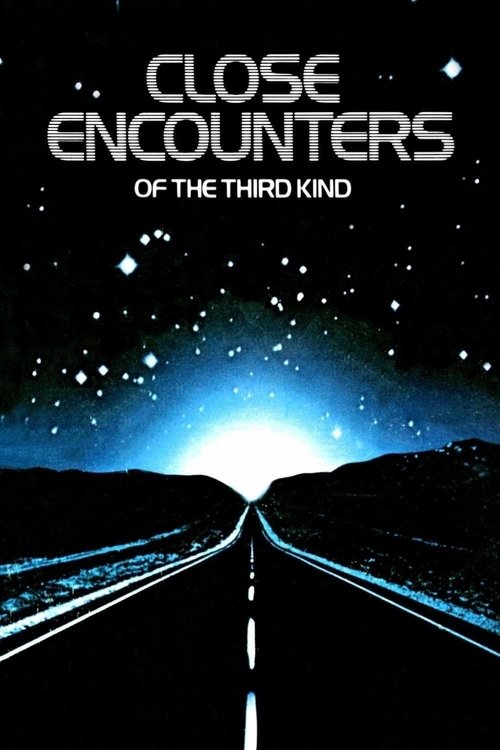
Close Encounters of the Third Kind1977
Spielberg's founding text of hopeful first contact, all light and music instead of language — worth seeing where the genre's optimism about friendly visitors began.
But Sunnier and more old-fashioned in its awe; lacks the intellectual rigor and melancholy Arrival built its reputation on.
The Linguists2008no page yet
Arrival treats language as the thing that shapes how you experience time and self; this documentary shows that exact stake playing out for real, one disappearing language and one dying community at a time.
A real documentary following two linguists racing across the globe to record dying languages before their last speakers pass — Louise Banks's actual job, minus the spaceship, with just as much at stake.
But No spectacle and no plot arc, just fieldwork and grief for vanishing words — a small, slow film next to Arrival's scale.
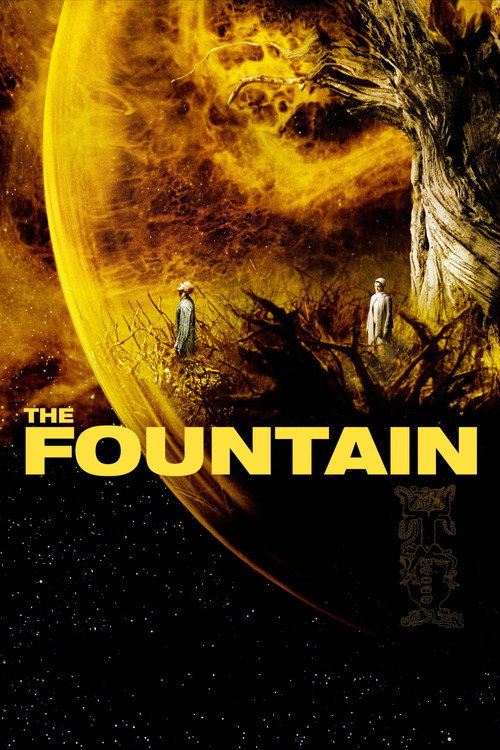
The Fountain2006
Both films use nonlinear structure to argue that foreknowledge of loss doesn't cancel out love — the same emotional physics, told in Arrival's hush versus this film's full orchestral swell.
Aronofsky's operatic, time-spanning story of a man trying to save the woman he loves across three eras is Arrival's emotional core turned up to full mythic volume.
But Where Arrival is cool and restrained, this is lush, strange, and unafraid of melodrama; it can tip into pretension for some viewers.
People
Cast
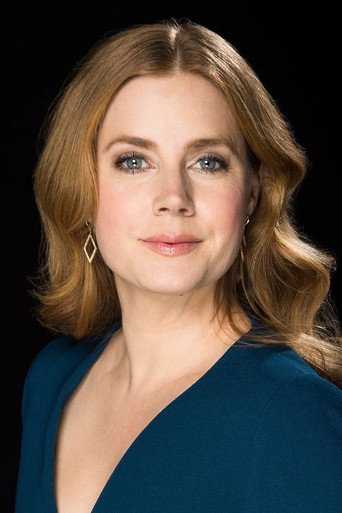 Amy AdamsLouise Banks
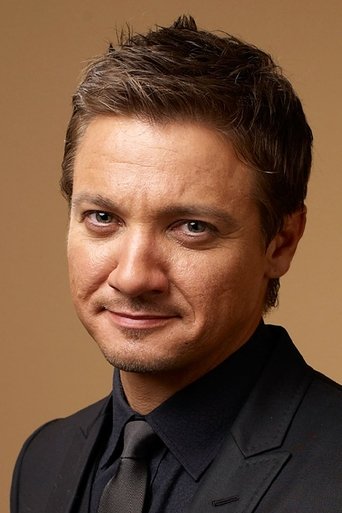 Jeremy RennerIan Donnelly
 Forest WhitakerColonel Weber
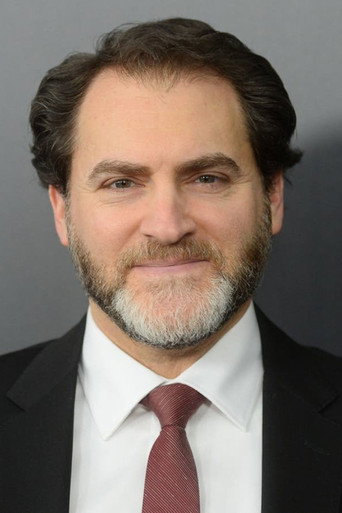 Michael StuhlbargAgent Halpern
 Mark O'BrienCaptain Marks
 Tzi MaGeneral Shang
 Abigail Pniowsky8-Year-Old Hannah
 Julia Scarlett Dan12-Year-Old Hannah
 Jadyn Malone6-Year-Old Hannah
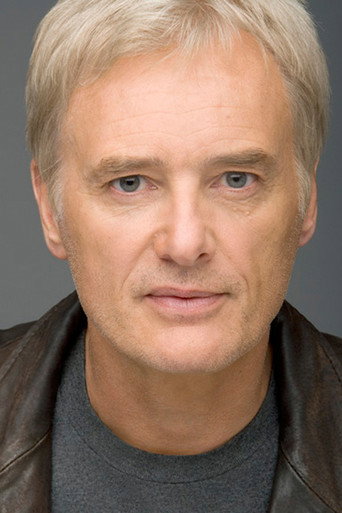 Frank SchorpionDr. Kettler
 Lucas Chartier-DessertPrivate Lasky
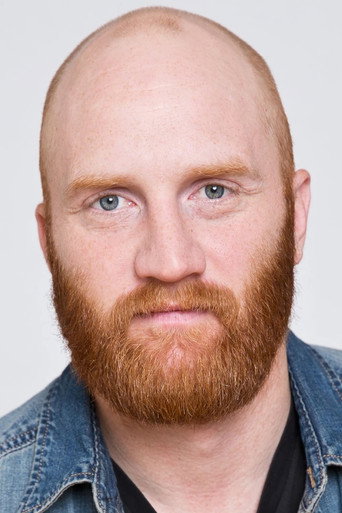 Christian JadahPrivate Combs
Directing
- Denis VilleneuveDirector
- Donald SparksFirst Assistant Director
- Marie-José BourassaFirst Assistant Director
- Isabelle Faivre-DubozScript Supervisor
- Brigitte GouletSecond Assistant Director
- Dandy ThibaudeauSecond Assistant Director
- Karine P. LabelleSecond Second Assistant Director
- Marie-Julie DallaireSecond Unit Director
- Moumita MondalSecond Unit Director
- Carl KouriThird Assistant Director
- Kaven MacDonaldThird Assistant Director
Writing
- Eric HeissererScreenplay
- Jessica CoonScript Consultant
- Ted ChiangShort Story
Production
- Bruce WinantADR Voice Casting
- Dann FinkADR Voice Casting
- Cathy GurvisAssistant Accountant
- Brigitte RenaudAssistant Location Manager
- Bruno LemireAssistant Location Manager
- Francine MaislerCasting
- Jordana SapiurkaCasting Assistant
- Michael JackmanCo-Producer
- Eric HeissererExecutive Producer
- Glen BasnerExecutive Producer
- Milan PopelkaExecutive Producer
- Stan WlodkowskiExecutive Producer
- Tory MetzgerExecutive Producer
- Julie BretonExtras Casting
- Gilles MontreuilFirst Assistant Accountant
- Pierre RaymondHead of Production
- Martin HenriLine Producer
- Michèle St-ArnaudLocation Manager
- Lise ServantPayroll Accountant
- John SylvaPost Production Coordinator
- Aaron RyderProducer
- Dan CohenProducer
- Dan LevineProducer
- David LindeProducer
- Karen LunderProducer
- Shawn LevyProducer
- Nathalie LagacéProduction Accountant
- Tom Di BlasioProduction Accountant
- Aurelie PoirierProduction Assistant
- Caroline ThisdaleProduction Assistant
- Félix ClémentProduction Assistant
- Francois Ricard-SheardProduction Assistant
- Hanna OldenburgProduction Assistant
- Jean-Francois HallProduction Assistant
- Jean-Sebastien LetourneauProduction Assistant
- Marc-André MasséProduction Assistant
- Marie-Eve St-AmourProduction Assistant
- Mathieu BoudreauProduction Assistant
- Sophie MaillouxProduction Assistant
- Kathy Ann ThomasProduction Coordinator
- Ben BrowningProduction Executive
- Troy AllenProduction Executive
- Hélène RossProduction Manager
- Leo YılmazProduction Manager
- Michelle QuinnProduction Manager
- Alex FeldmanProduction Secretary
- Irina CazazaevaProduction Secretary
- Chantal NoletSecond Assistant Accountant
- Victorine TamafoTravel Coordinator
- Didier CommunauxUnit Manager
- Stan WlodkowskiUnit Production Manager
Recommended by
La Jetée, Dune, Star Trek: The Motion Picture, Interstellar, Solaris, Blade Runner 2049, Children of Men, Contact, Je T'Aime, Je T'Aime, The Martian, Independence Day, Annihilation, The Day the Earth Stood Still, Close Encounters of the Third Kind, 2001: A Space Odyssey, The Man Who Fell to Earth, A Ghost Story, Ad Astra, Stalker, Under the Skin, The Fountain, Signs, Hope, The Andromeda Strain, Disclosure Day, Project Hail Mary, Columbus, Man of Steel