
Television series
Bang Goes the Theory
- Light-hearted
- Dip in and out
Bang Goes the Theory demystifies the science hidden in everyday life and current events. Each half-hour episode takes a headline, a question, or a phenomenon and unpicks the actual physics, biology, or chemistry at work. It's enthusiastic without being patronising, clever without being cold—ideal for anyone who wants to understand how the world actually works.
Should you watch it?
Watch it if you enjoy a science show that gets its hands dirty, building rigs and running experiments to test everyday claims rather than just narrating other people's discoveries.
Skip it if you want deep, slow-burning analysis of a single topic; each half-hour hops quickly between subjects and presenters, so the pieces can feel brisk and lightly scratched.
What it asks of you: Thirty minutes an episode, with short segments, bright studio energy and little demand beyond paying attention. It rewards casual viewing and dips in and out easily.
Not sure? Find tonight's pick in a minute.
If you liked this
Brainiac: Science Abuse2003
Chaotic, funny science experiments that prove learning doesn't require solemnity. If Bang Goes the Theory is the thoughtful friend explaining things, this is the one setting things on fire to make a point.
But The humour can feel dated now, and the pace is relentlessly hyperactive. Some experiments feel more stunt than substance.
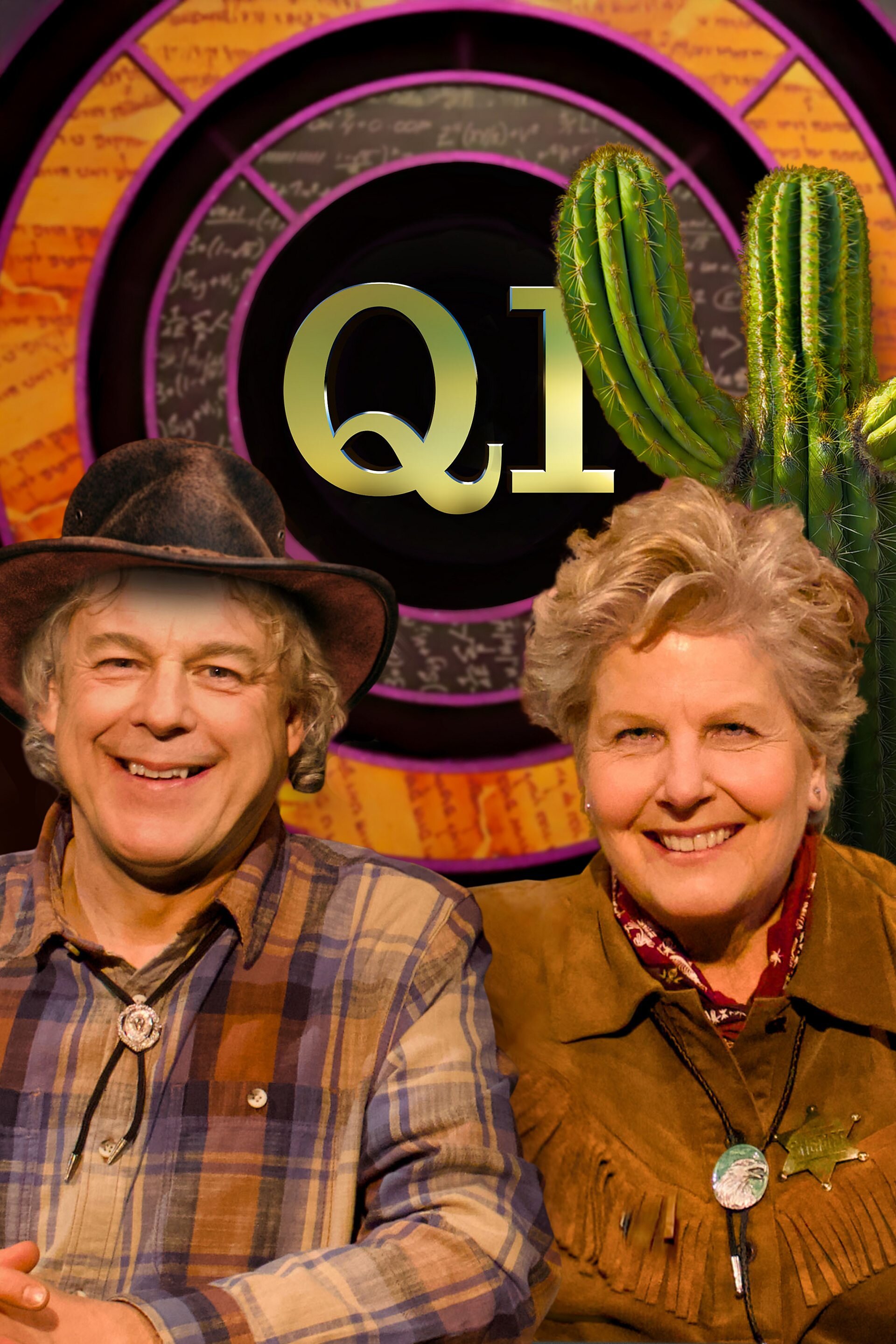
QI2003
Stephen Fry and panellists explore surprising facts and odd corners of knowledge. Same DNA as Bang Goes the Theory—demystifying the world through curiosity—but faster, wittier, and genuinely addictive.
But It's a panel show, so humour matters as much as accuracy. If you want pure science without the banter, this will feel thin.
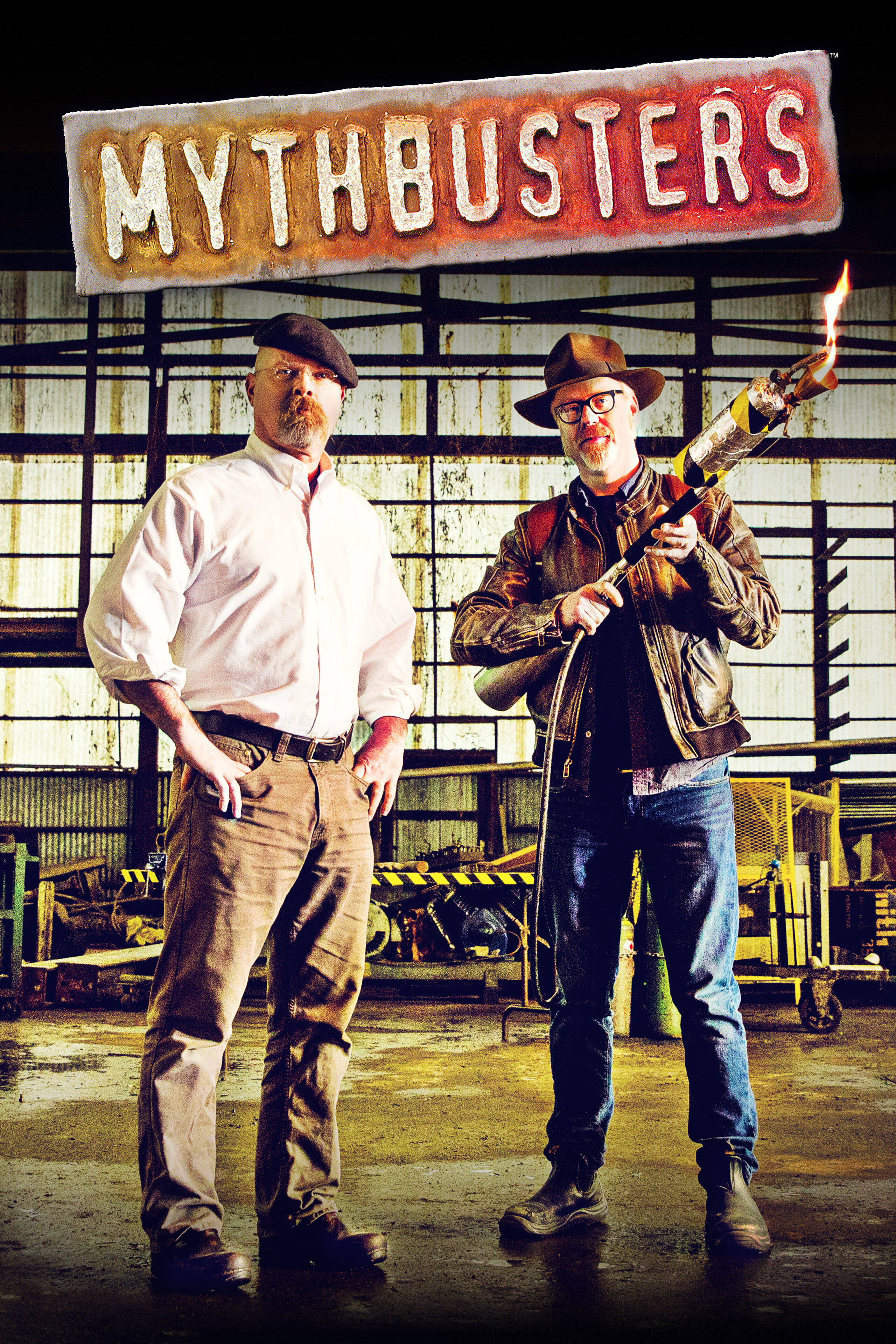
Mythbusters2003
Two engineers test viral claims, movie physics, and folk wisdom with explosives and ingenuity. Direct ancestor of the format: question, hypothesis, experiment, answer. Deeply satisfying.
But The American pace is slower than Bang Goes the Theory. Some episodes meander before reaching payoff.
Not sure tonight? Get a pick in a minute, starting from Bang Goes the Theory
The wildcard
Something you would not have found on your own.
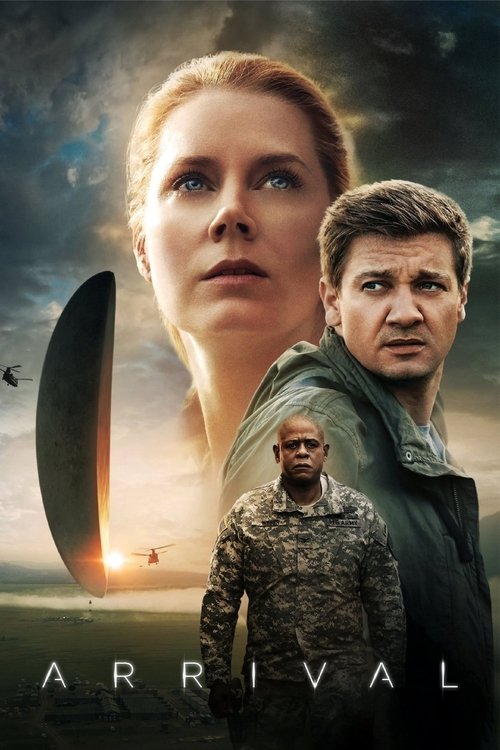
Arrival2016
Like Bang Goes the Theory, it finds genuine wonder in how the world works—but through fiction instead of experiment, asking 'what if' rather than 'how.'
A linguist decodes an alien language and discovers how language shapes consciousness. It's hard science fiction that takes its premise seriously and follows the logic through.
But It's dense and requires patience. The plot matters less than the idea, and the ending is deliberately ambiguous.
More like this (4)
Cosmos1980
Carl Sagan's wonder filtered through modern production. Science as genuine adventure. Each episode builds from tiny detail to cosmic perspective. Transporting and sincere.
But It's 13 hours of commitment. The tone is reverential rather than playful—very different energy from Bang Goes the Theory.
The Planets2019
Brian Cox explaining planetary science with clarity and genuine enthusiasm. Shorter than Cosmos, focused, and beautifully shot. Science television that trusts its audience.
But If you want jokes and irreverence, this is too serious. It's essentially a brilliant lecture in four parts.
Horizon1964
The BBC's flagship science documentary series. Fifty years of archive exploring everything from AI to climate. Each episode is self-contained, reliable, and properly reported.
But Huge variation in quality across decades. Some episodes are dated, others feel didactic. You have to pick carefully.
Scrapheap Challenge1998
Teams build contraptions from junk to solve problems. It's engineering, creativity, and problem-solving in real time. Surprisingly meditative despite the chaos.
But It's light on explanation. You're watching people tinker rather than learning why things work. Not really science, more engineering entertainment.

People
Cast
 Liz BonninPresenter
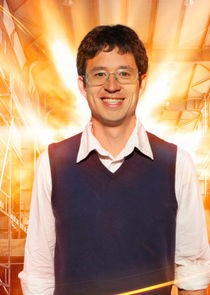 Yan WongPresenter
 Jem StansfieldPresenter
 Dallas CampbellPresenter