
Television series
Cosmos
- Light-hearted
Before Neil deGrasse Tyson picked up the torch, Carl Sagan lit it: a science documentary that treats the universe as something to fall in love with, not memorise. Cosmic history, evolution, physics and philosophy are folded into hour-long journeys narrated with genuine wonder. It's slow television by design — built for staring, not scrolling — and it rewards patience with something close to awe.
Should you watch it?
Watch it if you love science told as sweeping narration over lush visuals, where a single idea like deep time or the cosmic calendar gets a full episode of patient, mind-stretching explanation.
Skip it if you want pure, dry science with no spiritual or emotional detours, since this blends rigorous facts with sentiment and wonder on purpose.
What it asks of you: Episodes run about an hour, so settle in for long stretches of narration moving at a stately pace, lingering on each idea before the next arrives.
Not sure? Find tonight's pick in a minute.
If you liked this
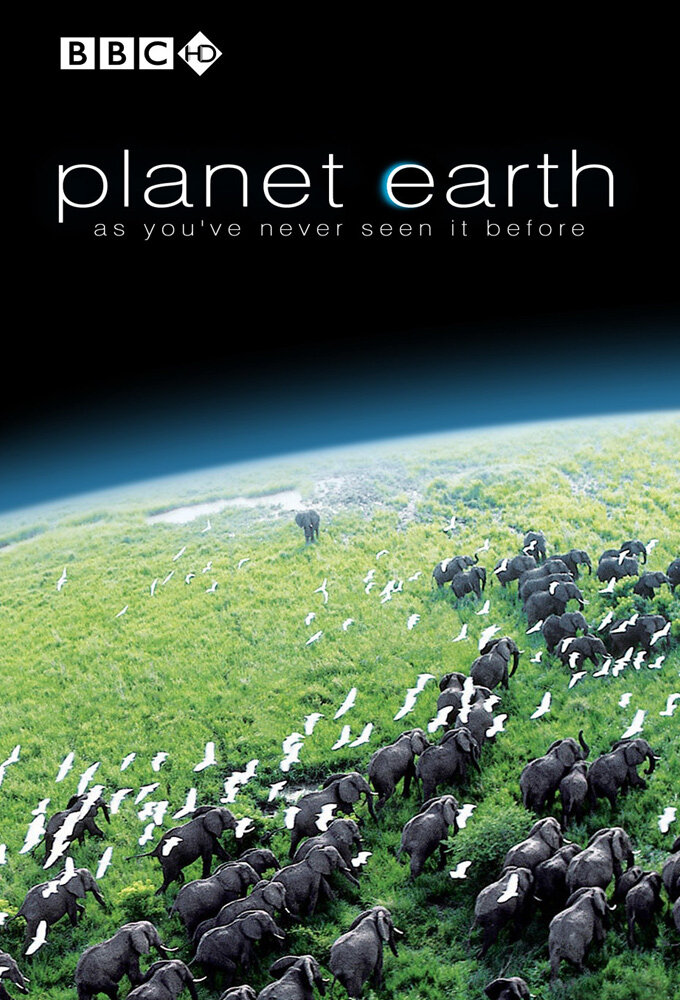
Planet Earth2006
Same appetite for scale and grandeur, turned back on our own planet instead of the stars. The photography alone justifies the biggest screen you own.
But It's pure spectacle with almost no philosophy — gorgeous, but it won't scratch the existential itch Cosmos does.
NOVA1974
America's longest-running science strand, and the closest thing to Cosmos's direct sibling — rigorous, curious, unafraid of complexity, endlessly rewatchable across decades of episodes.
But Quality varies wildly by era and topic; some episodes feel like homework, others feel like revelation.
The Ascent of Man1973
Jacob Bronowski's precursor to Cosmos, tracing human ingenuity from stone tools to nuclear physics with the same blend of intellect and feeling.
But Dated presentation, no CGI, and a pace that modern viewers may find glacial.
Not sure tonight? Get a pick in a minute, starting from Cosmos
The wildcard
Something you would not have found on your own.
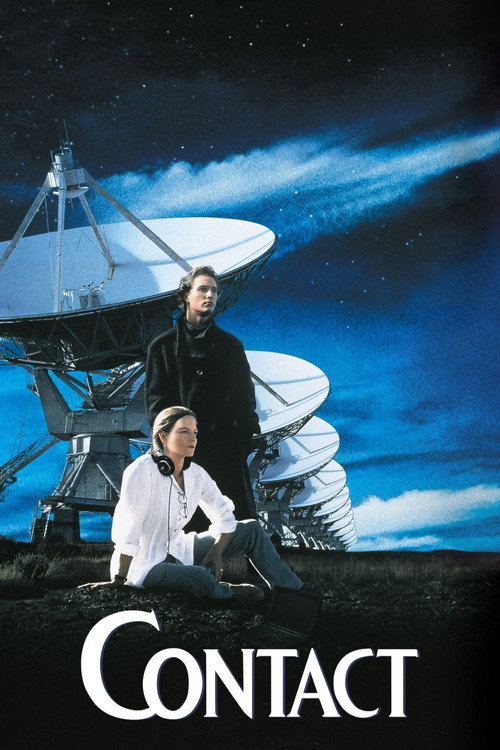
Contact1997
Written by Sagan himself, it's the fictional twin of Cosmos's central argument: that wonder and rigour aren't opposites.
Carl Sagan wrote the novel this is based on, and its DNA is everywhere — a scientist's search for meaning that treats scepticism and faith as worthy of each other, not enemies.
But It's a slow, talky drama with a divisive ending; if you wanted more Cosmos-style visuals, this leans intimate instead.
More like this (7)
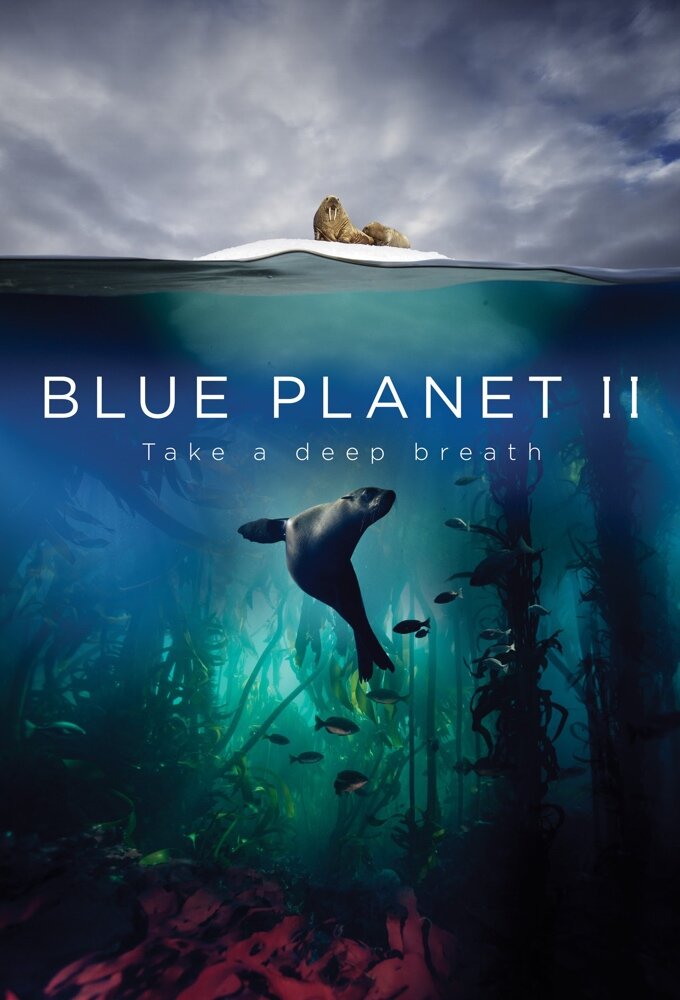
Blue Planet II2017
If Cosmos made you fall for the universe, this makes you fall for the ocean — strange, vast, and full of things stranger than fiction.
But Narrower focus than Cosmos; it's about one biosphere, not the whole of existence.
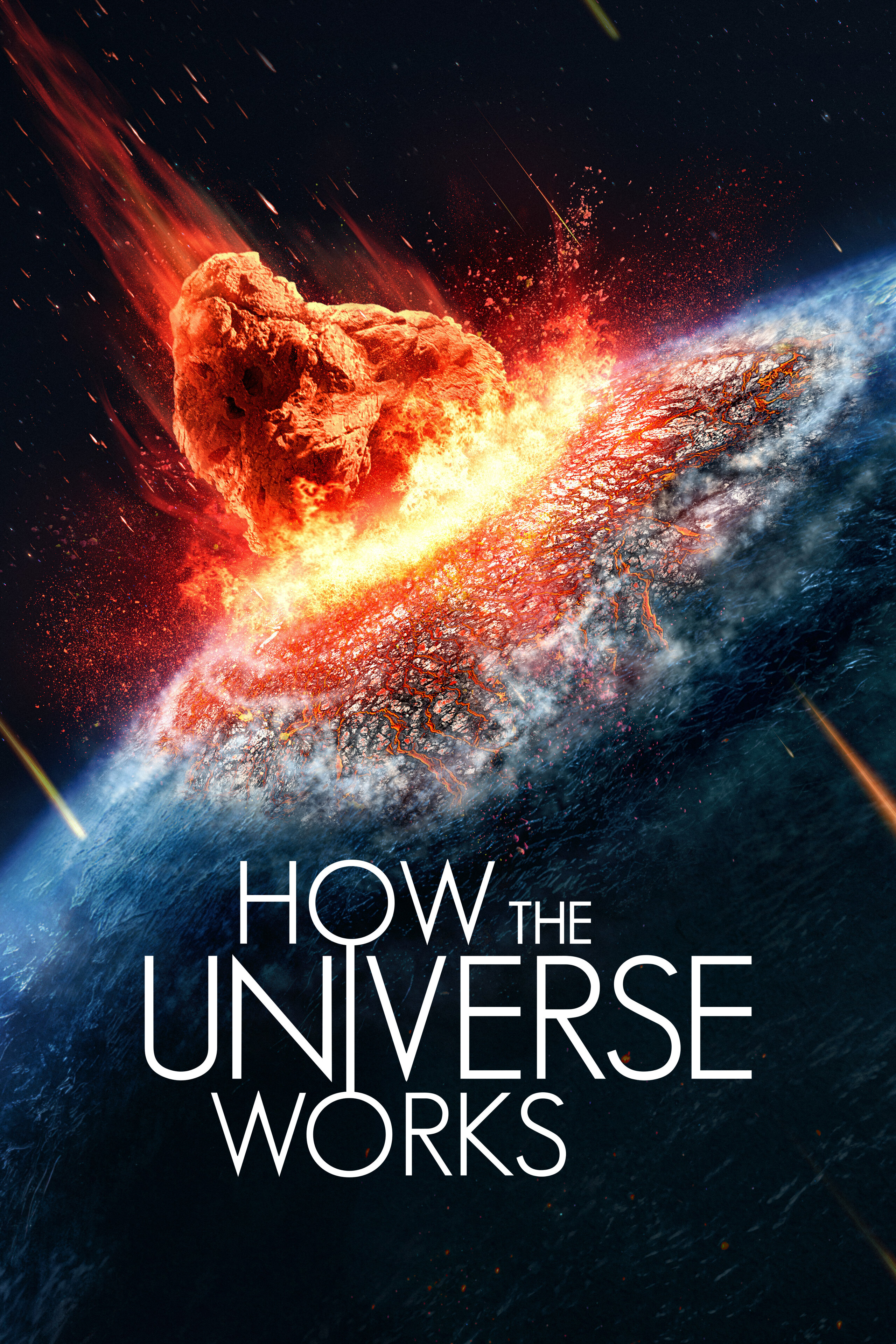
How the Universe Works2010
A punchier, more contemporary companion piece — black holes, dying stars, the physics of catastrophe, delivered with real enthusiasm and modern visualisation.
But Talking-heads format with flashier graphics can feel more sensational than Cosmos's measured tone.
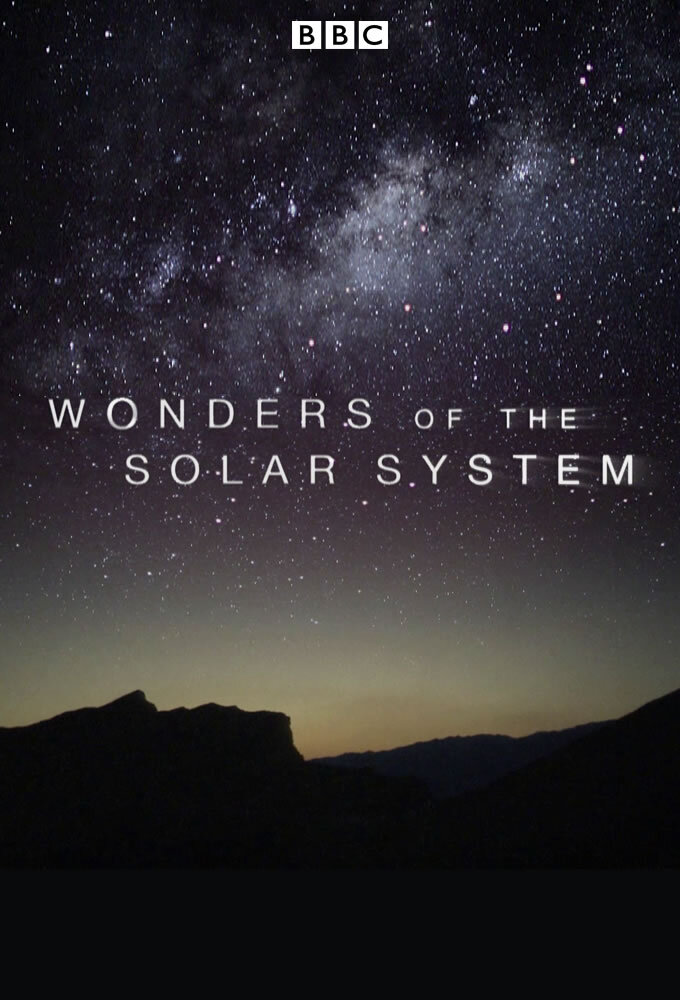
Wonders of the Solar System2010
Brian Cox does for the planets what Sagan did for the cosmos — standing in remote, beautiful places, letting wonder do the explaining.
But Some find Cox's breathless delivery an acquired taste; it leans harder into mood than mechanism.
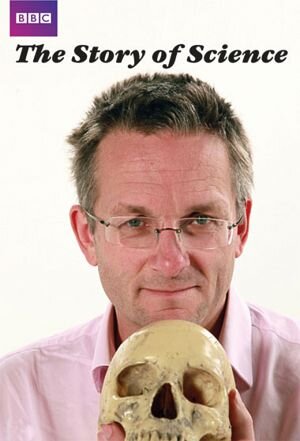
The Story of Science: Power, Proof and Passion2010
Michael Mosley traces the human story behind scientific discovery, with the same instinct that knowledge is drama, not just data.
But More biographical than visual — fewer jaw-dropping images, more historical detective work.
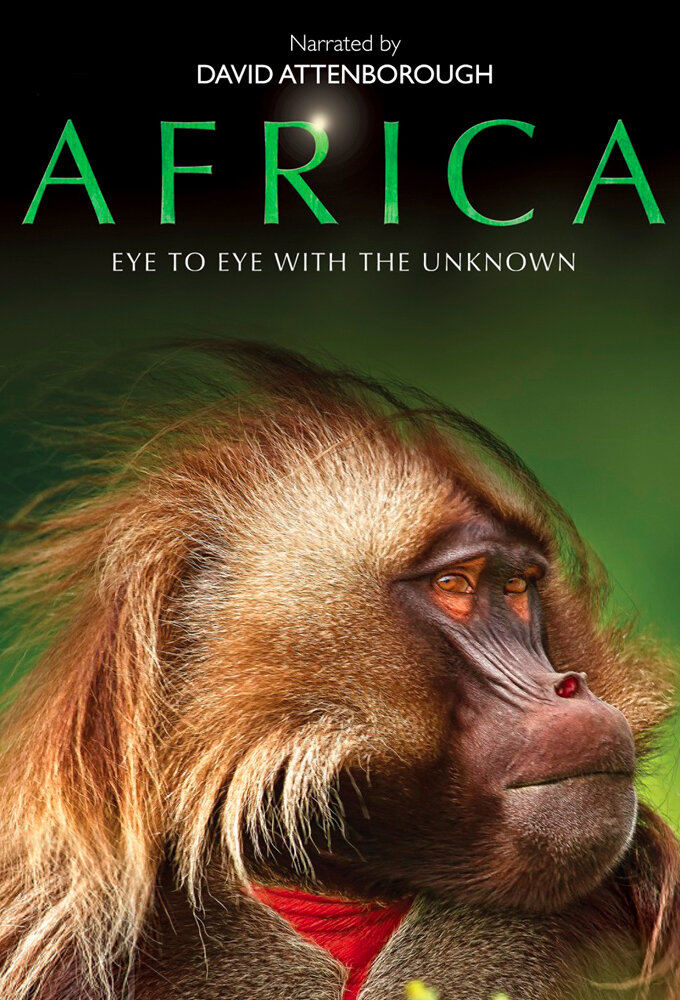
Africa2013
Attenborough's continent-spanning epic shares Cosmos's patience and reverence, just aimed at savannahs and deserts instead of galaxies.
But Purely a nature documentary — no science history, no philosophical detours, just breathtaking footage.
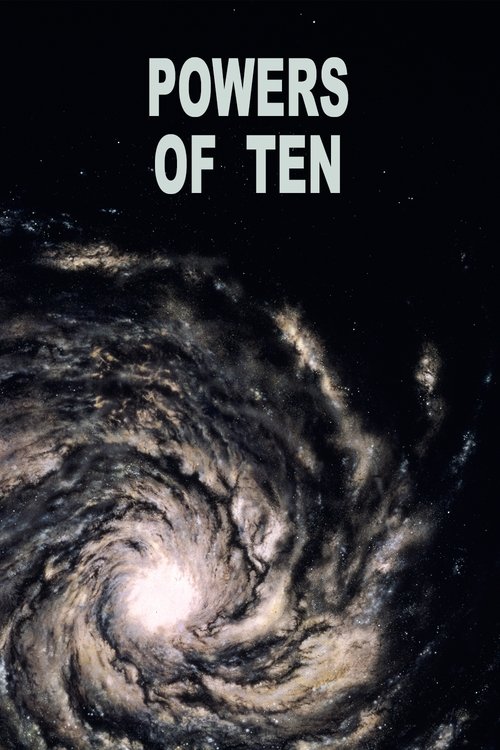
Powers of Ten1977
This Eames Office short pioneered the zoom-through-scale technique that Cosmos later made its signature move.
Nine minutes, one continuous zoom from a picnic blanket to the edge of the observable universe and back down into an atom — the visual trick Cosmos borrowed and expanded.
But It's a short film, not a series — over before you've settled in, and utterly without narrative.
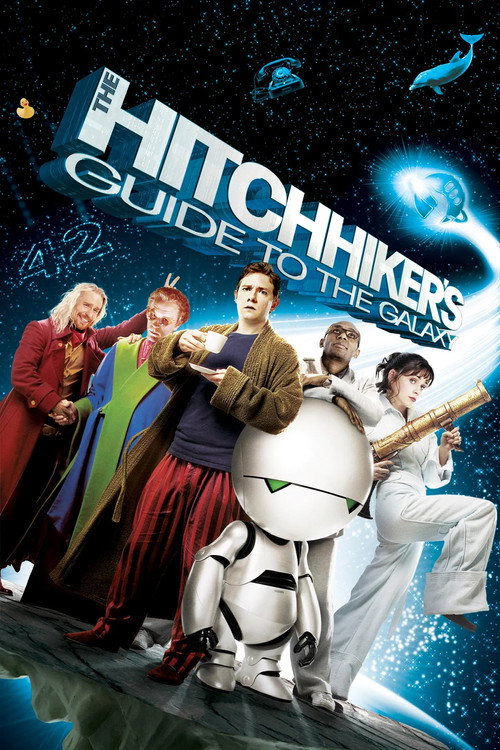
The Hitchhiker's Guide to the Galaxy2005
It takes Cosmos's central insight — insignificance on a cosmic scale — and turns it inside out into absurdist comedy.
Same cosmic humility — we are impossibly small in an impossibly large universe — but played for laughs instead of awe, with towels and Vogon poetry.
But Broad British comedy with patchy pacing; if you want sincerity, this will feel flippant by comparison.
People
Cast
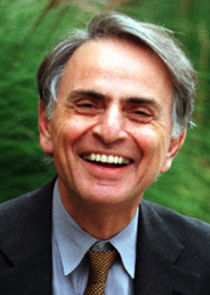 Carl SaganHost


Production
- Ann DruyanExecutive Producer
- Brannon BragaExecutive Producer
- Jason ClarkExecutive Producer
- Seth MacFarlaneExecutive Producer
Recommended by
Star Trek, Foundation, Contact, Doctor Who, Star Trek, 2001: A Space Odyssey, Bill Nye: Science Guy, Chronos, The Farthest, QI, Avenue 5, Particle Fever, When We Left Earth: The NASA Missions, Connections, Naqoyqatsi, Nostalgia for the Light, A Brief History of Time, Powers of Ten, NOVA, The Ascent of Man, How the Universe Works, Wonders of the Solar System, The Story of Science: Power, Proof and Passion, Civilisation, How We Got to Now with Steven Johnson, The Day the Universe Changed, Our Mr. Sun, Ancient Aliens, Liberty! The American Revolution, Wonders of Life, Life on Earth, The Mind, Explained, Serengeti, The Question of God: Sigmund Freud & C.S. Lewis, A Perfect Planet, The Unchained Goddess, The Genius of Charles Darwin, Hawking, The Fabric of the Cosmos, Genius by Stephen Hawking, Strip the Cosmos, Chariots of the Gods, Life After People, Wonders of the Universe, Schoolhouse Rock!, Pale Blue Dot, The Planets, Curiosity, Stephen Hawking's Universe, The Proof Is Out There, The Sky at Night, National Geographic: Journey to the Edge of the Universe, Worlds of Ursula K. Le Guin, Bill Nye: The Science Guy, Ancient Apocalypse, Veritasium, The Strange Case of the Cosmic Rays, Earth: The Power of the Planet, How the Earth Was Made, Mr. Wizard's World, Our Friend the Atom, Hemo the Magnificent, The Mechanical Universe... and Beyond, Brainchild, The Magic School Bus Rides Again, The Principle, PBS Space Time, Our Universe, The Universe, A Glitch in the Matrix, The Science of Interstellar, The Elegant Universe, Chasing Einstein, In Search of Ancient Astronauts, What on Earth?, Star stuff, Breakthrough, Moonbase 3, The Brain with David Eagleman, Monkey Planet, Hubble: 15 Years of Discovery, Planet Dinosaur, The Atheism Tapes, David Attenborough's Natural History Museum Alive, Sea Monsters: A Prehistoric Adventure, The Day After Trinity, Ancient Civilizations, CBS News Sunday Morning, IMAX Hubble, Attenborough and the Giant Dinosaur, The Great Adventure, StarTalk, The New Frontier, Bang Goes the Theory, The Pleasure of Finding Things Out, The Secret Life of Plants, Out of the Blue, The Unbelievers, Horizon, Connected, Mission to the Sun, Chasing Pluto, The Making of Walking with Dinosaurs, Tomorrow's World, The Incredible Machine, Planetary, The God Delusion Debate