
Film
Our Mr. Sun
- Light-hearted
A 1956 science documentary that makes the sun thrilling rather than textbook. Part lecture, part animation, part vaudeville—Eddie Albert hosts while Father Time and personified atoms debate solar mechanics. It's whimsical without being condescending, genuinely informative, and captures a specific moment when American education believed wonder and rigour could live together.
Should you watch it?
Watch it if you enjoy old educational films that treat a big idea with a straight face and a bit of showmanship, the kind where a cartoon sun and a patient narrator make the physics feel like a parlour trick.
Skip it if you want modern pacing or a real plot, since this is a 57-minute lesson with a fixed rhythm, and its science reads as dated in places.
What it asks of you: Bring patience for a single sitting of about an hour, expect a steady lecture broken up by bright animation, and accept that it explains rather than dramatises.
Not sure? Find tonight's pick in a minute.
If you liked this
Cosmos1980
Carl Sagan's successor brings contemporary cosmology to mass audiences with the same luminous, non-talking-down approach. Gorgeous, ambitious, and absolutely sure that science itself is the best story available.
But It's thirteen hours, and some episodes lean harder on philosophy than physics. Commitment required.
The Mechanical Universe... and Beyond1985
A Caltech series that explains classical mechanics through animation and live-action sequences. It shares Our Mr. Sun's faith that physics can be beautiful and comprehensible without losing rigour or depth.
But Paced for the 1980s classroom. It can feel slow if you're used to modern documentary rhythms.
Oppenheimer2023
A three-hour examination of the bomb and the man who built it. Densely plotted, visually gripping, and unafraid to let science breathe as drama rather than exposition.
But A serious film about serious stakes. There are no funny atoms here. Also, it's Nolan's puzzle-box editing at its most demanding.
Not sure tonight? Get a pick in a minute, starting from Our Mr. Sun
The wildcard
Something you would not have found on your own.
Voyage to the Planet of Prehistoric Women1968
Both are 1950s-era educational impulses—one American, one Soviet—trying to make space and science exciting through spectacle and imagination rather than condescension.
Soviet sci-fi adapted and padded by American producers into glorious nonsense. Genuinely weird spacecraft, genuine curiosity about alien life and geology, and utterly committed to showing you things you've never seen. It's Our Mr. Sun's distant, weirder cousin—educational impulse bent through Cold War competition and low budgets.
But The dubbing is chaotic and the pacing baroque. Plot is genuinely secondary to showing off miniatures and set design. Some will find it tedious rather than charmingly strange.
More like this (7)
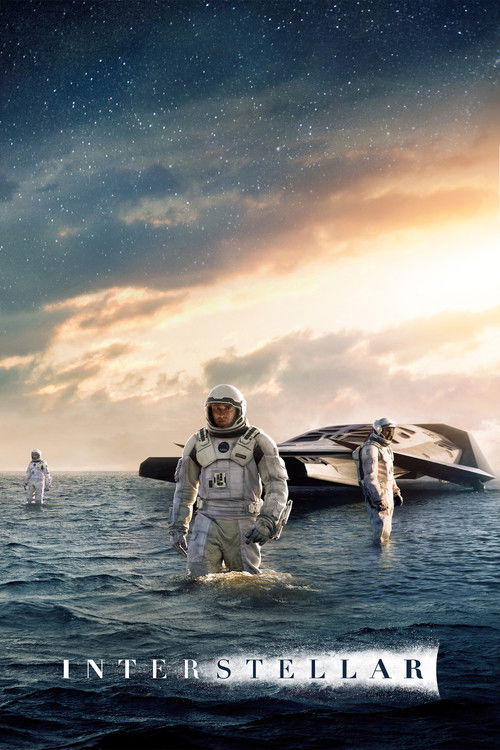
Interstellar2014
Nolan's love letter to physics and exploratory science. It respects the audience's intelligence and the actual complexity of relativity while delivering spectacle and genuine emotion.
But Nearly three hours of Nolan's signature dialogue-over-music makes plot details genuinely hard to follow. Some find it exhausting rather than enlightening.
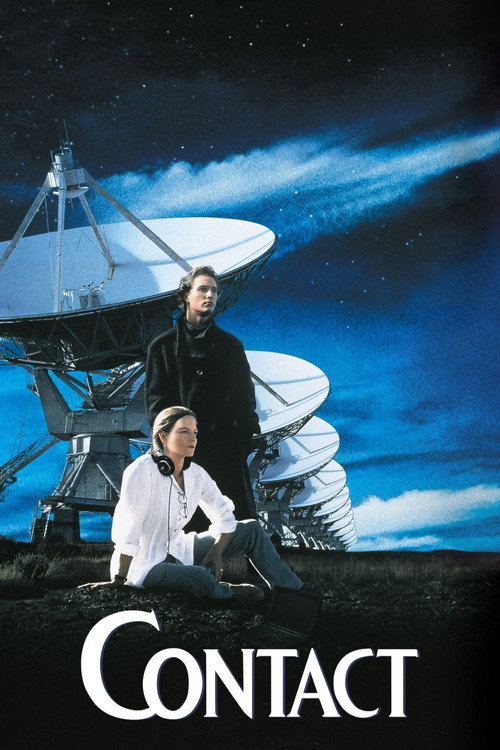
Contact1997
A scientist protagonist, a sincere treatment of faith and reason, and genuine wonder at the scale of the universe. Jodie Foster's performance grounds every big idea in human stakes.
But It's more interested in meaning than plot mechanics, which some find slow. The ending divides audiences sharply.
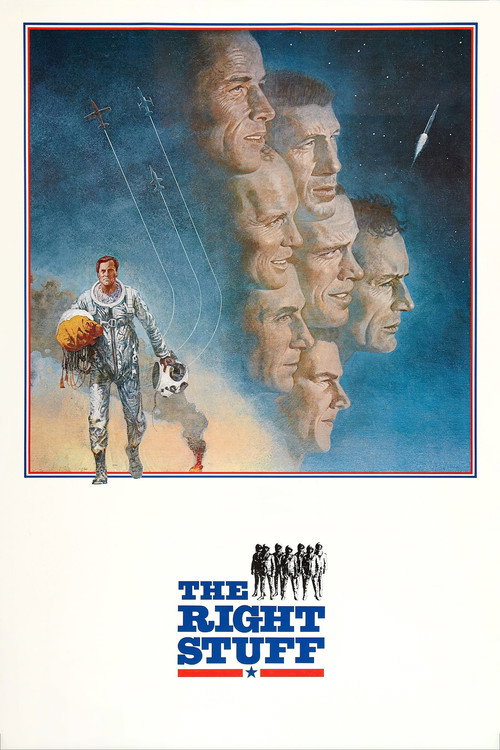
The Right Stuff1983
Captures the American space programme as adventure, competition, and genuine risk. Celebrates technical expertise without divorcing it from human ego and ambition.
But At three hours and twenty minutes with a sprawling cast, it can feel overwhelming. Some viewers find the tone uneven.
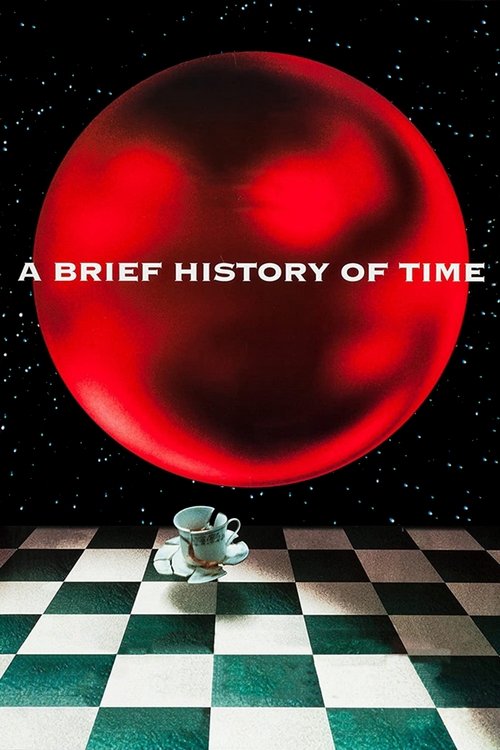
A Brief History of Time1991
Errol Morris directing Stephen Hawking on black holes, time, and existence. Visually imaginative and surprisingly moving about living inside a brilliant, trapped mind.
But It's meditative and slow, often more about Hawking's silence than his words. Not a conventional documentary rhythm.
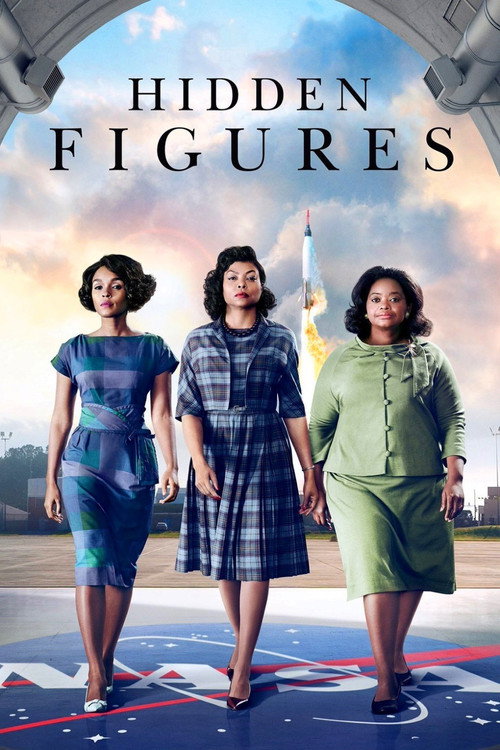
Hidden Figures2016
Mathematics and physics as lived experience by Black women doing impossible work during the Space Race. Combines rigour, joy, and real historical stakes without pretending the racism didn't exist.
But Engineered for mainstream success, which means some complexity flattens into inspiration. The real story is stranger than the film.
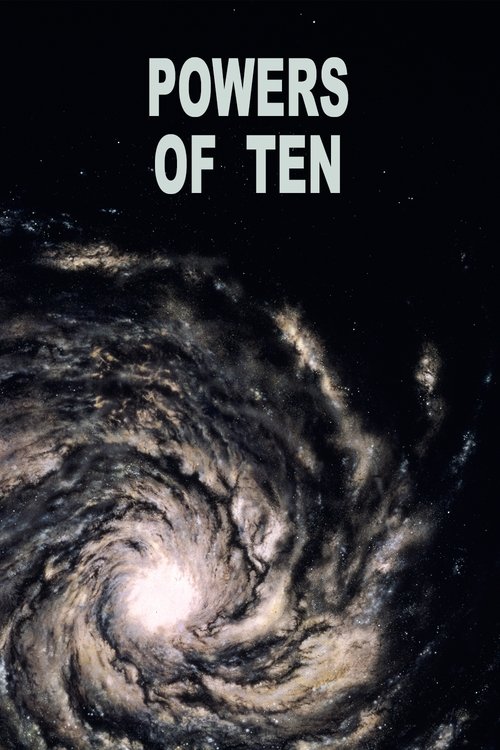
Powers of Ten1977
Both use visual spectacle and personification to make the invisible universe suddenly graspable. Both believe awe is an acceptable educational outcome. Both are under an hour.
Nine minutes showing all of reality in powers of ten, from a couple picnicking to the edge of the observable universe and back. The Eameses' masterpiece: precise, mind-expanding, genuinely hypnotic. Teaches scale and interconnection without narration getting in the way.
But It's abstract and can feel distant. No characters, no drama, just perspective. Some find it cold; others find it meditative.
Stalker1979
Both treat scientific or philosophical investigation as spiritual journey. Both use personification and dialogue to explore what we believe about the universe and ourselves.
Tarkovsky's film about men journeying toward a wish-granting room. It's a metaphysical mystery disguised as science fiction—long, slow, gorgeously shot. About desire, doubt, and what we're really searching for. Nothing like Our Mr. Sun tonally, but shares its conviction that thought and image can elevate science into philosophy.
But Three hours of deliberate pacing. Minimal plot. Some consider it a masterpiece; others find it unbearably slow. The lack of action will lose most viewers raised on conventional drama.

People
Cast
 Eddie AlbertThe Fiction Writer
 Lionel BarrymoreFather Time (voice)
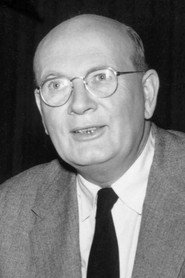 Frank BaxterDr. Research (as Dr. Frank C. Baxter)
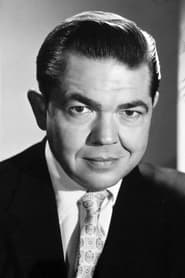 Marvin MillerMr. Sun (voice)
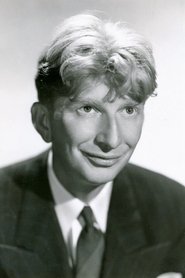 Sterling HollowayChloro Phyll (voice)
Directing
- Arthur S. Black Jr.Assistant Director
- Frank CapraDirector
- William T. HurtzDirector
- Robert DrankoLayout
Writing
- Frank CapraWriter
Production
- Frank CapraProducer