
Television series
The Mechanical Universe... and Beyond
- Light-hearted
A groundbreaking PBS series that transforms physics from abstract formulas into vivid visual storytelling. Using historical dramatizations, animations, and elegant demonstrations, it traces how we came to understand motion, energy, and the cosmos. For anyone curious about how the world works, or tired of science feeling like punishment.
Should you watch it?
Watch it if you enjoy patient, visual explanations of how physics works, the kind where a blackboard sketch and a dramatized scene from the history of science make an idea click at last.
Skip it if you want a documentary with a strong on-camera personality or fast cuts, since this one moves at a deliberate classroom pace and leans on teaching rather than storytelling.
What it asks of you: Each episode runs about half an hour, and across fifty-two of them it asks for steady concentration, since the ideas build on one another and the pacing stays unhurried throughout.
Not sure? Find tonight's pick in a minute.
If you liked this
Cosmos1980
Carl Sagan's spirit lives in this visually sumptuous update, combining cutting-edge graphics with genuine wonder. Neil deGrasse Tyson guides you through 13.8 billion years with the same care and intelligence that makes complex ideas feel inevitable.
But Sagan's original remains unmatched; this sometimes feels like an homage rather than a new conversation. Modern CGI can feel slick in ways that don't always deepen understanding.
The Ascent of Man1973
Jacob Bronowski's 13-part masterpiece on the history of human thought and discovery. He doesn't just explain science—he shows you why humans needed it, and what it costs us to ignore beauty while chasing truth.
But Shot in the 70s, it looks the part. The pace is deliberate, almost meditative. Bronowski's intensity can feel exhausting if you want light viewing.
A Brief History of Time1991
Errol Morris directs Stephen Hawking's ideas about black holes, time, and the universe's beginning. The visual metaphors are brilliant, and watching Hawking think—via his computer voice—is oddly moving.
But Dense enough that you might rewind. Morris's style can feel more arty than illuminating, even if it's beautiful. Some concepts still slip away.
Not sure tonight? Get a pick in a minute, starting from The Mechanical Universe... and Beyond
The wildcard
Something you would not have found on your own.
Private Life2018
Both ask: what happens when the universe (or our bodies) refuses to behave as theory predicts? Both are fundamentally about humility in the face of complexity.
A drama about a couple undergoing IVF that becomes a subtle meditation on control, failure, and what we can and cannot know about our own bodies. It speaks to the same hunger—why do things happen as they do?—but through intimacy rather than equations.
But Quietly devastating. Deals with infertility, grief, and the limits of science to heal. Watching it demands patience and emotional availability.
More like this (5)
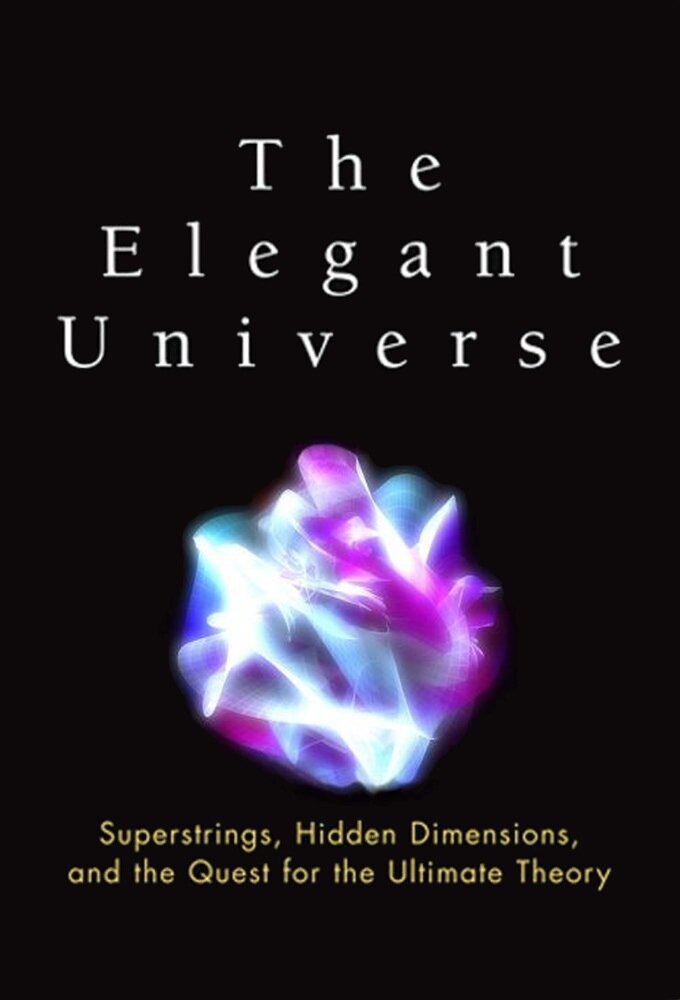
The Elegant Universe2003
String theory gets a rare public airing, explained with wit and energy by Brian Greene. The animations of vibrating strings and folded dimensions actually help your brain hold impossible ideas.
But Speculative physics presented as more settled than it is. The elegance can feel more metaphorical than actual. Two hours of your time for ideas that may not hold up.
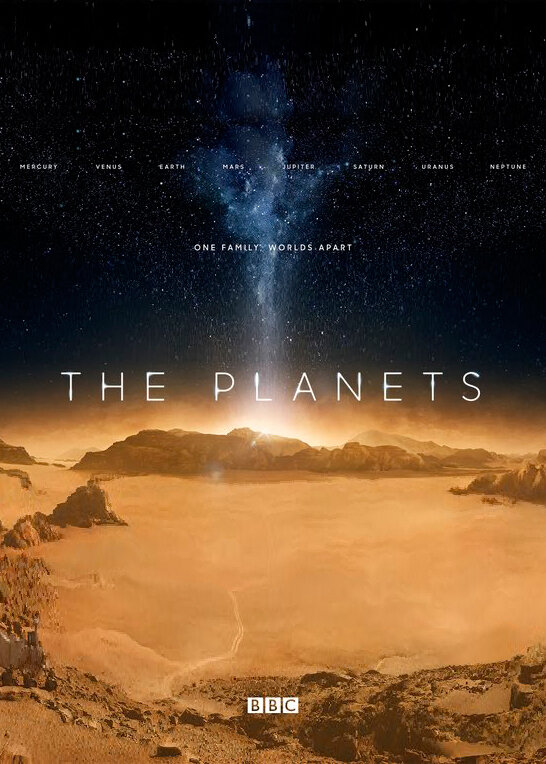
The Planets2019
A sumptuous BBC series that combines scientific fact with real footage and mood. Each episode feels like a love letter to a celestial body. Even jaded viewers feel awe.
But More poetic than rigorous. Spends as much time on beauty as physics. If you want detailed planetary mechanics, you'll find it thin.
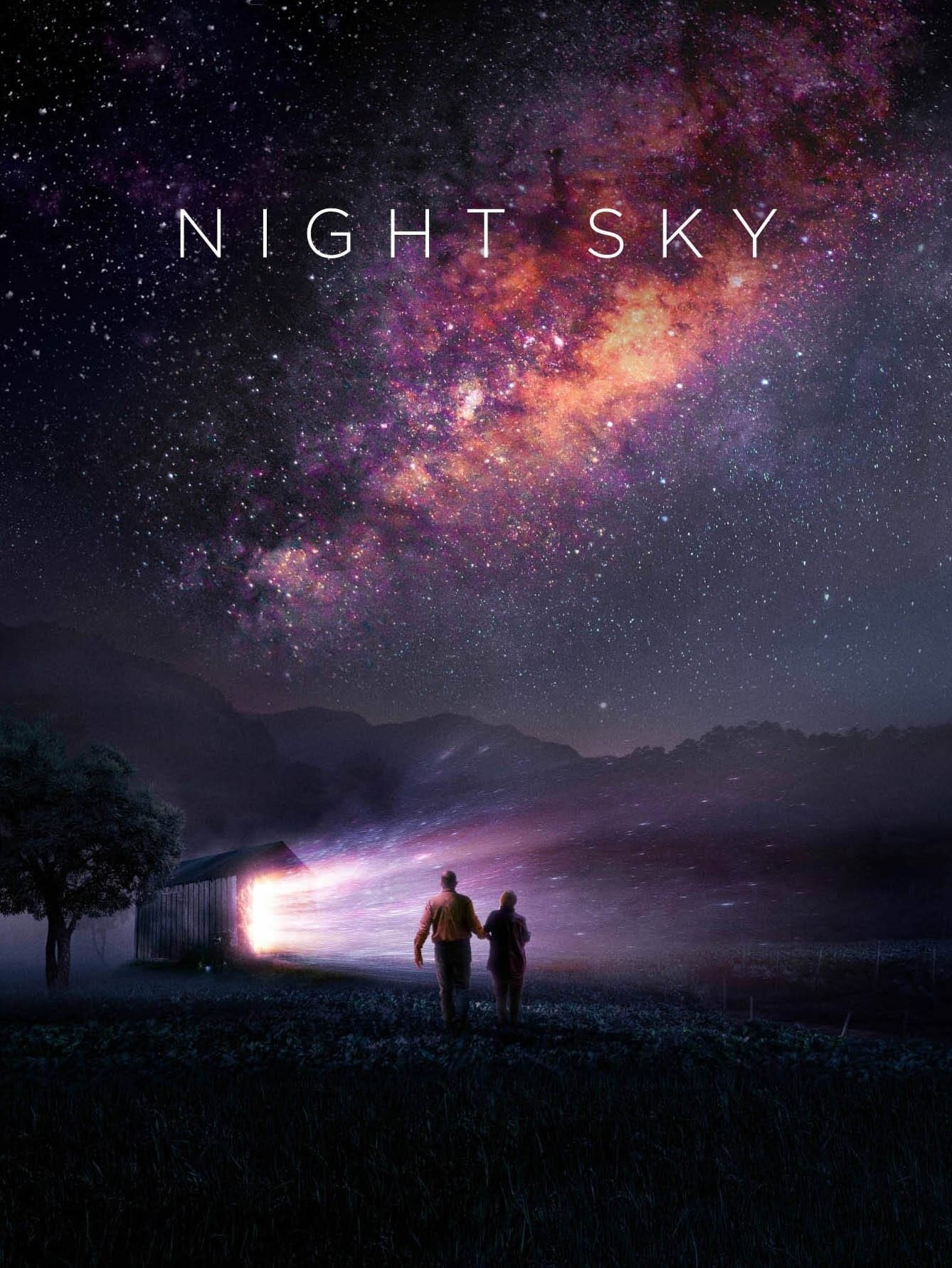
Night Sky2022
A two-part series on the universe as told through intimate stargazing. Works as both science and meditation on human scale against cosmic scale. Surprisingly moving without being sentimental.
But Very gentle and slow. The science is solid but never goes deep. If you want to learn constellations or navigate by stars, this won't teach you.
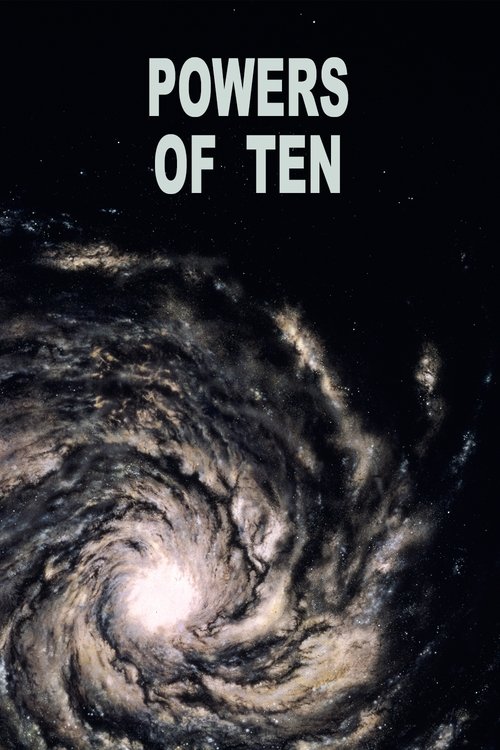
Powers of Ten1977
Same DNA: visual demonstration of concepts too large for words. Both believe that seeing something is the first step to understanding it.
A nine-minute film that zooms from a Chicago picnic blanket outward to the edge of the observable universe, then back inward to subatomic scale. Hypnotic, revelatory, the purest distillation of scale and perspective ever made.
But It's barely a narrative. Nine minutes feels like either too much or too little depending on your mood. The 1977 special effects are dated.
My Octopus Teacher2020
Both are about sustained, patient observation revealing invisible principles. Both suggest that understanding requires humility and time, not just intelligence.
A filmmaker becomes obsessed with understanding a single octopus over a year of daily diving. It's structured like a love story, but it's really about what it means to observe something thoroughly and let it change you. Hypnotic and strange.
But Slow, repetitive underwater footage. The narrator's voiceover sometimes tips into New Age sentiment. If you want octopus facts, you're missing the point.

People
Cast
- Aaron FletcherNarrator