
Television series
The Planets
- Dip in and out
Brian Cox guides you through the solar system's eight worlds with the latest science and stunning CGI, treating each planet as a character in an epic story of formation, collision, and survival. It's accessible without being dumbed down, visually ravishing, and genuinely moving about the forces that shaped where we live. Perfect for anyone who's ever stared up and wondered.
Should you watch it?
Watch it if you love science documentaries that trade in gorgeous space imagery and a presenter who makes planetary history feel like a thriller, with a clear, unhurried narrative for each world.
Skip it if you want hard equations or a sceptical look at the science, since this is awe-driven, stylised popular science with a lot of dramatic framing that some will find overblown.
What it asks of you: Five episodes under an hour each make a short commitment, but it wants you to sit still, since much of it is a slow, lavish visual sweep.
Not sure? Find tonight's pick in a minute.
If you liked this
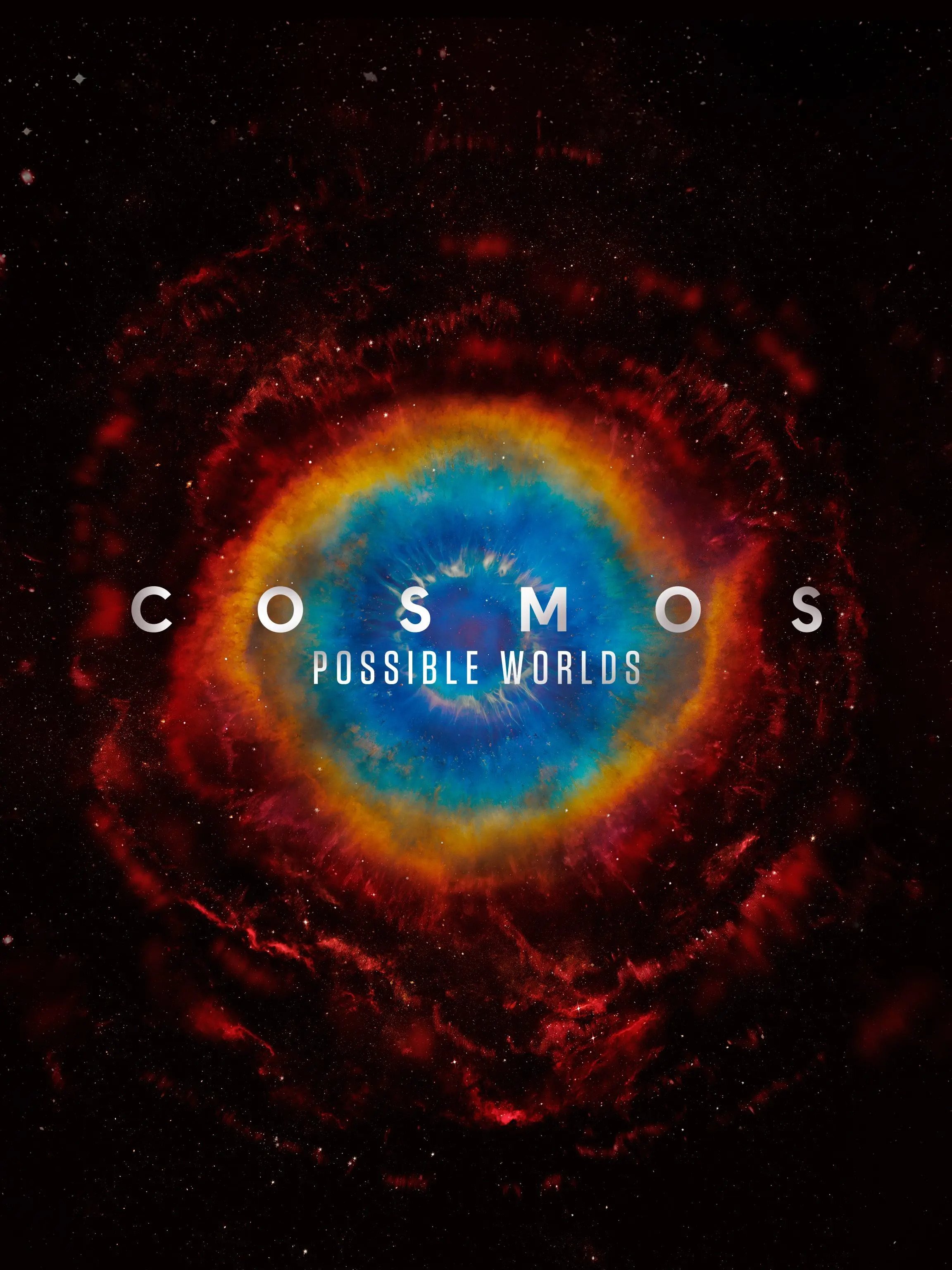
Cosmos1980
Neil deGrasse Tyson's 13-part reimagining of Carl Sagan's classic combines cutting-edge animation with cosmic perspective. It's thrilling and philosophically generous, treating the universe as both a scientific wonder and a spiritual question.
But It sprawls across time and disciplines, sometimes prioritizing awe over tight storytelling. Some episodes feel scattered compared to The Planets' focused planetary narratives.
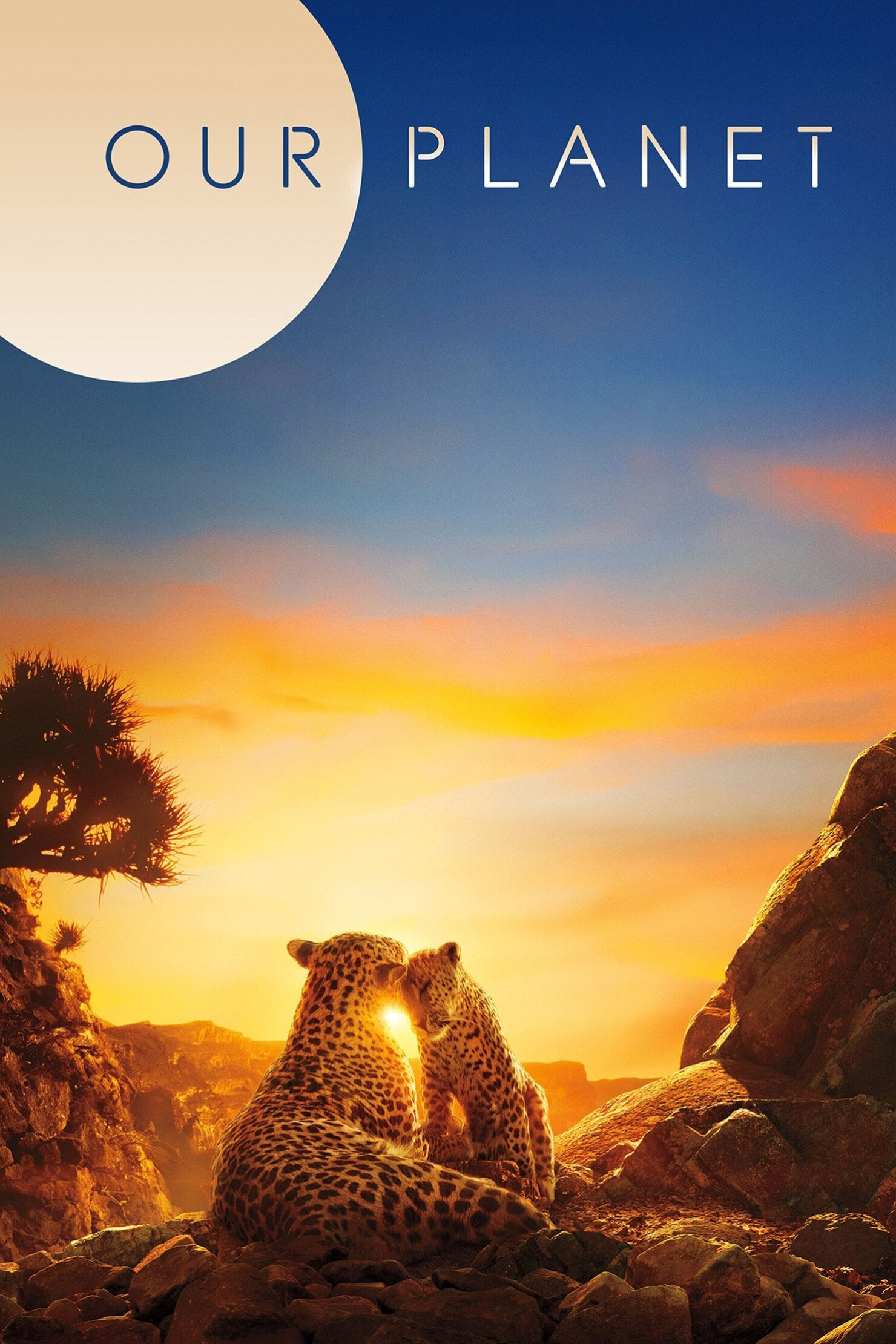
Our Planet2019
David Attenborough narrates this sweeping look at Earth's ecosystems under climate pressure. The cinematography is extraordinary, and it shares The Planets' ability to make scale and systems feel urgent and personal.
But It's heavy on existential dread and lighter on the joy of discovery. The environmental message, though vital, can feel relentless.
Log Horizon2013
A beautifully constructed exploration of the search for extraterrestrial life that uses what we know of planetary science to ask what we might find elsewhere. It has The Planets' sense of wonder plus genuine mystery.
But As a single documentary rather than a series, it lacks the immersive depth of a multi-part journey. The scope feels compressed.

Not sure tonight? Get a pick in a minute, starting from The Planets
The wildcard
Something you would not have found on your own.
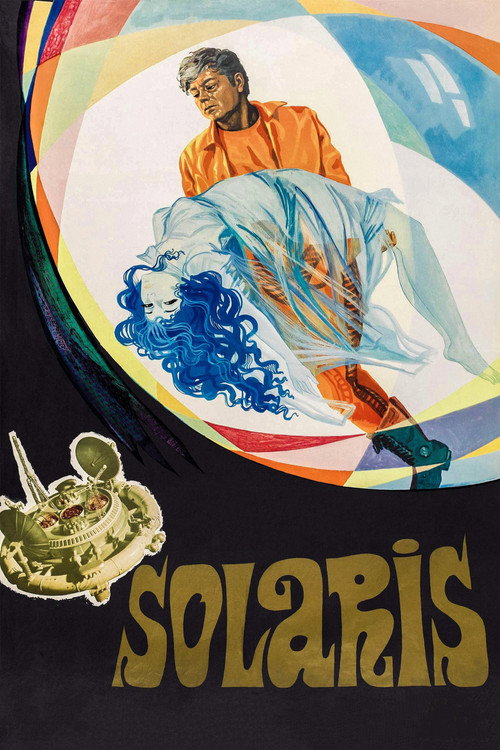
Solaris1972
Both treat planets not as inert objects but as agents with their own logic and power. The Planets shows us their violent histories; Solaris asks what it means to confront a mind we cannot read.
Andrei Tarkovsky's slow, profound meditation on a living planet that humans cannot understand. It flips the usual documentary relationship: instead of us studying a world, a world studies us, indifferent and inexplicable.
But It's glacially paced, philosophically dense, and absolutely uninterested in spectacle. The 166-minute runtime demands surrender, not entertainment.
More like this (3)
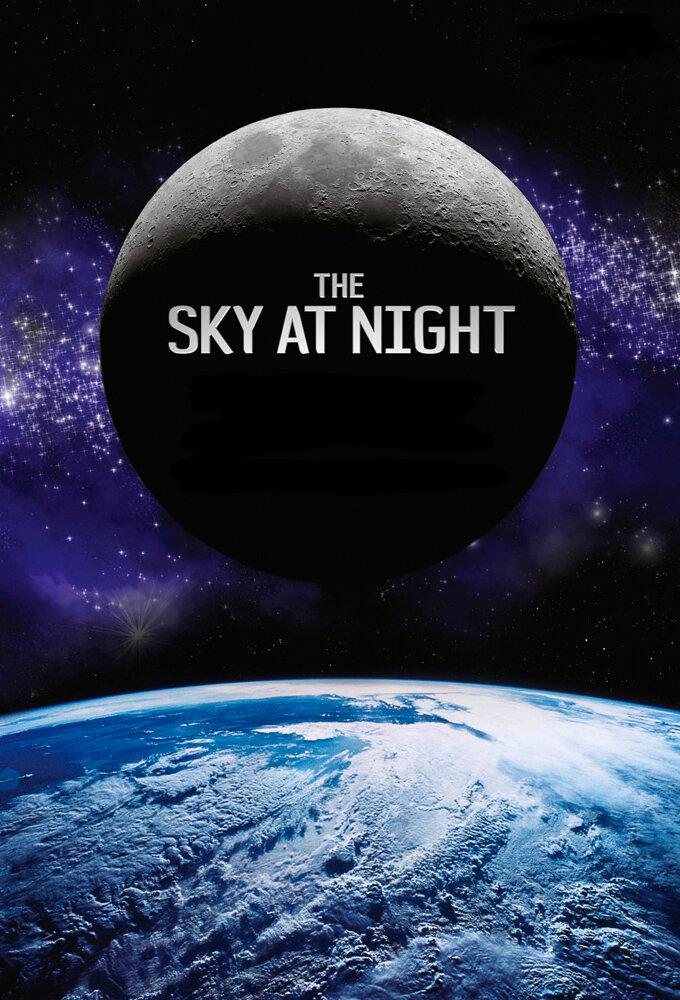
The Sky at Night1957
The world's longest-running astronomy series mixes observation with expertise. Each episode is lean and curious, sharing The Planets' enthusiasm for what the night sky actually contains rather than what we imagine it might.
But It's deliberately lo-fi and presentational in the old-school sense. If you want cutting-edge graphics and dramatic recreations, this will feel austere.
National Geographic: Journey to the Edge of the Universe2008
A feature-length IMAX spectacular that travels from Earth outward at accelerating speed, showing scale in ways that remake how you think about distance and proportion. It's The Planets' sense of grandeur compressed into two hours.
But It's a spectacle rather than a story—there's no narrative tension, just wonder. Some viewers find the relentless zoom exhausting rather than exhilarating.
The Fabric of the Cosmos2011
Brian Greene explores space and time through animation and explanation, building from the observable to the theoretical. It shares Cox's gift for making the incomprehensibly large feel immediately relevant.
But The physics can get genuinely opaque. It requires patient, concentrated watching; there's no glossing through.
People
Cast
 Brian CoxPresenter
Production
- Andrew CohenExecutive Producer
- Gideon BradshawProducer
Recommended by
The Farthest, When We Left Earth: The NASA Missions, How the Universe Works, The Unchained Goddess, Hawking, Wonders of the Universe, The Sky at Night, The Mechanical Universe... and Beyond, PBS Space Time, Apollo: Missions to the Moon, Bang Goes the Theory, Chasing Pluto, Tomorrow's World