Television series
The Sky at Night
- Dip in and out
The world's longest-running astronomy series. Patrick Moore and a rotating team of experts present what's visible in the night sky, from planets to distant galaxies. It's intimate, genuinely curious, and makes the cosmos feel accessible—perfect for stargazers and anyone who's ever wondered what they're actually looking at.
Should you watch it?
Watch it if you love the patient rhythm of a long-running science programme, where enthusiasm for telescopes, comets and the night sky matters more than polish.
Skip it if you want fast cuts or a story arc; this is a gentle, talky chat about what's overhead tonight, with no narrative to follow.
What it asks of you: Each episode runs half an hour and unfolds at an unhurried pace, so it asks you to sit through slow explanation and occasional long pauses before anything dramatic appears.
Not sure? Find tonight's pick in a minute.
If you liked this
Cosmos1980
Carl Sagan's vision reimagined with modern visuals and wonder intact. Each episode unfolds cosmic history with narrative elegance, from the Big Bang to the search for life. Intelligent, moving, and the gold standard for science television.
But Thirteen hours is a commitment, and some episodes prioritize grandeur over the practical stargazing you might want to do tonight.
Night Sky2022
Two people discover a hidden telescope in their barn that opens onto impossible vistas. It's quietly beautiful—part mystery, part love letter to astronomy and to the people who kept their wonder alive.
But The science takes a back seat to character and emotion. Plot threads unravel unevenly, and the finale disappointed some loyal viewers.
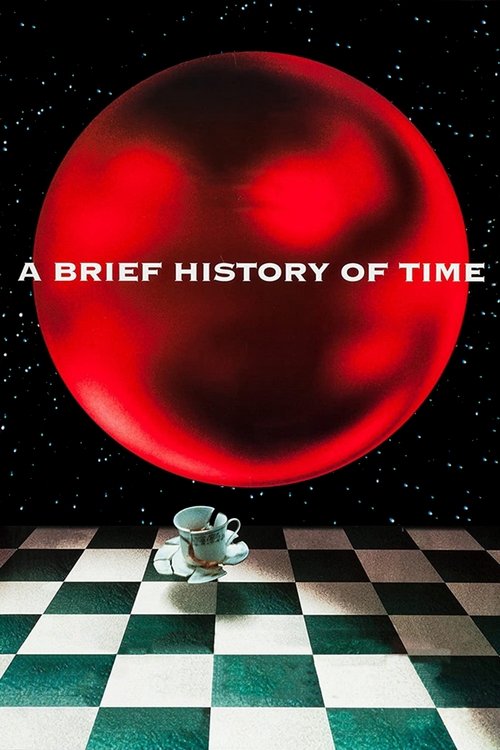
A Brief History of Time1991
Errol Morris films Stephen Hawking explaining black holes, time, and the nature of existence. Visually inventive and surprisingly lyrical for a documentary about theoretical physics.
But Heavy concepts delivered without much handholding. You'll need to pay close attention and possibly watch twice.
Not sure tonight? Get a pick in a minute, starting from The Sky at Night
The wildcard
Something you would not have found on your own.
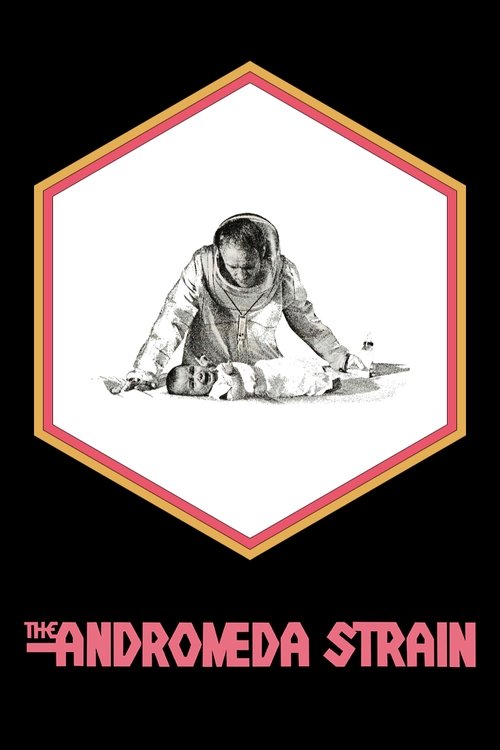
The Andromeda Strain1971
Both are about ordinary people looking up and trying to make sense of what they see. Both suggest that astronomy is as much about the observer's soul as about the stars.
Kin-dza-dza director Andrei Konchalovsky made this about a supernova and the Soviet cosmonauts who scramble to understand it. It's part hard sci-fi, part Cold War thriller, utterly Soviet in its philosophical intensity. Mesmerizing and strange.
But Soviet-era pacing and philosophy. Slow, dialogue-heavy, and the cosmology is dated—but that's not the point.
More like this (5)
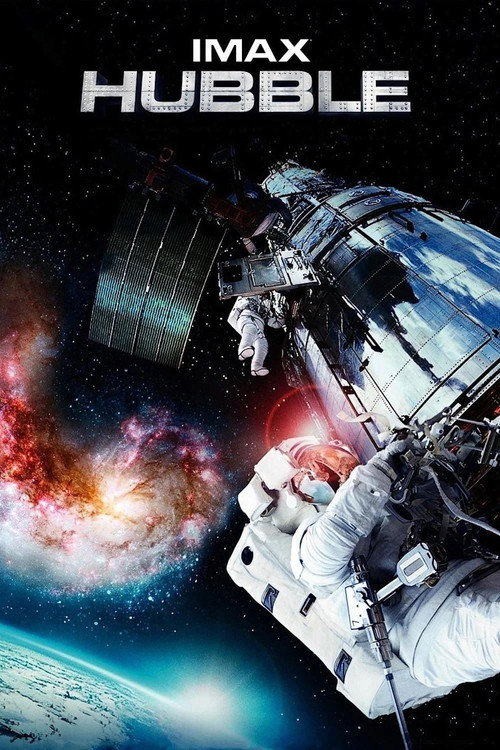
IMAX Hubble2010
An IMAX documentary about the space telescope's final repair mission. The images are staggering, and the tension—will the repair work?—keeps it grounded and human.
But Forty minutes of spectacle. There's less depth than you might want about how the discoveries change our understanding.
Pale Blue Dot
Carl Sagan reflects on that one photograph of Earth from the edge of the solar system. It's part astronomy, part philosophy, utterly moving. A meditation on our place in things.
But No traditional narrative. Some will find it more poetic musing than documentary, which is the whole point.
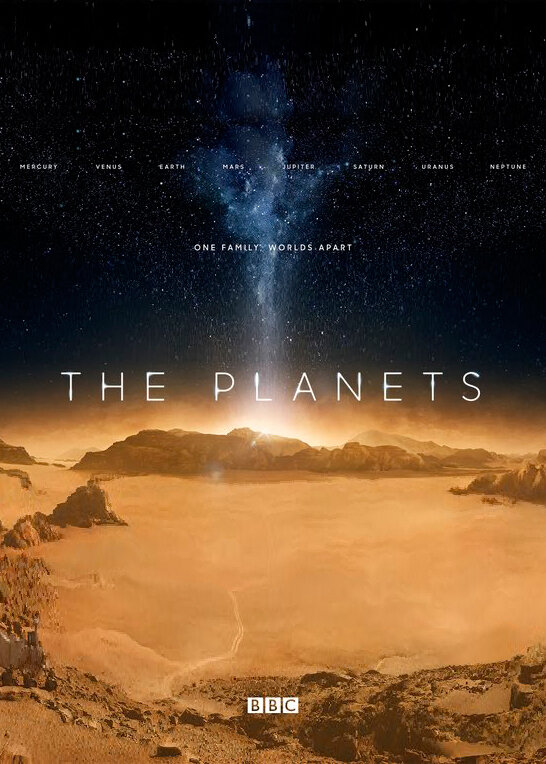
The Planets2019
BBC natural history approach applied to our solar system. Each episode is a portrait of a world, using the best imagery and an understated narrative voice. Gorgeous and meditative.
But Contemplative rather than explanatory. If you want facts and theories, this prioritizes atmosphere over information.
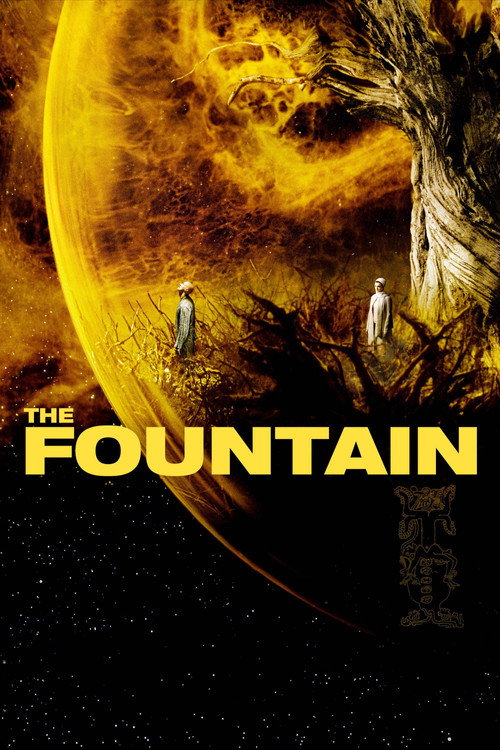
The Fountain2006
The Sky at Night treats astronomy as observation and wonder. The Fountain treats it as metaphysics—the same impulse, but asking what the stars mean rather than just what they are.
Darren Aronofsky braids three timelines—past, present, future—around mortality, love, and the cosmos. Hugh Jackman across centuries. A Mayan astronomer, a conquistador scientist, a man in space. Visually extraordinary and genuinely profound.
But Deliberately obscure. Aronofsky withholds exposition and rewards patience unevenly. Some see depth, others see pretension.
La Haine1995
The Sky at Night suggests the universe is endlessly generous with its mysteries. La Haine suggests the world beneath our feet is indifferent to our wonder. Both are about looking closely and accepting what you see.
Mathieu Kassovitz's black-and-white Paris street drama—three men in a tower estate during riots. There's one scene, wordless, where they lie on a roof and one of them talks about falling and hitting the ground. It's about gravity, power, and what catches you.
But It's not a science film. The astronomy is metaphorical and minimal. You're watching a masterpiece of social cinema, not a lesson.