
Film
Pale Blue Dot
- Slow-burning
A six-minute distillation of Carl Sagan's cosmic meditation on human fragility and connection. Voyager 1 photographs Earth from 3.7 billion miles away—a pale dot suspended in light—and Sagan's narration transforms that image into philosophy. Quietly devastating and strangely life-affirming. Essential for anyone who's ever felt small beneath the stars.
Should you watch it?
Watch it if you love a short, quiet piece of essay-film where a single idea is turned slowly in the light until it feels enormous, and where the narration does the heavy lifting over a few still images.
Skip it if you came for a sweeping, data-packed science documentary; this is only about six minutes, so it offers a brief meditation rather than a tour of the cosmos or its mechanics.
What it asks of you: Very little time and a patient ear. It moves at the pace of a spoken reflection, unhurried and contemplative, with the weight resting entirely on the voice and the stillness around it.
Not sure? Find tonight's pick in a minute.
If you liked this
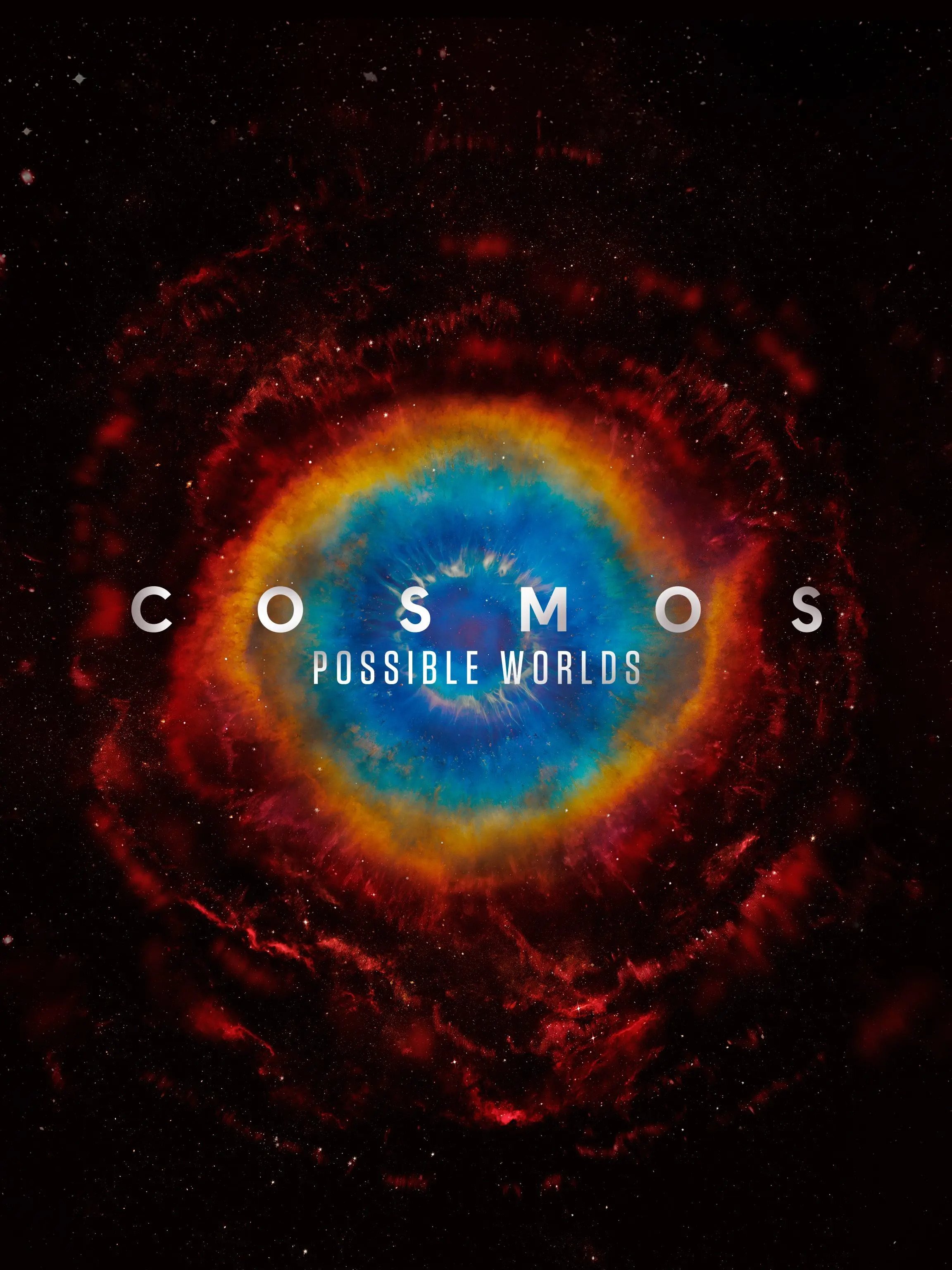
Cosmos1980
Neil deGrasse Tyson channels Sagan's wonder across thirteen hours, making the universe's scale and beauty visceral. Expansive, gorgeous, and genuinely moving about our place in it all.
But Some find the presentation overly polished after Sagan's quieter approach. The scope can feel exhausting if you're not in the mood for commitment.
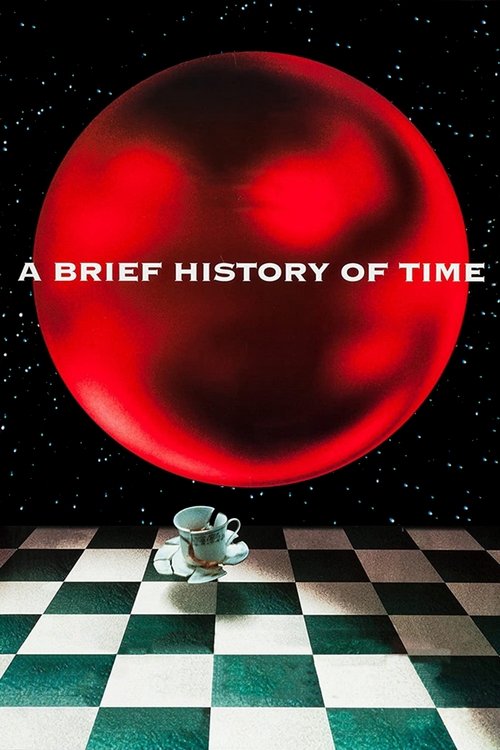
A Brief History of Time1991
Errol Morris directs Stephen Hawking through black holes and the origin of the universe. Dense ideas made visual and surprisingly intimate. A masterclass in making physics matter.
But Requires genuine concentration. If you're distracted, you'll lose the thread and feel adrift.
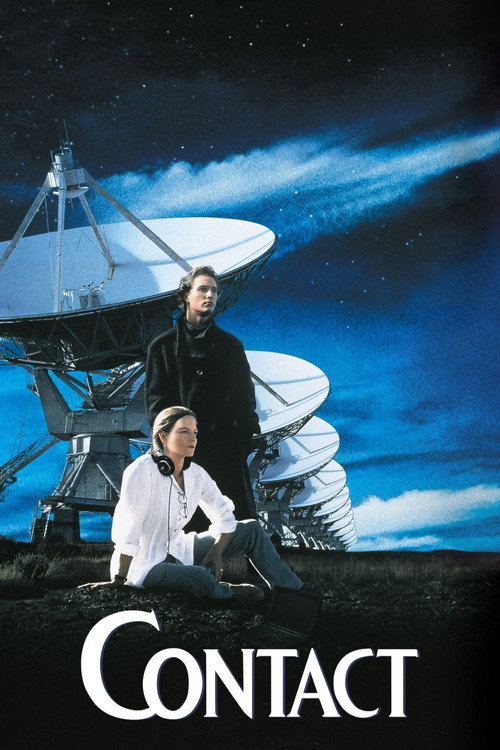
Contact1997
Based on Sagan's own novel, it dramatizes the encounter with extraterrestrial intelligence. Jodie Foster plays a scientist who experiences her own pale blue dot moment. A full story, not a meditation.
But The plotting feels a bit clunky now. Special effects date faster than Sagan's words, and some spiritual elements oversimplify the book's rigor.
Not sure tonight? Get a pick in a minute, starting from Pale Blue Dot
The wildcard
Something you would not have found on your own.
Stalker1979
Both use the smallness of human understanding as their engine. Sagan says we are stardust; Tarkovsky shows us spiritually starving inside our own world. Same vertigo, different direction.
Andrei Tarkovsky's philosophical sci-fi about a journey into a mysterious zone, searching for meaning in an unknowable landscape. Not about space—about the interior space of longing and the limits of human comprehension. Sagan with shadows and metaphysics instead of narration.
But Glacially slow, sometimes nearly wordless. A test of patience. If you want faster pacing or clear answers, this will feel like punishment rather than meditation.

More like this (1)
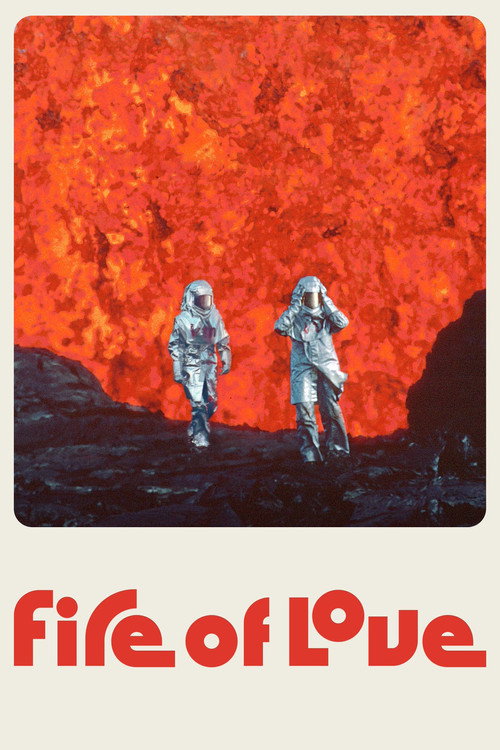
Fire of Love2022
Both measure human existence against inhuman scales. Sagan uses Voyager and galaxies; Fire of Love uses volcanoes and deep time. Both reveal us as temporary and precious precisely because we are insignificant.
A gorgeously animated documentary about volcanologists who loved each other and the Earth's violent geology. Obsessive, beautiful, deadly serious about human insignificance against geological time. Sagan's cosmic perspective compressed into magma and lava.
But The animation style won't appeal if you wanted straightforward documentary. Some find the romantic narrative arch manipulative. The ending is genuinely tragic—not a comfort watch.
People
Cast
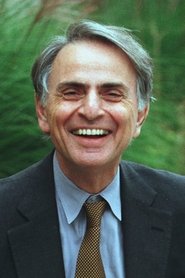 Carl SaganHimself
Recommended by
Double Dare, The Sky at Night, The Universe, Star stuff, Hubble: 15 Years of Discovery, White Wilderness